Calendula officinalis: 12 Powerful Health Benefits, Uses, and Safety Tips
Calendula officinalis, commonly called pot marigold, is well known as a helpful companion plant in vegetable gardens. It can discourage certain pests while drawing in pollinators. But this vibrant flower offers much more than garden beauty. For generations, calendula has been valued in herbal medicine, natural skin care, and everyday wellness routines.
Its bright petals are more than ornamental—they are packed with properties that make calendula a popular choice for teas, salves, oils, and soothing home remedies.
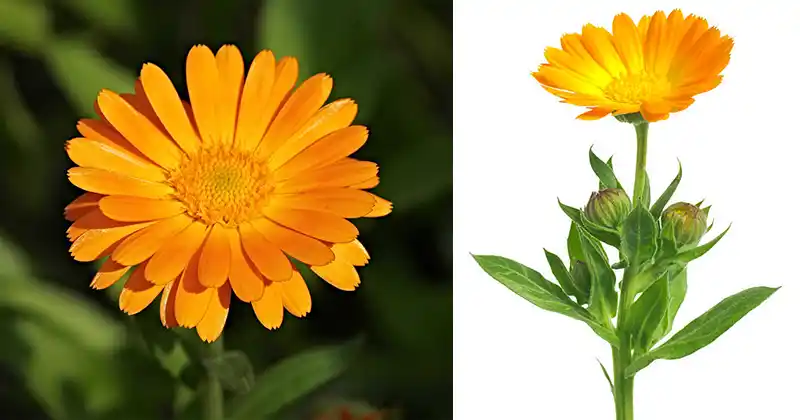
Which Parts of Calendula Are Used?
Different parts of the plant can be used depending on the purpose:
- Petals – the most frequently used part, either fresh or dried
- Whole flower heads – commonly infused into oils or made into healing salves
- Leaves – sometimes applied in poultices, though they are less common for internal use
Calendula leaves are technically edible, but they are not often eaten because of their bitter flavor and rough texture.
Top 12 Health Benefits of Calendula officinalis
1. Supports Faster Wound Healing
Calendula is widely recognized for its anti-inflammatory and antimicrobial effects. These qualities make it a popular natural option for helping minor skin injuries recover more quickly.
It is often used for:
- Cuts
- Scrapes
- Mild burns
- Insect bites
How to use it: Apply a calendula cream, balm, or salve directly to the affected area.

2. Helps Calm Irritated Skin
Calendula is often used to relieve discomfort linked to common skin problems. Its soothing nature makes it a favorite ingredient in natural skin products.
It may help with:
- Eczema
- Psoriasis
- Skin rashes
- Diaper rash
How to use it: Choose or prepare a calendula-based cream or balm for regular application.
3. Offers Natural Antifungal Support
Calendula may help combat certain fungal issues, including athlete’s foot and yeast-related infections. Its plant compounds are believed to contribute to this protective effect.
How to use it: Try a foot soak made with calendula tea or use calendula-infused oil externally.
4. May Reduce Internal Inflammation
When consumed as a tea, calendula may provide gentle relief for several inflammatory conditions inside the body. Traditionally, it has been used to calm:
- Sore throat
- Mouth ulcers
- Digestive irritation, including gastritis and ulcers
How to use it: Drink a mild calendula tea once or twice daily.
5. Traditionally Used for Menstrual Support
Calendula has long been used in herbal traditions to support women’s health. It may help:
- Encourage a more regular menstrual cycle
- Ease menstrual cramping
How to use it: Steep 1 teaspoon of dried calendula petals in hot water and drink as tea.
6. May Encourage Lymphatic Drainage
Calendula is sometimes used to support the lymphatic system, which plays a role in fluid balance and immune function. It may help reduce swelling and support the body’s natural cleansing processes.
How to use it: Use calendula as a tea or apply it externally as a compress.
7. Supports Oral Health
Thanks to its antimicrobial properties, calendula may be useful for maintaining a healthier mouth and gums. It is commonly used to help with:
- Gingivitis
- Mouth sores
- Tender or inflamed gums
How to use it: Gargle or rinse with cooled calendula tea.

8. Rich in Antioxidants
The bright orange and yellow petals of calendula contain beneficial compounds such as flavonoids and carotenoids. These antioxidants help protect the body’s cells from oxidative stress.
How to use it: Add petals to:
- Tea
- Salads
- Light dishes as a colorful garnish
9. Traditionally Used for Eye Comfort
Calendula has been used in traditional herbal care for eye strain and mild irritation. However, eye applications must be handled with extreme care.
Important: Any eyewash should be made with sterile materials, freshly prepared, and ideally used only after guidance from a healthcare professional.
How to use it: A carefully strained, cooled, and sterile calendula tea may be used as a gentle eyewash.
10. May Support the Immune System
Calendula is also appreciated for its mild immune-supporting and antimicrobial actions. Regular use may help the body better resist seasonal infections.
How to use it: Drink calendula tea regularly, especially during times of seasonal change.

11. Helps Soothe Digestive Discomfort
Calendula has traditionally been used to calm the digestive system. It may assist with:
- Bloating
- Digestive inflammation
- Ulcer-related discomfort
How to use it: Drink a light calendula infusion before meals.
12. Traditionally Used for Liver and Gallbladder Support
In herbal traditions, calendula has also been used to help stimulate liver activity and bile flow, which may support natural detox functions.
How to use it: Combine calendula with other herbs in a detox tea blend.
How to Use Calendula at Home
Calendula is easy to include in your daily routine. Here are some of the most common ways to use it.
Calendula Tea
A simple calendula tea is one of the easiest ways to enjoy its benefits.
You will need:
- 1 teaspoon dried calendula petals, or 1 tablespoon fresh petals
- 1 cup hot water
Instructions:
- Pour hot water over the petals.
- Let it steep for 10 to 15 minutes.
- Strain before drinking.
Suggested amount: Up to 2 cups per day.
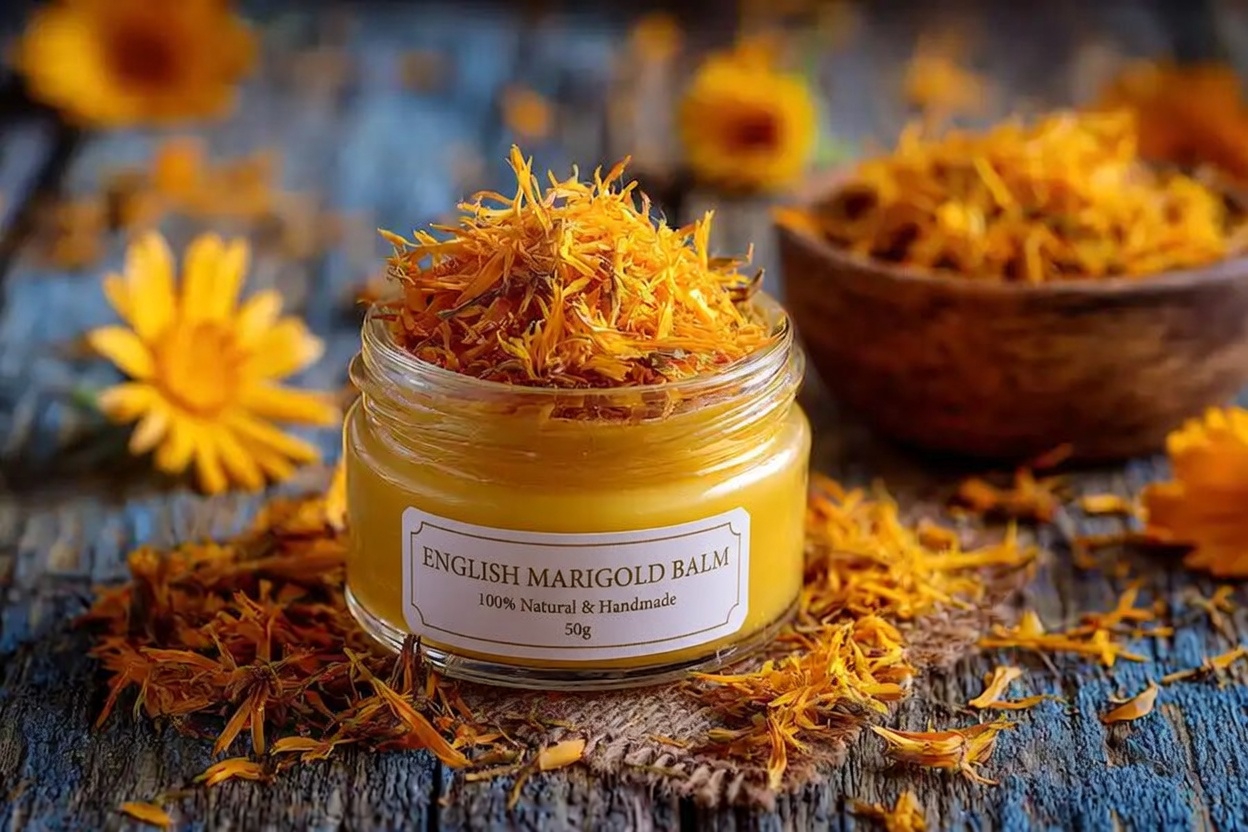
Calendula Salve or Balm
Calendula salve is a classic herbal preparation for skin support.
Basic method:
- Dry calendula petals thoroughly
- Infuse them in olive oil for 2 to 3 weeks
- Strain the oil
- Mix with beeswax
- Store in clean jars
This preparation is commonly used for:
- Dry or irritated skin
- Minor burns
- Eczema
- Everyday skin healing
Calendula Bath Soak
A calendula bath can help soothe the skin and encourage relaxation.
How to prepare it:
- Place a handful of dried petals into a muslin bag
- Add the bag to warm bathwater
This can be especially comforting for irritated skin.
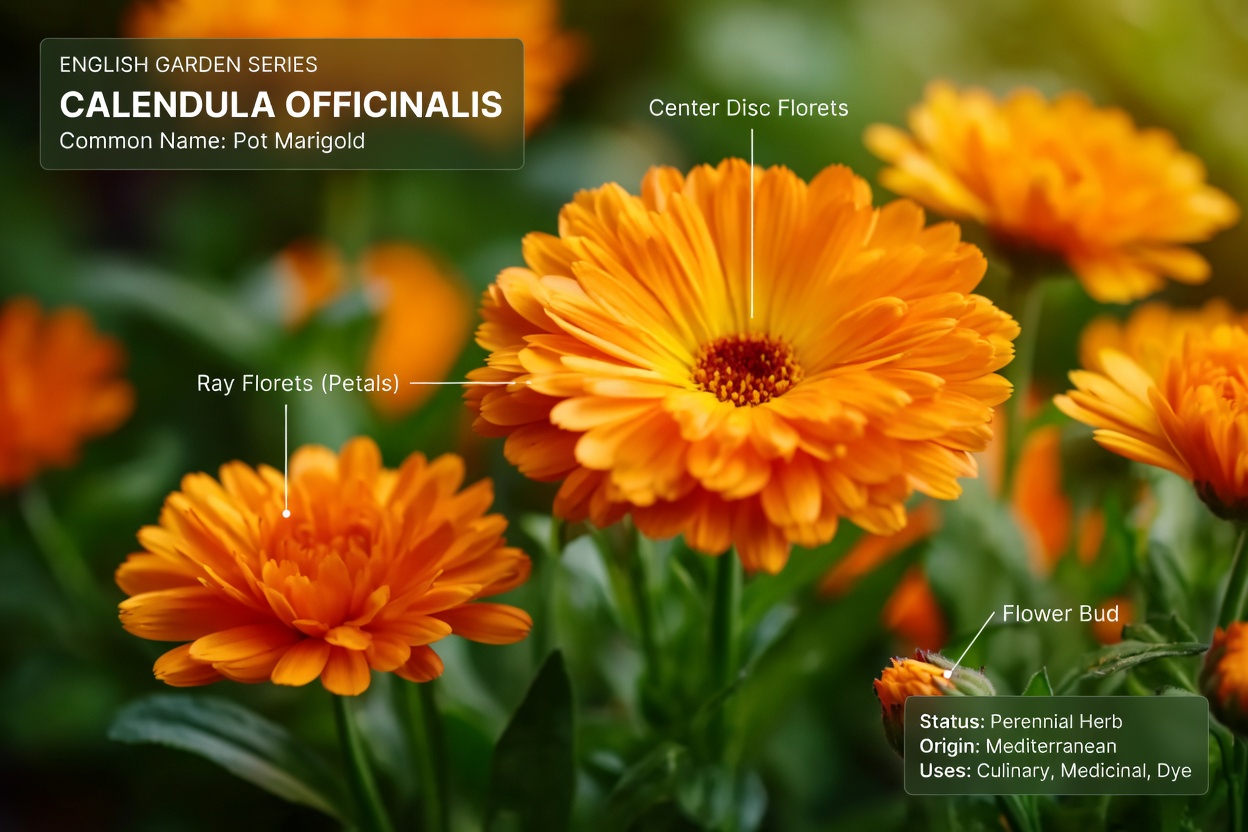
Edible Calendula Petals
Calendula petals are also edible and can brighten many dishes.
Ways to use them:
- Toss fresh petals into salads
- Add them to rice dishes
- Sprinkle over eggs
- Use as a garnish
- Dry them for later use as a colorful topping
Besides adding color, the petals also provide antioxidant compounds.
Precautions and Safety Notes
Calendula is generally considered safe for most people, but a few precautions are important:
- Some individuals may experience an allergic reaction, especially if they are sensitive to plants in the Asteraceae family, such as ragweed
- Use with caution during pregnancy unless advised by a qualified professional
- Always do a patch test before applying a new calendula salve, oil, or balm to the skin
Why Calendula officinalis Deserves a Place in Your Routine
Calendula officinalis is a simple but remarkably versatile flower. It can be:
- Easy to grow at home
- Used fresh or dried
- Enjoyed in teas and food
- Applied to skin and minor wounds
- Combined with other herbs for broader wellness support
From skin care to digestive comfort, calendula remains one of the most useful and approachable herbs in natural health.
Disclaimer
This article is provided for informational purposes only and is not a substitute for professional medical advice, diagnosis, or treatment. Always speak with a qualified healthcare provider before using herbal remedies. The author and publisher are not responsible for misuse or any adverse reactions.