
10 Best Vegetables for People with Diabetes (and How to Use Them)
Living with diabetes can feel like you’re constantly walking a tightrope. Every bite matters, and even simple foods can raise questions about blood sugar spikes and long‑term health. Over time, this daily decision-making can lead to burnout, uncertainty, and frustration about what’s truly safe to put on your plate.
The encouraging news: certain vegetables can help steady your meals, support better blood sugar balance, and make you feel more confident at mealtimes. One often-ignored vegetable group near the end of this list is especially powerful and frequently overlooked.

Why Vegetables Are Essential for Blood-Sugar-Friendly Eating
Vegetables are far more than a side dish. For people managing diabetes or prediabetes, they’re a crucial foundation of balanced, blood-sugar-friendly meals.
Many vegetables:
- Are naturally low in digestible carbohydrates
- Provide plenty of fiber to slow digestion
- Are rich in vitamins, minerals, and beneficial plant compounds
- Support overall metabolic and cardiovascular health
However, not all vegetables affect blood sugar in the same way. Choosing the right types can make your meals more satisfying, easier to manage, and more sustainable over time.
This is where many people get tripped up.
What Makes a Vegetable a Smart Choice for Diabetes?
Before diving into specific vegetables, it helps to understand what distinguishes more supportive options from less ideal ones for blood sugar control.
Vegetables that are especially helpful for people with diabetes often share these characteristics:
- High in fiber, which slows down digestion and glucose absorption
- Low glycemic impact when eaten in typical serving sizes
- Packed with vitamins, minerals, and antioxidants
- Easy to use in everyday cooking, so you’ll actually eat them regularly
Research consistently shows that diets rich in non-starchy vegetables are linked to better long-term blood sugar control, healthier body weight, and improved overall health outcomes.
Let’s look at some of the top choices.
1. Leafy Greens: Spinach, Kale, and More
Leafy greens are usually at the top of any diabetes-friendly vegetable list—and for good reason.
They are:
- Extremely low in calories and digestible carbs
- Loaded with magnesium, vitamin K, folate, and antioxidants
- Very versatile and easy to add to meals without extra sugar or starch
Studies suggest that regularly eating leafy greens is associated with better insulin sensitivity and improved metabolic markers, which is especially beneficial for people managing diabetes.
Simple ways to use leafy greens:
- Toss a handful into omelets or scrambled eggs
- Stir into soups, stews, or curries near the end of cooking
- Blend into smoothies with unsweetened, low-sugar ingredients
Small, frequent additions add up over time.
2. Broccoli and Other Cruciferous Vegetables
Broccoli, cauliflower, cabbage, and Brussels sprouts all belong to the cruciferous vegetable family.
These vegetables are:
- High in fiber to support digestion and satiety
- Rich in sulfur-containing compounds that support natural detoxification pathways
- Packed with vitamins C, K, and various antioxidants
What’s especially interesting is that some research indicates compounds in broccoli may support healthier glucose metabolism and insulin function when eaten regularly.
Practical serving ideas:
- Lightly steam to maintain crunch and nutrients
- Roast with olive oil, garlic, and herbs
- Add small florets to stir-fries, grain bowls, or egg dishes

3. Zucchini and Other Summer Squash
Zucchini is a popular choice for those monitoring carb intake.
It is:
- Mild in flavor and pairs well with many cuisines
- Low in carbohydrates and calories
- High in water and fiber, which help promote fullness without driving up calorie or carb intake
Smart ways to include zucchini:
- Use spiralized zucchini (“zoodles”) in place of pasta
- Slice and grill as a quick side dish
- Add to soups, stews, or casseroles for extra volume and nutrients
4. Bell Peppers in Every Color
Red, yellow, orange, and green bell peppers are crunchy, colorful, and surprisingly low in sugar.
They are:
- Rich in vitamin C and carotenoids
- Helpful in protecting cells from oxidative stress
- Lower in glycemic impact than many people assume, especially when eaten fresh
Many people avoid bell peppers because they taste sweet, but their effect on blood sugar is generally minimal in typical portions.
Easy ways to enjoy bell peppers:
- Eat raw with hummus or another low-sugar dip
- Add to salads for color and crunch
- Sauté with lean protein like chicken, tofu, or shrimp
5. Green Beans
Green beans are a familiar, accessible vegetable that fits well into a diabetes-friendly eating pattern.
They offer:
- Moderate amounts of carbohydrates released gradually during digestion
- A good dose of fiber to help with fullness and blood sugar stability
- A mild flavor that works in many cuisines
Simple prep ideas:
- Steam and toss with olive oil, lemon, and fresh herbs
- Stir-fry with garlic and a splash of low-sodium soy sauce
- Add to casseroles, sheet-pan dinners, or one-pot meals
6. Eggplant
Eggplant is often underappreciated but can be very useful for people with diabetes.
It provides:
- Fiber and beneficial polyphenols that may support metabolic health
- A meaty texture that absorbs flavors well
- A satisfying mouthfeel without needing heavy, sugary sauces
Tasty ways to cook eggplant:
- Roast slices with olive oil, pepper, and herbs
- Grill and serve with yogurt-based dips or tahini
- Add cubes to vegetable stews, curries, or pasta-style dishes
7. Tomatoes (in Moderation)
Tomatoes are botanically fruits but are used as vegetables in cooking.
They contain:
- Lycopene, an antioxidant linked to heart health
- Vitamins C and K, plus potassium—all important for people with diabetes
- Relatively low carbohydrates per serving when used thoughtfully
Portion size matters, especially with tomato sauces, but tomatoes can be a valuable part of a balanced, diabetes-friendly diet.
Good ways to include tomatoes:
- Fresh in salads or sliced over whole-grain toast
- Cooked into sauces without added sugar
- Roasted to concentrate their natural sweetness without extra sweeteners
8. Cucumbers
Cucumbers are crisp, refreshing, and very low in carbohydrates.
They are:
- Mostly water, which helps with hydration
- Low in calories, making them ideal for volume and crunch
- Helpful for adding bulk to meals without affecting blood sugar much
Everyday cucumber ideas:
- Slice into salads or grain bowls
- Pair with yogurt, herbs, and lemon for a quick side
- Add to wraps, sandwiches, or lettuce rolls for extra crunch
9. Mushrooms
Mushrooms stand out for their unique texture and savory, umami flavor.
They are:
- Naturally low in carbs and calories
- A source of various bioactive compounds that may support immune and metabolic health
- Being studied for potential benefits in insulin resistance and inflammation
Easy mushroom meal ideas:
- Sauté with onions and garlic as a side dish
- Add to omelets, frittatas, or breakfast scrambles
- Use blended with ground meat to reduce overall meat and saturated fat in recipes
10. Brussels Sprouts
Brussels sprouts are the vegetable many people think they dislike—until they’re cooked well.
They are:
- High in fiber, which supports digestion and blood sugar steadying
- Rich in antioxidants and compounds that support metabolic health
- Surprisingly delicious when roasted or sautéed properly
Ways to make Brussels sprouts taste great:
- Roast until lightly browned and crispy on the edges
- Toss with olive oil, garlic, and your favorite spices
- Combine with nuts or seeds for extra crunch, healthy fats, and flavor
This often-overlooked vegetable can be a “secret weapon” that changes how you feel about eating green vegetables.
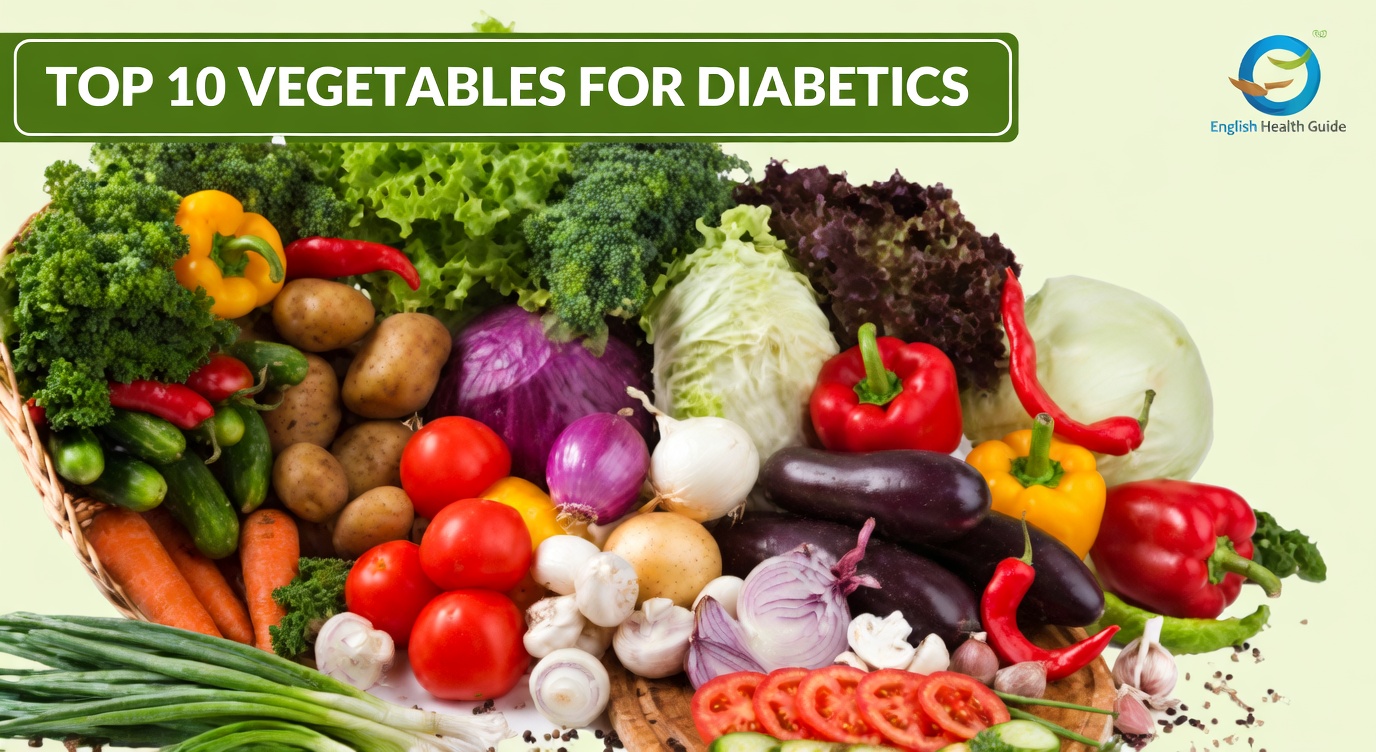
How to Build a Diabetes-Friendly Plate Using Vegetables
Vegetables are most effective when they’re part of a balanced meal, not eaten in isolation.
A simple plate model you can use:
- ½ of your plate: Non-starchy vegetables (like the ones listed above)
- ¼ of your plate: Lean protein (fish, poultry, tofu, eggs, legumes)
- ¼ of your plate: Whole-food carbohydrates (such as quinoa, brown rice, sweet potato, or beans), if you include them
This structure helps promote steady energy, better blood sugar control, and lasting fullness throughout the day.
Actionable Tips You Can Start Today
You don’t need a complete diet overhaul overnight. Small steps add up.
Try this:
- Choose two vegetables from this list and add them to your next grocery list.
- Wash, chop, or pre-cook vegetables in advance to make them easy to grab during the week.
- Use herbs, spices, citrus, and olive oil instead of heavy, sugary sauces.
- Notice your portion sizes and pay attention to how you feel one to two hours after meals.
Consistency matters more than perfection.
Common Mistakes to Avoid
Even with healthy vegetables, certain habits can work against your goals:
- Overcooking vegetables until they’re mushy and nutrient-poor
- Drowning them in sugary glazes, creamy dressings, or heavy breading
- Relying on deep-fried vegetable dishes as your main source of veggies
Keeping preparations simple and mindful helps you get the full benefit.
Frequently Asked Questions
Can I eat as many vegetables as I want if I have diabetes?
Most non-starchy vegetables (like leafy greens, cucumbers, broccoli, and peppers) can be enjoyed generously. Still, balance, overall meal composition, and preparation methods matter. It’s wise to monitor blood sugar response to new foods and portions.
Are cooked vegetables worse than raw ones?
Not necessarily. Gentle cooking methods—like steaming, sautéing, or roasting—can actually improve digestibility and enhance the absorption of certain nutrients. The key is to avoid excessive cooking and heavy, high-sugar or high-fat sauces.
Should I avoid vegetables that taste naturally sweet?
You don’t have to avoid them entirely. Vegetables with a bit of natural sweetness can still fit well into a diabetes-friendly plan when:
- Portions are reasonable
- They’re paired with protein, healthy fats, and fiber
- They’re not coated in added sugars or sweet sauces
Final Thoughts
Vegetables aren’t about restriction; they’re about empowerment. Choosing and preparing the right non-starchy vegetables can make eating with diabetes less stressful, more enjoyable, and more supportive of your long-term health.
And don’t forget those often-dismissed Brussels sprouts at the end of the list—they’re one of the most surprising game changers for many people learning to love green vegetables again.