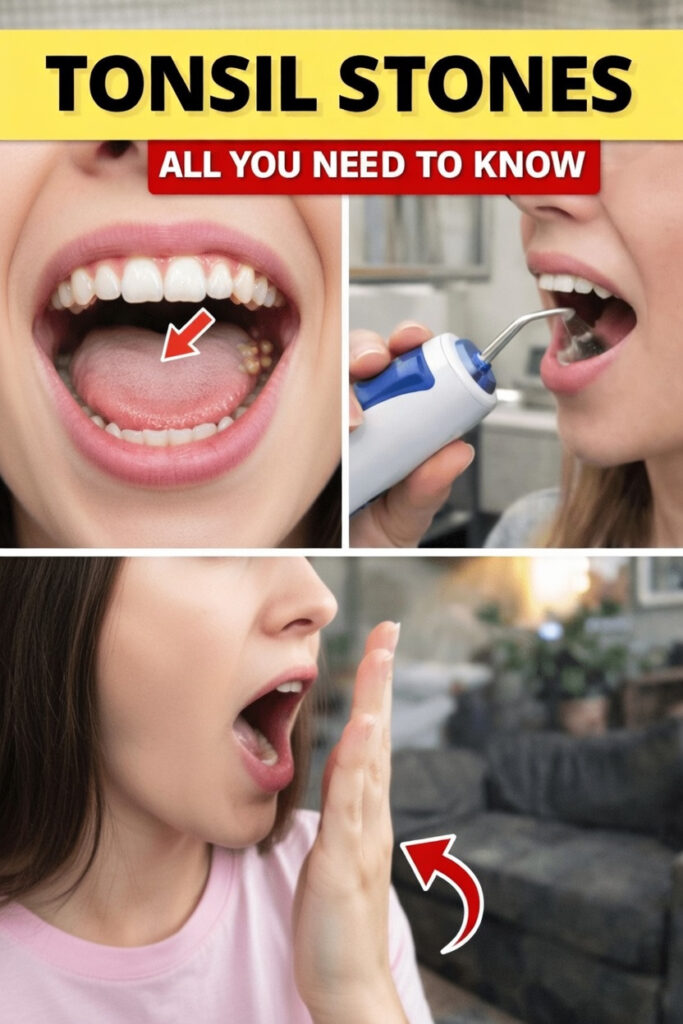
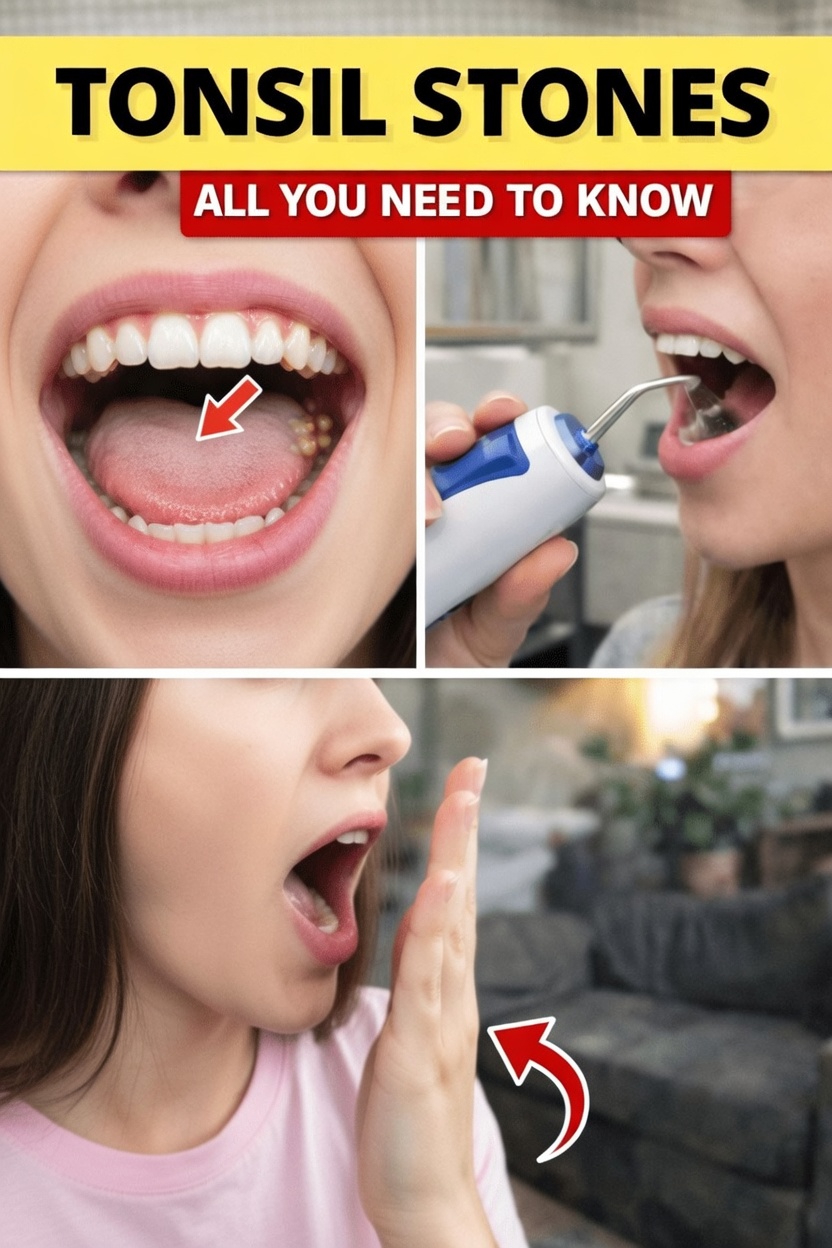
Tonsil Stones: Causes, Symptoms, and Simple Ways to Prevent Them
Have you ever found tiny white or yellowish bits at the back of your throat and wondered why your breath still smells bad even after brushing? These small formations, known as tonsil stones, can be surprisingly uncomfortable. They may cause throat irritation, an unpleasant taste, and a strange sensation when swallowing.
Many people live with tonsil stones without knowing what they are, which can lead to frustration, embarrassment, and self-consciousness during everyday interactions. The encouraging part is that once you understand why they form, a few practical daily habits can help keep your mouth feeling cleaner and your breath fresher.
What Are Tonsil Stones?
Tonsil stones, or tonsilloliths, are hardened deposits that develop inside the natural pockets of the tonsils. These pockets, called tonsil crypts, can collect food debris, mucus, bacteria, and dead cells. Over time, that trapped material can compact and calcify, creating small stone-like lumps.
Some are barely visible, while others become large enough to notice easily. Although tonsil stones are generally not dangerous, they can still produce bothersome symptoms that affect daily comfort. Research indicates that poor oral hygiene and ongoing throat inflammation may increase the risk of developing them.
Common Symptoms of Tonsil Stones
If your throat has felt unusual lately, tonsil stones could be the reason. People often describe a range of symptoms, including:
- Persistent bad breath that does not improve much with brushing alone
- A foul or metallic taste that stays in the mouth for hours
- The feeling that something is stuck in the back of the throat
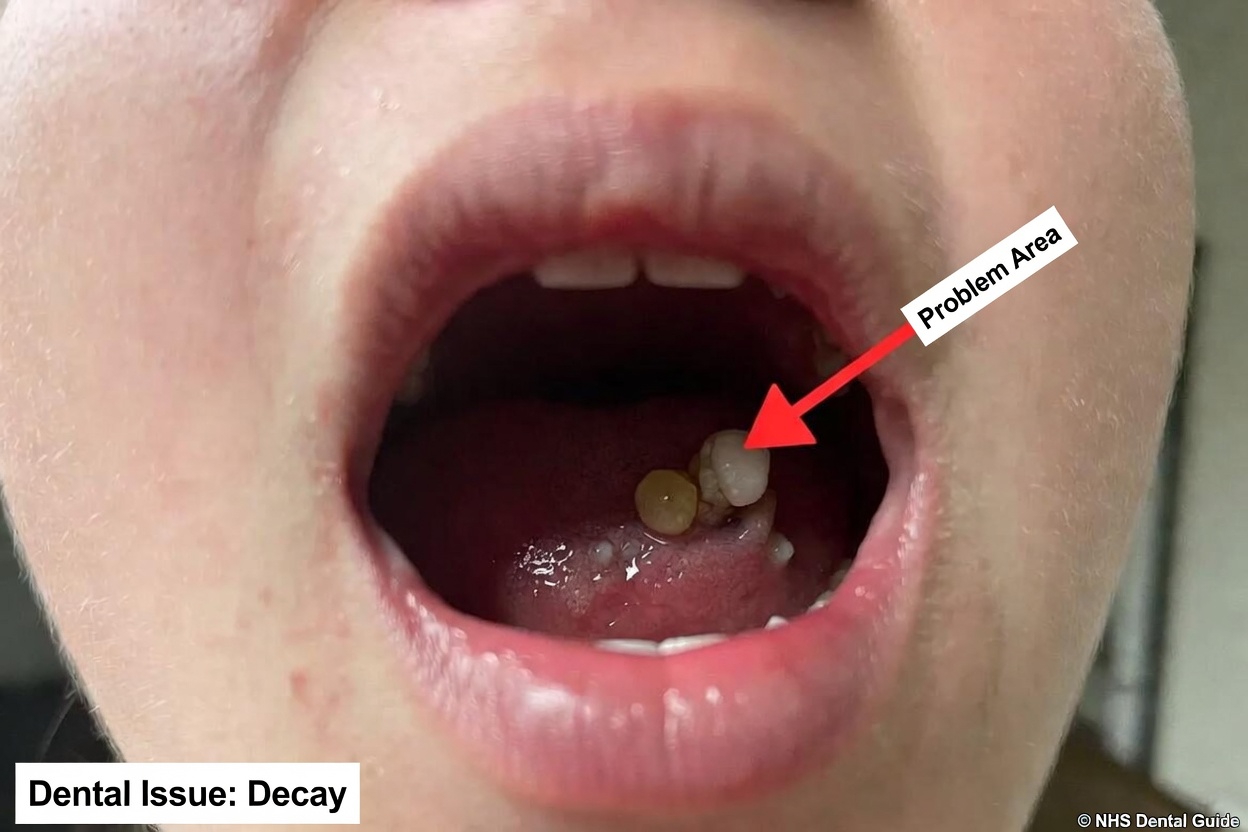
- White or yellow spots visible on or near the tonsils
- Minor throat discomfort or a slight cough when trying to clear the area
Not everyone experiences the same signs. Some people only notice them once in a while, while others deal with them more regularly.
What Causes Tonsil Stones?
Several factors can make tonsil stones more likely to form. One of the biggest is the shape of your tonsils. If your tonsil crypts are deep or uneven, they can trap more debris and make buildup easier.
Other common causes and contributing habits include:
- Post-nasal drip linked to allergies or sinus congestion
- Not drinking enough water during the day
- High intake of dairy products or sugary foods, which may encourage bacterial growth
- Inconsistent oral hygiene, allowing bacteria and debris to remain in the mouth
Studies have also connected chronic tonsil irritation and bacterial accumulation with the formation of these calcified deposits.

Easy Home Remedies for Tonsil Stones
The good news is that many cases can be improved with simple home care. Consistency matters most.
Gargle With Warm Salt Water
A basic salt-water gargle can help loosen trapped material and calm the throat. Mix half a teaspoon of salt into a glass of warm water, then gargle for 15 to 30 seconds a few times a day.
Improve Your Oral Hygiene Routine
A stronger oral care routine can reduce the bacteria that contribute to tonsil stones. Make sure to:
- Brush your teeth thoroughly twice daily
- Clean your tongue as well
- Floss every day
- Use a non-alcoholic mouthwash to help control bacteria without causing excessive dryness
Drink More Water
Hydration plays a bigger role than many people realize. Drinking enough water throughout the day can help wash away particles before they settle into the tonsil crypts.
Use a Water Flosser Carefully
Some people find relief by using a water flosser on a gentle setting to clean the area near the tonsils. If you try this, use the lowest pressure possible to avoid irritation or injury.
When You Should See a Healthcare Professional
Most tonsil stones can be managed at home, but there are times when professional advice is the better choice. You should consider seeing a doctor or dentist if you have:
- Persistent pain
- Trouble swallowing
- Swelling in the throat that does not improve
- Recurring symptoms that keep coming back despite home care
A healthcare provider can examine your throat, confirm whether tonsil stones are the cause, and suggest the most appropriate treatment. In some cases, further evaluation may be recommended to rule out other throat conditions.
Natural Habits for Better Throat Health
Besides cleaning the mouth regularly, certain lifestyle choices may help lower the chance of future buildup. Helpful habits include:
- Eating more fresh fruits and vegetables to support oral health
- Avoiding smoking and reducing alcohol intake, since both can dry and irritate the throat
- Managing allergies to reduce post-nasal drip
- Using a humidifier in dry seasons to keep the throat from becoming overly dry
These small adjustments can make a real difference when practiced consistently.
Frequently Asked Questions About Tonsil Stones
Can tonsil stones disappear on their own?
Yes, small tonsil stones often come out naturally through swallowing, coughing, or gargling. Larger or stubborn stones, however, usually require regular home care to improve.
Are tonsil stones contagious?
No. Tonsil stones are not contagious. They form from debris, bacteria, and other materials already present in your own mouth and throat.
How do I stop tonsil stones from returning?
The best prevention steps include:
- Maintaining good oral hygiene
- Staying well hydrated
- Treating issues such as allergies or sinus problems
- Following daily habits that reduce bacterial buildup
Final Thoughts
Learning more about tonsil stones is an important step toward improving comfort and confidence. By focusing on hydration, proper oral hygiene, and healthy lifestyle habits, many people can reduce symptoms and lower the chances of recurrence.
Often, it is the small actions done every day that produce the best long-term results.