Grape Hyacinths: Small Spring Flowers With Big Benefits
Grape hyacinths (Muscari spp.) are often admired for their vivid blue-purple flower spikes and delicate appearance in spring. Yet these compact blooms offer much more than seasonal color. Beyond their ornamental appeal, grape hyacinths provide practical garden advantages, cultural symbolism, and even a few intriguing traditional uses that have been appreciated for generations.
1. An Early Food Source for Pollinators
Because grape hyacinths flower at the start of spring, they become an important nectar source for bees, butterflies, and other helpful insects when few other plants are blooming. Adding them to your garden can help support pollinator activity, which plays a key role in biodiversity and overall ecosystem health.
2. Easy-Care Plants for Beautiful Landscapes
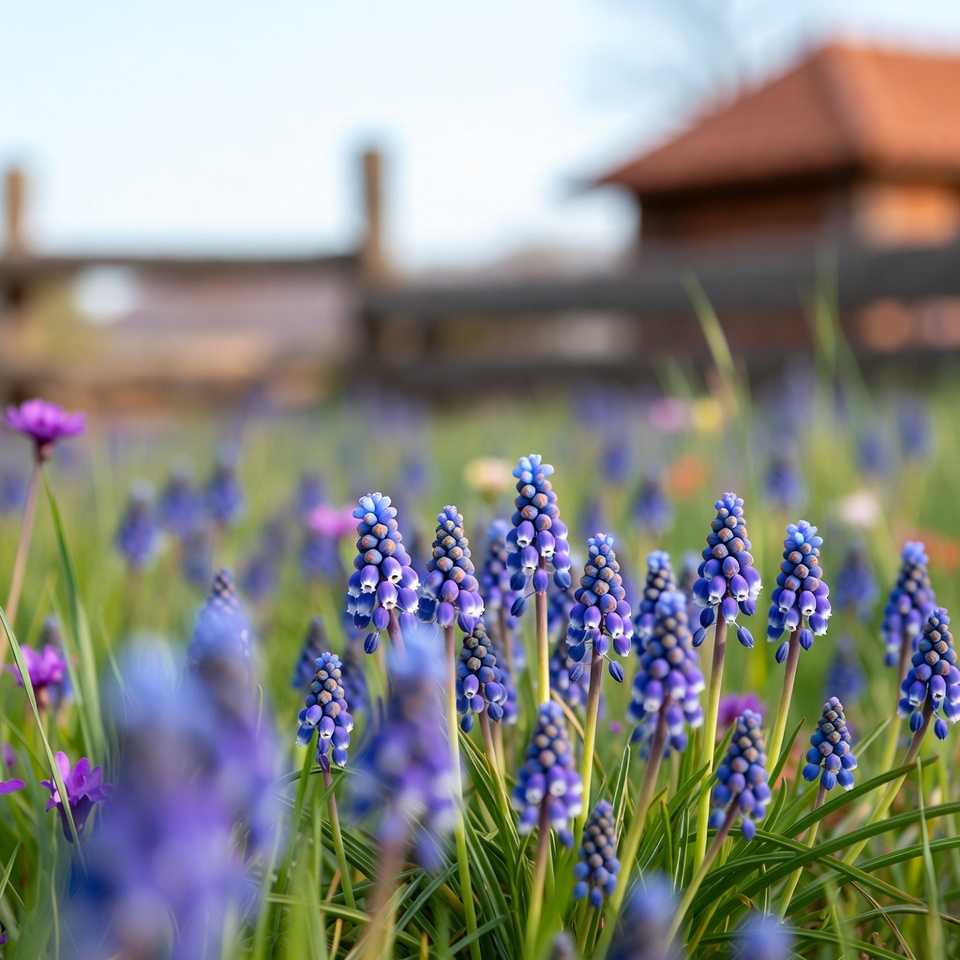
For gardeners who want strong visual impact without constant upkeep, grape hyacinths are an excellent choice.
- They tolerate dry conditions well
- They are generally resistant to deer
- They adapt to many different soil types
- They spread naturally once established
Over time, these bulbs can form dense sweeps of color, creating a lively spring display with very little maintenance.
3. Possible Antioxidant Value
Although grape hyacinths are not commonly eaten, emerging studies suggest that some species within the Muscari genus may contain antioxidant compounds. In certain Mediterranean traditions, plant extracts were occasionally used in herbal preparations for their potentially calming and cleansing properties.
Grape hyacinths are not commonly regarded as edible or medicinal in modern herbal practice. Always speak with a qualified professional before using any plant for therapeutic purposes.
4. Rich Symbolism and Cultural Meaning
In floral symbolism, grape hyacinths are often associated with:
- Rebirth
- Trust
- Constancy
Because they appear just after winter, they are frequently linked with renewal and hopeful beginnings. This meaning makes them a popular option for spring festivities, wedding arrangements, and spiritually inspired garden spaces.
5. Useful in Companion Planting
Grape hyacinths pair beautifully with other spring favorites such as tulips, daffodils, and early perennials. Their clustered blooms create attractive contrast in flower beds, while their low-growing habit offers additional practical benefits.
- They help fill empty spaces in the soil
- They can reduce the visibility of bare ground
- Their dense growth may help suppress weeds
This makes them both decorative and functional in layered garden designs.
6. Excellent for Indoor Forcing
These bulbs are also ideal for forcing indoors, allowing you to enjoy spring flowers during the colder months. To do this, chill the bulbs for about 10 to 12 weeks, then plant them in pots. With the right timing, you can enjoy bright indoor blooms in late winter, long before the outdoor garden comes to life.
7. A Modest Boost for Indoor Air Quality
Like many green plants, grape hyacinths may contribute in a small way to fresher indoor air when grown inside. While this benefit has not been studied in depth for Muscari, indoor plants generally provide oxygen and may offer light air-filtering effects while also enhancing the look of a room.
Why Grape Hyacinths Deserve a Place in Your Garden
Whether your goal is to add color to your landscape, attract pollinators, or bring meaningful spring flowers indoors, grape hyacinths offer far more than their delicate size suggests. Their toughness, visual charm, and traditional significance make them a standout choice for gardeners who want beauty with added value. These little bulbs may be small, but they make a lasting impression.