
3 Kidney-Friendly Drinks That May Help Support Healthy Creatinine Levels
As the years go by, many people notice shifts in their lab results, including a gradual rise in creatinine that can reflect added stress on the kidneys. This may show up alongside tiredness, mild puffiness, or worry about long-term organ health. The encouraging news: everyday lifestyle choices—especially what you drink—can gently support kidney function when combined with medical care and an overall healthy routine.
In this guide, you’ll find three research-backed drinks that may help support kidney health, plus practical tips on how to use them safely and effectively.

Why Focus on Drinks for Kidney Support?
Your kidneys act as your body’s filtration system, clearing out waste products, including creatinine—a normal byproduct of muscle activity. Their performance is influenced by:
- Hydration status
- Levels of inflammation
- Oxidative stress
- Blood pressure and circulation
Scientific studies suggest that certain plant-based beverages supply antioxidants and other bioactive compounds that may indirectly help protect kidney tissue and support healthy filtration. Keeping well-hydrated and choosing kidney-friendly drinks is a simple, accessible starting point.
Always speak with your healthcare provider before making changes, especially if you already have kidney disease or abnormal lab values.
Drink #1: Green Tea – Everyday Antioxidant Support
Green tea is widely studied for its rich content of polyphenols, especially EGCG, which function as potent antioxidants. Large-scale research, including UK Biobank analyses and Mendelian randomization studies, has associated regular tea intake (green tea included) with:
- Higher estimated glomerular filtration rate (eGFR), a key measure of kidney filtering capacity
- A lower risk of chronic kidney problems in some populations
One possible explanation is that green tea’s antioxidants help counter oxidative stress, which can damage kidney cells over time. For most healthy adults, a moderate intake of about 1–3 cups per day is generally considered safe and may support overall wellness.
How to prepare and enjoy green tea:
- Choose good-quality loose tea or reputable tea bags.
- Steep in water around 175°F (80°C) for 2–3 minutes to maintain flavor and preserve beneficial compounds.
- Drink it plain, without sugar or sweeteners, for the best health support.
Many people enjoy green tea as a calming morning or mid-day drink that easily fits into a daily routine.
Drink #2: Hibiscus Tea – Tangy, Vivid Circulatory Support
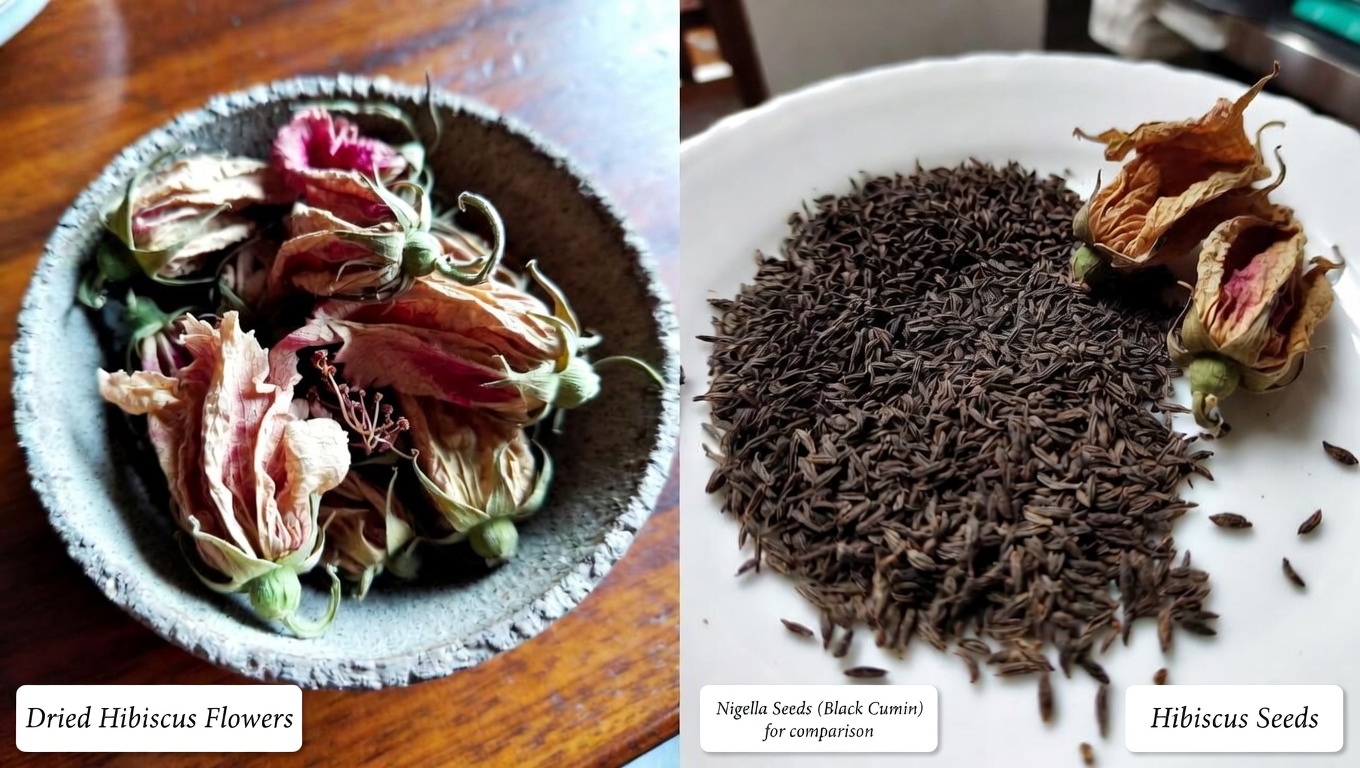
Hibiscus tea is made from the calyces of Hibiscus sabdariffa and is known for its deep red color and pleasantly tart taste. Multiple clinical trials have investigated hibiscus and found that it may help:
- Maintain healthy blood pressure levels
- Improve circulation and reduce vascular strain
Because high blood pressure places extra burden on the kidneys, keeping it within a healthy range is critical for long-term kidney protection. Some studies have also observed improvements in kidney-related markers such as creatinine clearance in specific groups.
The tea’s anthocyanins and other plant compounds provide antioxidant activity that may support blood vessel health and indirectly ease pressure on the kidneys.
Practical brewing tips for hibiscus tea:
- Steep 1–2 teaspoons of dried hibiscus flowers in hot water for 5–10 minutes.
- Drink it hot or chilled, preferably without added sugar.
- Aim for about 1–2 cups per day, paying attention to how you feel.
Hibiscus tea offers a refreshing change from routine beverages while potentially supporting cardiovascular and kidney health.
Drink #3: Black Seed (Nigella sativa) Infusion – Traditional Herbal Support
Black seed (Nigella sativa), sometimes called black cumin, has a long history in traditional medicine. When prepared as a simple infusion, its seeds release thymoquinone and other compounds that have been studied for antioxidant and anti-inflammatory effects.
Animal and human studies suggest that black seed may:
- Help shield kidney tissue from various types of stress
- Support healthier readings for certain kidney function markers in specific research settings
While early data are promising, larger and more rigorous studies are still needed. For now, it can be considered a complementary, not primary, strategy for kidney support.
How to prepare a black seed infusion:
- Gently crush about 1 teaspoon of black seeds.
- Steep in hot water for roughly 10 minutes.
- Strain and drink up to 1 cup per day, starting with smaller amounts to gauge your tolerance.
- Avoid high doses or concentrated supplements without medical supervision.
This drink may appeal if you’re interested in weaving gentle traditional remedies into a modern, health-conscious lifestyle.
Extra Lifestyle Strategies to Support Kidney Health
Drinks are just one piece of the puzzle. Daily habits add up over time:
-
Stay adequately hydrated
Aim for about 6–8 glasses of water a day, adjusting for your body size, climate, and activity level, unless your doctor advises otherwise. -
Prioritize a balanced eating pattern
Emphasize fruits, vegetables, whole grains, and healthy fats. Limit excess sodium and be mindful of protein portions, especially from animal sources. -
Move your body regularly
Gentle activities such as walking, stretching, or light cycling can help circulation, support blood pressure, and improve overall resilience. -
Keep an eye on your health metrics
Monitor your energy, swelling, blood pressure, and lab results as recommended. Follow up with your healthcare provider on any changes.
Sample Weekly Plan: Kidney-Supportive Drink Rotation
Rotating drinks can help you enjoy different flavors and plant compounds while avoiding over-reliance on any single beverage.
| Day | Suggested Drink | Key Potential Benefit | Typical Amount |
|---|---|---|---|
| Mon / Wed / Fri | Green Tea | Antioxidant and general kidney support | 1–3 cups |
| Tue / Thu | Hibiscus Tea | Blood pressure and vascular support | 1–2 cups |
| Sat / Sun | Black Seed Infusion | Traditional protective and anti-inflammatory compounds | 1 cup |
Use this as a flexible template and adjust based on your preferences and your doctor’s guidance.
Common Mistakes to Avoid
-
Adding lots of sugar or sweeteners
This can undermine potential benefits by negatively affecting blood sugar and weight. -
Overconsuming any one drink
More is not always better. Excessive intake may put additional strain on your body or interact with medications. -
Ignoring possible interactions
Some herbal or concentrated drinks can affect blood pressure, blood thinning, or medication absorption. Space them away from medications when advised. -
Relying on drinks instead of medical care
These beverages are supportive tools—not replacements—for professional diagnosis, monitoring, and treatment.
Take a moment to reflect: how consistent are you with hydration, balanced nutrition, and movement? Often, small adjustments in these areas can lead to noticeable gains in energy and well-being.
Final Thoughts
Thoughtfully chosen drinks such as green tea, hibiscus tea, and black seed infusions can be simple, accessible additions to a kidney-conscious lifestyle. When combined with good hydration, a balanced diet, regular activity, and medical guidance, they may contribute to healthier creatinine levels and overall kidney support.
Focus on consistency rather than perfection: start with one drink you enjoy, observe how you feel, and build from there.
FAQ
1. Is it safe to drink these teas daily if I have mild kidney issues?
Most studies indicate that moderate amounts are generally well tolerated for many people. However, individual responses differ, and some conditions require fluid or herbal restrictions. Always consult your healthcare provider to confirm what’s appropriate for you.
2. Can these drinks replace medical treatment for kidney disease?
No. These beverages can support general health but do not cure or directly treat kidney disease. They work best as part of a comprehensive care plan designed by your doctor.
3. How quickly might I notice changes in energy or lab results?
Some people experience subtle improvements in energy and well-being within a few weeks of consistent healthy habits. Changes in lab markers like creatinine typically take longer and should be evaluated through regular blood and urine tests.
This information is for educational purposes only and does not substitute for professional medical advice. Always speak with your healthcare provider before making changes to your diet, supplements, or fluid intake, especially if you have kidney disease or take prescription medications.