
Moringa Leaves and Wellness: Why This “Miracle Tree” Is Drawing Attention
Often referred to as the “miracle tree,” Moringa has gained global interest for its potential to support overall health, including its possible role in cancer prevention research. With cancer risk increasingly linked to modern diet, environmental exposure, and lifestyle factors, many people are searching for natural, practical ways to strengthen long-term wellness without feeling lost in complicated advice.
One plant that keeps appearing in these discussions is Moringa oleifera. Its leaves are rich in nutrients, antioxidants, and plant compounds that scientists are now examining for their broader health effects. In this article, we’ll look at what makes Moringa leaves so valuable, what current research says about their potential benefits, and how to use them safely in everyday life.

What Makes Moringa Oleifera Leaves Unique?
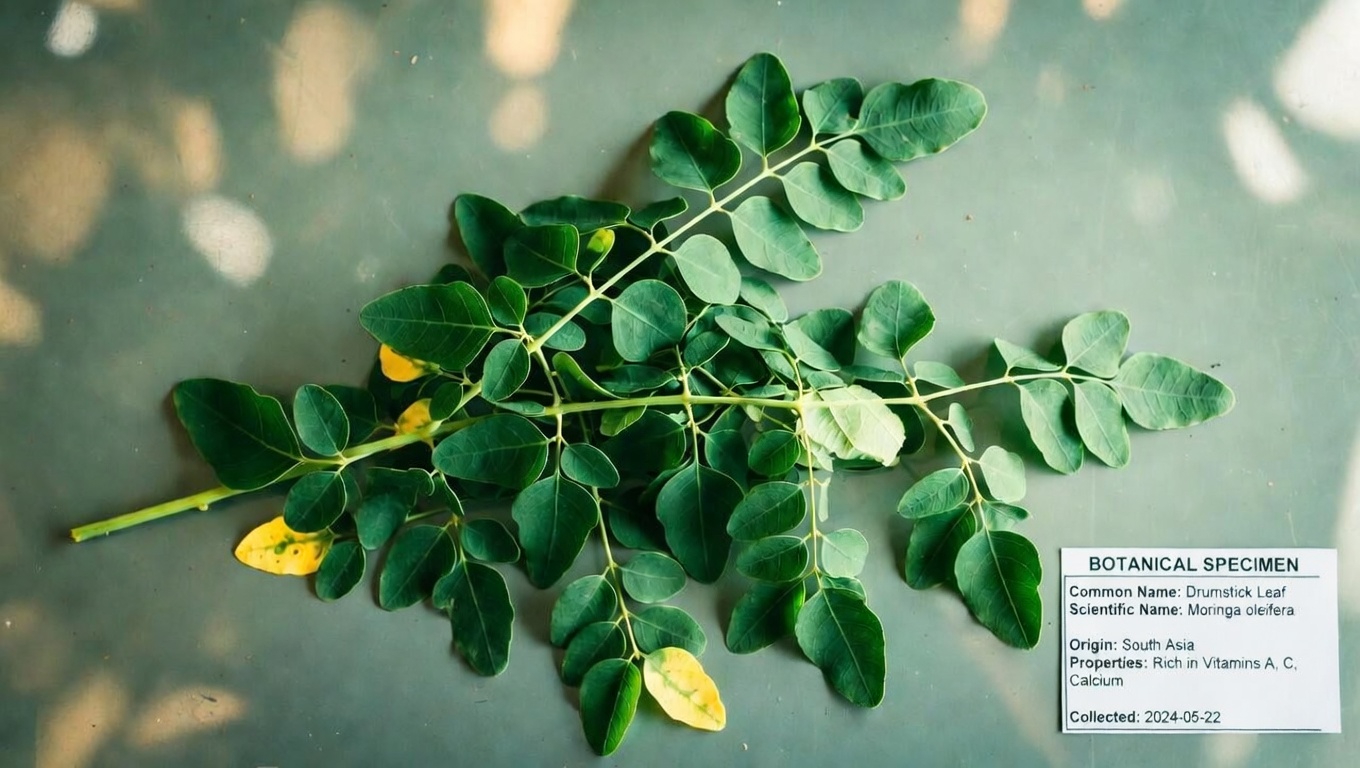
Moringa oleifera, also called the drumstick tree, grows widely in tropical and subtropical climates. Among its many edible parts, the leaves are especially valued for their dense nutritional profile.
Moringa leaves contain:
- Vitamins and minerals such as vitamins A, C, and E, along with calcium, potassium, and iron
- Antioxidants including quercetin, chlorogenic acid, and beta-carotene, which help protect the body from oxidative stress
- Bioactive plant compounds like glucosinolates and isothiocyanates, which are being studied for a range of health-supporting properties
Research suggests these nutrients may help promote general wellness by supporting the immune system and helping the body manage inflammation—two important elements in maintaining long-term health.
Why Are Moringa Leaves Being Studied for Cancer Prevention?
Cancer development is often associated with several biological processes, including chronic inflammation, oxidative damage, and abnormal cellular changes. Because of this, researchers are increasingly interested in natural compounds that may help support healthy cell function.
Early studies involving Moringa oleifera leaves have shown encouraging results, especially in laboratory and animal settings.
Findings from preclinical research include:
- Test-tube studies showing that Moringa leaf extracts may affect cancer cell lines such as breast, colorectal, lung, and liver cancer cells
- In some models, the extracts appear to encourage apoptosis, or programmed cell death, in abnormal cells while having less impact on healthy cells
- Animal studies suggesting that Moringa extracts may help reduce the formation of chemically induced tumors by strengthening antioxidant defenses, including raising glutathione levels
- Investigations into how Moringa may influence pathways such as NF-kappaB, which is associated with inflammation, as well as cell cycle regulation and autophagy
Scientific publications, including studies in journals such as PLOS ONE and Frontiers in Immunology, have explored how Moringa leaf compounds interact with cancer-related signaling pathways. Institutions like Memorial Sloan Kettering Cancer Center also reference preclinical evidence suggesting anticancer activity through apoptosis and other biological mechanisms.
That said, it is important to keep the evidence in context. Most of the research so far comes from cell-based and animal studies, not large human clinical trials. This means Moringa cannot currently be described as a proven method to prevent or treat cancer in people.
Still, one of its biggest strengths is that it can be added easily to a healthy diet, making it an accessible option for broader wellness support.
Key Nutrients in Moringa Leaves and How They May Support Health
Moringa’s appeal comes not just from one compound, but from a combination of nutrients and phytochemicals working together.
Vitamin C and Vitamin E
These are well-known antioxidants that help defend cells against damage caused by free radicals. Since oxidative stress is linked to many chronic diseases, these vitamins play an important role in overall health maintenance.
Quercetin and Other Flavonoids
Moringa leaves contain quercetin, a plant flavonoid studied for its possible anti-inflammatory effects. Reviews in nutritional science suggest flavonoids may help support the body’s response to inflammation and oxidative imbalance.
Isothiocyanates, Including Moringin
Isothiocyanates found in Moringa are being explored for their chemopreventive potential. Researchers are interested in how these compounds may help the body process toxins, support detoxification pathways, and possibly reduce the activation of certain carcinogens.
Polyphenols
Moringa leaves are also a source of polyphenols, plant compounds associated with antioxidant activity. These may contribute to better metabolic health, immune support, and cellular protection.
Including these nutrients as part of a plant-rich diet fits well with general wellness recommendations focused on whole foods and prevention-friendly eating habits.
How to Use Moringa Leaves in Your Daily Routine
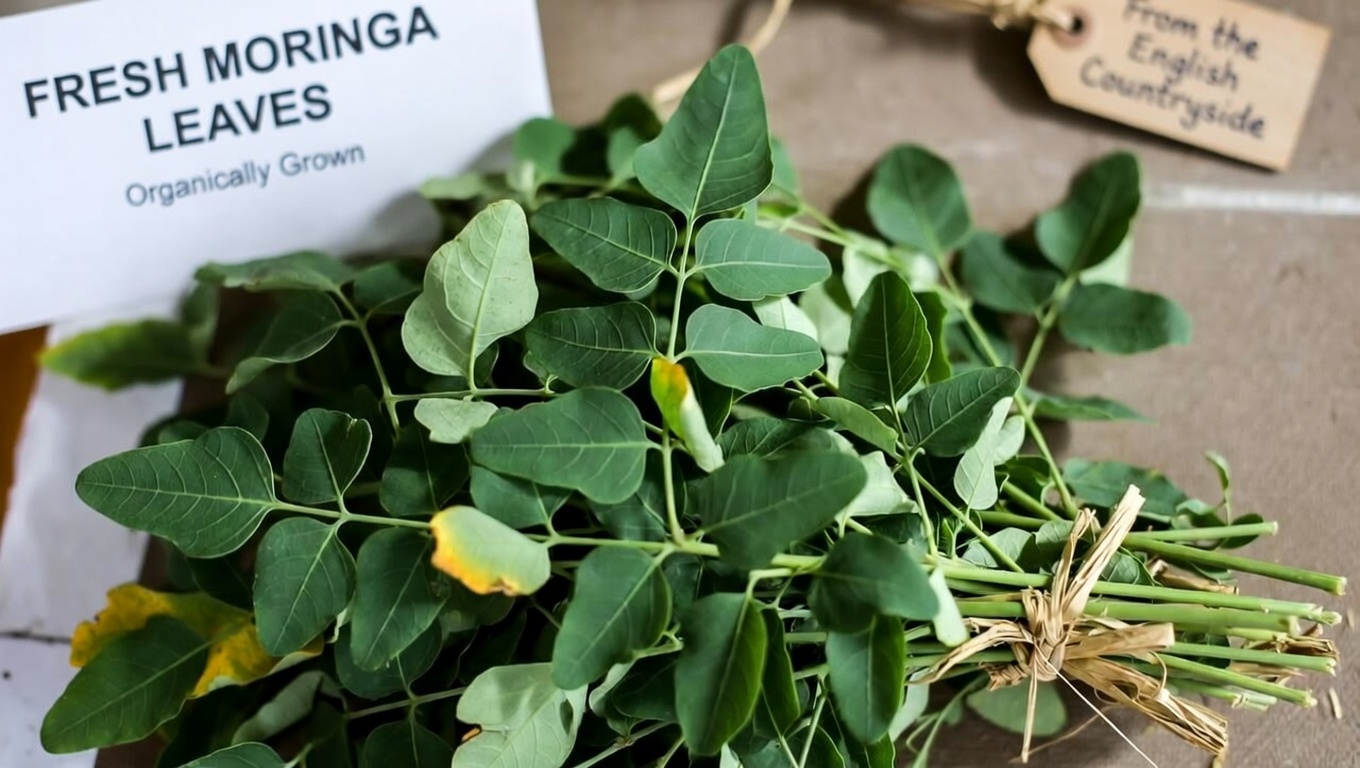
If you want to try Moringa, the best approach is to start simply and use it as a food rather than relying on high-dose supplements.
Practical tips for getting started
-
Buy from trusted sources
- Choose organic dried leaf powder or dried leaves from reputable brands to reduce the risk of contamination
-
Begin with a small amount
- Start with 1/2 to 1 teaspoon per day and see how your body responds
-
Easy ways to use Moringa
- Blend it into a smoothie with banana, spinach, and yogurt
- Sprinkle it over soups, salads, or oatmeal
- Make Moringa tea by steeping 1 teaspoon of dried leaves in hot water for 5 to 10 minutes
-
Pair it with vitamin C-rich foods
- Adding lemon or other vitamin C sources may help improve iron absorption
-
Pay attention to how you feel
- Over a few weeks, notice any changes in digestion, energy, or general well-being
The goal is not to take large amounts. Regular, moderate use as part of a balanced diet is more sensible than treating it as a quick fix or medical substitute.
Safety, Side Effects, and Important Precautions
For most adults, Moringa leaves are generally considered safe when consumed in moderate food amounts. However, some people may notice mild digestive discomfort when first introducing it.
Use extra caution if you:
- Are pregnant or breastfeeding
- Take medications for thyroid conditions or diabetes
- Have an existing medical condition that requires regular treatment
Because Moringa may interact with certain medications, it is best to speak with a healthcare professional before using it regularly, especially in concentrated forms.
Final Thoughts: A Simple Addition to a Healthy Lifestyle
Moringa oleifera leaves offer a convenient, nutrient-rich food with a long history of traditional use and growing scientific interest. Their antioxidant, anti-inflammatory, and bioactive compounds make them a promising subject in wellness research, including studies related to cancer risk reduction.
Even so, Moringa is not a cure and should not be seen as a guaranteed preventive measure. Its real value lies in supporting the body as part of a broader healthy lifestyle that includes:
- A diet centered on whole foods
- Regular medical check-ups
- Balanced daily habits
- Attention to long-term health choices
That is where meaningful prevention truly begins.
FAQ
Which part of the Moringa plant offers the most health benefits?
The leaves are generally considered the most nutrient-dense part of the plant. They contain high levels of vitamins, antioxidants, and the bioactive compounds most often studied in research.
How much Moringa powder should I take each day?
A common starting range is 1 to 2 teaspoons of dried leaf powder per day, or roughly 2 to 6 grams. It is best to start with a smaller amount and increase only if well tolerated, ideally with medical guidance.
Is Moringa safe for long-term use?
For most people, using Moringa in normal food amounts appears to be safe based on traditional use and early safety data. Still, it is wise to monitor your body’s response and consult a healthcare provider if you plan to use it consistently over time.