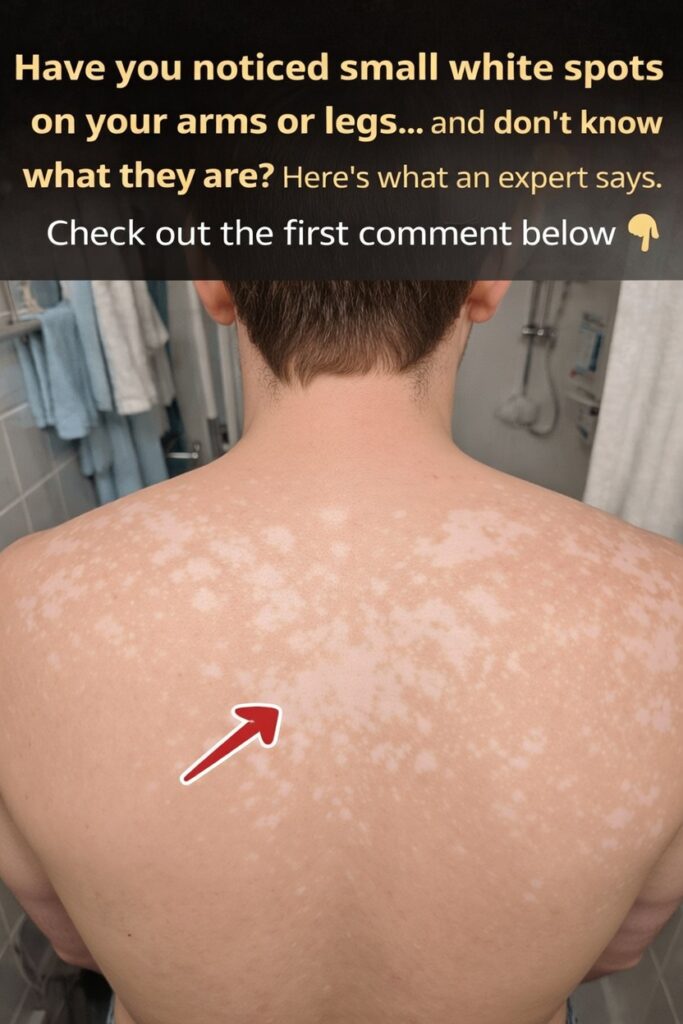
Small White Spots on the Arms and Legs: What They Usually Mean
If you have ever noticed tiny white marks on your upper arms, thighs, or shoulders that seem to stay no matter what you do, you are far from the only one. These spots often show up in clusters as flat dots or slightly rough bumps that are lighter than the surrounding skin. Because they can stand out in sleeveless tops or shorts, many people worry about how they look and wonder whether they signal a real skin problem.
In most situations, the answer is reassuring: these spots are harmless. Knowing what causes them and how to recognize the difference between common conditions can make them much less stressful—and help you decide if any treatment is even necessary.
The Most Common Explanation: Keratosis Pilaris
The leading cause of persistent white spots on the arms and legs is keratosis pilaris, often called KP.
This condition develops when keratin, a natural skin protein, collects inside hair follicles. Instead of shedding away normally, it forms a plug that blocks the follicle opening and creates a very small bump. Depending on your skin tone and whether there is any irritation around it, the area may appear white, pink, red, or flesh-colored.
An important detail many people miss is this:
These are usually not true white pigment spots. They are tiny hardened plugs in the skin that make the follicle area look lighter than normal.
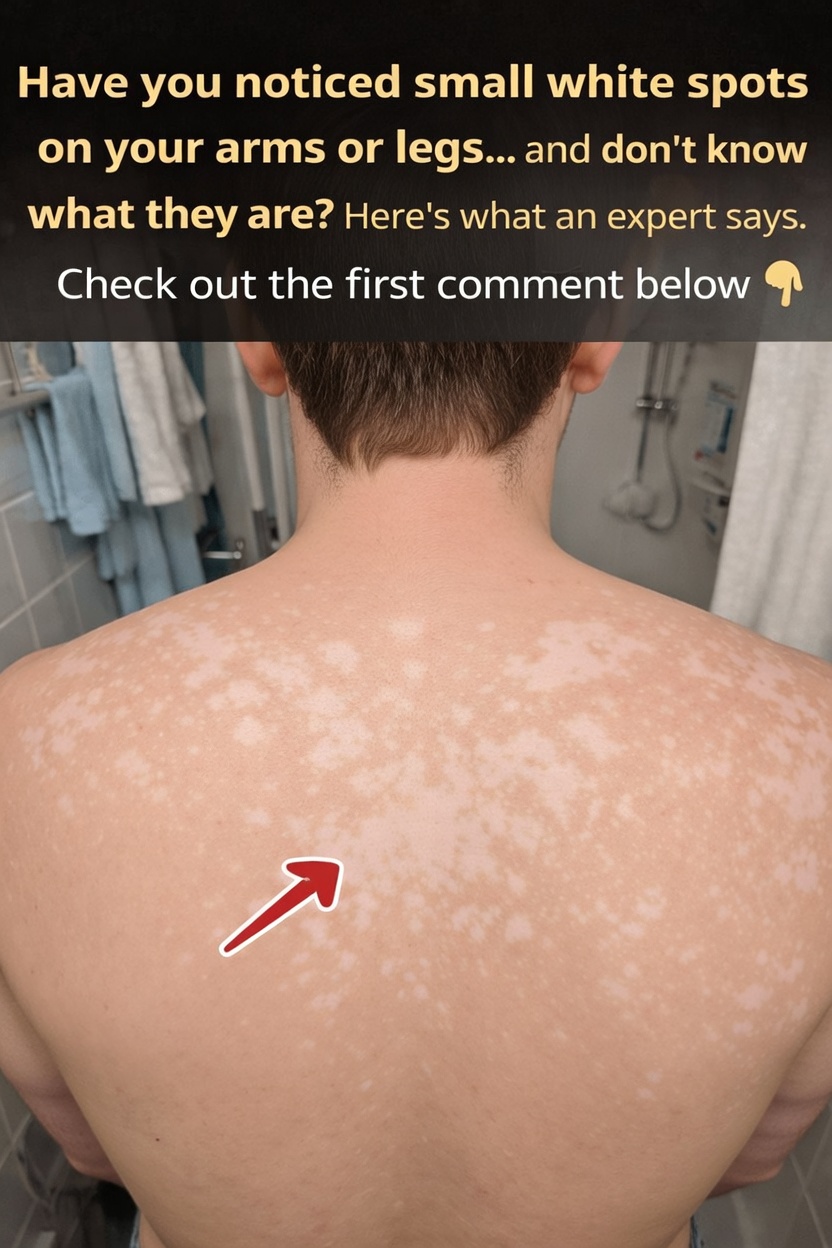
How to Recognize Keratosis Pilaris
Typical signs of keratosis pilaris include:
- Very small rough bumps with a texture similar to sandpaper
- Skin that looks like goosebumps that never fully disappear
- Common placement on the back of the upper arms, outer thighs, buttocks, and sometimes the cheeks
- Spots grouped together in patches
- Color that may be skin-toned, reddish, or pale
- Usually little to no itching, unless the skin is especially dry
- A tendency to become more visible during winter or in dry climates
Another Common Cause: Pityriasis Alba
If the white areas are fully flat rather than bumpy, pityriasis alba may be the reason.
This condition is especially common in children, teenagers, and young adults. It appears as pale round or oval patches that are slightly lighter than the nearby skin. A very fine scale may be visible on close inspection.
How It Differs From Keratosis Pilaris
Pityriasis alba usually has these features:
- Flat patches rather than raised bumps
- Mild surface scaling
- Soft, poorly defined borders instead of sharp edges
- More noticeable after sun exposure, because surrounding skin tans while the affected skin stays lighter
- Gradual fading over several months or even years
Less Common Causes of Small White Spots
Although keratosis pilaris and pityriasis alba explain most cases, several other conditions can look similar.
Idiopathic Guttate Hypomelanosis
- Tiny, smooth, flat white spots
- Usually about 2 to 5 mm wide
- Often appear after age 40
- Most common on the arms and legs
- Linked to long-term sun exposure
Tinea Versicolor
- A mild yeast-related skin condition
- Can create white, pink, or light brown patches
- Often has a slight scale
- More commonly affects the trunk and upper body
Post-Inflammatory Hypopigmentation
- Pale marks left behind after the skin heals
- Can follow eczema, insect bites, rashes, or minor injuries
Vitiligo
- Less common than the causes above
- Produces larger milk-white patches
- Borders are usually clearly defined
- Often continues to spread over time
Why These White Spots Appear
The exact reason depends on the condition, but the most frequent contributing factors are:
- Genetics: Keratosis pilaris often runs in families and is extremely common, especially in teens and young adults
- Dry skin: Cold weather, low humidity, strong cleansers, and hot showers can make bumps and pale areas more visible
- Sun exposure: Tanning darkens normal skin while lighter areas remain unchanged, increasing contrast
- Eczema or allergy-prone skin: People with atopic skin often have more noticeable keratosis pilaris
- Fungal overgrowth: This is the trigger in tinea versicolor
What You Can Do at Home
Even though these spots are usually benign, many people want to reduce their appearance. The following skin care steps are safe and commonly recommended.
1. Use a Gentler Cleansing Routine
- Choose fragrance-free, mild cleansers
- Avoid harsh bar soaps and sulfate-heavy body washes
- Wash with lukewarm water instead of very hot water
2. Moisturize Regularly
Apply a rich, fragrance-free cream or ointment within three minutes after bathing. This helps trap moisture and improve the skin barrier.
Helpful ingredients include:
- Urea (10% to 20%)
- Lactic acid (6% to 12%)
- Ammonium lactate
- Low-strength salicylic acid
- Ceramides
3. Exfoliate Gently if the Skin Feels Bumpy
- Use a soft washcloth or loofah with light pressure
- Avoid aggressive scrubbing
- Chemical exfoliants such as lactic acid or urea lotions are often more effective than rough physical scrubs
4. Protect the Skin From the Sun
- Wear broad-spectrum SPF 30+ daily
- Sun protection is especially helpful if you may have pityriasis alba or idiopathic guttate hypomelanosis
- Preventing tanning can reduce the contrast between normal skin and pale areas
5. Give It Time
- Visible improvement usually takes 6 to 12 weeks of consistent care
- In many cases, the spots gradually become much less noticeable

When to See a Dermatologist
A doctor visit is not needed for most people, but you should consider seeing a dermatologist if:
- The spots are spreading quickly
- They are bright milk-white with sharply defined edges
- You have itching, inflammation, or persistent scaling
- The appearance is bothering you enough that you want stronger treatment
- You are unsure of the cause and want a professional opinion
A dermatologist can often identify the condition with a simple exam. In some cases, they may use a Wood’s lamp or do a minor skin scraping to confirm the diagnosis.
Quick Comparison of Common White Spot Conditions
| Condition | Appearance | Texture | Typical Location | Common Age Group | Does It Fade on Its Own? |
|---|---|---|---|---|---|
| Keratosis pilaris | Small pale, red, or flesh-colored dots | Rough, sandpaper-like | Upper arms, thighs | Teens and adults | Often improves with age |
| Pityriasis alba | Round or oval light patches | Slightly scaly | Face, arms, neck | Children and teens | Yes, but slowly |
| Idiopathic guttate hypomelanosis | Tiny pure white flat spots | Smooth | Arms, legs, back | Over 40 | Usually permanent |
| Tinea versicolor | White, pink, or brown patches | Fine scale | Trunk, upper arms | Teens and adults | Yes, with treatment |
| Vitiligo | Larger milk-white patches | Smooth | Anywhere | Any age | No |
Final Thoughts
Small white spots on the arms and legs are usually nothing dangerous. Most often, they are caused by keratosis pilaris or pityriasis alba, both of which are common and generally improve with gentle skin care, regular moisturizing, and sun protection.
For many people, the biggest comfort comes from understanding that these marks are not harmful and that countless others have the same issue. If the spots are changing, spreading, or simply making you uneasy, a quick dermatology appointment can provide clear answers and peace of mind.