Smoother Skin in Weeks? The Gentle, Evidence-Based Method That Helps Renew Your Complexion
Picture this: you finish your morning routine, glance in the mirror, and notice tiny, firm white bumps around your eyes or on your cheeks that simply won’t go away—even with regular cleansing. For many people over 30, these “little pearls” create uneven texture, disrupt makeup, and quietly chip away at confidence in photos or close-ups. It gets even more discouraging when common fixes only leave skin irritated, dry, or worse.
What if a few gentle, science-backed habits could support your skin’s natural renewal and reveal a more even-looking tone? Read to the end—you’ll find one simple daily change that can make a real difference over time.
The Common Misunderstanding: Why These Bumps Aren’t Acne (and Why That Matters)
As we move beyond our 30s, skin behavior shifts in subtle ways. Small white bumps can appear unexpectedly and stick around despite careful cleansing. The most frustrating part? They don’t “pop” like typical pimples.
That’s because they usually aren’t acne. In many cases, they are milia—tiny cysts filled with keratin trapped beneath the skin’s surface. They are not the same as pores clogged by oil and bacteria. When you treat milia like acne—scrubbing harder, using harsh spot treatments, or picking—you can trigger redness, irritation, and even scarring.
Dermatologists emphasize this distinction for a reason: the right approach protects your skin barrier and improves texture more safely.
What Milia Are: Causes, Types, and Why They Show Up on the Face
Milia form when keratin (a natural protein in the skin) becomes trapped instead of shedding normally with dead skin cells. They generally fall into two categories:
- Primary milia: appear naturally without a clear trigger
- Secondary milia: develop after skin stress or damage (such as trauma, sun exposure, or heavy products)
Common contributors include:
- Thick, occlusive creams that can feel like they “smother” the skin
- Long-term sun exposure that affects normal skin turnover
- Minor skin injuries or irritation
Milia aren’t contagious and typically aren’t dangerous, but they often show up in delicate areas—especially around the eyes and cheeks, where skin is thinner.
Why Viral “Miracle” Remedies Can Make Things Worse
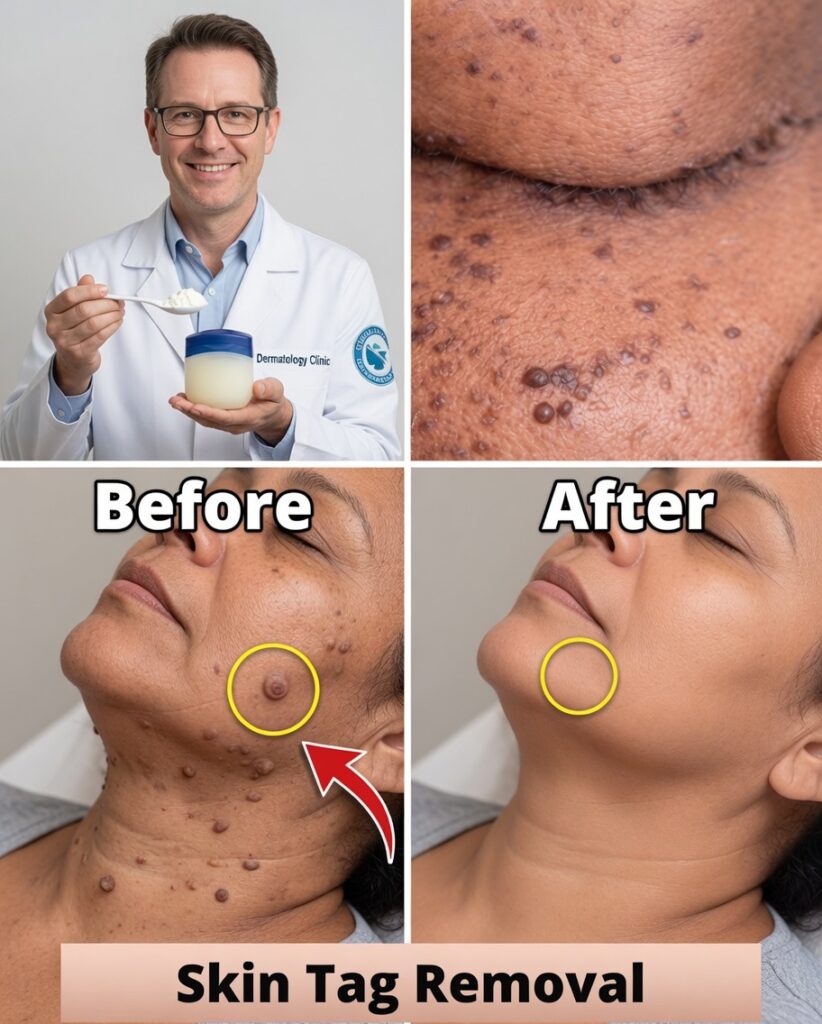
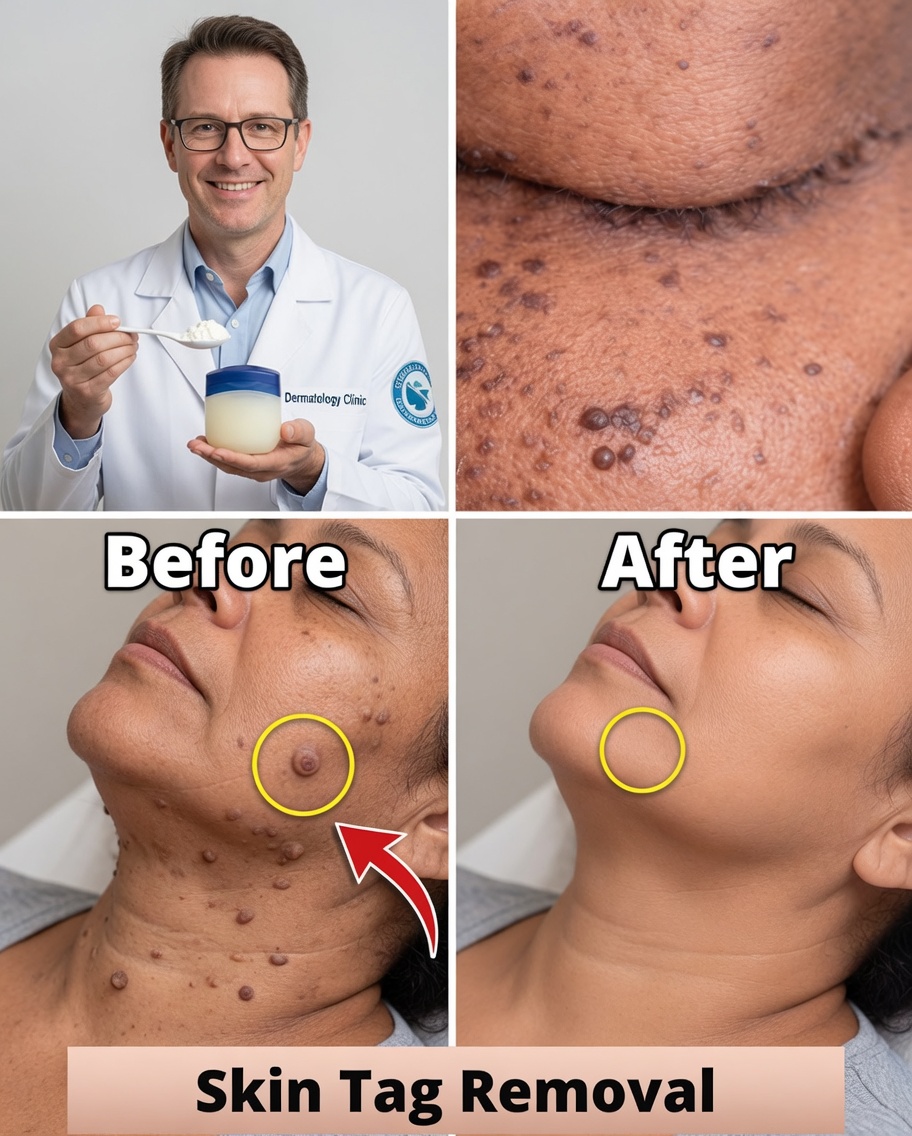
Trendy social-media mixtures may promise quick results, but they can do more harm than good. Heavy occlusives like petroleum jelly can create a seal that may trap keratin further. Meanwhile, harsh physical scrubs (such as baking soda or coffee grounds) can disrupt the skin’s pH and damage the barrier—leading to dryness, sensitivity, and inflammation.
Even “natural” ingredients like honey or ginger don’t have strong evidence for removing milia and may irritate sensitive skin, especially near the eye area.
The Safer Foundation: Gentle Habits That Actually Help
A more effective strategy is to support the skin’s natural renewal—without aggression. Consider these dermatologist-aligned habits:
- Use a mild retinol or gentle retinoid at night (as tolerated)
- Add gentle chemical exfoliants (AHA/BHA) a few times per week
- Choose lightweight, non-comedogenic moisturizers instead of very heavy creams
- Apply broad-spectrum sunscreen daily to protect and prevent recurrence
Results aren’t instant, but with consistency, many people see smoother-looking skin over time.
A Real Example: Emma’s Progress
Emma, 58, struggled with milia around her eyes for years. After trying multiple approaches without lasting success, she switched to a routine built on a gentle retinol and mild exfoliation. After eight weeks of consistency, her skin looked noticeably smoother and brighter.
A Simple Routine to Improve Skin Texture
If you want a straightforward plan, start here:
- Use warm compresses to help soften the surface of the skin
- Keep products lightweight and non-irritating
- Maintain balanced hydration (enough moisture, not heavy occlusion)
- Do not squeeze or pick the bumps
Small changes, repeated consistently, often deliver the biggest improvements.
When to See a Dermatologist
If milia persist or spread, a dermatologist can remove them safely using sterile techniques. Professional extraction is typically quick, effective, and low risk—especially for the delicate eye area where DIY attempts can backfire.
The Key Takeaway: Patience and Consistency Win
Milia often improve with calm, steady care. Avoiding irritation and giving your skin time to normalize its turnover cycle is essential.
Here’s the practical summary:
- Harsh DIY mixtures: low payoff, high risk
- Gentle skincare habits: safer and effective over time
- Professional treatment: fast, targeted, and reliable
A Simple Plan to Start Today
Swap your heavy moisturizer for a lighter, non-comedogenic option and monitor how your skin responds over the next few weeks. Consistent small steps lead to real, visible change.
P.S. The honest truth? Patience paired with the right routine beats quick fixes almost every time.
FAQ
-
Can I remove milia at home?
It’s not recommended. At-home extraction can cause irritation, infection, or scarring—especially around the eyes. -
How long do milia last?
They may resolve in weeks or linger for months, depending on your skin and routine consistency. -
Is retinol safe?
Yes, when used correctly (starting slowly, using sunscreen, and adjusting for sensitivity). If you’re unsure, consult a dermatologist.