Stroke Warning Signs During Sleep You Should Never Ignore
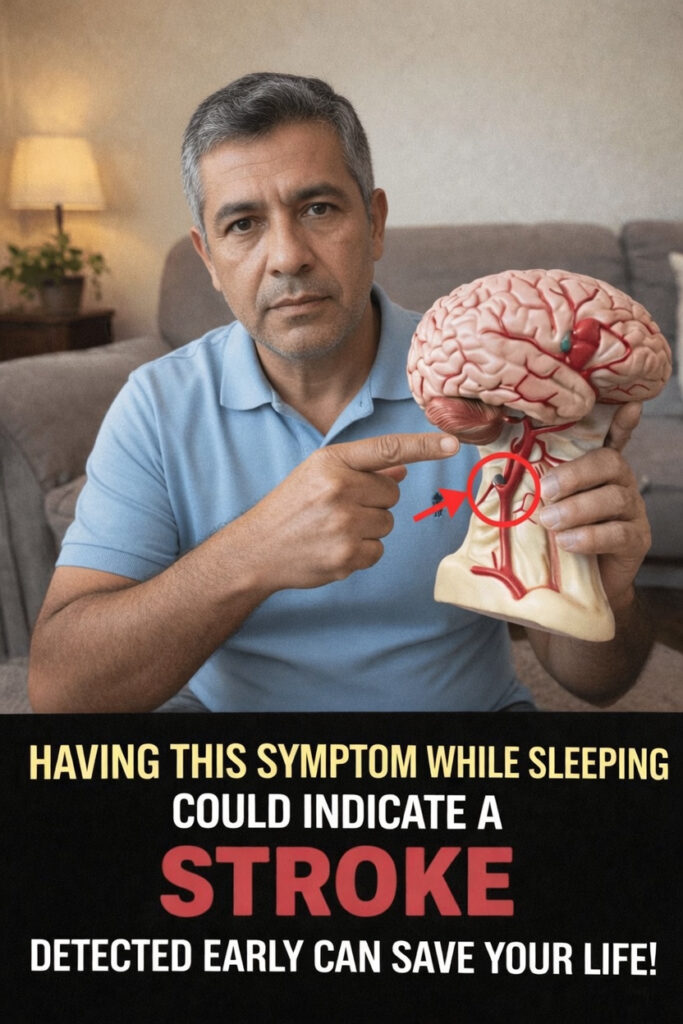
Many people assume a stroke happens without warning and cannot be prevented. In reality, that is not always true. The body can sometimes show early signals before a stroke occurs, and recognizing them in time may help you respond quickly and protect your health. One of the most overlooked situations is when these warning signs appear during sleep.
Sleep-Related Stroke Symptoms to Watch For
Have you ever suddenly awakened at night with an odd sensation, such as numbness in one part of your body? Or have you gotten out of bed in the morning feeling weaker, less coordinated, or not quite normal? These symptoms should never be dismissed.
Medical experts caution that unusual sensations during sleep or immediately after waking may point to an increased risk of stroke. Because these signs can be subtle, many people ignore them until the condition becomes severe.
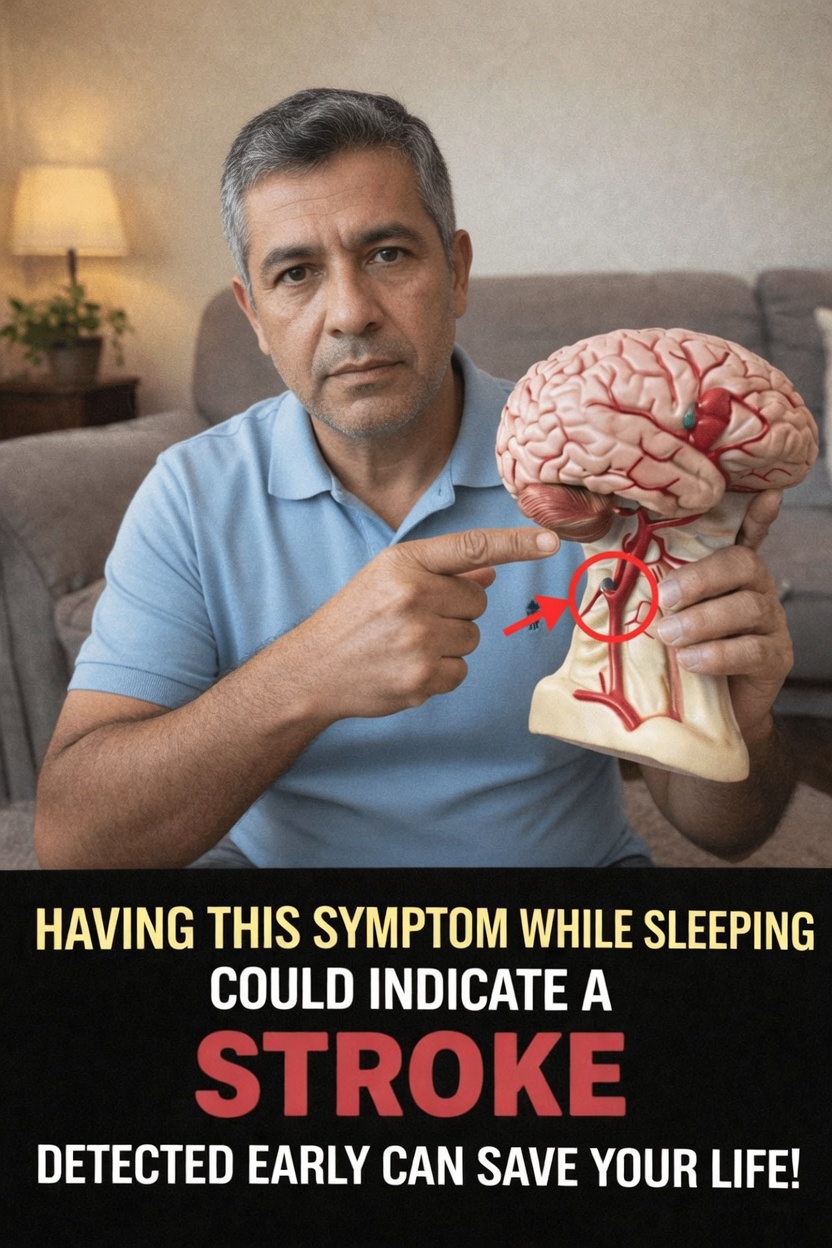
A stroke occurs when the brain is deprived of oxygen because a blood vessel is blocked or bursts. Before this happens, the body may send mild but important warning signals. If those signs go unnoticed, the outcome can be dangerous and even life-threatening.
Key Warning Signs Before or During Sleep
Some symptoms that may suggest an impending stroke include:
-
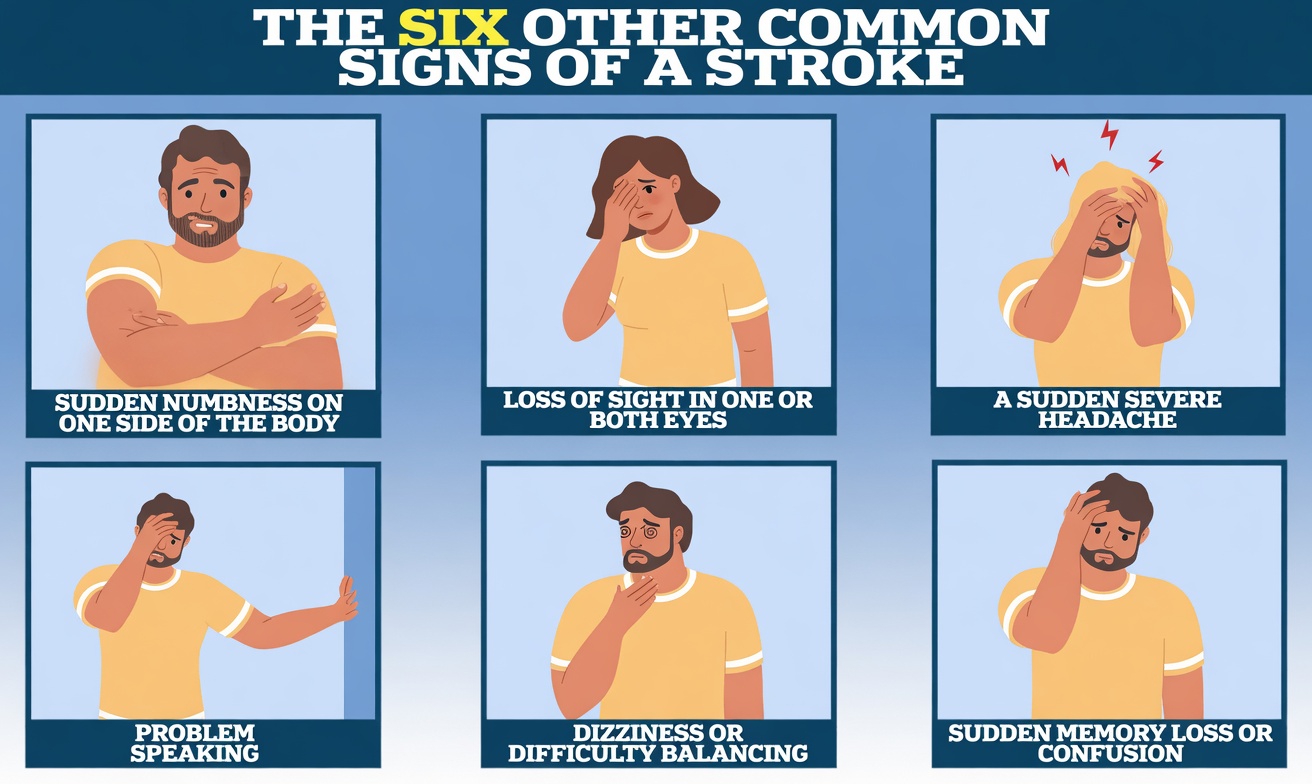
Numbness or weakness on one side of the body
You may notice that one arm, one leg, or one side of your body feels weak, heavy, or difficult to move. -
A sudden, severe headache
A powerful headache that appears unexpectedly, especially upon waking, can be a serious warning sign. -
Difficulty speaking or slurred speech
If your speech becomes unclear, or you struggle to form words even though you are awake and conscious, seek help immediately.
Why Can a Stroke Happen During Sleep?
Sleep is when the body restores energy, but the brain remains active and continues to regulate vital functions. If a blood vessel in the brain becomes blocked or ruptures while you are asleep, a stroke can occur without you noticing it right away. In many cases, a person only realizes something is wrong after waking up.
Research suggests that the risk of stroke during sleep is higher in people with certain underlying conditions, such as:
- High blood pressure
- Diabetes
- A family history of heart disease
Lifestyle factors can also raise the likelihood of a nighttime stroke, including:
- Poor nutrition
- Physical inactivity
- Long-term stress
How to Recognize the Signs and Respond Fast
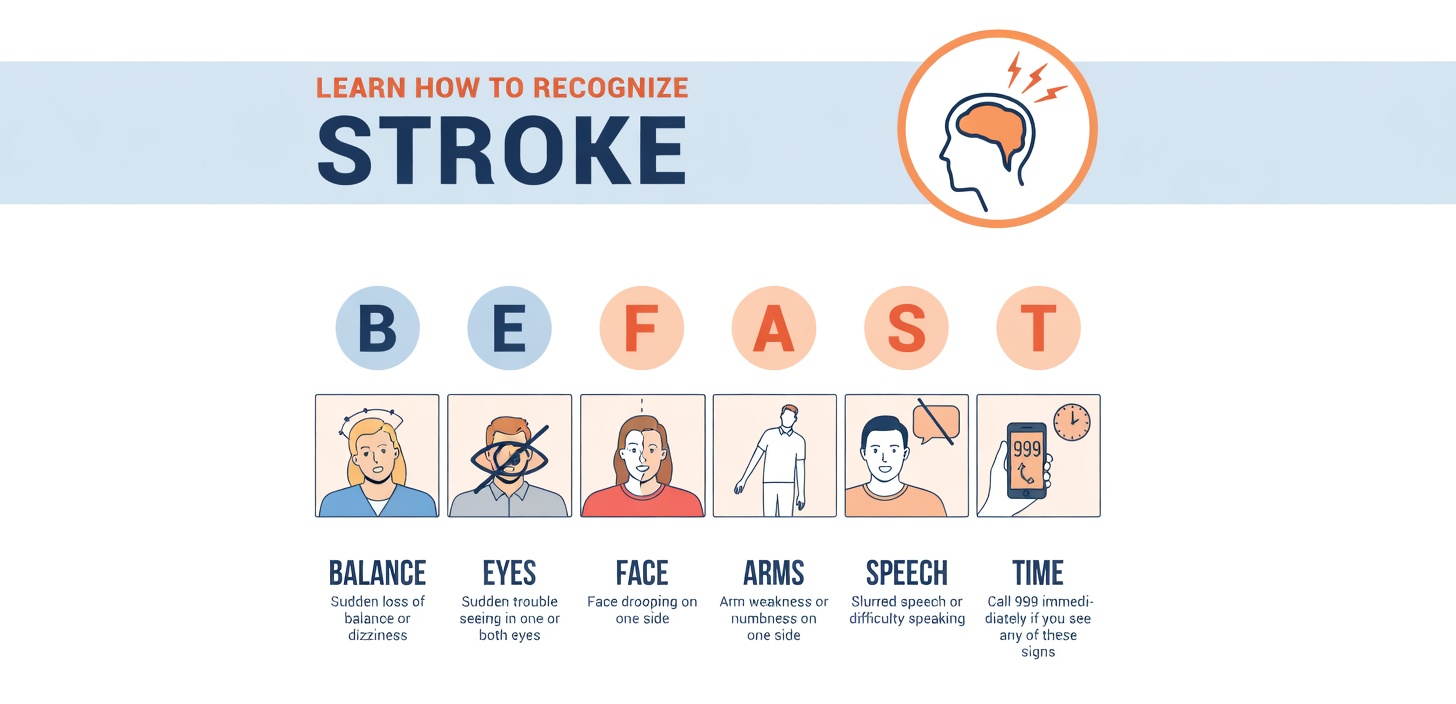
Identifying stroke symptoms early can make a major difference. If you notice anything unusual, act quickly.
What you should do
-
Listen to your body
Do not ignore strange symptoms after waking up, even if they seem mild. -
Check your blood pressure regularly
High blood pressure remains the top risk factor for stroke, so monitoring it is essential. -
Get medical attention immediately
If you experience weakness, numbness, or trouble speaking, seek emergency care without delay.
Stroke Warning Signs During Sleep: Quick Comparison
| Symptom | Description | What to Do |
|---|---|---|
| Body numbness | One area of the body feels weak or numb | Stop what you are doing and go to the hospital immediately |
| Severe headache | Sudden, intense head pain, especially after waking | Drink water, but if the pain continues, see a doctor right away |
| Speech difficulty | Slurred, unclear, or hard-to-produce speech | Call emergency services immediately |
Conclusion
A stroke is not always a completely unpredictable event. In some situations, the body provides warning signals before the emergency occurs. Paying attention to these symptoms and taking fast action can save your life and reduce the risk of lasting damage. Never ignore what your body may be trying to tell you.
Frequently Asked Questions
How can I lower my risk of having a stroke during sleep?
Focus on a healthy lifestyle by eating a balanced diet, staying physically active, and keeping your blood pressure under control.
Can a stroke be noticed before it fully happens?
Yes. Signs such as numbness, a sudden severe headache, or difficulty speaking may appear in advance and give you a chance to seek urgent care.
Should I visit a doctor if I notice possible stroke symptoms?
Yes, absolutely. If you experience any warning signs, seeing a doctor right away is the safest and most important step.