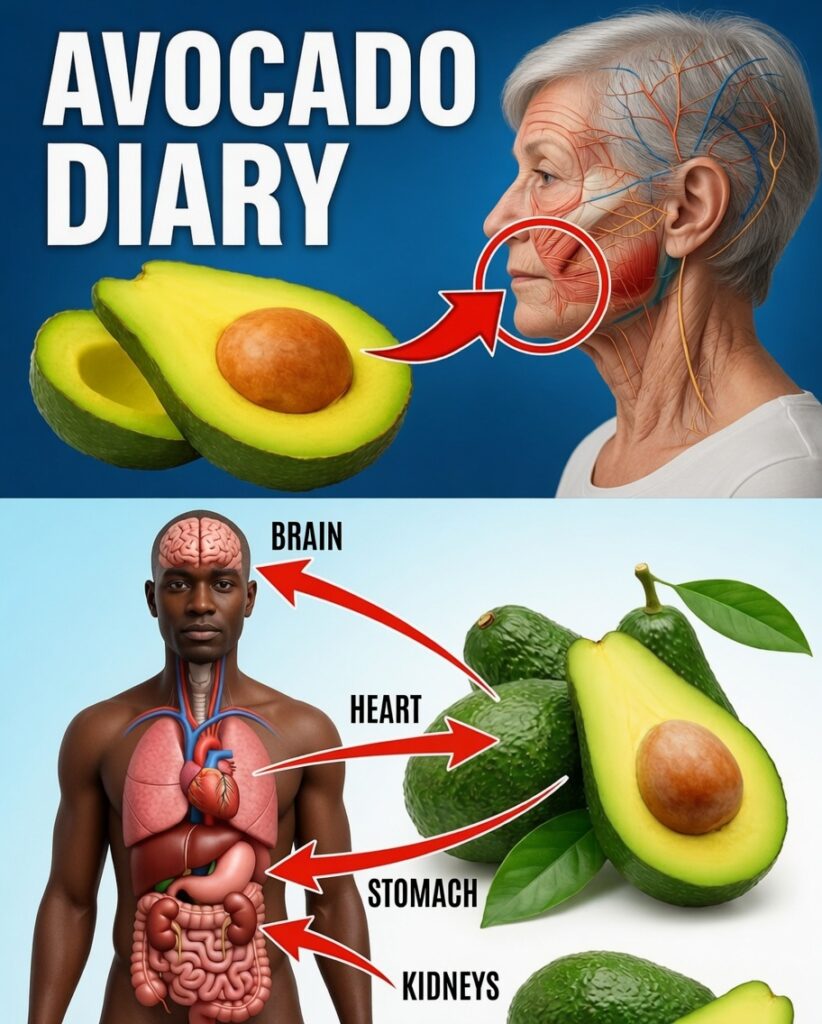
Eat Avocado the Right Way for 7 Days: More Energy, Better Digestion, Healthier-Looking Skin
Avocado has become a standout in the healthy eating world. Once seen as an exotic fruit, it’s now a daily staple—spread on toast, blended into smoothies, tossed into salads, and even used in desserts. But here’s the key question: are most people actually eating avocado in the best way?
Even though avocado is packed with nutrients and widely praised for its health benefits, there are important details many people miss. When eaten carelessly, it can lead to excess calorie intake, trigger digestive discomfort, or even interact with certain medications. On the other hand, when you use it wisely, avocado can be a powerful ally for heart health, gut function, and even skin appearance.
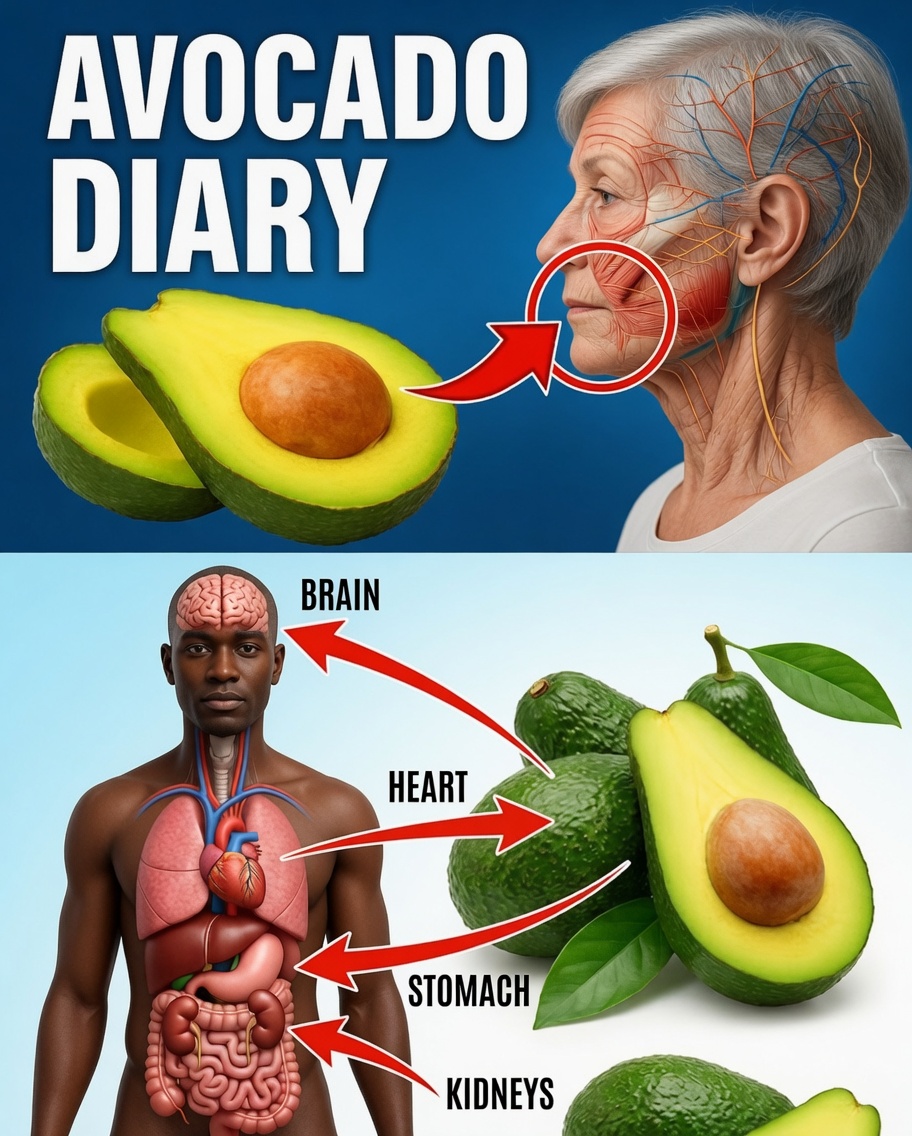
Below are 9 essential avocado facts that may completely change how you include this popular fruit in your diet.
1. Nutrient-Dense—But Also Calorie-Dense
Avocado earns its “superfood” reputation thanks to its impressive nutrition profile. A medium avocado typically provides:
- About 240 calories
- Around 21 g of healthy fats
- Roughly 10 g of fiber
- Good amounts of potassium, folate, and vitamins C, E, and K
These nutrients support cardiovascular function, digestion, and cellular protection. However, because avocado is relatively high in calories, a practical daily portion is about half an avocado, especially if weight management is a goal.
- Smart swap: Use mashed avocado instead of butter or mayonnaise on sandwiches and toast.
2. Avocado Fat Is Different (In a Good Way)
Most of the fat in avocado comes from oleic acid, a heart-friendly monounsaturated fat also found in olive oil. This type of fat may:
- Help reduce inflammation
- Support healthier cholesterol balance
- Contribute to heart protection
Still, “healthy fat” can add up quickly—so portion awareness remains important.
3. It Can Support Balanced Blood Sugar
Avocado is naturally low in carbs and rich in fiber and healthy fats, which helps slow digestion and may reduce sharp blood sugar spikes.
That benefit can shrink if you pair avocado with high-sugar ingredients (like syrups, sweetened juices, or sugary toppings).
- Better smoothie idea: Blend avocado with leafy greens, unsweetened plant milk, and a protein source.
4. It Contains More Potassium Than a Banana
Bananas get most of the attention for potassium, but avocado is also an excellent source. Potassium is vital for:
-
Supporting healthy blood pressure
-
Keeping muscles and nerves working properly
-
Helping reduce cramp risk
-
Important note: People with kidney disease or potassium restrictions should be cautious and consult a clinician.
5. Not Everyone Should Eat It “Freely”
Avocado is safe for most people, but certain situations call for extra care:
- Latex allergy: Some individuals may experience cross-reactivity with avocado.
- Blood thinners (anticoagulants): Avocado contains vitamin K, which may matter for some medications.
- Sensitive digestion: Large amounts may cause bloating or discomfort in some people.
If symptoms appear, reducing the portion is often enough to help.
6. Ripeness Changes Everything
An underripe avocado is firm and bland. An overripe one can taste off, feel mushy, or spoil quickly.
How to tell it’s ready:
-
Gently press the skin
-
If it gives slightly, it’s ready to eat
-
Storage tip: After cutting, add a few drops of lemon juice and seal it in an airtight container to slow browning.
7. Avocado Can Support Skin and Hair Care
Avocado isn’t just food—it’s also widely used in natural beauty routines. The flesh and oil are rich in vitamin E and moisturizing fatty acids.
Common uses include:
- A face mask made with avocado + honey + yogurt
- Hair conditioning with avocado oil
- A soothing option for dry, rough skin
Many people report softer skin and shinier hair with consistent use.
8. It Promotes Gut Health
One avocado can deliver a substantial share of your daily fiber needs. Fiber helps feed beneficial gut bacteria and may:
-
Improve digestion regularity
-
Support the immune system
-
Help reduce inflammation
-
Easy upgrade: Add diced avocado to salads, wraps, or grain bowls to boost fiber intake.
9. Sustainability and Farming Practices Matter
Avocado’s rising popularity has raised environmental concerns—especially about water use and agricultural expansion.
To make more mindful choices:
- Choose organic or certified options when possible
- Buy from local producers if available
- Rotate your fats by including nuts, seeds, and olive oil in your diet
Conclusion
Avocado is far more than a trend. It delivers a powerful mix of nutrients that can benefit the heart, gut, skin, and metabolism. The real secret, as with any nutrient-rich food, is balance and intentional portions.
By understanding these nine key points, you can enjoy the benefits of avocado while avoiding common mistakes—small daily choices that can make a meaningful difference over time.
Disclaimer: This content is for informational purposes only and does not replace professional medical or nutritional advice. Always consult a qualified professional before making significant dietary changes.