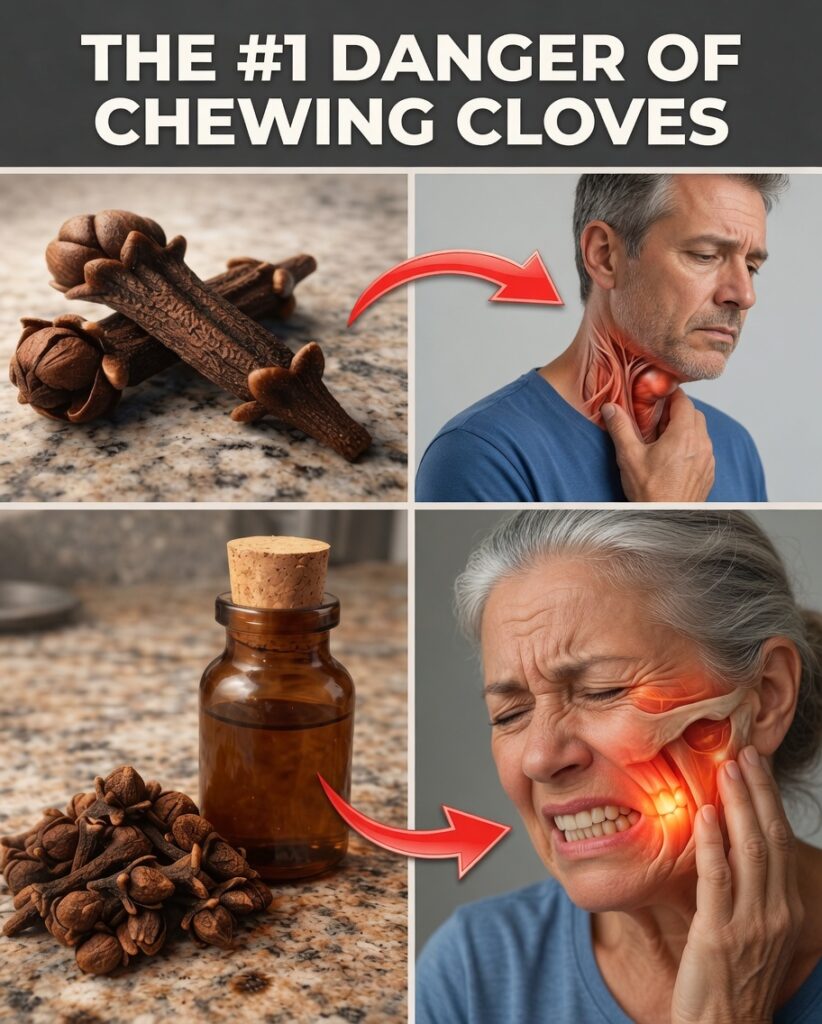
Chew Cloves for 7 Days and See How Your Digestion Can Improve Naturally
Have you tried chewing cloves to support digestion or freshen your breath, only to notice little benefit—or even some irritation? The issue may not be the clove itself, but how you’re using it. A small adjustment can be the difference between feeling better and feeling uncomfortable.
Clove (Syzygium aromaticum) contains eugenol, a compound widely recognized in traditional wellness practices for supporting digestion, relaxation, and antioxidant protection. However, these potential benefits are more likely to show up when cloves are used properly. Many people make simple mistakes that can reduce results or trigger unwanted effects.
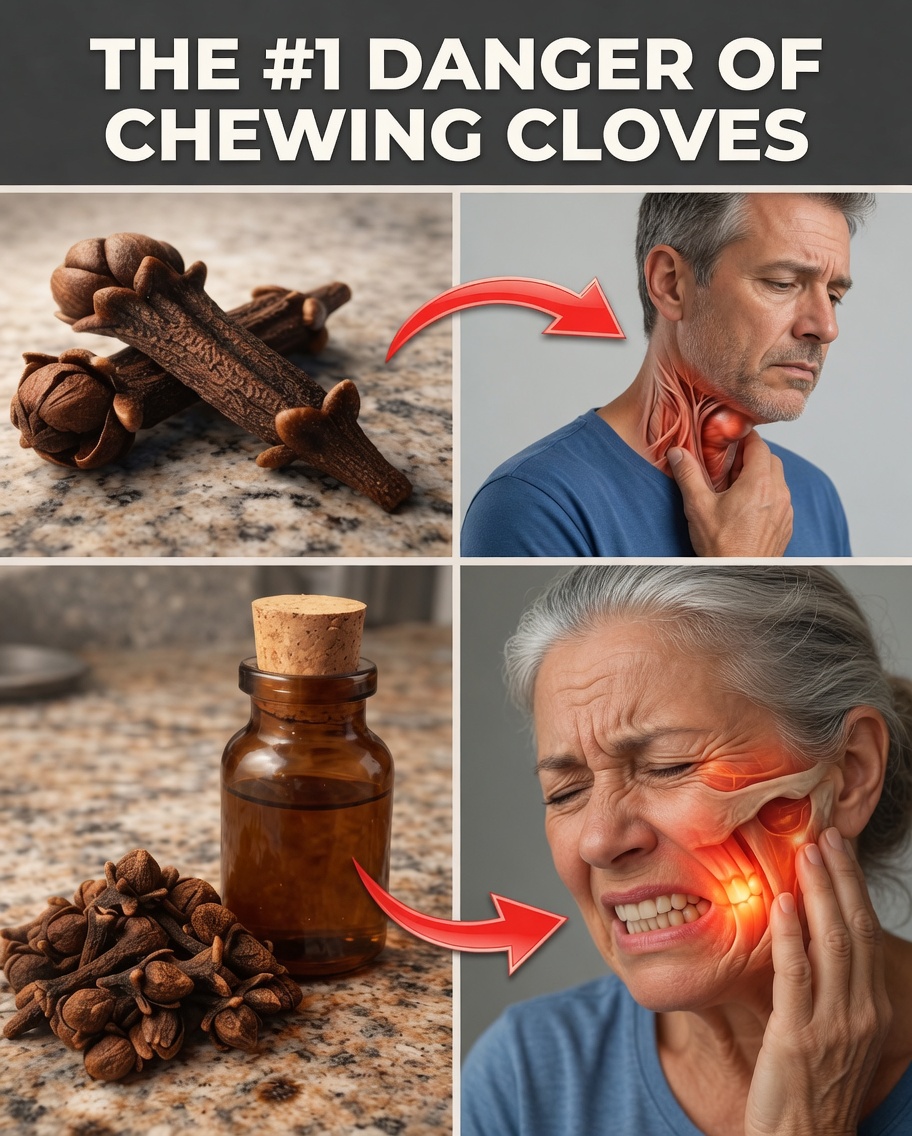
8 Common Mistakes When Chewing Cloves (and How to Fix Them)
1) Chewing cloves dry without softening them first
Cloves are hard and highly concentrated. Chewing them straight can irritate the gums and may be harsh on tooth enamel.
- Fix: Soak 1–2 cloves in water for 30 minutes, then chew slowly for at least 5 minutes.
2) Expecting instant, dramatic results
Clove use tends to be subtle and cumulative. It’s not an “instant cure.”
- Fix: Use it consistently and look for small improvements over time.
3) Using cloves alongside certain medications
Eugenol may interact with blood thinners or blood pressure medications for some people.
- Important: If you take medication regularly, check with a healthcare professional before using cloves routinely.
4) Taking cloves soon after surgery or dental procedures
Because of possible effects related to bleeding, cloves may not be ideal right after a procedure.
- Fix: Wait at least 7 days after surgeries or invasive procedures before using them.
5) Overdoing the amount
More cloves do not equal better results. Too much can lead to nausea and may put extra strain on the body.
- Safer guideline: 1–2 cloves per day.
6) Ignoring liver health
The liver helps process many natural compounds, including those found in cloves.
- Caution: If you have liver conditions, avoid routine use or follow professional guidance.
7) Using cloves with kidney problems
The kidneys also play a role in clearing substances from the body.
- Caution: With kidney disease, it’s generally best to avoid clove use unless advised by a clinician.
8) Not considering gentler alternatives
Chewing is not the only method—and it isn’t always the mildest option.
- Fix: Try clove tea (infusion) for similar benefits with less irritation to teeth and gums.
How to Use Cloves Safely
- Choose high-quality whole cloves
- Soak 1–2 cloves in water for 30 minutes
- Chew slowly or use them as an infusion
- Use once per day
- Pay attention to how your body responds (comfort, digestion, sensitivity)
A Gentler Option (Recommended): Clove Infusion
For many beginners, a clove infusion is the easiest and most comfortable way to start.
- Boil 300 ml of water
- Add 1–2 softened cloves
- Steep for 10 minutes, then let it rest for 5 more minutes
- Sip slowly
This approach is typically kinder to gums and teeth while still offering digestive-friendly support.
30-Day Challenge (Simple Routine)
- Week 1: 1 cup per day
- Week 2: Up to 2 cups per day if you feel comfortable
- Weeks 3–4: Maintain or adjust based on your needs
As you go, look for signs such as lighter digestion, less bloating, and a calmer overall feeling.
Conclusion
Cloves can be a valuable natural ally—when used with awareness and moderation. By making small changes in how you prepare and consume them, you can reduce risks and improve the chance of noticeable benefits. Start gently, stay consistent, and let your body guide the pace.
Frequently Asked Questions
How many cloves can I consume per day?
A conservative and safer amount is 1–2 softened cloves daily.
Can I use cloves if I take medication?
Talk to your doctor first, especially if you use anticoagulants (blood thinners) or blood pressure medication.
What’s the easiest method for beginners?
A clove infusion is usually the simplest: effective, easy to prepare, and gentler on the body.
Medical Disclaimer
This content is for informational purposes only and does not replace medical advice. Consult a healthcare professional before starting any new practice, especially if you have pre-existing conditions or take medications.