What Is the Small Hole in Your Bathroom Sink?
If you look closely at most bathroom sinks, you’ll notice a small hole near the faucet area. At first glance, it might seem like a random or unnecessary detail, but it actually serves an important purpose in the sink’s design.
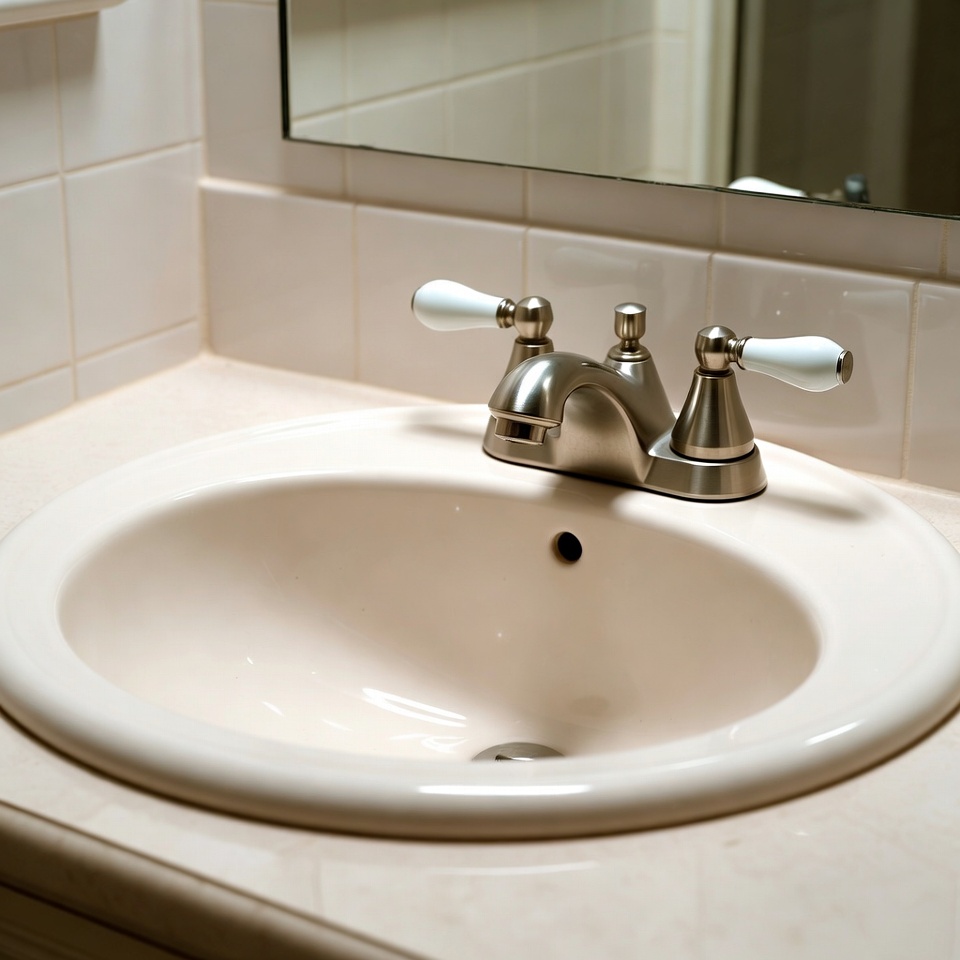
This opening, usually positioned about one-third of the way down from the rim of the basin, is called an overflow hole. It’s a simple yet smart feature that reflects careful planning by the sink’s designer, anticipating everyday accidents and potential water mishaps.
What Does the Overflow Hole Do?
The overflow hole is connected directly to the sink’s drain system. Its main job is to prevent water from spilling over the edge of the sink.
Situations where this is especially useful include:
- You leave the faucet running while waiting for the basin to fill and get distracted.
- You step away to answer a phone call or attend to something urgent.
- You mistakenly turn the faucet on too high.
When the water level rises and reaches the overflow opening (typically when the sink is about two-thirds full), excess water is diverted through this hole into the drainpipe. This helps stop the sink from overflowing and keeps water from flooding your bathroom floor.
The Downside: Odors and Buildup
Although the overflow hole is very useful, it can also cause some inconvenience. Its position makes it easy for:
- Dirt and grime to build up
- Bacteria and mold to grow
- Unpleasant odors to rise from the pipes
Because this area is not rinsed as frequently as the main basin, it can become a hidden source of bad smells in the bathroom.
If you notice a persistent odor and can’t find the cause, the overflow hole may be the culprit.
How to Clean a Smelly Overflow Hole
A simple home remedy can help remove odor-causing buildup in the overflow channel. You’ll need:
- Baking soda
- Vinegar
- Warm water
Step-by-step:
-
Prepare the mixture
Combine baking soda and vinegar. The exact ratio isn’t critical, but a few tablespoons of baking soda followed by a similar amount of vinegar works well. -
Apply to the overflow hole
Carefully pour or spoon the mixture into the small overflow opening. You’ll notice fizzing as the chemical reaction begins. -
Let it work
Allow the mixture to sit for about 5–10 minutes. During this time, it helps break down grime, loosen debris, and neutralize odors inside the overflow channel and connected pipes. -
Flush with warm water
After waiting, run warm water into the sink and aim it toward the overflow hole if possible. This rinses away loosened dirt and residue, completing the cleaning process.
Keep Your Bathroom Fresh
By understanding the role of the overflow hole and cleaning it periodically, you can:
- Prevent water damage from accidental overflows
- Reduce bad smells coming from the sink area
- Maintain a cleaner, fresher bathroom overall
That small, often-overlooked hole isn’t just a design detail—it’s a built-in safeguard and, with a little care, it helps keep your bathroom both safe and pleasant to use.