Viral Warnings About Vitamins and Stroke: What the Evidence Really Says
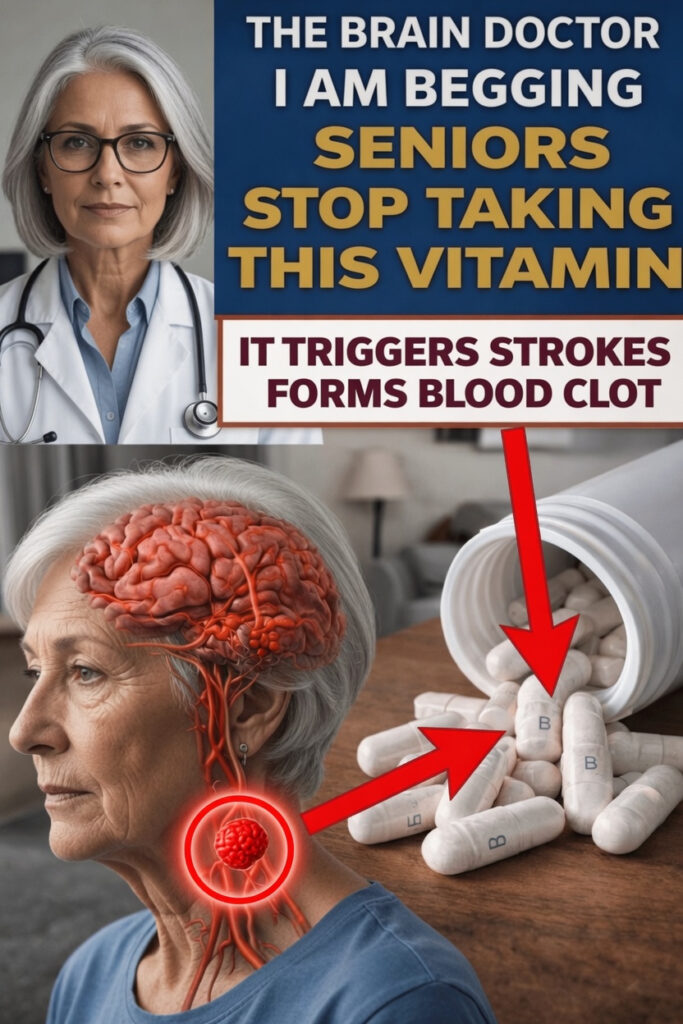
A widely shared image online features a worried doctor telling older adults to stop taking a certain vitamin because it allegedly causes strokes and leads to blood clots. Claims like this often gain traction fast on social media, but the actual science is far less dramatic. Many seniors use vitamin supplements to help support brain function, energy, and cardiovascular health, so alarming headlines can create unnecessary fear.
Could a supplement taken for nerve support or vitality pose risks in some circumstances? Researchers have spent years examining the relationship between vitamins and stroke risk, and B vitamins are among the most frequently discussed. In particular, folic acid (vitamin B9), vitamin B6, and vitamin B12 are often studied together. The findings are mixed: some studies suggest benefits, while others point to caution in certain groups. Here is a clearer look at what the research means and how to make smarter decisions about supplementation.
Why B Vitamins Are Linked to Stroke Discussions
B vitamins are essential for several important processes in the body. They help convert food into energy, support red blood cell production, and regulate homocysteine, an amino acid associated with vascular health. When homocysteine levels stay elevated over time, the risk of artery damage and stroke may increase.
Because of this, many people use B vitamin supplements to help reduce homocysteine, especially if their diet is low in foods such as leafy greens, fortified grains, eggs, dairy products, or meat. However, large clinical reviews show that the results are not one-size-fits-all.
Major research summaries generally suggest the following:
- In countries where foods are not commonly fortified with folic acid, B vitamin supplementation, often including folic acid, B6, and B12, may offer a small reduction in stroke risk.
- In regions with mandatory folic acid fortification, such as the United States and many Western nations, additional supplementation usually provides little extra benefit for stroke prevention.
- The outcome can also depend on factors such as kidney health, the type and amount of vitamin used, and whether a person is taking medications like antiplatelet drugs.
Most importantly, there is no strong scientific proof that normal B vitamin supplementation suddenly causes strokes or rapidly creates blood clots in otherwise healthy older adults. In many studies, standard use appears neutral or even somewhat protective when taken appropriately.
That said, people do not all respond the same way. Nutrient status, medical history, genetics, diet quality, and existing health conditions can all influence results. This is why broad social media warnings can be misleading, and why individual guidance from a healthcare professional is far more useful.
What Changes the Effect of B Vitamins on Vascular Health?
Several variables help explain why studies on B vitamins and stroke do not all show the same outcome.
1. Starting Folate Levels
People with low folate intake often seem to benefit more from supplementation. If someone already gets enough folate from food or fortified products, extra intake may do very little.
2. Dosage and Vitamin Form
Moderate amounts, such as around 0.4 to 0.8 mg of folic acid per day, are more often linked with favorable outcomes in populations without folic acid fortification. Very high doses or certain forms of B12, such as cyanocobalamin, may not provide the same advantage in all groups.
3. Kidney Function
Individuals with reduced kidney function may process some forms of vitamin B12 differently. In these cases, homocysteine may not improve as expected, and caution may be appropriate.

4. Other Treatments and Medications
Blood pressure medicines, antiplatelet drugs, and other vascular treatments may affect how much benefit B vitamins provide. Supplements are not used in isolation, so the bigger treatment picture matters.
5. Daily Diet and Lifestyle
Supplements tend to be most effective when paired with healthy habits. A diet rich in vegetables, fruit, whole grains, legumes, and lean proteins offers broader support than pills alone.
Common B Vitamin Supplement Situations at a Glance
Here is a practical overview of how different scenarios may affect outcomes:
- Low B vitamin intake plus no folic acid food fortification: supplementation may modestly reduce stroke risk in some analyses.
- Adequate intake through food or fortified products: extra supplements often add little measurable benefit.
- High-dose use in certain populations, especially with kidney concerns: effects may be limited or neutral.
- Use alongside healthy lifestyle habits: this offers the best support for long-term heart and brain health.
Safe, Practical Ways to Support Heart and Brain Health
Rather than starting or stopping supplements because of a frightening post online, focus on steps backed by evidence. These actions are far more helpful in the long run.
Review Your Current Diet
Track what you eat for a few days and look for natural sources of folate and other B vitamins. Good options include:
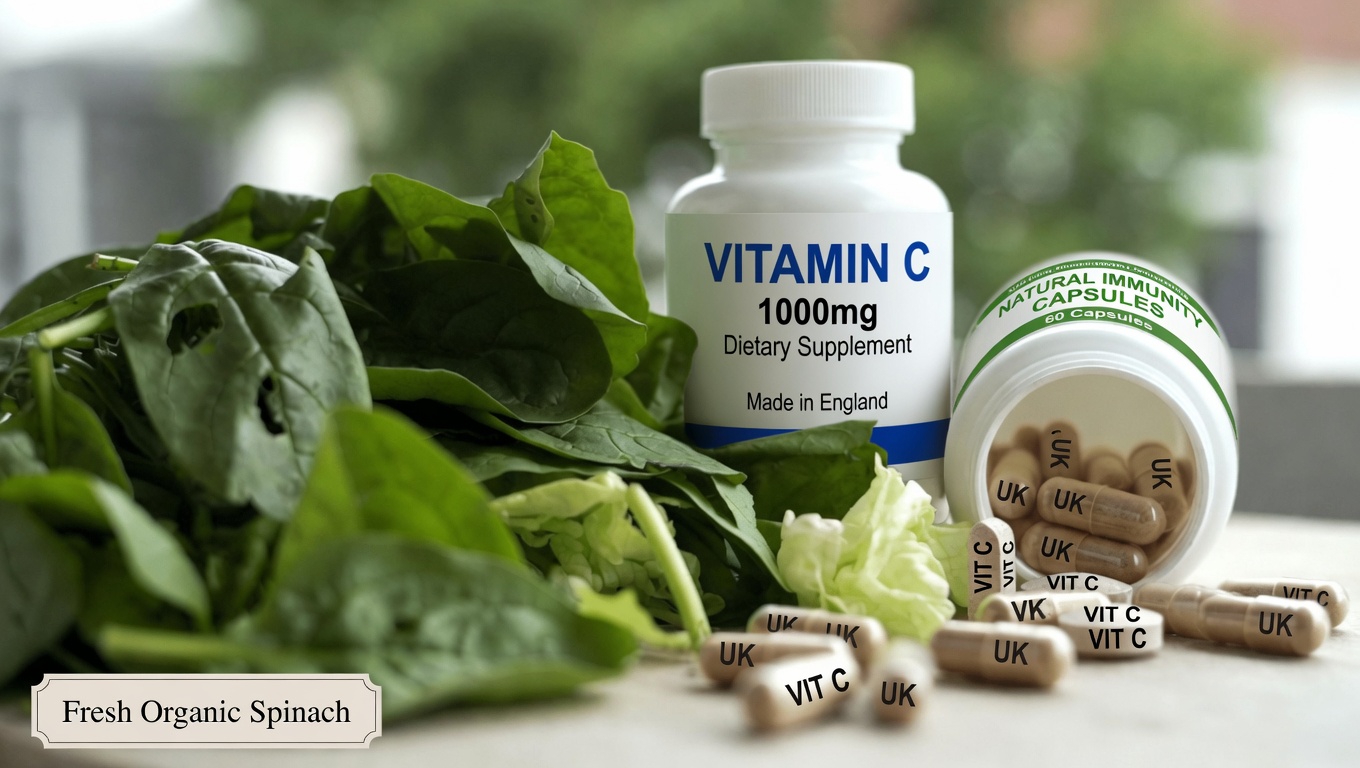
- Spinach
- Broccoli
- Lentils
- Avocados
- Fortified cereals
- Eggs
- Fish
- Poultry
- Nuts
- Beans
Speak With Your Doctor
If you are over 60 or have stroke risk factors such as high blood pressure, diabetes, or a family history of stroke, ask your healthcare provider whether testing makes sense. Blood tests for folate, vitamin B12, and sometimes homocysteine can help determine whether supplementation is actually needed.
Choose Supplements Carefully
If testing shows a deficiency or your doctor recommends support, select a moderate-dose supplement from a trusted brand. Avoid very high doses unless a medical professional specifically advises them.
Focus on Whole Foods First
Food sources provide vitamins in balanced amounts and often come with fiber, minerals, and antioxidants that support overall health. Supplements can help fill gaps, but they should not replace a nutritious eating pattern.
Manage the Bigger Stroke Risks
The strongest proven ways to lower stroke risk include:
- Controlling blood pressure
- Managing cholesterol
- Keeping blood sugar in range
- Exercising regularly
- Avoiding smoking
- Maintaining a healthy weight
These strategies have far more evidence behind them than relying on any single nutrient.
Be Careful With Dramatic Health Claims
Sensational posts often oversimplify complex research. Trusted medical organizations consistently emphasize balanced nutrition and individualized care over fear-based advice about one vitamin.
The Real Takeaway
B vitamins are essential nutrients, not hidden dangers for most people. When obtained through a healthy diet or used in moderate amounts when needed, they generally support wellness rather than harm it. The bigger issue is not avoiding one vitamin because of a viral rumor. It is building a sustainable plan that fits your body, your health status, and your doctor’s advice.
FAQ
Is daily B vitamin supplementation safe for older adults?
In many cases, yes. It may be appropriate if diet is limited or blood work shows low levels. Still, it is best to confirm with a doctor before taking supplements regularly.
Can B vitamins replace prescription treatments used to prevent stroke?
No. They may play a supportive role for some people, but they do not replace proven approaches such as blood pressure control, antiplatelet therapy, or other prescribed treatments.
What if I already take a multivitamin that contains B vitamins?
If the product provides standard amounts and your nutrient levels are normal, it is usually not a problem. If you have kidney disease, other medical conditions, or concerns about your supplement, discuss it with your healthcare provider.