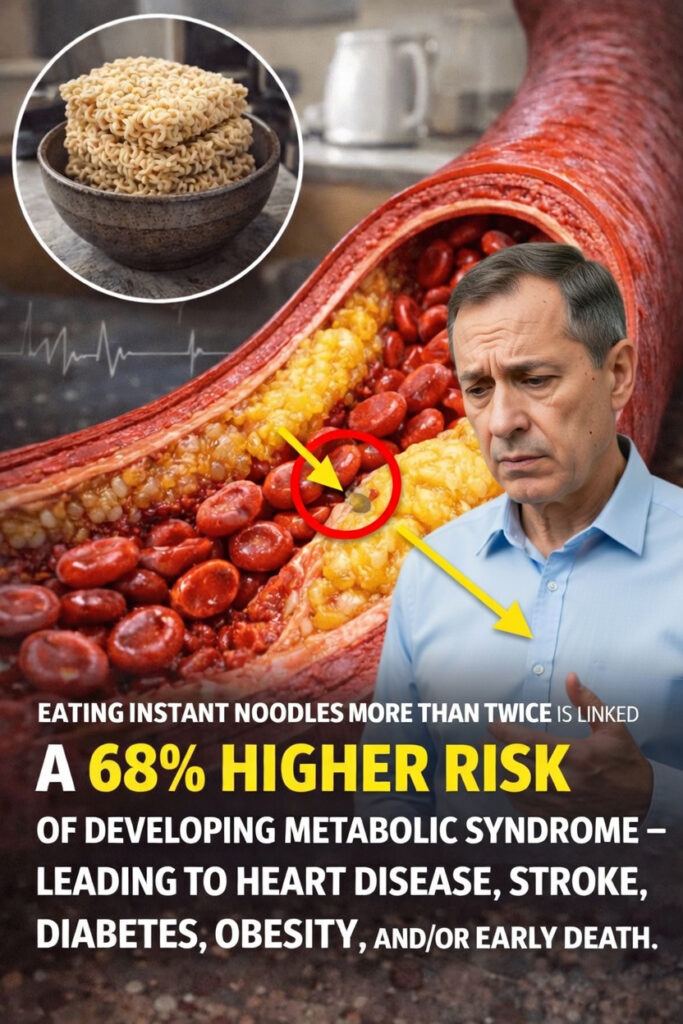
Instant Noodles and Metabolic Syndrome: What Frequent Consumption Could Mean for Your Health
After a tiring day, it is easy to grab a packet of instant noodles for a meal that feels warm, filling, fast, and affordable. They have become a go-to option for students, office workers, and anyone with a packed schedule. However, relying on them too often may have hidden consequences for your weight, energy, and long-term health.
Studies have pointed to a troubling association between regular instant noodle intake and a greater likelihood of metabolic syndrome, a group of risk factors linked to serious health problems such as heart disease, stroke, and type 2 diabetes.
The encouraging part is that even modest, practical adjustments can help. Later in this article, you will find simple ways to keep the convenience of noodles while making healthier choices.
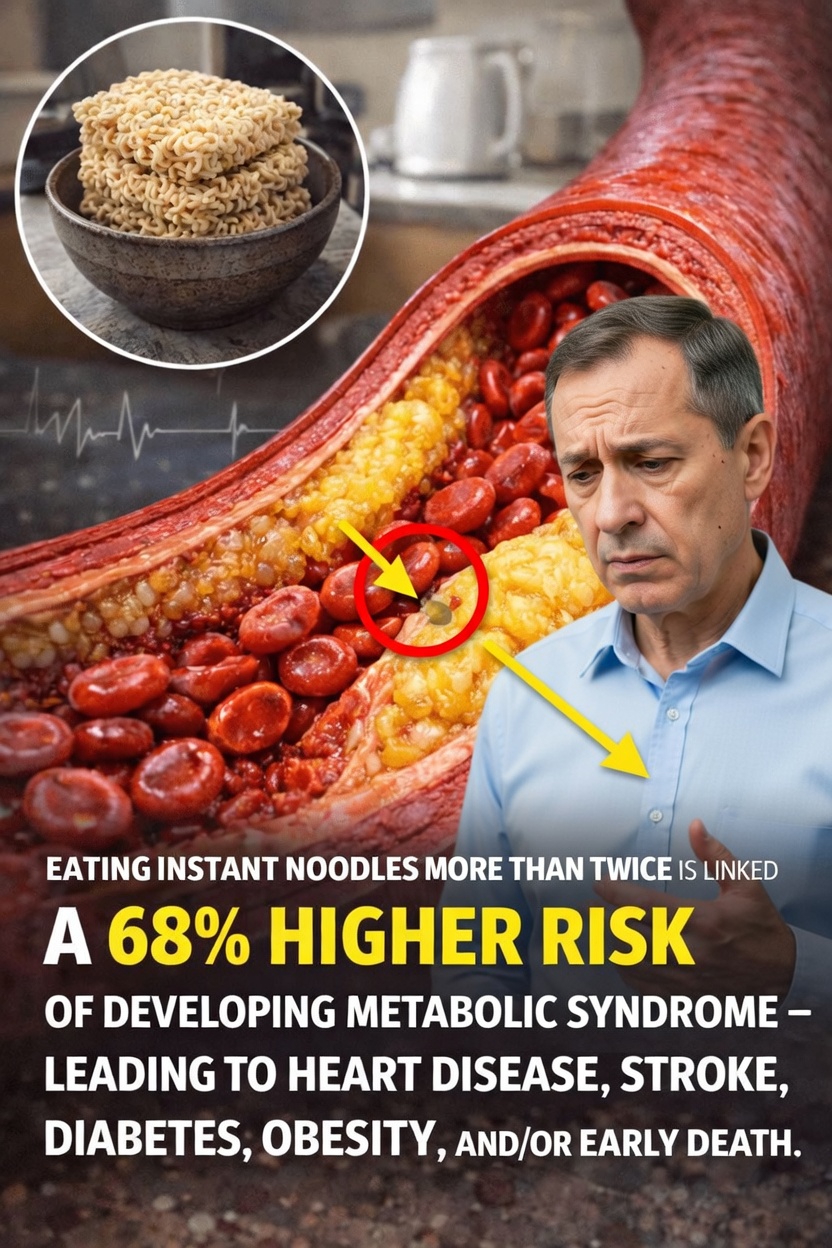
What Is Metabolic Syndrome?
Metabolic syndrome is not a single disease. It refers to several health issues that occur together and increase the risk of chronic illness. Healthcare professionals typically assess the following:
- Increased waist size or abdominal obesity
- Elevated blood pressure
- High blood sugar
- Unhealthy cholesterol levels, including low HDL ("good" cholesterol) or high triglycerides
When a person has three or more of these conditions, the risk of cardiovascular disease, stroke, and diabetes rises significantly over time. Research consistently shows that lifestyle habits, especially diet, strongly influence whether these problems develop.
What Research Says About Instant Noodles and Health Risks
One widely cited study based on data from the Korean National Health and Nutrition Examination Survey, reviewed by researchers including affiliates connected to Harvard, examined more than 10,000 adults. The findings showed that women who ate instant noodles two or more times per week had roughly a 68% higher prevalence of metabolic syndrome than women who ate them rarely.
For women, the reported odds ratio was 1.68 (95% CI: 1.10–2.55). In other words, the likelihood was clearly higher, even after researchers considered broader dietary patterns. The same relationship was not observed as strongly in men.
Additional studies looking at noodle consumption more generally have found related trends, including higher chances of elevated triglycerides and increased abdominal fat with greater intake.
Why might instant noodles be linked to these outcomes? Common reasons include:
- Very high sodium levels from flavoring packets
- Refined carbohydrates that can raise blood sugar quickly
- Unhealthy fats from the frying process
- Low overall nutritional value compared with balanced whole-food meals
Eating them frequently may also crowd out healthier foods that provide fiber, vitamins, minerals, and beneficial fats.
That said, this is not the entire picture. Moderation still matters, and people do not all respond the same way. Genetics, activity level, and total diet quality can all influence the effect.
Why the Impact May Be More Noticeable in Women
The original research found a stronger association in women, which drew particular attention. Scientists believe that differences in hormones, metabolism, or even exposure to certain food packaging compounds that may act as endocrine disruptors could help explain this pattern.
More research is still needed, but the findings suggest that the same eating habit may affect people differently depending on biological factors.
This does not mean men are unaffected. More recent studies on noodle intake overall still show broad associations with metabolic issues, especially higher triglyceride levels.

What Makes Instant Noodles a Concern?
Most instant noodle products share several features that can become problematic when consumed often:
- High sodium: A single pack may contain more than half of the recommended daily sodium limit, sometimes even more, which can contribute to high blood pressure.
- Refined carbs: These noodles digest quickly, causing rapid rises and drops in blood sugar that may affect insulin response over time.
- Saturated or trans fats: Frying can create fats associated with less favorable cholesterol levels.
- Low nutrient density: Compared with whole-food meals, instant noodles usually provide little fiber, few vitamins, and limited minerals.
Adding vegetables, eggs, or lean protein can certainly improve the meal. Still, the noodle base remains highly processed and relatively calorie-dense.
How to Enjoy Noodles in a Healthier Way
You do not need to eliminate noodles completely to protect your health. The key is to eat them more thoughtfully and make smart upgrades.
Here are practical ways to reduce the risks:
- Limit instant noodles to once a week or less instead of making them a regular staple.
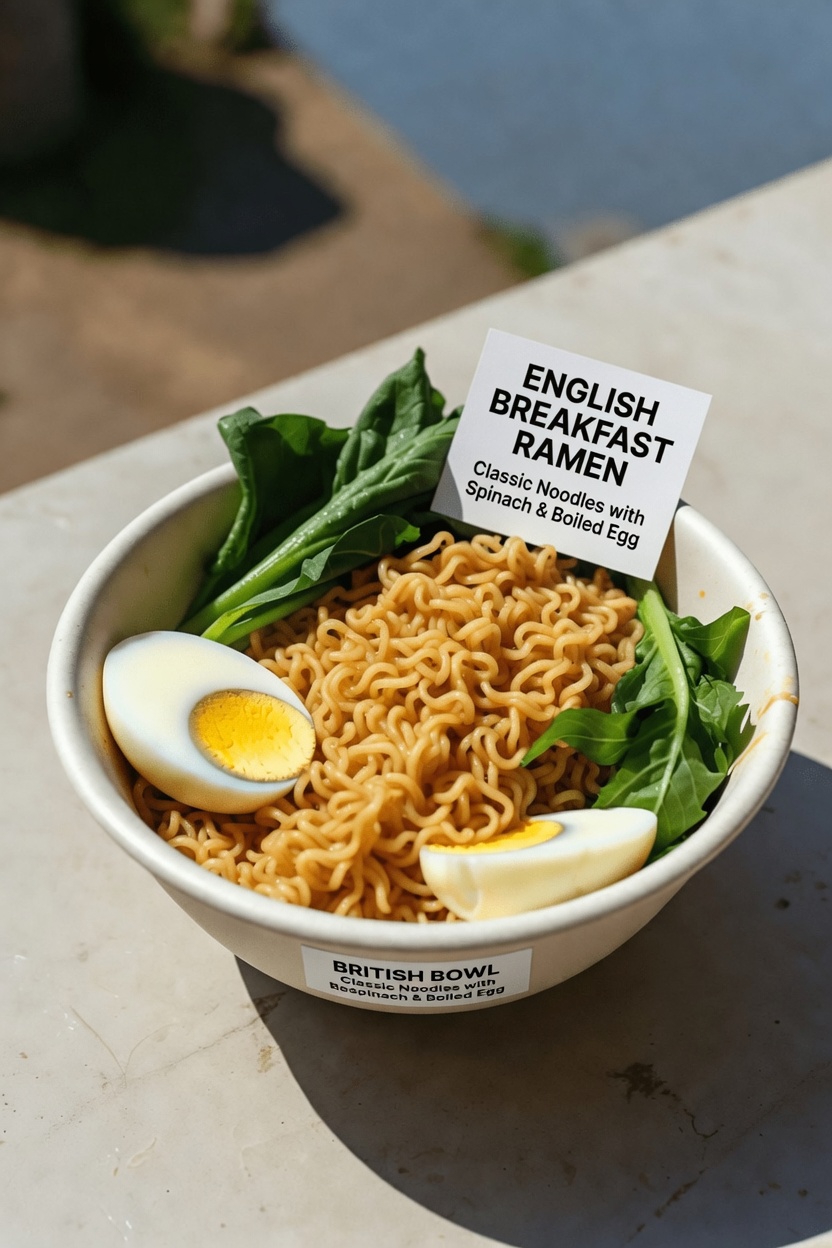
- Add nutrient-rich ingredients such as spinach, carrots, broccoli, mushrooms, or other vegetables.
- Include protein sources like boiled eggs, tofu, chicken breast, or beans to make the meal more balanced.
- Choose lower-sodium options whenever possible.
- Use only half of the seasoning packet to cut down on salt.
- Try whole-grain or alternative noodles, such as soba, brown rice noodles, or zucchini noodles, for more fiber and steadier energy.
- Make a homemade version with plain noodles, low-sodium broth, garlic, ginger, and plenty of vegetables.
These changes allow you to keep the comfort and convenience of noodles while supporting better metabolic health.
Everyday Habits That Help Protect Metabolic Health
Your overall routine matters just as much as any single food. To lower the risk of metabolic syndrome, focus on habits that support healthier blood sugar, cholesterol, and blood pressure levels.
Helpful daily habits include:
- Eat more whole foods and fill half your plate with fruits and vegetables whenever possible.
- Stay physically active for about 30 minutes on most days through walking, cycling, stretching, or home exercise.
- Pay attention to portion sizes, since even nutritious foods can become excessive when overeaten.
- Drink more water instead of sugary beverages to support blood sugar control and reduce excess calorie intake.
- Schedule regular health check-ups to monitor blood pressure, cholesterol, and glucose levels early.
Small actions repeated consistently often produce the biggest long-term benefits.
Final Thoughts: Convenience Matters, but Balance Matters More
Research suggests that eating instant noodles frequently, especially more than twice per week, is associated with a higher likelihood of metabolic syndrome, particularly among women. While these meals are convenient and inexpensive, the combination of high sodium, refined carbohydrates, and limited nutrients may create long-term health concerns.
The good news is that you do not have to give them up entirely. By eating them less often and choosing more balanced alternatives, you can enjoy convenience without putting your health at unnecessary risk. Over time, those choices may support better energy, improved metabolic health, and fewer worries about chronic disease.
Frequently Asked Questions
How often is it reasonable to eat instant noodles?
Research suggests that keeping instant noodles to once a week or less may help reduce associated risks. Eating them only occasionally, such as once or twice a month, appears to be less concerning.
Are all noodles equally unhealthy?
No. Instant noodles are more concerning because they are often heavily processed, fried, and high in sodium and additives. Fresh noodles, whole-grain noodles, and homemade versions usually offer a better nutritional profile.
Does adding vegetables make instant noodles healthy?
Adding vegetables can improve the meal by increasing fiber, vitamins, and fullness. It makes the dish more balanced, but it does not completely remove concerns related to sodium, refined carbs, and processing.