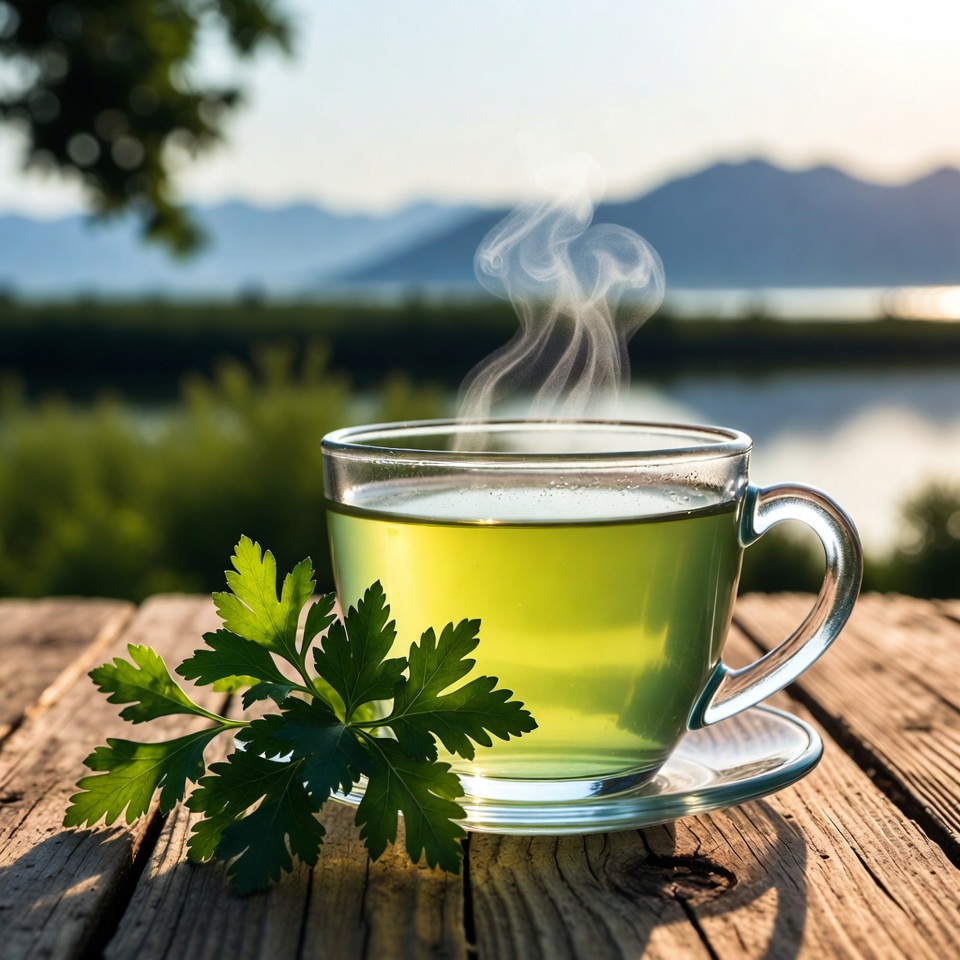
Parsley Tea: A Simple Herbal Remedy for Swelling and Fluid Retention
Parsley is often treated as nothing more than a decorative garnish, but this modest herb offers far more than visual appeal. Rich in essential nutrients—especially potassium—parsley acts as a gentle, natural diuretic that supports healthy fluid balance. When prepared as a tea, it can help ease swelling and fluid retention in the legs, ankles, and feet, providing a soothing and natural way to relieve discomfort.
Key Benefits of Parsley Tea
Parsley is widely used in cooking for its fresh, vibrant flavor, but its health-supporting properties are just as impressive. Drinking parsley tea can offer several potential benefits, particularly for those struggling with water retention and puffiness.
1. Natural Diuretic Effect
Parsley contains compounds that encourage the kidneys to produce more urine. This mild diuretic action helps your body expel excess water and salt, which can:
- Reduce fluid buildup in the tissues
- Ease swelling in the lower legs, ankles, and feet
- Help relieve a feeling of heaviness and tightness in the limbs
2. Supports Fluid Balance
Because parsley is high in potassium, it can help support a more balanced ratio of sodium and potassium in the body. This balance is important for:
- Maintaining healthy fluid distribution
- Reducing bloating and puffiness
- Supporting overall cardiovascular and kidney health
3. Rich in Vitamins and Antioxidants
Parsley is a concentrated source of:
- Vitamin A – supports immunity and skin health
- Vitamin C – a powerful antioxidant that helps protect cells
- Vitamin K – important for normal blood clotting and bone health
These nutrients contribute to overall wellness while the tea helps flush out excess fluids.
How to Make Parsley Tea
Preparing parsley tea at home is quick and easy, and you can use either fresh or dried parsley. Here’s a simple recipe to get you started.
Ingredients
- 1 handful of fresh parsley
or 2 tablespoons of dried parsley - 1 quart (4 cups) of water
- Optional: honey or lemon juice for flavor
Instructions
-
Bring the Water to a Boil
Pour the water into a pot and bring it to a rolling boil over medium-high heat. -
Add the Parsley
- If using fresh parsley, rinse it thoroughly under running water to remove dirt or residues, then roughly chop it.
- Add the fresh or dried parsley to the boiling water.
-
Simmer Gently
Lower the heat and let the mixture simmer for about 5–10 minutes.- A shorter simmer time creates a milder tea.
- A longer simmer results in a stronger, more intense flavor.
-
Strain the Tea
Remove the pot from the heat. Pour the mixture through a strainer into a teapot or directly into your cup, discarding the parsley leaves. -
Enhance the Flavor (Optional)
Add a little honey for sweetness or a squeeze of lemon for a bright, refreshing taste.
Your parsley tea is now ready to drink.
Tips for Drinking Parsley Tea
To support healthy fluid balance and get the most from parsley tea, keep these guidelines in mind:
-
How Often to Drink
Consume parsley tea once or twice a day. Many people prefer to drink it in the morning or early afternoon so the diuretic effect doesn’t disturb their sleep with frequent nighttime bathroom trips. -
Fresh vs. Dried Parsley
- Fresh parsley often provides better aroma, flavor, and nutrient content.
- Dried parsley is a convenient alternative when fresh is not available—just make sure it’s not old or stale and has been stored properly.
-
Stay Hydrated
Even though parsley tea helps your body release extra fluid, it’s still essential to drink enough water throughout the day. Proper hydration supports kidney function and prevents dehydration.
Important Precautions
While parsley tea is a natural home remedy, it is not suitable for everyone. Certain individuals should be especially cautious and seek medical advice before using it regularly.
-
Kidney Conditions and Diuretic Medications
If you have kidney disease, kidney stones, or are taking prescription diuretics (water pills), consult your healthcare provider before adding parsley tea to your routine. Combining diuretics can sometimes place extra strain on the kidneys or alter fluid and electrolyte balance. -
Pregnancy
Pregnant women are generally advised to avoid consuming large amounts of parsley or parsley tea. In higher quantities, parsley may influence hormonal activity and fluid regulation. Always speak with a healthcare professional before using herbal teas during pregnancy. -
Medication Interactions
Parsley may interact with certain medications, including:- Blood thinners
- Diuretic drugs
- Other medications that affect kidney function or fluid balance
If you are on any regular medication, check with your doctor or pharmacist to ensure parsley tea is safe for you.
Conclusion
Parsley tea offers a simple, natural way to support your body’s ability to manage fluid retention and reduce swelling in the legs, ankles, and feet. Thanks to its mild diuretic properties and rich nutrient profile, this everyday herb can become a helpful part of your self-care routine.
However, parsley tea should be viewed as a complementary approach—not a replacement for medical care. Persistent, sudden, or severe swelling may signal an underlying health condition that requires professional evaluation. If you experience ongoing discomfort or notice worsening symptoms, consult a healthcare provider for proper diagnosis and treatment.