Olive Leaf Extract and Its Role in Wellness
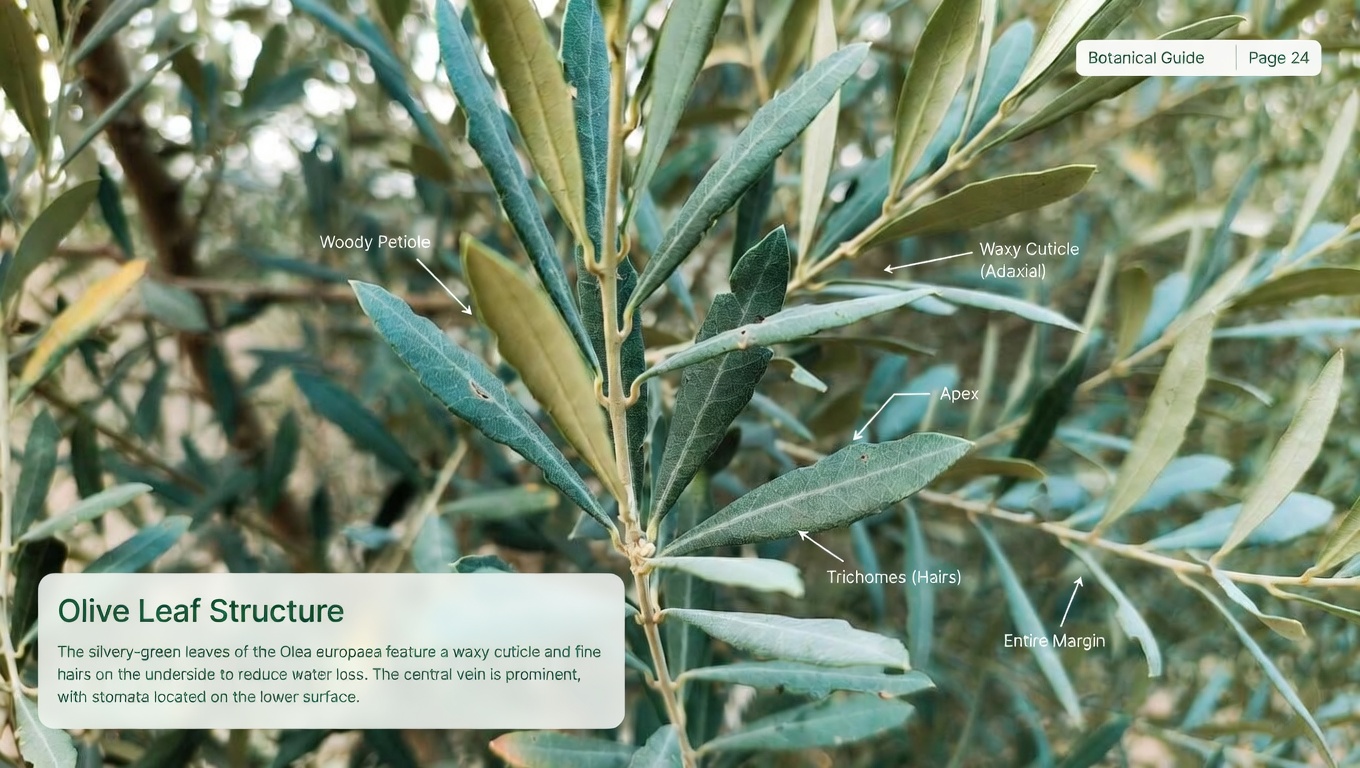
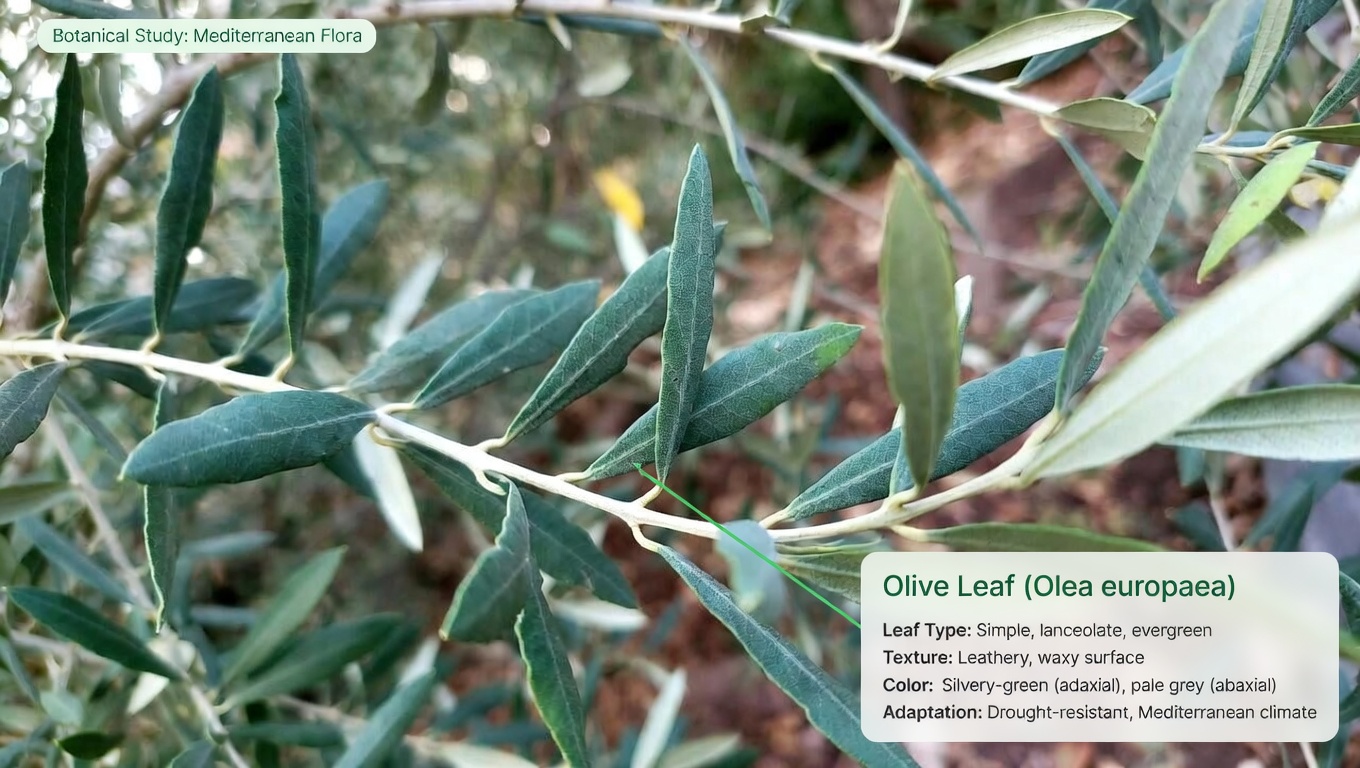
The leaf in focus comes from the olive tree (Olea europaea), and its concentrated extract has gained attention thanks to compounds such as oleuropein. Many people looking for natural ways to support overall wellness—especially during serious health challenges—are curious about what olive leaf might offer.
Cancer is still one of the most feared health conditions worldwide. It affects millions, disrupts families, and often brings anxiety about the future, treatment decisions, and day-to-day life. While no herb, food, or supplement can replace medical treatment, scientists are actively exploring how certain plant compounds may help create a more supportive internal environment for health. Among these, the constituents found in olive leaves are of particular interest.
What if a simple, traditional plant part could be one small piece of a broader wellness strategy? Below, we’ll look at what olive leaf extract is, what the research shows, and how it might fit into a healthy lifestyle.
What Is Olive Leaf Extract?
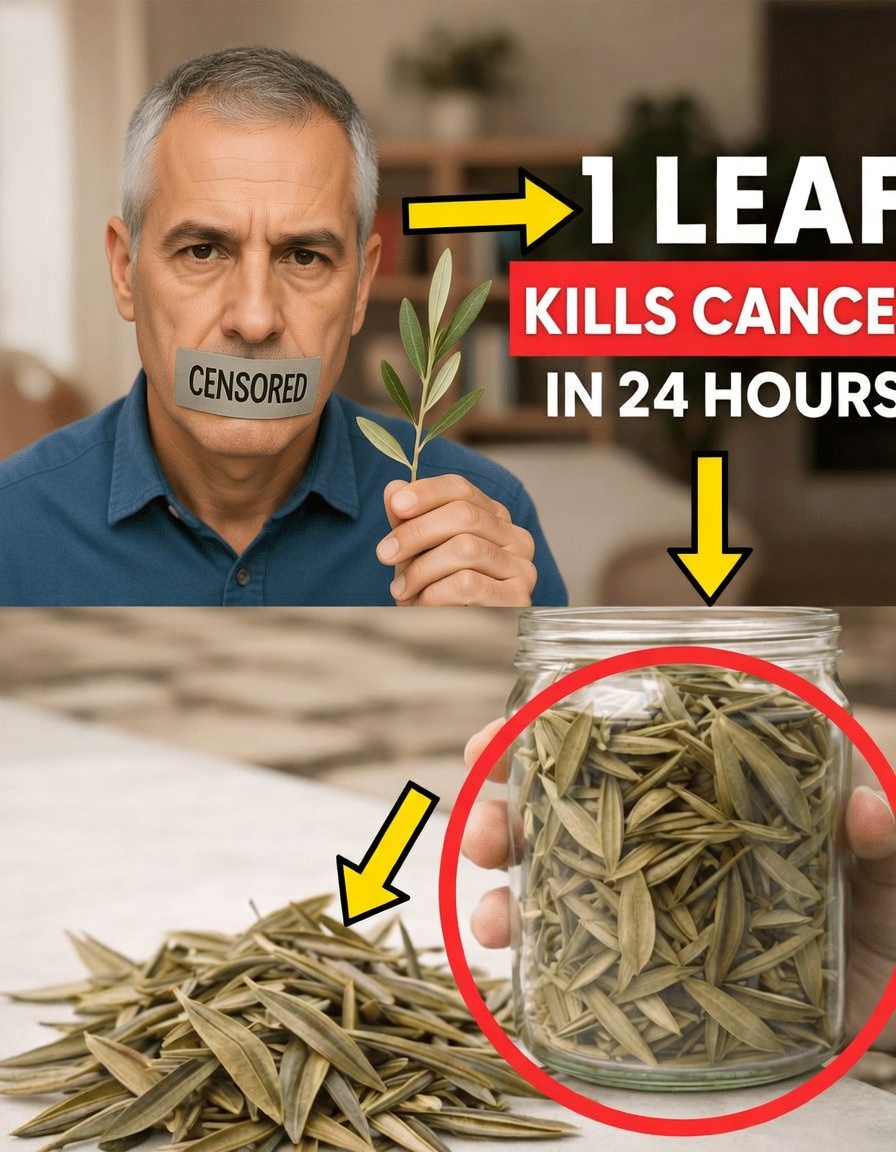
Olive leaves come from the same tree that produces table olives and olive oil. Unlike the fruit, the leaves are especially rich in plant-based compounds called polyphenols, with oleuropein being the most prominent. This bitter polyphenol appears at much higher levels in the leaves than in the olive fruit or oil.
In traditional Mediterranean cultures, olive leaves were used for general health and resilience. Today, their active components are concentrated into modern forms such as:
- Standardized capsules or tablets
- Liquid tinctures or drops
- Loose dried leaves for herbal tea
Current research is focused on how these olive polyphenols interact with cells, oxidative stress, and inflammatory pathways in the body.
Core Compounds and Their Potential Effects
The best-studied constituents in olive leaf are:
- Oleuropein
- Hydroxytyrosol (a key breakdown product of oleuropein)
Scientific studies show that these compounds have strong antioxidant capacity. Antioxidants can help neutralize free radicals, which, in excess, contribute to oxidative stress and may damage cells over time.
In laboratory settings (mainly in cell cultures and animal studies), researchers have observed that oleuropein may:
- Influence how certain cells grow and divide in experimental models
- Interact with inflammatory signaling pathways
- Support overall cellular health through its antioxidant activity
It is essential to emphasize that most of this work has been done in vitro (test tubes, petri dishes) or in preclinical animal models. Human clinical trials are still limited, so these results cannot be directly interpreted as proven effects in people.
What Research Says About Olive Leaf and Health
Lab and Preclinical Findings
Several laboratory-based investigations have explored how olive leaf extract and oleuropein behave in different experimental systems:
- Cell studies: In various cancer cell lines—such as breast, ovarian, and colorectal models—oleuropein has been reported to influence cell behavior. In some of these studies, it appears to promote apoptosis (programmed cell death) in abnormal cells, while healthy cells may be less affected.
- Animal experiments: In certain animal models, olive leaf components have been associated with slower tumor growth under specific conditions, likely related to reductions in inflammation and oxidative stress.
- Review articles: Scientific reviews suggest that olive polyphenols may help protect DNA from damage, support antioxidant defenses, and modulate inflammatory responses.
Reputable sources, including institutions like the Memorial Sloan Kettering Cancer Center, underscore that these findings are promising but preliminary. There is currently no strong clinical evidence that olive leaf extract can prevent or treat cancer in humans. Well-designed human studies are needed before drawing firm conclusions.
Other Areas of Potential Benefit
Beyond its experimental anticancer properties, olive leaf extract has been studied for several additional health-related roles:
- Cardiovascular support
- Some research links olive leaf extract to improved blood pressure markers and healthier lipid profiles.
- Immune and antimicrobial activity
- Lab studies suggest it may show activity against certain microbes and support immune function.
- Metabolic health
- Early evidence indicates possible benefits for blood sugar regulation and metabolic balance.
These potential effects should always be viewed as part of a comprehensive lifestyle approach—not as stand-alone cures.
How to Use Olive Leaf Extract Safely
If you are considering adding olive leaf extract to your routine, it is wise to proceed gradually and thoughtfully.
1. Choose a High-Quality Product
- Look for standardized extracts that clearly state oleuropein content (commonly around 20% or higher).
- Prefer brands that offer third-party testing for purity and potency.
- Check labels for unwanted additives or fillers.
2. Common Forms and Typical Use
-
Tea
- Steep dried olive leaves in hot water for about 5–10 minutes.
- Mildly bitter; can be blended with other herbs for taste.
-
Capsules or tablets
- Many products provide 500–1,000 mg per day of standardized extract.
- Always follow the dosage instructions on the label and any guidance from a healthcare professional.
-
Tinctures (liquid extracts)
- Easier to adjust dosing; usually taken in water according to drop or milliliter guidelines on the product.
3. Start Low and Observe
- Begin with the lower end of the recommended dose to see how your body responds.
- Monitor for any changes in digestion, energy, or overall comfort over several days to weeks.
4. Combine with a Healthy Lifestyle
- Pair olive leaf extract with a nutrient-dense diet, including plenty of fruits, vegetables, legumes, whole grains, and healthy fats such as extra virgin olive oil.
- Remember that consistency—small daily habits—usually offers more benefit than occasional, high-intensity changes.
5. Safety and Precautions
- Most people tolerate olive leaf extract well, though mild digestive upset can occur.
- Individuals with low blood pressure, taking blood pressure medications, anticoagulants, or other prescription drugs should consult a healthcare provider before using it.
- Olive leaf extract should never be used as a substitute for cancer treatments or other prescribed therapies.
Olive Leaf vs. Other Antioxidant-Rich Choices
Olive leaf is just one of many sources of beneficial plant compounds. Including a variety of antioxidant-rich foods and extracts can be more supportive than relying on a single option.
| Option | Key Compound | Main Studied Benefits | Ease of Use | Notes |
|---|---|---|---|---|
| Olive Leaf Extract | Oleuropein | Antioxidant, potential anti-inflammatory | Supplements, herbal tea | Bitter taste; human research still emerging |
| Green Tea | EGCG | Cellular protection, metabolic support | Simple to drink daily | Well-studied in human populations |
| Turmeric | Curcumin | Inflammation support | Capsules or cooking spice | Needs black pepper or fat for better absorption |
| Berries | Anthocyanins | Broad-spectrum antioxidant effects | Fresh, frozen, or dried | Tasty, accessible, and easy to add to meals |
Olive leaf extract stands out for its unique polyphenol profile, especially oleuropein. However, rotating and combining different antioxidant sources usually offers more comprehensive support than relying on any single supplement or food.
Practical Daily Habits for Overall Wellness
To make the most of natural compounds like those found in olive leaves, it helps to build a solid health foundation:
-
Follow a Mediterranean-style eating pattern
- Emphasize extra virgin olive oil, colorful vegetables, fruits, nuts, seeds, legumes, and fish.
-
Move your body regularly
- Activities like walking, cycling, or light strength training can support metabolic and cellular health.
-
Manage stress thoughtfully
- Practices such as deep breathing, meditation, time in nature, or gentle stretching can reduce the impact of chronic stress and may lower oxidative burden.
-
Prioritize restorative sleep
- Aim for consistent, high-quality sleep, as many repair processes occur during the night.
-
Work with health professionals
- Discuss any new supplements, including olive leaf extract, with your doctor, especially if you have existing health conditions or take medications.
These strategies create a context in which natural plant compounds can play a complementary role.
Summary
Olive leaf extract, rich in polyphenols like oleuropein and hydroxytyrosol, shows intriguing potential in laboratory and animal research. Studies point to strong antioxidant activity, possible modulation of inflammatory pathways, and effects on cellular behavior in experimental models. While this has led to interest in its possible anticancer and health-supportive properties, current evidence in humans is still limited, and olive leaf cannot be considered a cure or replacement for medical care.
Used thoughtfully—alongside a healthy diet, physical activity, stress management, and proper sleep—olive leaf extract can be one of many tools in a proactive wellness approach. The focus should remain on evidence-based lifestyle habits, with supplements serving as supportive, not central, elements.
FAQ
Is olive leaf extract safe for most people?
For many individuals, olive leaf extract appears to be generally safe when used as directed. Some people may experience mild side effects such as stomach discomfort or digestive upset. Those with low blood pressure or taking medications (especially blood pressure drugs, blood thinners, or other prescription therapies) should talk with a healthcare professional before use.
How much olive leaf extract should I take each day?
Research and common supplement practices often use 500–1,000 mg per day of standardized olive leaf extract, typically with a clearly stated oleuropein content. However, ideal dosing can vary by product and individual needs. Always follow the instructions on your supplement label and seek personalized guidance from a qualified professional.
Can olive leaf extract replace medical treatment for cancer or other diseases?
No. Olive leaf extract cannot and should not replace conventional medical treatment. It may be considered as a complementary option within a broader, healthy lifestyle—but only in consultation with your healthcare team. Prescribed therapies and medical advice should always take priority.