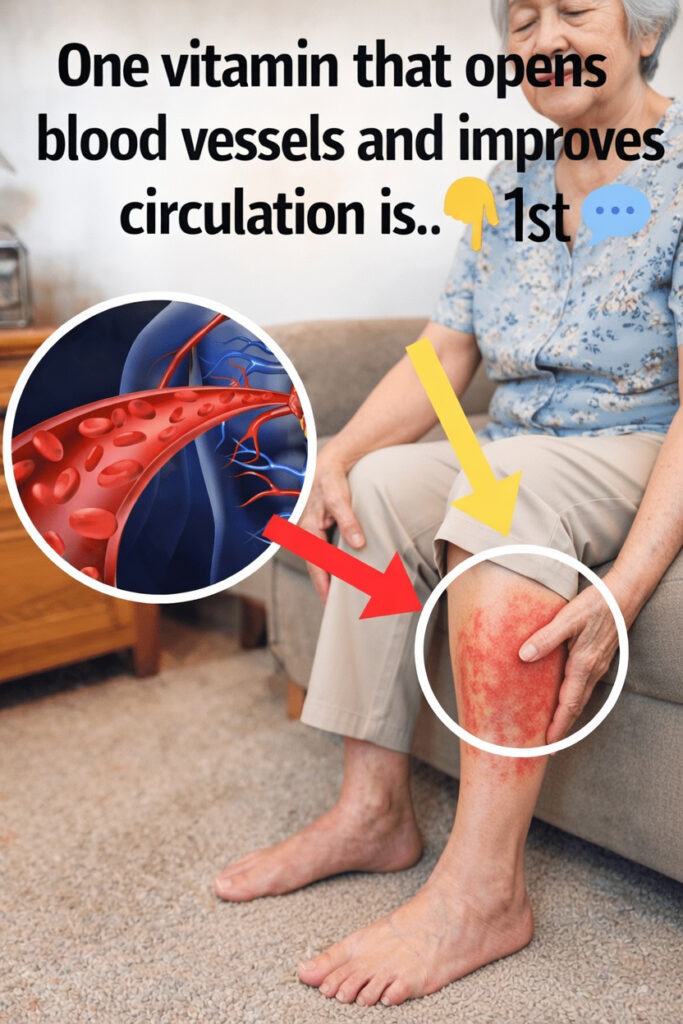
A Little-Known Vitamin That May Help Support Healthy Circulation After 50
As the years go by, especially once you pass 50, it is common to notice small shifts in the way your body responds to everyday activity. Your legs may feel more sluggish during a short walk, your hands may become cold faster, or routine tasks may leave you feeling more drained than they used to. In many cases, these changes can be linked to circulation needing a bit more support. With age, blood vessels naturally become less flexible, and blood flow may not move as efficiently as before.
The encouraging news is that certain nutrients help support healthy vascular function. Among them, one vitamin is especially well studied for its role in maintaining blood vessel relaxation and steady circulation.
What makes this vitamin so interesting is that it works through natural processes in the body to encourage better vessel flexibility and flow. If you want to support circulation in a simple, natural way, this nutrient deserves attention.
Why Circulation Matters More After 50
Your circulatory system is responsible for carrying oxygen and nutrients throughout the body while also helping remove waste. When blood vessels stay relaxed and adaptable, blood can travel more easily where it is needed most. As we age, however, that process can become less efficient. Long periods of sitting, reduced activity, and certain lifestyle patterns can make the issue more noticeable.
Research suggests that supporting endothelial function, the health of the inner lining of blood vessels, plays an important role in maintaining proper dilation and smooth blood flow. When the endothelium functions well, vessels are better able to respond to the body’s needs.
This is where nutrition becomes important. Some vitamins help support the everyday mechanisms that keep blood vessels functioning properly. One vitamin, in particular, has attracted attention for how it helps encourage blood vessel relaxation through the body’s own pathways.
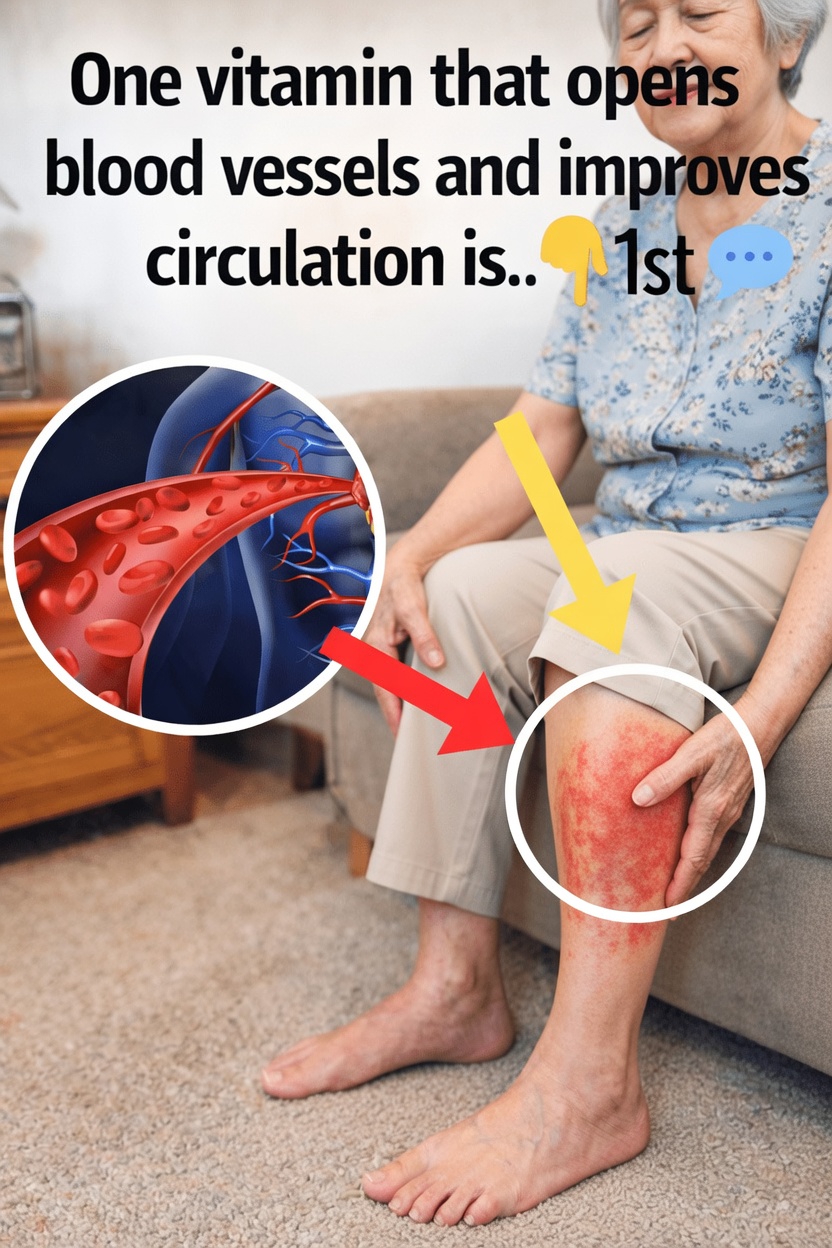
The Standout Nutrient: Niacin (Vitamin B3)
Niacin, or vitamin B3, is one of the most notable vitamins for circulation support. Studies have shown that it can help encourage blood vessels to widen, which may promote healthier blood flow. Part of this effect is tied to niacin’s influence on compounds involved in vessel relaxation.
Niacin also supports healthy cholesterol balance, which can indirectly benefit circulation by helping blood move through clearer pathways. Observational research has linked higher niacin intake from the diet with favorable cardiovascular markers, including support for blood pressure already within a healthy range.
Unlike nutrients that mainly work by fighting oxidative stress, niacin appears to have a more direct effect on how blood vessels behave. That makes it especially relevant for adults over 50 who want gentle, daily support for vascular health.
Other Nutrients That Can Help Support Blood Flow
While niacin is a key player, circulation benefits from a broader nutritional foundation. Several other vitamins and nutrients can work alongside it:
- Vitamin C: Helps the body produce collagen, which supports strong and elastic blood vessel walls. Adequate intake is linked to healthier endothelial function.
- Vitamin E: Acts as an antioxidant that helps protect cells from oxidative stress, which can affect vascular health.
- Vitamin D: Contributes to normal vascular tone and may help regulate how vessels contract and relax.
- B Vitamins such as B6, B9, and B12: Help maintain healthy homocysteine levels, which is important because elevated homocysteine may negatively affect blood vessels.
Together, these nutrients create a stronger base for healthy circulation and overall cardiovascular wellness.
Best Natural Food Sources of Niacin
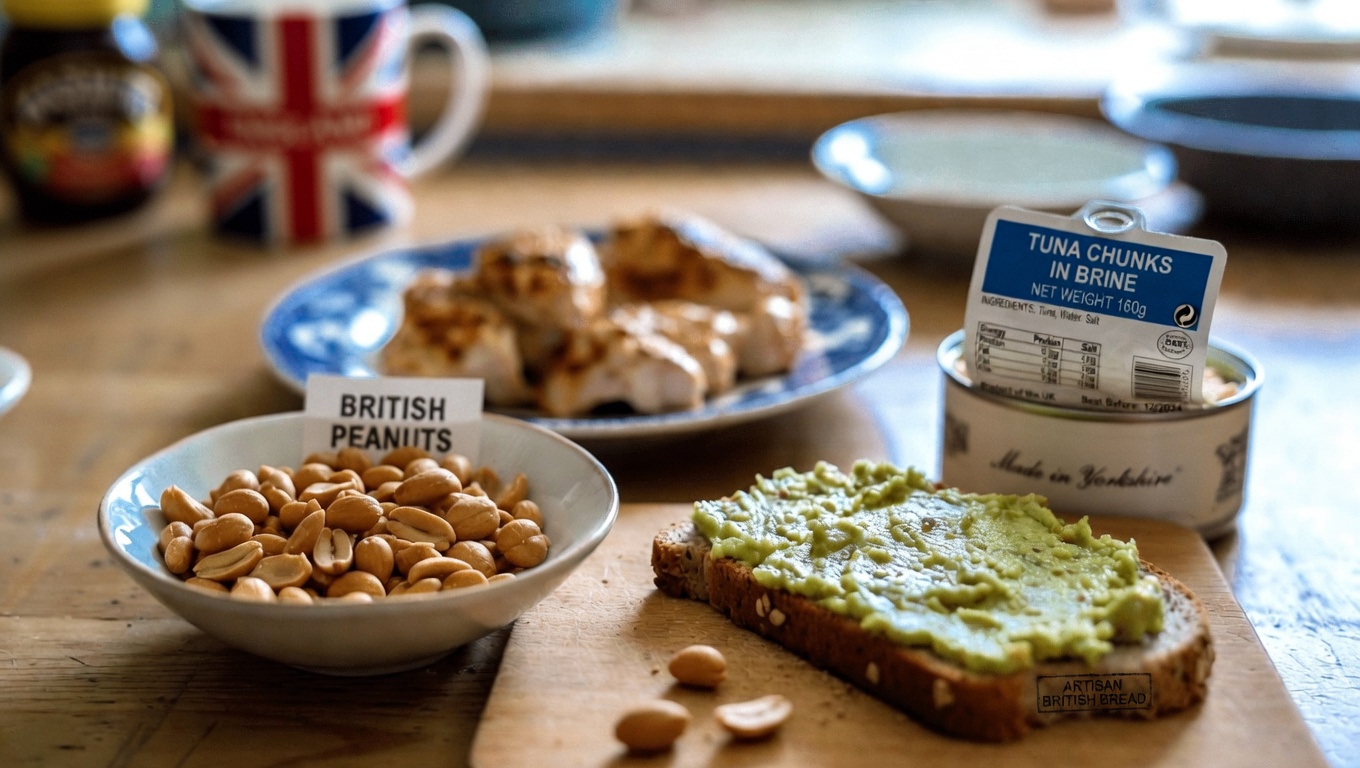
Getting niacin from food is often the easiest and most balanced approach. Many common foods provide this vitamin naturally, making it simple to include in your regular meals.
Top niacin-rich foods include:
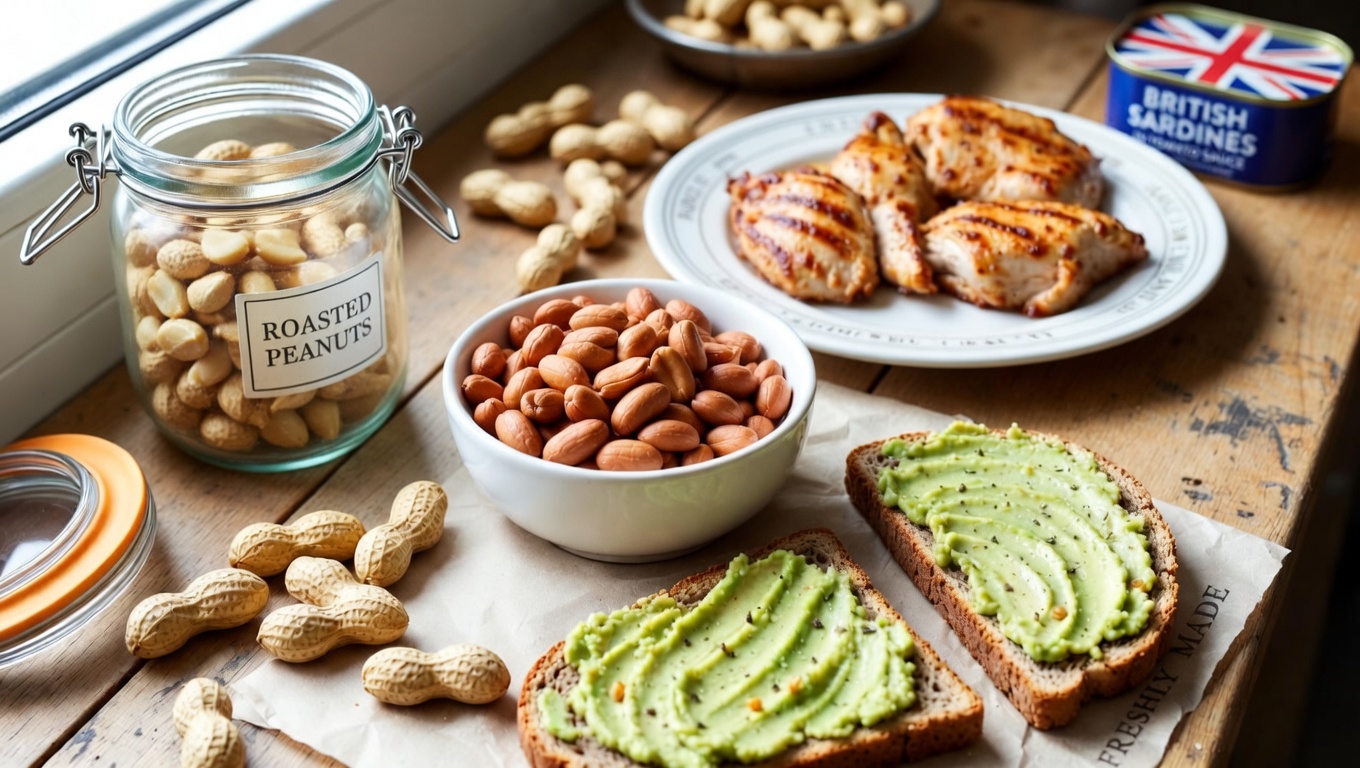
- Chicken and turkey
- Tuna and salmon
- Peanuts and peanut butter
- Whole grains such as brown rice
- Fortified cereals
- Lentils and beans
- Mushrooms
- Avocados
A varied diet that includes these foods regularly can help you meet your daily niacin needs without depending entirely on supplements.
Easy Ways to Add More Niacin to Your Daily Routine
Building more vitamin B3 into your diet does not have to be complicated. Small, consistent choices can make a meaningful difference over time.
Here are a few practical ideas:
- Start with breakfast: Choose fortified cereal or whole-grain toast with peanut butter.
- Add lean protein often: Include grilled chicken, turkey, or fish in lunch or dinner several times a week.
- Choose smarter snacks: A handful of peanuts can be a simple niacin-rich option.
- Upgrade salads and bowls: Add avocado for extra nutrients and healthy fats.
- Use mushrooms more often: Stir-fries, soups, and omelets are easy ways to include them.
- Read food labels: Look for “niacin” or “vitamin B3” on fortified packaged foods.
The goal is not perfection. What matters most is regular intake through balanced eating habits.
Lifestyle Habits That Enhance Circulation Naturally
Nutrition can do a lot, but it works even better when paired with healthy daily habits. If you want to support blood flow more effectively, combine niacin-rich foods with these simple practices:
- Move every day: Walking and light activity help stimulate natural blood circulation.
- Stay hydrated: Proper fluid intake supports smoother blood flow.
- Reduce stress: Deep breathing, stretching, and short meditation sessions may help relax the body and support vessel function.
- Avoid sitting too long: Stand up, stretch, or walk around at least once every hour.
These habits complement a nutrient-rich diet and can help you feel more energized and mobile throughout the day.
What Research Suggests About Niacin and Circulation
Scientific findings continue to support niacin’s role in vascular health. Some studies indicate that niacin may encourage the release of prostaglandins, compounds involved in widening blood vessels. Other research highlights niacin’s contribution to healthier lipid levels, which can reduce strain on the circulatory system over time.
Although more research is always valuable, the existing evidence suggests that niacin can be a useful part of a lifestyle focused on maintaining healthy circulation.
Frequently Asked Questions
Which foods provide the most niacin for circulation support?
Some of the best dietary sources include chicken, tuna, peanuts, and fortified cereals. A varied diet that emphasizes whole foods is usually the best way to meet your needs.
Is niacin safe to consume daily after age 50?
Yes, niacin is generally safe when consumed in normal food amounts. However, high-dose supplements should only be used with guidance from a healthcare professional, as they may cause temporary skin flushing in some people.
Can niacin replace exercise for healthy circulation?
No. Physical activity and nutrition work best together. Exercise helps stimulate blood flow directly, while niacin offers internal nutritional support for healthy vessel function.
Final Thoughts
After 50, paying attention to circulation becomes increasingly important. Blood vessels naturally change with age, but nutrition and lifestyle choices can help support healthy blood flow. Niacin stands out because of its unique role in helping blood vessels relax and function more efficiently.
By regularly eating niacin-rich foods, staying active, and maintaining healthy daily habits, you can give your circulatory system steady support in a practical and natural way.