
7 Everyday Magnesium-Rich Foods to Support Your Body After 50
Many people over 50 begin to notice subtle shifts in how their body feels each day — a little extra stiffness after sitting, sleep that doesn’t feel as restorative, or energy and mood swings that were less noticeable in earlier years. These changes can make daily tasks feel more demanding and may leave you wondering what simple nutrition tweaks could help you feel more balanced.
Magnesium is one quiet but essential mineral involved in hundreds of processes throughout the body, from muscle relaxation to nerve communication and energy production. Yet a large portion of adults fall short of the recommended intake from food alone. The encouraging news: adding a few familiar, magnesium-rich foods to your meals can be a gentle, food-first way to support overall well-being.
Below you’ll find seven common foods that offer meaningful amounts of magnesium, plus practical ideas for working them into your routine today.

Why Magnesium Becomes Especially Important with Age
Magnesium participates in more than 300 biochemical reactions inside the body. It plays a key role in:
- Helping muscles contract and relax smoothly
- Supporting healthy nerve signaling
- Contributing to the production of cellular energy (ATP)
- Supporting normal heart rhythm and blood pressure regulation
Research suggests that getting enough magnesium from food is linked with better overall wellness, including steadier mood, more regular digestion, and more comfortable movement.
As we age, several factors can make it harder to maintain optimal magnesium levels:
- Shifts in appetite or dietary patterns
- Use of certain medications
- Reduced absorption in the digestive tract
Observational studies have associated higher magnesium intake from food with:
- Healthier blood sugar control
- More stable emotional well-being
- Greater comfort in joints and muscles
These findings are promising, but they are associations, not proof of cause and effect. Still, they highlight how helpful this mineral can be as part of a nourishing, balanced diet.
The best part? You don’t need specialized products to begin. For many people, emphasizing whole, magnesium-rich foods is the simplest and most enjoyable strategy.
Subtle Signs You May Benefit from More Magnesium-Rich Foods
When your magnesium intake is on the lower side, your body may send small signals. Common experiences people often report include:
- Occasional muscle tightness, cramps, or post-activity discomfort
- Difficulty unwinding or falling into deep, restful sleep
- Mild mood dips or a sense of unease and irritability
- Irregular or sluggish bowel movements
These signs alone do not diagnose a deficiency — only a qualified healthcare professional can evaluate that. However, many individuals notice improvements in these areas when they consistently add more magnesium-containing foods to their diet.
How Magnesium Supports Everyday Wellness
Research summarized by organizations like the National Institutes of Health and various scientific reviews highlights how wide-ranging magnesium’s influence can be:
-
Joint and movement support
Adequate magnesium intake has been linked with healthier cartilage and lower levels of certain inflammatory markers, which may contribute to easier, more comfortable movement. -
Blood sugar and metabolic health
Studies observing dietary patterns show that higher magnesium intake is associated with better insulin sensitivity and more balanced blood sugar levels. -
Mood, stress, and calm
Magnesium plays a role in regulating neurotransmitters and the stress response. Lower levels have been connected to increased feelings of stress, tension, or low mood in some groups. -
Digestive regularity
Some forms of magnesium can help support gentle bowel regularity. Many magnesium-rich foods are also high in fiber, which further promotes healthy digestion.
Important reminder: These are correlations found in research, not guarantees. Your response to dietary changes will be individual, and magnesium-rich foods are meant to complement—not replace—medical care or prescribed treatments.
7 Everyday Magnesium-Rich Foods to Add to Your Menu
Below are seven widely available foods that nutrition experts often highlight as strong sources of magnesium. Incorporating a mix of them throughout the week can help you cover your needs while delivering many other valuable nutrients.
1. Spinach and Other Leafy Greens
Leafy green vegetables are among the top natural sources of magnesium. One cup of cooked spinach provides around 157 mg of magnesium, roughly 37% of the daily requirement for many women.
Easy ways to enjoy:
- Add a generous handful to salads or grain bowls
- Blend into smoothies for extra nutrients
- Sauté with garlic and olive oil as a simple side dish
2. Almonds and Other Nuts
Nuts are convenient, portable, and nutrient-dense. About 1 ounce of almonds (roughly a small handful) offers around 80 mg of magnesium.
Try them:
- As a quick snack between meals
- Sprinkled over yogurt, oats, or fruit
- Mixed into homemade trail mix with seeds and dried fruit
3. Pumpkin Seeds (Pepitas)
Pumpkin seeds are one of the most concentrated sources of magnesium. Just 1 ounce contains approximately 150 mg.
Use them:
- Sprinkled over salads, soups, or roasted vegetables
- Mixed into oatmeal or overnight oats
- Enjoyed roasted on their own as a crunchy, savory snack
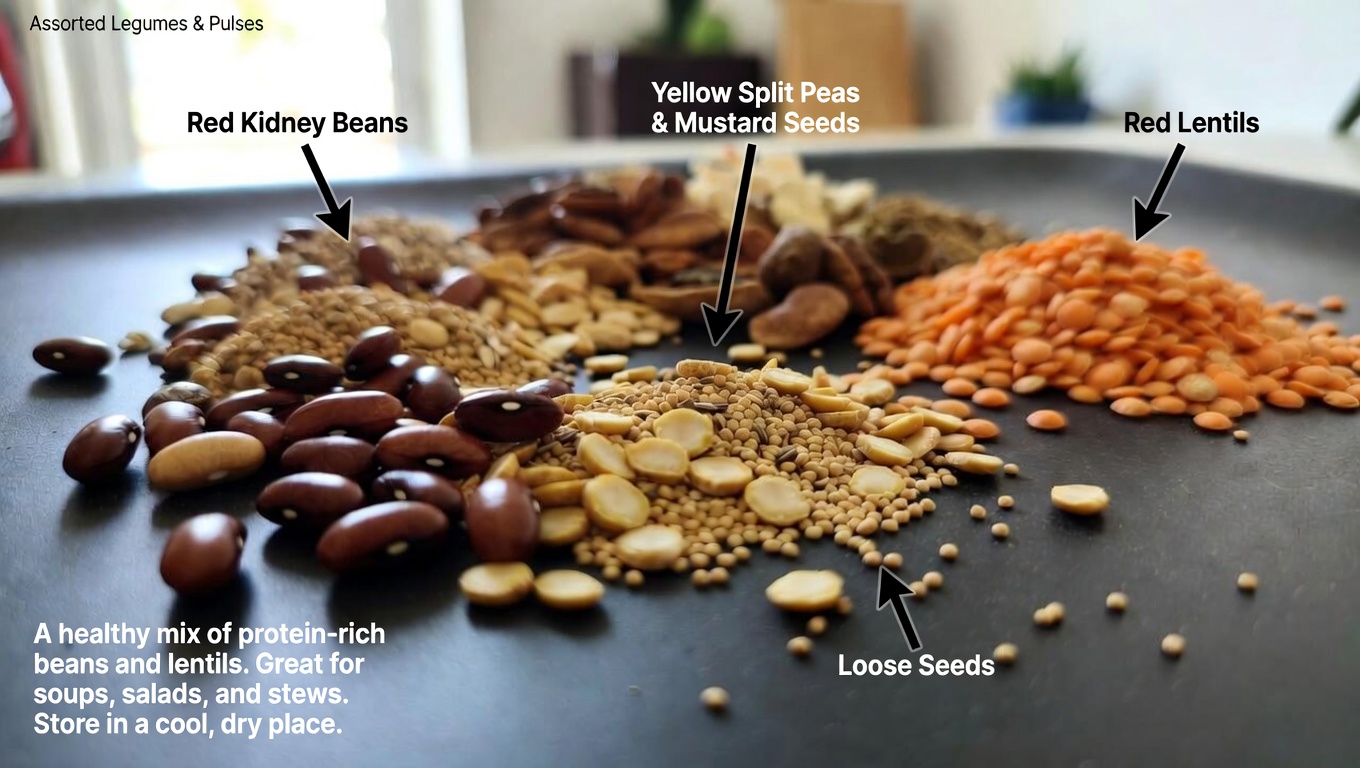
4. Black Beans and Other Legumes
Legumes such as black beans, lentils, and chickpeas offer a combination of magnesium, plant-based protein, and fiber. Half a cup of cooked black beans provides around 60 mg of magnesium.
Incorporate them:
- In soups, stews, and chili
- Tossed into salads or grain bowls
- As a base for veggie tacos, wraps, or dips
5. Avocado
Avocado supplies magnesium along with heart-healthy fats and fiber. Half a medium avocado contains about 29 mg of magnesium.
Enjoy it:
- Mashed on whole-grain toast with a sprinkle of seeds
- Sliced into sandwiches, wraps, or salads
- Blended into creamy dressings or dips
6. Dark Chocolate (70% Cocoa or Higher)
High-quality dark chocolate can offer both pleasure and nutrition. A 1-ounce portion of dark chocolate with at least 70% cocoa provides roughly 64 mg of magnesium.
Savor it:
- As a small after-dinner treat
- Shaved or chopped over yogurt, fruit, or oats
- Paired with nuts for a balanced snack
7. Whole Grains Like Quinoa or Brown Rice
Whole grains, especially quinoa, are reliable magnesium sources. One cup of cooked quinoa has about 118 mg of magnesium.
Use them:
- As a base for warm bowls with beans, greens, and avocado
- Instead of white rice or pasta in main dishes
- In grain salads with vegetables, nuts, and a light dressing
These foods fit easily into breakfast, lunch, dinner, and snacks. Many also supply additional benefits such as fiber, antioxidants, healthy fats, and plant-based protein.

Quick Magnesium Comparison by Serving
Here’s a side-by-side look at approximate magnesium amounts in typical servings:
- Spinach, cooked (1 cup): ~157 mg
- Pumpkin seeds (1 oz): ~150 mg
- Quinoa, cooked (1 cup): ~118 mg
- Almonds (1 oz): ~80 mg
- Dark chocolate, 70%+ (1 oz): ~64 mg
- Black beans, cooked (½ cup): ~60 mg
- Avocado (½ medium): ~29 mg
For reference, according to guidelines from the National Institutes of Health (NIH):
- Most adult women need about 310–320 mg of magnesium per day
- Most adult men need about 400–420 mg per day
Easy Ways to Add More Magnesium-Rich Foods Today
You don’t have to overhaul your diet overnight. Small, consistent changes can make a noticeable difference over time. Here are some simple ideas:
-
Morning boost
- Blend spinach and pumpkin seeds into a smoothie
- Add nuts and seeds on top of oatmeal or yogurt
-
Lunch upgrade
- Build a salad or grain bowl with black beans, avocado, and a sprinkle of almonds
- Use quinoa instead of refined grains in your main dish
-
Smart snacking
- Keep a small container of roasted pumpkin seeds in your bag or desk
- Enjoy a square of dark chocolate with a few almonds for steady energy
-
Dinner enhancement
- Swap white rice for quinoa or brown rice
- Serve steamed or sautéed leafy greens alongside your main course
-
Evening wind-down
- Enjoy a small piece of dark chocolate as you relax in the evening
Start by choosing just 2–3 of these foods and rotate them into your meals regularly for the next couple of weeks. Many people report feeling subtle improvements in comfort, digestion, and overall ease when they include magnesium-rich foods consistently.
Tips to Get the Most from Magnesium-Rich Foods
To support your body in using magnesium efficiently, consider these habits:
-
Pair with vitamin D sources
Spending time in sunlight (as appropriate for your skin and climate) and including foods like fatty fish or fortified products can support overall mineral metabolism. -
Cut back on ultra-processed foods
Highly processed foods can crowd out nutrient-dense options and may not provide the minerals your body needs. -
Stay well hydrated
Adequate fluid intake supports healthy circulation, digestion, and mineral balance. -
Increase fiber gradually if needed
Many magnesium-rich foods are also high in fiber. If your current intake is low, add them slowly to minimize digestive discomfort.
Notice how you feel after two to three weeks of emphasizing these foods—energy, mood, digestion, and general comfort can all provide useful feedback.
A Gentle, Food-First Way to Support How You Feel
Bringing more magnesium-rich foods—such as leafy greens, nuts, seeds, legumes, avocados, dark chocolate, and whole grains—into your diet is a simple, sustainable way to support your body’s natural processes. Over time, these choices can contribute to:
- More comfortable movement
- More regular digestion
- Steadier energy
- A greater sense of overall well-being
This is especially valuable after 50, when nutritional needs may shift and small lifestyle changes can have a big impact.
Tune in to what your body is telling you, enjoy the flavors and textures of these foods, and appreciate the incremental improvements. The steps you take now can set the stage for feeling your best in the years ahead.
FAQ
How much magnesium do most adults need each day?
Most adult women need about 310–320 mg per day, and most adult men need about 400–420 mg per day from food and supplements combined, according to organizations such as the NIH.
Can I get enough magnesium from food alone?
Many people can meet their magnesium needs through a varied diet rich in:
- Leafy greens
- Nuts and seeds
- Legumes
- Whole grains
- Certain fruits like avocado
If your diet is limited, you have underlying health conditions, or you’re unsure about your intake, discuss it with your healthcare provider or a registered dietitian.
Are there foods I should limit if I’m focusing on magnesium?
There are no strict “forbidden” foods, but it can help to be mindful of:
- Excessive caffeine
- High alcohol intake
- A heavy reliance on highly processed foods
In some individuals, these factors may interfere with nutrient absorption or displace more nutrient-dense options. Moderation and balance are key while you build a diet that supports optimal magnesium intake and overall health.