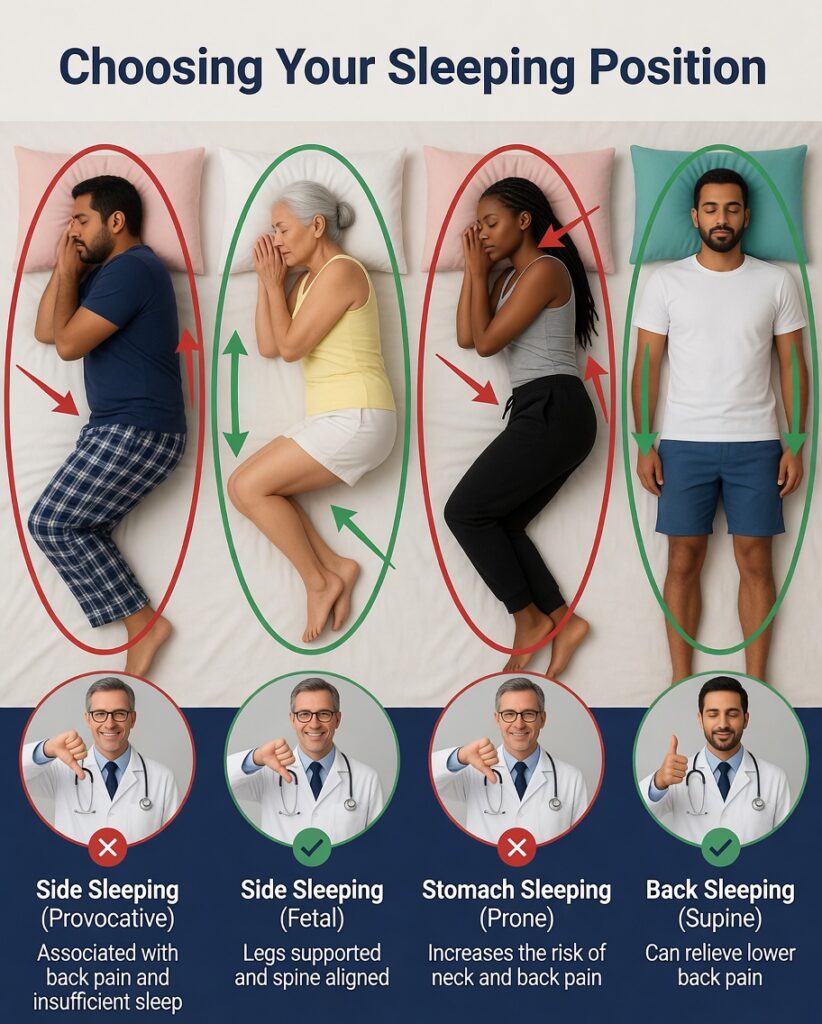
Sleeping on Your Left Side: A Simple Change That Can Improve Reflux, Digestion, and Deep Sleep
Have you ever woken up still exhausted—stiff, sore, or dealing with aches you can’t quite explain? Many adults over 50 struggle with restless nights and uncomfortable mornings. But here’s an often-overlooked question: what if your sleeping position is quietly undermining your health without you realizing it?
Stay with this to the end, because one small adjustment in how you sleep may noticeably improve your energy, mood, and even how well your body recovers overnight.
Why Sleep Often Gets Harder After 50
As we age, sleep naturally changes. It’s common to:
- Wake up multiple times during the night
- Experience neck or back discomfort
- Get out of bed feeling tired rather than refreshed
Many people try to solve this by buying a new mattress, investing in expensive pillows, or taking sleep supplements. Yet one crucial factor is frequently ignored: proper body alignment during sleep.
How the Wrong Sleeping Position Can Affect Your Body
When you sleep in a position that doesn’t support your body well:
- The spine can shift out of alignment
- Muscles may remain tense instead of relaxing
- Blood circulation may be less efficient
Over time, these issues can contribute to chronic pain, ongoing fatigue, and even breathing that feels restricted during the night. The good news is that small changes in sleeping posture can lead to meaningful improvements.
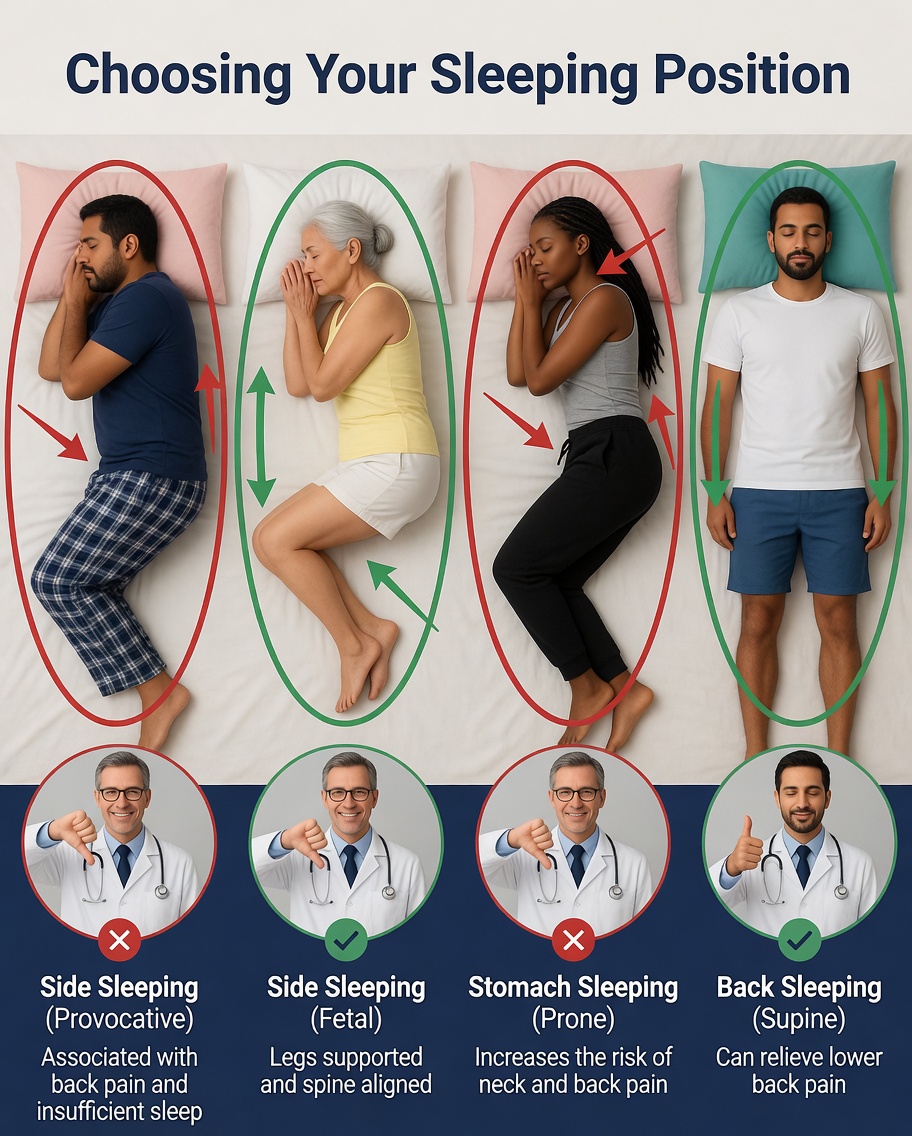
Sleeping on Your Back: Support for Spinal Alignment
For many people, sleeping on the back can help keep the spine in a more neutral position and reduce pressure on the lower back.
To make this position more comfortable:
- Use a thin pillow under your head
- Place another pillow under your knees to support the natural curve of the spine
Many sleepers report less lower-back pain and a more rested feeling in the morning when this setup is done correctly.
Sleeping on Your Side: Helpful for Snoring and Easier Breathing
Side sleeping is often a strong option if you:
- Snore
- Feel like you don’t breathe as freely at night
- Prefer a position that reduces airway collapse
This posture can help keep the airways more open, allowing smoother airflow. For best results, use a pillow that keeps your neck aligned with your spine, which can reduce tension and morning stiffness.
Why Sleeping on Your Left Side Is Often Recommended
A particularly beneficial variation is sleeping on your left side, especially for people who struggle with:
- Acid reflux (GERD)
- Nighttime heartburn
- Digestive discomfort
In this position, the stomach sits in a way that makes it harder for acid to travel back up into the esophagus. The result can be fewer reflux episodes and a more comfortable, uninterrupted night.
The Fetal Position: Comfort and Joint Pressure Relief (When Done Right)
Many people naturally curl into a fetal-like posture with knees gently bent. When your back isn’t overly rounded, this position may:
- Reduce pressure on joints
- Feel calming and secure
- Make it easier for the body to relax into sleep
The key is avoiding excessive curling that strains the spine or compresses the chest.
Small Adjustments That Make Any Sleeping Position Better
No matter which position you choose, a few simple changes can improve comfort and alignment:
- Choose a pillow that keeps your head and neck neutral
- If you sleep on your side, place a pillow between your knees to reduce hip and lower-back strain
- Keep a consistent sleep schedule so your body learns a natural rhythm of rest
What Many People Notice After a Few Weeks
With consistent changes, many sleepers begin to experience:
- Less pain and stiffness in the morning
- Better mental clarity during the day
- Improved digestion
- More steady energy for daily life
This happens because the body is finally able to rest, reset, and repair more efficiently overnight.
A Simple Step Toward Better Sleep Starting Tonight
Imagine how you could feel in 30 days—lighter, more rested, and more motivated to move through the day. Improving sleep doesn’t always require complicated routines or expensive solutions. Sometimes, the biggest progress starts with a simple shift in how you position your body in bed.
Tonight, take a moment to notice your posture as you lie down. Adjust your pillow, align your spine, and let your body settle into a position that feels natural and supported. Small changes can create surprisingly big results.