A Simple Banana Habit That May Support Better Energy and Digestion
Many people deal with uneven energy during the day, occasional stomach discomfort, and the feeling that healthy eating has to be complicated to make a difference. Bananas are often a go-to choice because they are familiar, convenient, and naturally nourishing. Yet for some, they do not seem to deliver the lasting fullness or digestive support they expected.
Often, the missing piece is not the banana itself, but the way it is prepared and how ripe it is when eaten. That detail can affect important compounds such as fiber and resistant starch.
A small change in your routine may help you get more from this everyday food.
Why Saba Bananas Are Different
Saba bananas, commonly called cardaba or cooking bananas in many places, are widely used in Filipino cooking and other regional cuisines. Unlike typical dessert bananas that turn sweet and yellow as they ripen, saba bananas are firmer, starchier, and often eaten cooked rather than raw.
When boiled, saba bananas become soft, satisfying, and easy to include in meals or snacks. They are especially interesting from a wellness perspective because less-ripe bananas contain resistant starch, a carbohydrate that is not fully broken down in the small intestine.
Instead of being digested right away, resistant starch passes into the large intestine, where it can nourish beneficial gut bacteria. Research suggests this fermentation process may help create short-chain fatty acids, which are linked to a healthier digestive environment.

For this reason, boiled saba bananas, especially when prepared while still green or only slightly ripe, can offer more digestive and energy-related benefits than very sweet, fully ripened bananas. They may be a better fit for people who want slower, steadier fuel instead of a quick sugar rush.
The Main Benefit: Resistant Starch in Saba Bananas
Resistant starch works in the body somewhat like a gentle form of fiber. Because it is digested more slowly, it may help support fullness and a more gradual release of energy.
Key benefits of resistant starch may include:
- Feeding beneficial gut bacteria and helping maintain digestive balance
- Supporting steadier blood sugar responses after eating
- Providing longer-lasting energy without sharp rises and crashes
Greener bananas usually contain much more resistant starch than ripe ones. As the fruit matures, this starch gradually changes into simple sugars, making the banana sweeter and easier to digest.
Boiling does not remove all of the resistant starch. Instead, it can make saba bananas more enjoyable to eat while still preserving useful amounts of this nutrient.
Studies on banana starch, including cooking banana varieties such as saba, show that unripe bananas can contain very high levels of resistant starch. In some cultivars, it may make up more than half of the total starch content. That makes boiled green saba bananas a simple and accessible option for adding this compound to your diet.
How Boiled Saba Bananas May Help Gut Health and Daily Energy
When cooked properly, saba bananas can offer several practical advantages for everyday wellness.
1. They may help support the gut microbiome
The resistant starch reaches the colon, where gut bacteria ferment it into beneficial compounds. This process may help support a healthier intestinal environment.
2. They can promote digestive comfort
The combination of fiber and resistant starch may encourage regular bowel function and help reduce occasional bloating or digestive irregularity.
3. They provide steadier fuel
Because saba bananas are rich in complex carbohydrates, they may release energy more gradually than highly refined carbohydrate foods. This can be helpful for avoiding mid-morning or afternoon energy dips.
Many people enjoy boiled saba bananas on their own, lightly seasoned, or mashed as a side dish. This method keeps the food simple and wholesome, without relying on extra sugar or heavy fats.
The Most Common Mistake
The biggest mistake is using very ripe, yellow saba bananas for boiling if your goal is digestive support and sustained energy.
As saba bananas ripen, much of their resistant starch turns into simpler sugars. The fruit becomes sweeter, but it also loses part of the quality that makes it especially helpful for gut health and slower energy release.
Ripe boiled saba bananas still provide valuable nutrients such as:
- Potassium
- Fiber
- Vitamins
However, they no longer offer the same resistant starch profile as greener bananas.
If you want to maximize these specific benefits, choose saba bananas that are firmer and greener, with little yellowing and no excessive softness. These less-ripe bananas tend to keep more resistant starch even after boiling. Very ripe ones can still be delicious in other recipes, but they are not the best option for this particular purpose.
How to Boil Saba Bananas Properly
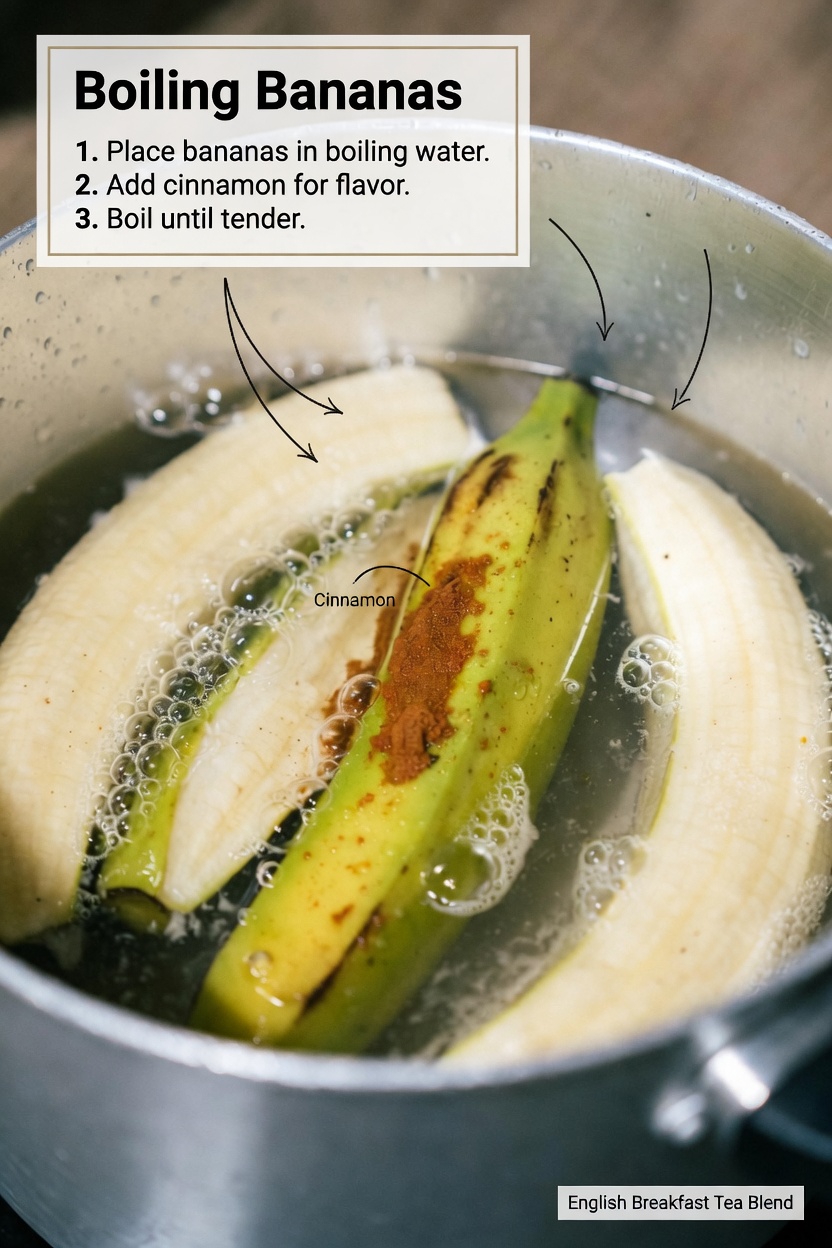
To get the most from boiled saba bananas, follow these simple steps:
- Choose 4 to 6 saba bananas that are firm and still leaning green.
- Rinse them well under running water.
- Leave the peel on during cooking to help protect nutrients.
- Put them in a pot and add enough water to cover them completely.
- Add a small pinch of salt if you want a little extra flavor.
- Bring the water to a boil.
- Lower the heat and simmer for 15 to 25 minutes.
- Check with a fork. They should be tender but not falling apart.
- Drain the water and let them cool slightly.
- Peel while still warm, since the skin usually comes off more easily this way.
You can enjoy them in several ways:
- Plain
- Mashed with a little cinnamon
- Served beside savory dishes
- Mixed into breakfast foods
A useful tip: some research suggests that cooling cooked starches may create a bit more retrograded resistant starch. In bananas, this effect is likely modest, but letting them cool before eating may still be worth trying.
Green vs. Ripe Boiled Saba Bananas
Here is a quick comparison to help you choose the right stage of ripeness.
Green or firm saba bananas
- Higher in resistant starch
- Less sweet and more neutral in taste
- Better suited for digestive support and steadier energy
- Firmer texture after boiling
Ripe saba bananas
- Lower in resistant starch
- Higher in simple sugars
- Sweeter flavor
- Softer texture and faster digestion
- Still nutritious due to potassium, fiber, and vitamins
If your main goal is gut-friendly nutrition and more stable energy, greener saba bananas are the better choice.
Easy Ways to Make This a Regular Habit
Adding boiled saba bananas to your routine does not have to be difficult. A few small strategies can make it easier to stay consistent:
- Start with two servings a week, such as at breakfast or as an afternoon snack
- Pair them with protein like eggs, yogurt, or nuts for a more balanced meal
- Buy several at once and use the greenest ones first
- Mash them into oatmeal for a filling breakfast
- Blend cooked saba into smoothies for a different texture and flavor
These small habits can make saba bananas feel like an easy and enjoyable part of your weekly meals.
Final Thoughts
Boiled saba bananas can be a simple, natural addition to a routine focused on digestive comfort, more stable energy, and greater variety in whole foods. The key is choosing less-ripe bananas and cooking them in a way that helps preserve their resistant starch.
The next time you shop, look for firm saba bananas and try boiling them instead of waiting for them to become fully sweet. That small choice may help support better digestion and more consistent energy throughout the day.
FAQ
How long should saba bananas be boiled?
Usually 15 to 25 minutes, depending on their size. They should be tender when pierced with a fork, but still hold their shape.
Can I eat boiled saba bananas every day?
Yes, they can be part of a balanced daily diet. They are filling, versatile, and nutrient-rich. Still, eating a variety of fruits and vegetables is always a good idea.
What if I only have ripe saba bananas?
Ripe saba bananas are still a healthy food and provide potassium, fiber, and vitamins. Just remember that they contain less resistant starch than greener ones, so the gut-support and sustained-energy benefits may be lower.