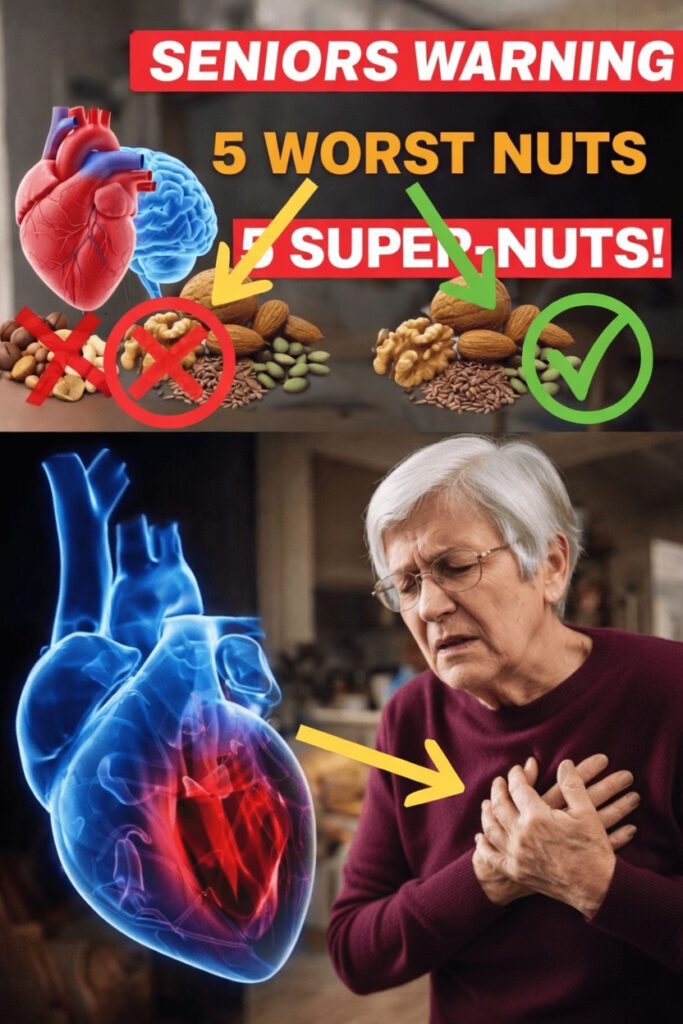
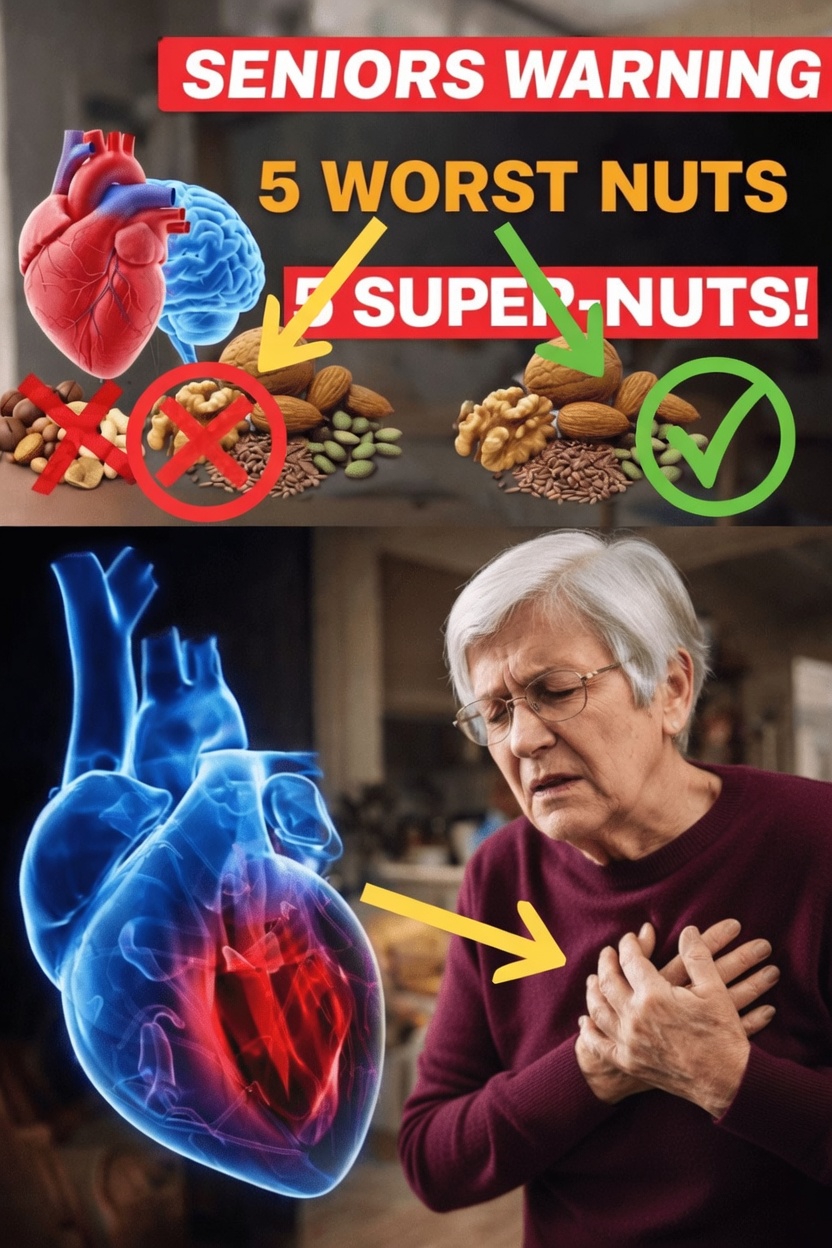
Smart Nut Choices for Seniors: 5 to Limit and 5 Heart-Healthy Picks to Enjoy
As the years go by, the heart works hard every day, and even small food choices can either support that effort or make it more difficult. Many older adults reach for nuts because they are widely seen as a healthy snack packed with protein and beneficial fats.
That idea is partly true, but not every nut is equally helpful after 60. Some kinds are more calorie-dense, harder to process, or less ideal for aging bodies with slower metabolism and changing digestion. The good news is that a few simple swaps can make snacking feel lighter and more heart-friendly.
In this guide, you will discover five nuts seniors may want to eat less often, along with five standout options that offer stronger daily benefits.
Why Nut Selection Matters More After Age 60
Nuts are known for providing:
- Plant-based protein
- Fiber
- Healthy fats
- Long-lasting energy
Research, including reviews referenced by the Mayo Clinic, suggests that unsalted nuts eaten in moderation can help support heart health and cholesterol balance. However, after 60, the body does not always handle food the same way it once did.
Older adults may notice:
- Slower digestion
- Changes in how fats are metabolized
- Greater sensitivity to portion size
- More need to manage cholesterol, blood pressure, or kidney health
That is why both the type of nut and the amount eaten matter. Some are excellent everyday choices, while others are better enjoyed occasionally.
5 Nuts Seniors May Want to Limit
These nuts do not need to be avoided completely, but many seniors may benefit from eating them less often or replacing them with lighter alternatives.
1. Macadamia Nuts
Macadamias are rich, creamy, and satisfying, but they are also among the highest in calories and fat of all common nuts. For seniors, that extra density may feel heavier on digestion and can become a concern if portions get too large.
Because aging bodies may process fats more slowly, frequent overconsumption could also contribute to higher triglyceride levels. A small serving is fine, but many older adults do better with less calorie-heavy choices.
2. Brazil Nuts
Brazil nuts are famous for their selenium content. While selenium plays an important role in thyroid function and overall health, too much can become a problem over time.
Just two or three Brazil nuts can exceed the daily selenium needs of most adults. In seniors, excessive intake may potentially affect energy, skin, or hair. A safer approach is to enjoy only one or two nuts a few times per week rather than eating them daily.
3. Cashews
Cashews are popular and versatile, but compared with almonds or walnuts, they contain more saturated fat. They also have oxalates, which may be a concern for people paying attention to kidney comfort or stone risk.
For seniors trying to maintain healthy cholesterol levels or looking for a lighter-feeling snack, nuts richer in monounsaturated fats may be a better fit.
4. Peanuts
Although commonly grouped with nuts, peanuts are technically legumes. They can still be part of a balanced diet, but they come with a few extra concerns.
Peanuts have a greater risk of aflatoxin contamination if not stored properly, and they are also more likely to trigger allergic reactions than many tree nuts. Seniors focused specifically on heart-supportive snacking often prefer tree nuts with stronger omega-fat profiles and fewer storage concerns.
5. Pine Nuts
Pine nuts are small, flavorful, and often expensive, but they do not provide the same level of heart-focused nutrition per calorie as walnuts or pistachios.
They can also cause an unusual side effect in some people called "pine mouth," which leaves a metallic or bitter taste that lingers. For older adults seeking the most nutritional value from each serving, pine nuts are not always the best first choice.

5 Super-Nuts Every Senior Should Add to the Menu
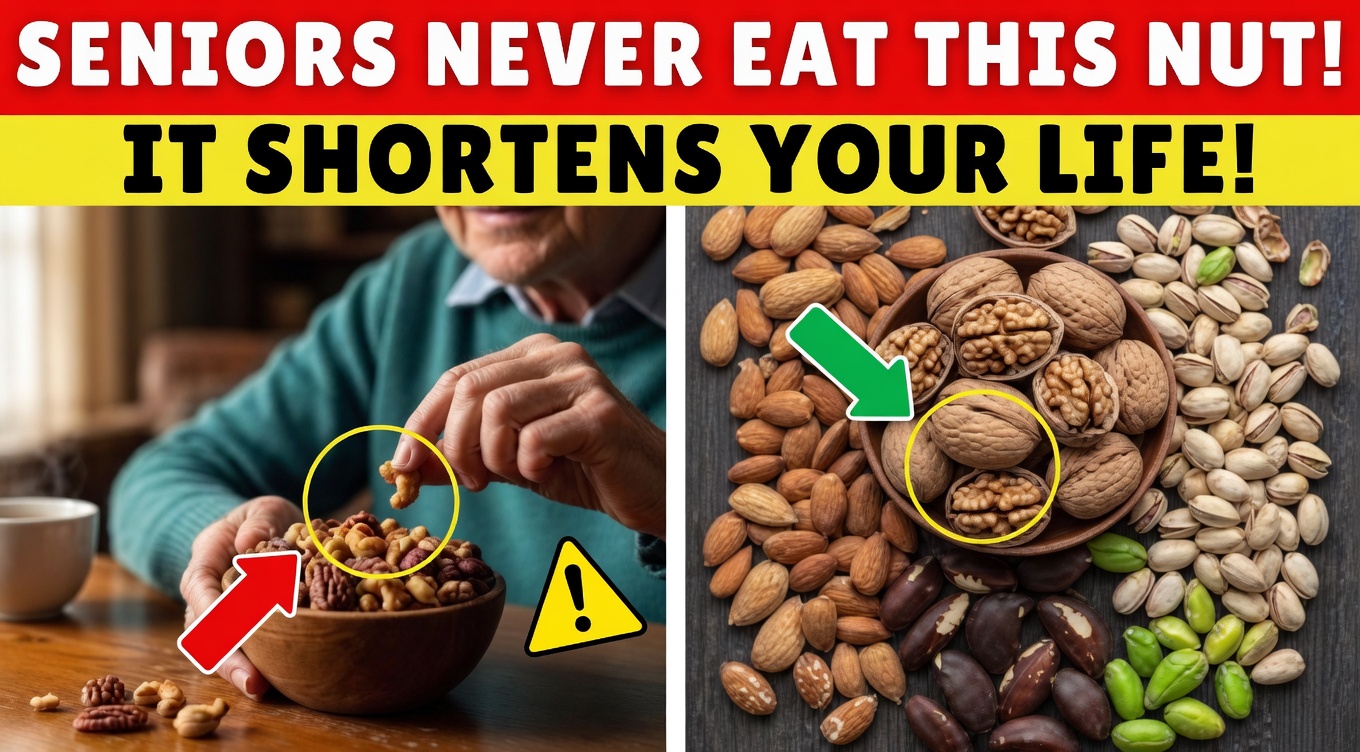
If you want nuts that offer a better mix of nutrition, easier digestion, and research-supported cardiovascular benefits, these five rise to the top. Including about one ounce per day from this group can be a smart upgrade to your routine.
1. Walnuts
Walnuts are one of the best options for older adults because they provide plant-based omega-3 fatty acids. Studies have linked them to improved artery function and lower markers of inflammation.
They are also often associated with brain health, making them especially appealing for seniors. A small handful can be added to:
- Oatmeal
- Salads
- Yogurt
- Whole-grain cereal
2. Almonds
Almonds are packed with vitamin E, magnesium, fiber, and heart-friendly fats. Large nutrition reviews have associated them with healthier cholesterol levels and better overall cardiovascular support.
They also offer a satisfying crunch without feeling too heavy. Keeping the skin on adds extra antioxidants, making them an excellent everyday snack.
3. Pistachios
Pistachios stand out for their potassium content and antioxidant benefits. Research suggests they may help support healthy blood pressure balance, which is especially important with age.
Another advantage is portion control. Because many people eat them in the shell, they naturally slow down and become more mindful of how much they are consuming. Their bright green color also makes meals and snacks more appealing.
4. Pecans
Pecans contain gamma-tocopherol, a form of vitamin E known for its antioxidant properties. This makes them useful for helping the body manage daily oxidative stress.
Their naturally mild sweetness makes them easy to enjoy in many ways, such as:
- Mixed into oatmeal
- Sprinkled over roasted vegetables
- Added to yogurt
- Used in homemade snack blends
5. Hazelnuts
Hazelnuts, also called filberts, offer a strong combination of vitamin E and healthy fats. They are often included on heart-friendly food lists because they help support steady energy and cardiovascular wellness.
Their delicate flavor works well with fruit, dark chocolate, or plain yogurt, making them a great option when you want something satisfying without overdoing it.
Quick Comparison Table
| Nut Type | Main Heart Benefit | Best Way to Eat | Suggested Daily Portion |
|---|---|---|---|
| Walnuts | Plant-based omega-3s | Chopped over oatmeal or salad | 7 to 8 halves |
| Almonds | Vitamin E and fiber | Raw or dry-roasted, unsalted | 22 to 24 nuts |
| Pistachios | Potassium and antioxidant support | In-shell for slower eating | 45 to 50 kernels |
| Pecans | Antioxidant protection | Added to yogurt or vegetables | 15 to 20 halves |
| Hazelnuts | Healthy fats for steady energy | Mixed with dried fruit | 18 to 20 nuts |
Easy Tips to Start Using Today
Making better nut choices does not need to be complicated. These simple habits can help you get the most benefit:
- Choose raw or dry-roasted unsalted nuts to reduce sodium intake.
- Stick to about one ounce, which is roughly a small cupped handful.
- Keep nuts in the refrigerator to preserve freshness and reduce the chance of rancidity.
- Mix two or three of the top nuts together for an easy grab-and-go snack.
- Pair nuts with fruit or yogurt to promote fullness and slower digestion.
- Introduce one new super-nut this week and pay attention to how your energy feels.
Healthy Habits That Work Well Alongside Nuts
Nut choices are even more effective when combined with a few simple heart-supportive routines.
Try to:
- Take a daily walk, even if it is only 10 minutes
- Drink enough water so the fiber in nuts moves comfortably through digestion
- Read labels on packaged nut mixes and avoid ones with added sugar, salt, or oils
- Combine nuts with other heart-supportive foods such as leafy greens and fatty fish
Many seniors find that these small, consistent habits are easier to maintain than strict diet changes and deliver better long-term results.
Final Thoughts: Small Swaps, Big Support
Choosing better nuts after 60 can be a simple but meaningful way to care for your heart. By cutting back on heavier options and making room for more nutrient-dense choices like walnuts, almonds, pistachios, pecans, and hazelnuts, daily snacking becomes more supportive and balanced.
These small adjustments may help you feel lighter, more satisfied, and more steady in your energy over time. Your body works hard for you every day, and even tiny changes like this can make a real difference.
FAQ
How many nuts should seniors eat per day?
A good target is one ounce daily, or about a small handful. This amount offers nutritional benefits without adding too many calories or overwhelming digestion.
Can seniors with high cholesterol still eat nuts?
Yes. Unsalted nuts such as almonds and walnuts are often part of heart-healthy eating plans because they contain beneficial fats and fiber. Still, it is best to speak with your doctor for guidance based on your personal health needs.
Are all nuts equally good for heart health?
No. Some nuts provide more omega-3s, antioxidants, or heart-supportive nutrients than others. The five super-nuts listed above tend to rank higher in research, while the others are usually better in smaller amounts.
Important Note
This article is for educational purposes only and should not replace professional medical advice. Always consult your healthcare provider before changing your diet, especially if you have a medical condition or take prescription medications.