Corn Silk Tea: A Traditional Herbal Infusion
Maize (corn) produces long, silky threads known as corn silk, called “pelo de elote” or “maize beard” in Spanish. These fine strands have been used for generations in Latin American herbal medicine to make soothing infusions. Corn silk tea is often enjoyed for its potential benefits related to hydration, urinary health, and overall well‑being.
Corn silk tea provides plant compounds, antioxidants, and minerals that may support several body functions when consumed in moderation.
What Is Corn Silk?
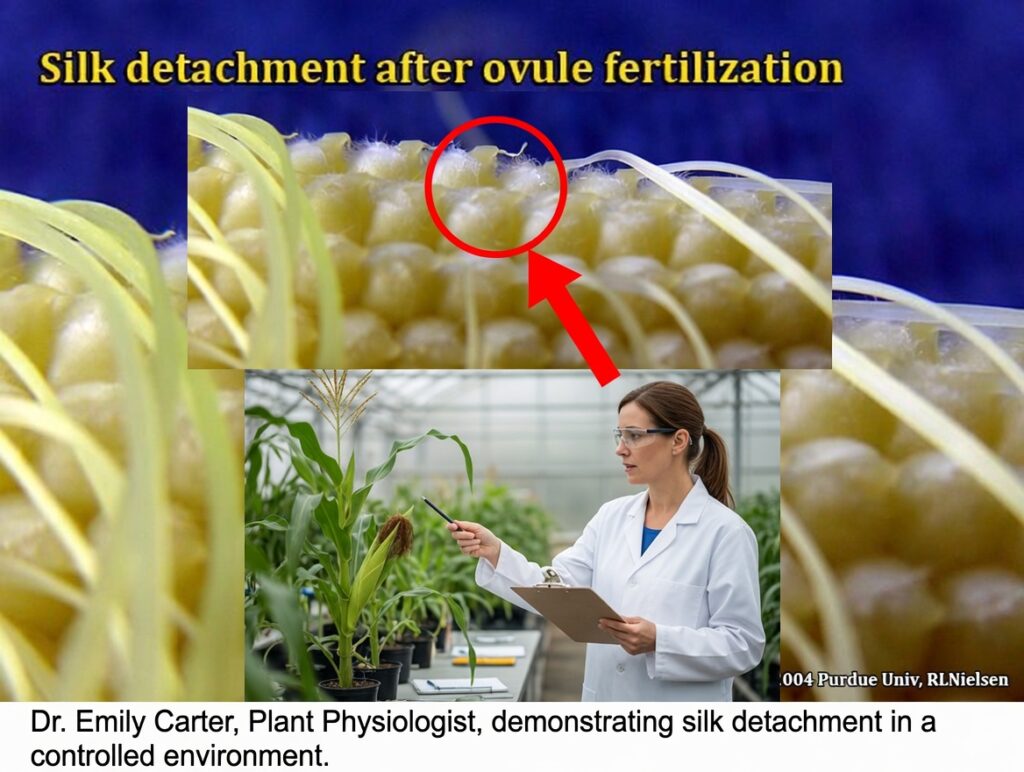
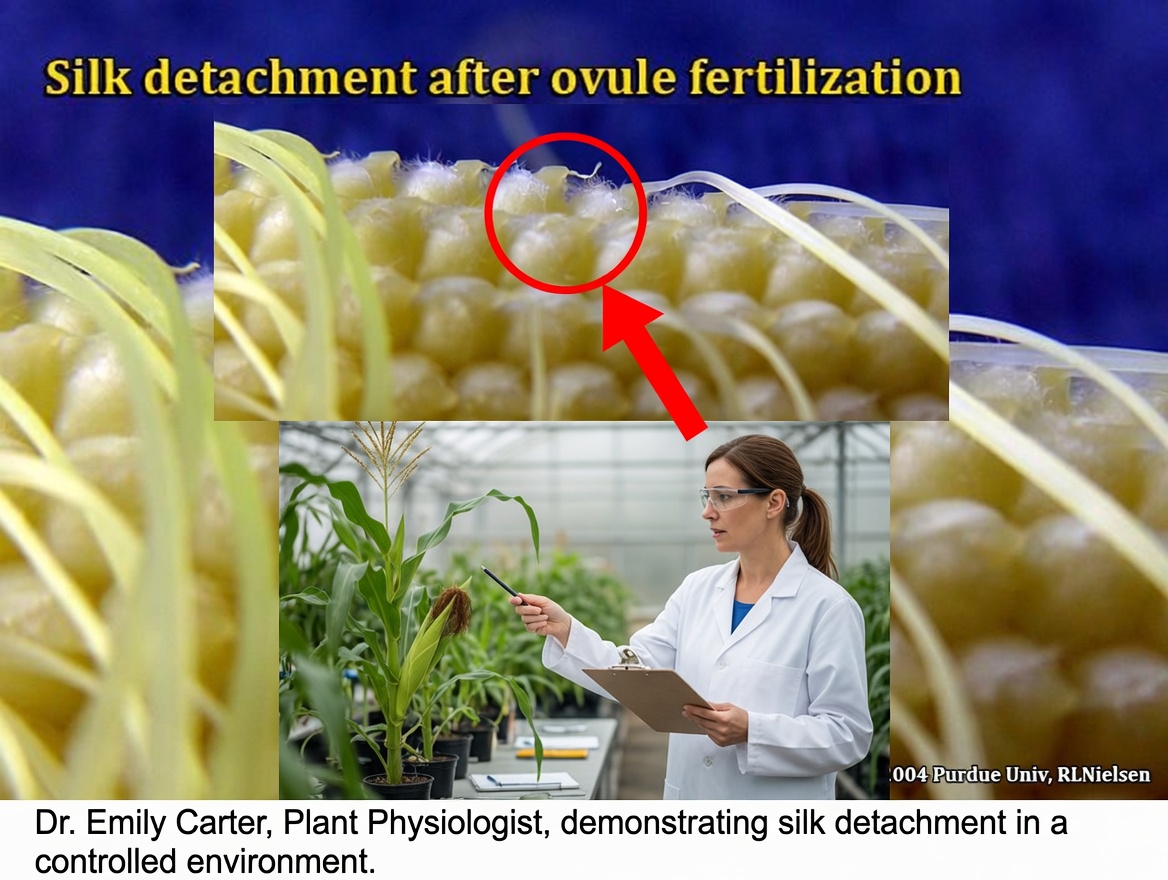
The thin, hair‑like fibers that emerge from the top of an ear of corn are actually the female part of the corn plant. Once they are harvested and dried, many people use them to prepare natural herbal teas at home.
Main Benefits of Corn Silk Tea
Below are some of the most commonly mentioned traditional benefits of corn silk tea. These uses come mainly from herbal practice and early research, and should always complement, not replace, medical care.
1. Support for the Urinary System
Corn silk has long been used as a natural diuretic, meaning it may help the body increase urine output and flush out excess fluids. This traditional use is associated with supporting kidney function and urinary tract health.
When combined with adequate water intake, it may assist in managing mild fluid retention.
2. May Help Kidney Health
In herbal medicine, corn silk tea is often recommended to promote general kidney and urinary tract wellness.
Some people drink it as an additional support measure when they want to care for their kidneys or help reduce occasional urinary discomfort, always alongside appropriate medical guidance.
3. Support for Blood Sugar Management
Early studies suggest that certain compounds in corn silk may have a role in helping regulate blood glucose levels in people with type 2 diabetes. However, this research is still preliminary.
Corn silk tea should never replace prescribed diabetes treatments, medications, or lifestyle recommendations from a healthcare professional.
4. Antioxidant Properties
Corn silk contains antioxidants that can help combat oxidative stress in the body. By neutralizing free radicals, these compounds may contribute to overall wellness and support the health of tissues, including the skin.
5. May Aid Digestion
Some people find that drinking corn silk tea after meals helps ease feelings of heaviness or digestive discomfort. While evidence is mostly anecdotal, it is commonly used as a gentle, soothing after‑meal beverage.
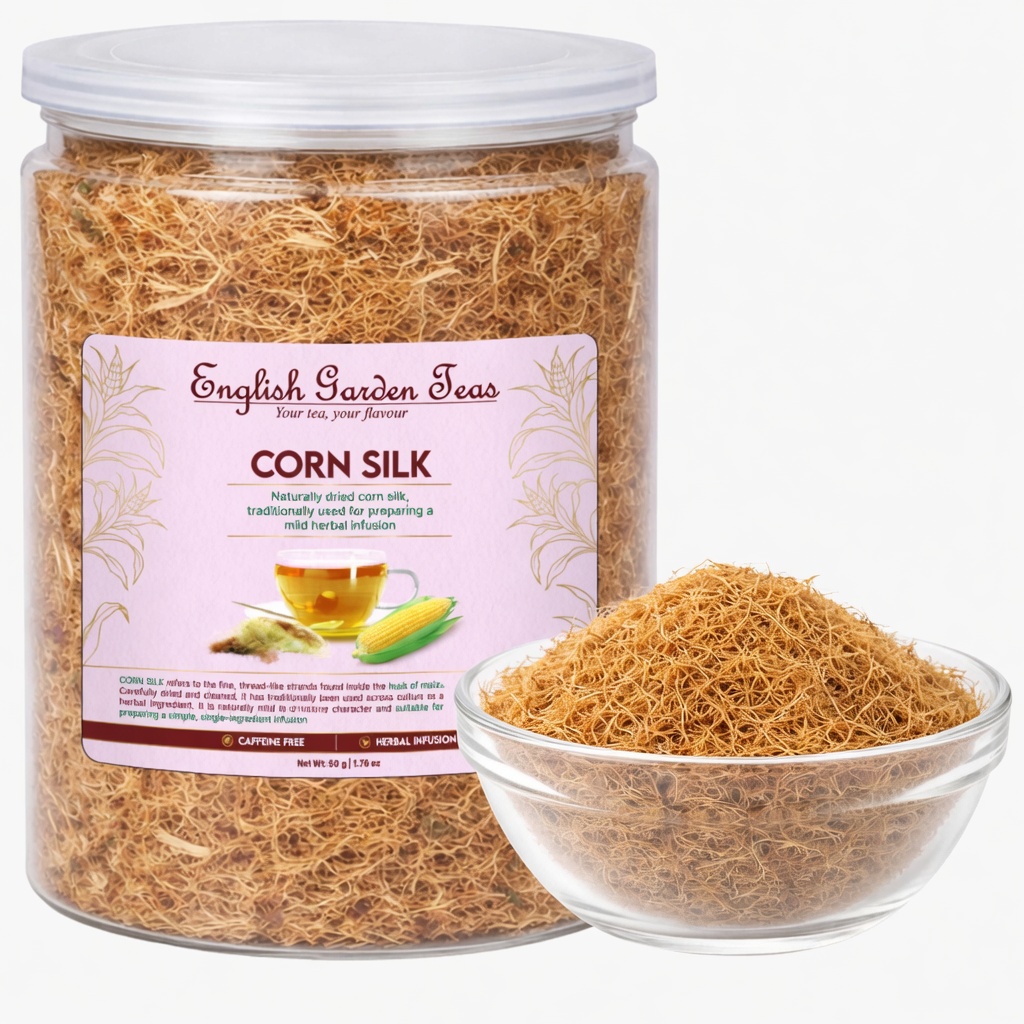
How to Prepare Corn Silk Tea
Ingredients
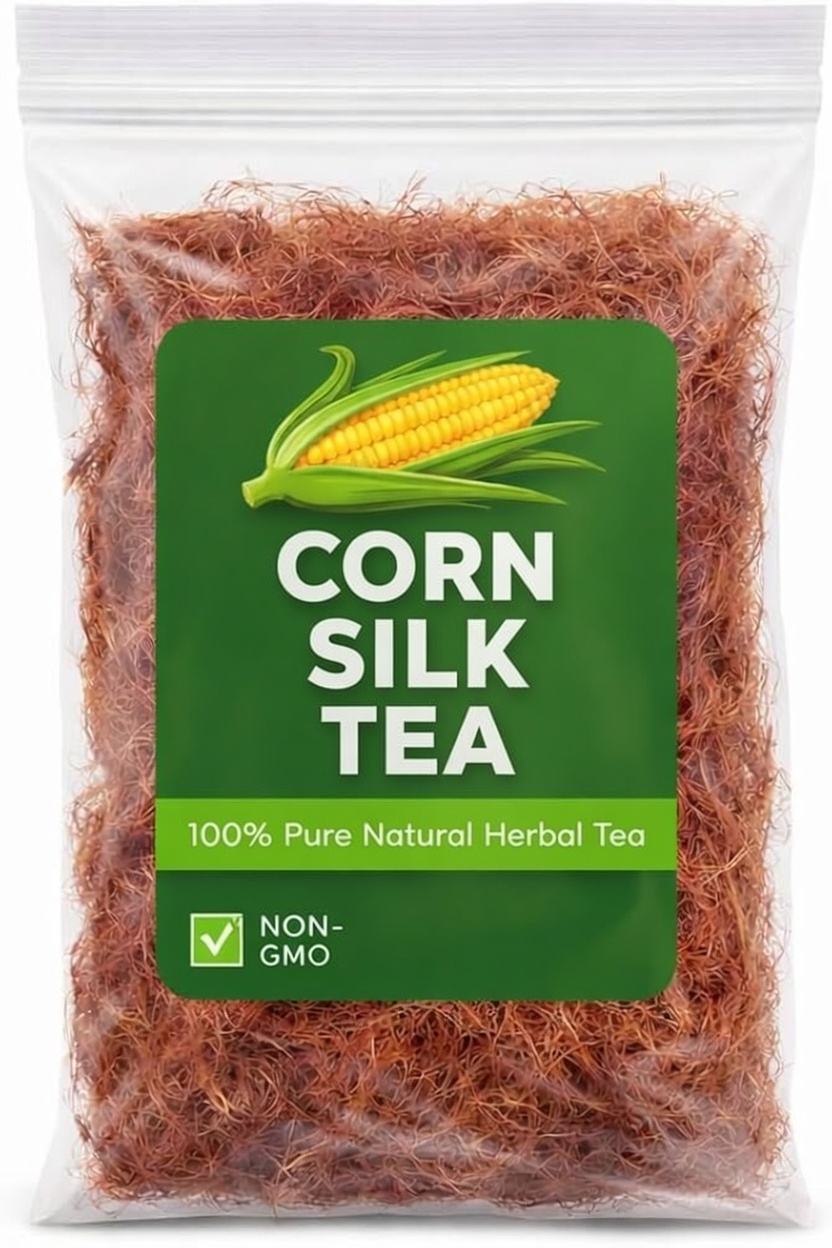
- 1 tablespoon of dried corn silk
- 1 cup of water
Instructions
- Bring the water to a boil.
- Add the dried corn silk.
- Remove from heat and let it steep for 10 to 15 minutes.
- Strain the infusion and drink it warm.
Many people choose to drink this tea once or twice a day, depending on their needs and tolerance.
Important Safety Tips
- Consume corn silk tea in moderation; avoid excessive intake.
- Do not use it if you are allergic or sensitive to corn or corn products.
- Individuals with kidney disease, chronic health conditions, or those taking prescription medications should consult a doctor before using corn silk tea regularly.
Conclusion
Corn silk tea is a traditional herbal infusion that may help support hydration, urinary function, and general well‑being thanks to its plant compounds and antioxidant content. Even so, it is not a substitute for medical treatments and should be used as part of a balanced, healthy lifestyle and under professional guidance when there are existing health conditions.