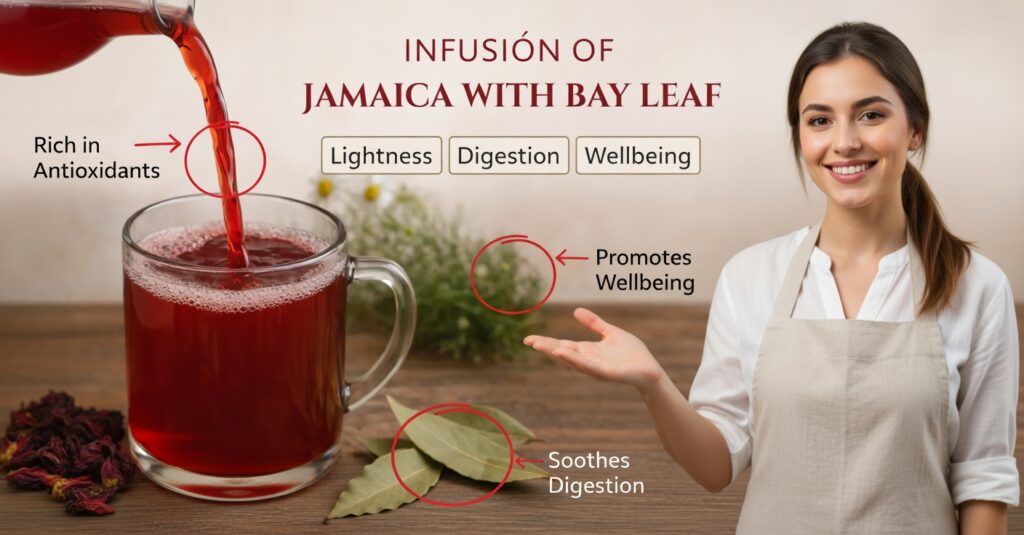
Hibiscus and Bay Leaf Tea: Recipe and Benefits
Hibiscus and bay leaf tea is a traditional home remedy that many people turn to when they want extra support for metabolic and circulatory wellness. In my family, this infusion became popular because my grandmother used it while she was working on managing her blood sugar and blood pressure. She also noticed she felt less bloated and her digestion seemed smoother. Of course, every body reacts differently, and this is not a substitute for medical treatment, but it can be an interesting complementary drink when used thoughtfully.
This tea combines hibiscus flowers, bay leaves, and chamomile — three herbs known for their plant compounds, digestive support, and gentle effect on hydration and circulation. When consumed regularly, many people report feeling less heavy, experiencing better digestion, and enjoying an overall sense of “lightness,” especially when they pair it with a cleaner diet and less sugar.
Below you’ll find why this tea is commonly used, how to prepare it correctly, how to drink it safely, and the benefits typically associated with its ingredients.
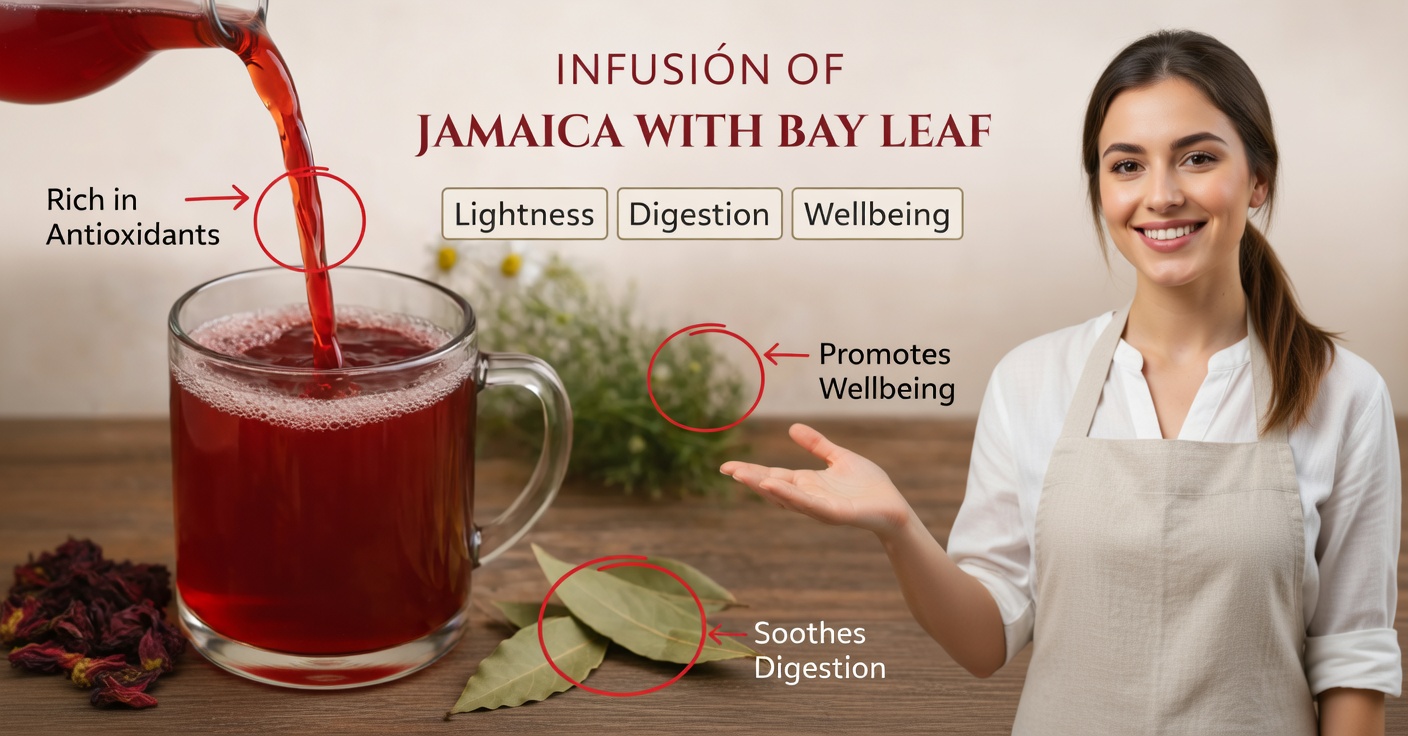
Why Hibiscus and Bay Leaf Tea Is Used
This herbal blend draws attention because it seems to work on several fronts at once:
- Hibiscus: Rich in antioxidants and often used as a mild cleansing and diuretic beverage.
- Bay leaf: Traditionally used to support digestion, circulation, and metabolic health.
- Chamomile: Famous for its calming and digestive properties, especially helpful when stress and stomach discomfort trigger cravings or poor eating habits.
Together, hibiscus, bay, and chamomile tea is often used to support routines focused on hydration, digestion, fluid retention, and overall balance. For people monitoring blood sugar or blood pressure, this type of infusion can be one element of a larger strategy that also includes nutrition, movement, sleep, and regular health checkups — not a stand‑alone solution.
Recipe: How to Make Hibiscus and Bay Leaf Tea
Ingredients (for 1 liter)
- 2 tablespoons dried hibiscus flowers
- 4 bay leaves
- 1 tablespoon chamomile (or 2–3 whole chamomile flowers)
- 1 liter of water
- Optional: 1 teaspoon honey (ideally very little)
Preparation
- Bring 1 liter of water to a boil.
- Once boiling, add the hibiscus, bay leaves, and chamomile.
- Let it simmer for about 5 minutes (avoid longer boiling so it doesn’t become overly concentrated).
- Turn off the heat and allow the infusion to steep for 10 minutes.
- Strain and transfer the tea to a glass jug or container.
Practical tip: If you are cutting down on sugar, drink it unsweetened. If you need to soften the flavor, add just a small amount of honey or a hint of cinnamon instead (optional).
How to Drink It (Traditional Routine)
This is how my grandmother used to take it: simple, consistent, and without overdoing the amounts:
- 1 cup in the morning on an empty stomach (only if your stomach tolerates it well).
- 1 cup in the afternoon, ideally about 1 hour after a meal.
For How Long to Take It
A common traditional pattern is:
- 21 days in a row
- 7 days off
- Repeat if desired, always paying attention to how your body responds.
If you are tracking blood sugar or blood pressure, it is wise to note your readings to see if anything changes. If you are on medication, talk to your doctor so you can avoid sudden drops or interactions.
Potential Benefits of This Infusion
Without treating it as a “cure-all,” these are benefits often mentioned when hibiscus and bay leaf tea with chamomile is used as part of a healthy lifestyle:
- Helps support daily hydration.
- May assist with fluid retention due to its mild diuretic profile.
- Supports digestion and can reduce feelings of heaviness after meals.
- Provides plant-based antioxidants, especially from hibiscus.
- May help reduce the perception of bloating after heavy or high‑salt meals.
- With chamomile, can promote a sense of relaxation (useful if stress disrupts your habits).
- May help create a calmer nighttime routine when taken warm and unsweetened.
- Can complement dietary plans aimed at supporting blood sugar and blood pressure (as an aid, not a replacement for treatment).
Traditional Properties of Each Ingredient
Hibiscus Flowers
- Contain natural antioxidant pigments.
- Traditionally used as a cleansing, digestive, and refreshing beverage.
- Commonly associated with feeling “lighter,” especially when dealing with swelling or bloating.
Bay Leaves
- Traditionally used to support digestion, circulation, and metabolic balance.
- Often included in infusions for their aroma and essential oil compounds.
Chamomile
- Widely used for digestive discomfort, gas, and mild stomach upset.
- Traditionally connected with relaxation and better rest.
Important Precautions (Read Carefully)
Avoid this tea or get medical advice before using it if:
- You are pregnant or breastfeeding.
- You take medications for diabetes or high blood pressure (it could influence your numbers and require dose adjustments).
- You frequently have low blood pressure, are dehydrated, or use diuretics.
- You are allergic to any of the ingredients.
- You have serious gallbladder issues or very sensitive digestive conditions.
Golden rule: If you notice dizziness, weakness, sudden drops in blood pressure, strong acidity, or any significant discomfort, stop using the tea and consult a health professional.
Conclusion
Hibiscus and bay leaf tea with chamomile is a simple, flavorful traditional recipe that many people use to support digestion, fluid balance, and overall well‑being. If your goal is to complement habits that protect blood sugar and blood pressure, this infusion can be a reasonable ally, as long as you use it in moderation, avoid “miracle” expectations, and keep regular medical follow‑up if you are on medication.