Bougainvillea Tea: Natural Support for Your Respiratory Health
Bougainvillea tea is a time‑honored home remedy, widely appreciated in traditional medicine for its soothing effects on the respiratory system. This herbal infusion, prepared from the colorful bracts of the bougainvillea plant, is commonly used across Latin America as a natural aid to ease cough, reduce fever, and help clear the lungs.
Beyond its striking fuchsia, purple, or pink tones in gardens and patios, bougainvillea is considered a powerful plant for natural care. Its bracts contain antioxidant, anti‑inflammatory, and expectorant compounds that support respiratory health and overall well‑being.
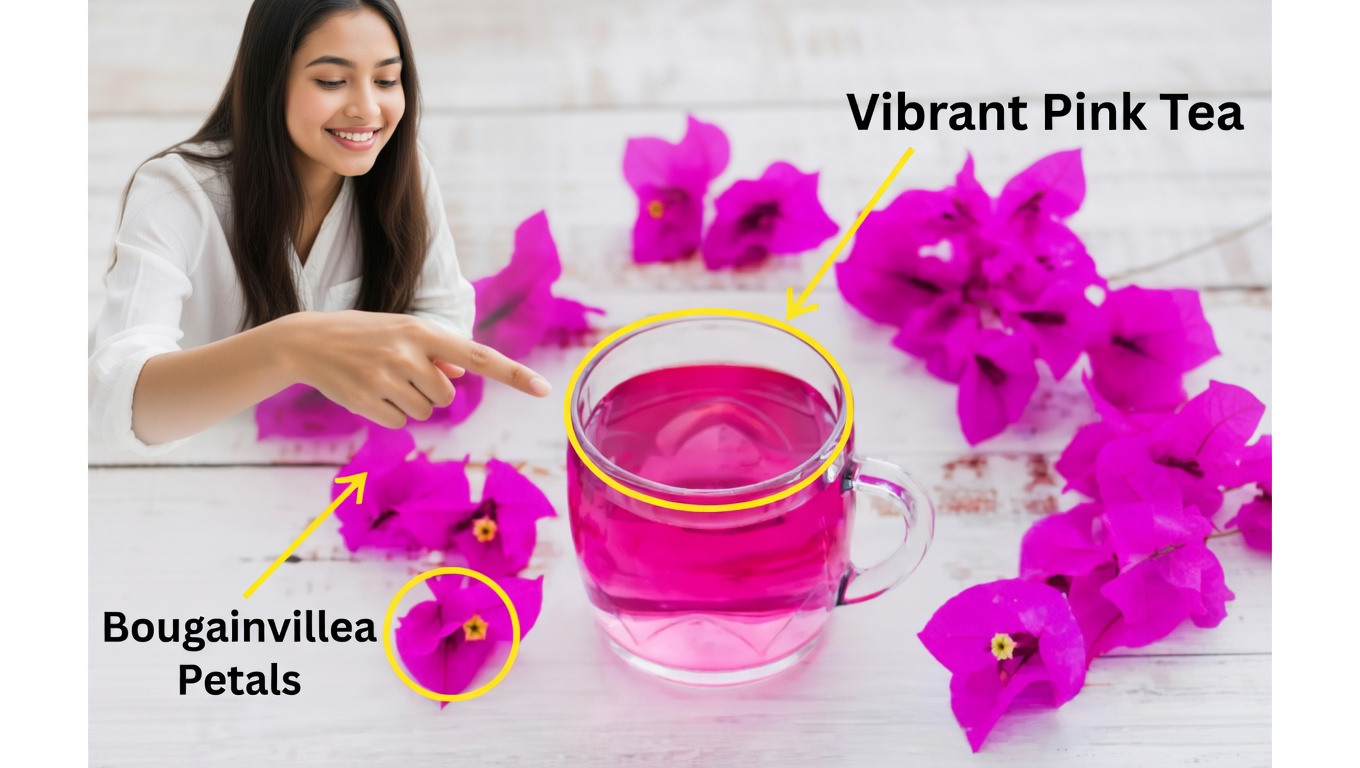
What Is Bougainvillea?
Bougainvillea (Bougainvillea spp.) is a climbing plant native to Brazil and widely grown in warm climates such as Mexico, Colombia, the Dominican Republic, and many other tropical and subtropical regions. It is easily recognized by its vivid papery bracts that surround tiny white flowers. While many see it purely as an ornamental vine, traditional medicine systems have used bougainvillea for generations for its healing properties.
For herbal tea, the colorful bracts are the main part used. They contain flavonoids, tannins, and various plant compounds that can help calm irritation, fight infections, and assist in expelling mucus from the respiratory tract.
Key Benefits of Bougainvillea Tea
Drinking bougainvillea tea regularly during episodes of flu, cough, or nasal and chest congestion may offer several benefits. Here are the main advantages associated with this traditional remedy:
1. Natural Relief for Cough
Bougainvillea tea acts as a gentle, natural cough soother. It helps lubricate and calm the throat, decreasing the urge to cough repeatedly. It is especially helpful for dry, tickly, or irritating coughs.
2. Lung and Bronchial Cleansing
This infusion can support the removal of built‑up mucus from the lungs and bronchial tubes, which may ease breathing and lessen chest tightness. It is often used by people dealing with bronchitis or those exposed to pollution and irritants.
3. Help in Eliminating Phlegm
Thanks to its expectorant action, bougainvillea tea encourages the body to expel phlegm more easily. Clearing excess mucus is essential for a faster and more comfortable recovery from respiratory infections.
4. Mild Fever Reduction
Bougainvillea tea is believed to have a gentle antipyretic (fever‑reducing) effect. It may help lower mild fever associated with colds, flu, and other respiratory illnesses when used as a complementary remedy.
5. Sore Throat Relief
The plant’s anti‑inflammatory and mild antiseptic properties can help ease pain and swelling in the throat. Sipping the warm tea can provide comforting relief from scratchiness and irritation.
6. Support During Cold and Flu
Beyond symptom relief, bougainvillea tea is traditionally used to support the immune system and promote a quicker recovery from common colds and flu. It can be combined with other healthy habits such as rest, hydration, and a balanced diet.
7. Digestive Comfort
Although best known for its respiratory benefits, bougainvillea tea may also help with minor digestive issues. It can gently calm indigestion, reduce gas, and ease abdominal bloating for some people.
How to Prepare Bougainvillea Tea
Making bougainvillea flower tea at home is simple and requires just a few natural ingredients.
Ingredients
- 5 to 7 clean bougainvillea bracts (flowers/bracts washed thoroughly)
- 1 cup of water
- Honey or lemon (optional, for flavor and extra benefits)
Instructions
- Rinse the bougainvillea bracts well under running water to remove dust or impurities.
- Bring 1 cup of water to a boil in a small pot.
- Add the bougainvillea bracts to the boiling water.
- Let it boil gently for about 5 minutes.
- Remove from heat, cover the pot, and allow the tea to steep for another 5 minutes.
- Strain the infusion into a cup.
- Serve warm. You may sweeten with honey or add a few drops of fresh lemon juice if desired.
This preparation is easy, affordable, and can be consumed once or twice a day while symptoms persist.
When to Drink Bougainvillea Tea
You can start drinking bougainvillea tea at the first signs of a cold, such as throat tickling, mild congestion, or a slight fever. It is also commonly used throughout a flu episode to help speed up recovery and keep symptoms under control.
For best results, many people prefer to drink it in the morning to open the airways and again at night to sleep more comfortably.
Precautions and Contraindications
Although bougainvillea tea is a natural remedy, it is not suitable for everyone. It is generally advised to avoid its use in the following cases:
- Pregnant women
- Breastfeeding women
- People with known allergies to flowering plants or bougainvillea
- Children under 2 years of age
- Long‑term or excessive use without medical supervision
If you have chronic health conditions, take medication, or are unsure whether this tea is safe for you, consult a healthcare professional before using it.
Conclusion
Bougainvillea tea is a valued traditional remedy for easing cough, clearing the lungs, and helping to expel phlegm. It can also aid in reducing fever, soothing sore throat, and supporting the body during colds and flu. Simple to prepare and inexpensive, this herbal infusion can be a useful addition to your natural wellness toolkit.
Consider including bougainvillea tea as part of your home remedies for respiratory support, always paying attention to precautions and your body’s response. And remember: if symptoms are severe, worsen, or do not improve, seek advice from a medical professional.