Supporting Kidney Health with Smarter Fat Choices
Concerns about kidney health can be stressful, especially when simple daily decisions—like which fats to cook with or add to meals—start to feel important. People who are noticing early kidney function changes, or who simply want to protect their kidneys over time, often run into mixed nutrition advice. That confusion can be even greater because kidney health and heart health are closely connected.
The encouraging part is that you do not need a perfect diet to make meaningful progress. Choosing healthier fats more often, while limiting less beneficial ones, can support overall wellness in a practical way. This guide covers the best fats to include, the ones to reduce, and one easy hydration habit that can fit into almost any day.
Why Fat Quality Matters for Kidney Wellness
Fat is an important part of a balanced diet. It supplies energy, helps the body absorb fat-soluble vitamins, and supports healthy cells. But when kidney support is a goal, the kind of fat you eat matters more than many people realize.
Groups such as the National Kidney Foundation emphasize the value of unsaturated fats over saturated and trans fats. This matters because healthier fat choices can improve cardiovascular health, and stronger heart and blood vessel health may reduce added stress on the kidneys. Issues like high blood pressure and unhealthy cholesterol levels can affect kidney function over time.
Unsaturated fats—including monounsaturated and polyunsaturated fats—are generally linked with healthier cholesterol patterns. By contrast, saturated fats and trans fats may contribute to plaque buildup in blood vessels and increase long-term health risks.

4 Healthy Fats to Include More Often
Many kidney-friendly eating patterns recommend the following fats because of their supportive nutritional profile.
1. Olive Oil
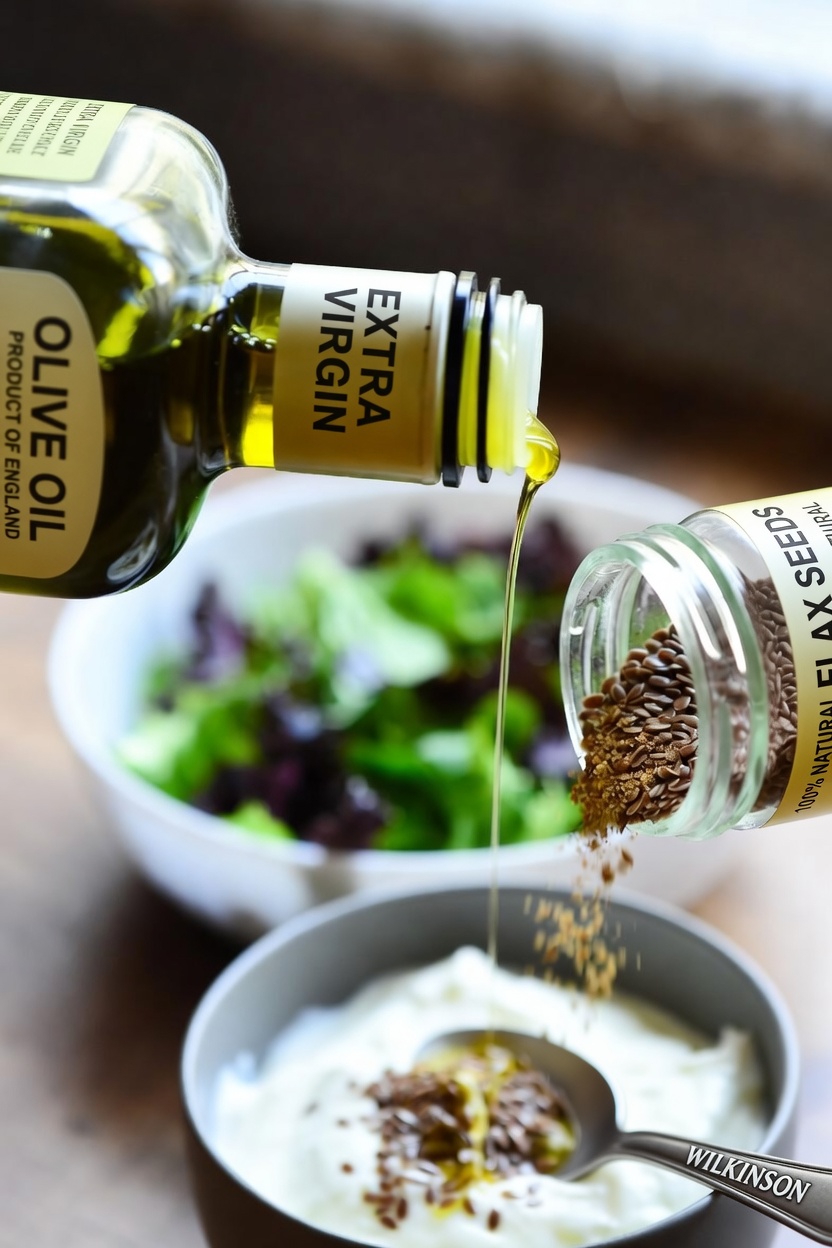
Olive oil is rich in monounsaturated fat and contains antioxidants such as oleic acid. It is widely used in heart-supportive diets and works well in salad dressings, drizzling over vegetables, or light cooking. Research suggests it may help reduce oxidative stress, making it a smart staple in the kitchen.
2. Canola Oil
Canola oil has a mild taste and offers a good balance of monounsaturated fats along with some omega-3 fatty acids. It is a practical option for everyday cooking, including roasting and sautéing, thanks to its versatility and relatively high smoke point.
3. Avocado Oil
Avocado oil provides monounsaturated fats similar to those found in olive oil. It also contains lutein and other helpful compounds. Because it handles higher temperatures well, it is a great choice for pan-cooking or sautéing, while still bringing a smooth, subtle flavor to meals.
4. Fatty Fish Such as Salmon
Salmon and other fatty fish are excellent sources of omega-3 polyunsaturated fats. These fats may help support a healthy inflammatory response. For a lighter kidney-conscious meal, choose baked, grilled, or broiled preparations instead of frying.
Adding these fats to your routine can be simple. Try using olive oil on salads, canola oil for stir-fries, or including salmon in your weekly meal plan. Portion awareness still matters, so aim to fit them into your overall dietary needs.
4 Fats to Limit for Better Kidney and Heart Support
No single food has to be completely forbidden, but some fats are better enjoyed less often—especially if kidney health is a concern.
1. Butter and Full-Fat Dairy Fats
Butter, cream, and other full-fat dairy products tend to be high in saturated fat. Eating too much saturated fat may raise LDL cholesterol over time, which can affect both heart and kidney health.
2. Processed Meats and Fried Foods
Foods such as sausages, bacon, fried chicken, and fast food are often high in saturated fat. Some may also contain hidden trans fats, depending on how they are prepared or processed.
3. Coconut Oil and Palm Oil
Although plant-based, coconut oil and palm oil are much higher in saturated fat than oils like olive, canola, or avocado oil. That does not mean they must be avoided completely, but moderation is important.
4. Trans Fats in Packaged Snacks
Some baked snacks, pastries, and older-style margarines may still contain partially hydrogenated oils, which are a source of trans fats. Many manufacturers have reduced their use, but reading ingredient labels remains a smart habit.
Quick Fat Comparison Guide
| Fat Type | Common Examples | Why Limit It? | Better Alternative |
|---|---|---|---|
| Saturated fats | Butter, fatty cuts of meat | May raise LDL cholesterol over time | Olive oil or canola oil |
| Trans fats | Some packaged baked goods | Can negatively affect heart health | Natural oils or fresh foods |
| Tropical oils | Coconut oil, palm oil | Higher in saturated fat | Avocado oil |
| Fried and processed fats | Fast food, chips | Often paired with excess sodium and poor-quality fats | Baked fish or roasted vegetables |
Small substitutions like these can make a real difference without making meals feel restrictive.
An Easy Hydration Habit: Cucumber-Infused Water
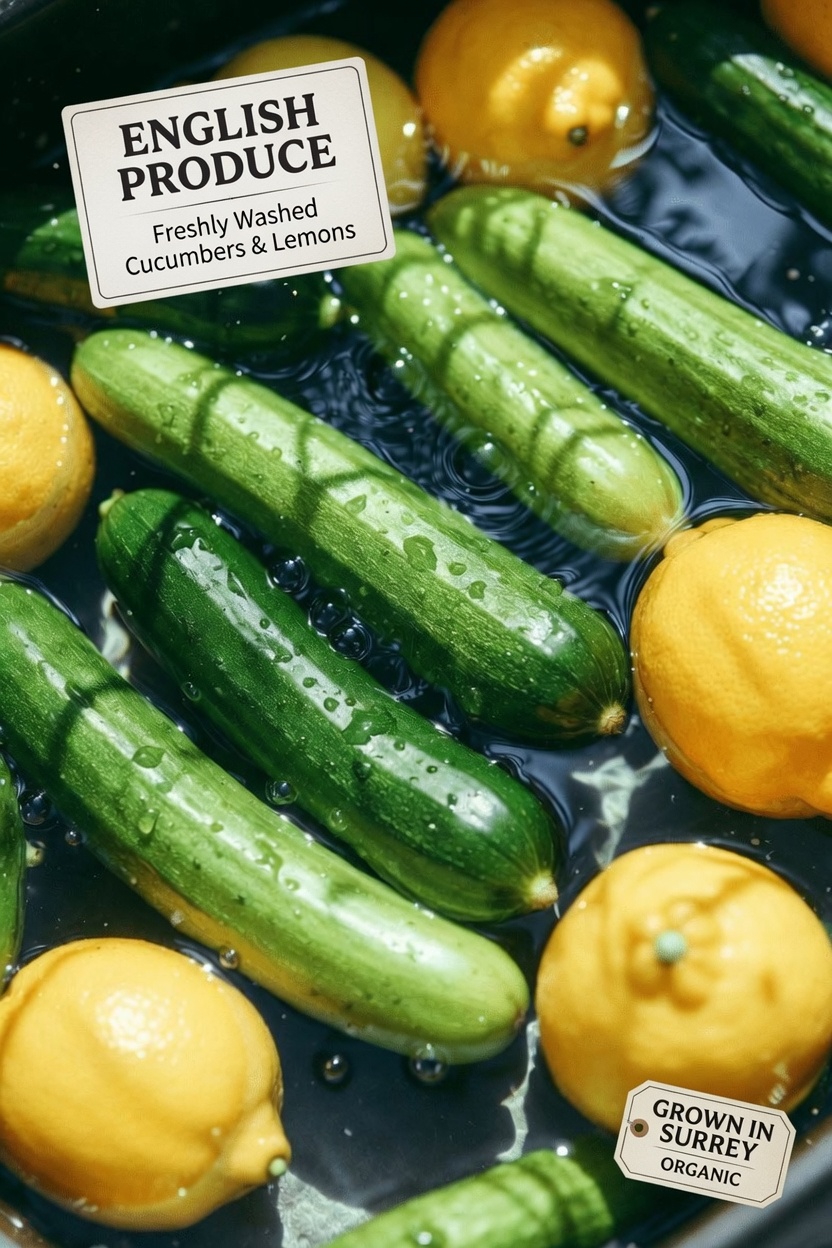
Good hydration supports the kidneys’ natural filtering process. One simple way to drink more fluids is to make cucumber-infused water. Cucumbers are made up of about 95% water, so they add freshness and flavor without adding many calories.
Just slice fresh cucumber into a pitcher or bottle of water and let it sit for a while before drinking. The result is a light, refreshing taste that often makes it easier to sip throughout the day. This can help support normal waste removal and fluid balance.
Many people especially enjoy cucumber water during hot weather because it feels cooling and easy to drink. If you like, you can add a little lemon for extra flavor, while still keeping it light.
Practical Steps You Can Start Today
If you want to make kidney-friendly changes without overcomplicating your routine, begin with a few small actions:
- Check the oils you currently use and swap one saturated-fat option for olive oil or canola oil this week.
- Add fatty fish such as salmon to your meals twice a week using simple seasonings and light cooking methods.
- Make a pitcher of cucumber water in the morning so it is ready throughout the day.
- Read labels on packaged snacks to look for hidden saturated fats or partially hydrogenated oils.
- Pay attention to how you feel as these habits become more consistent, including energy, comfort, and overall well-being.
These are manageable steps that can support lasting habits rather than short-term changes.
Final Thoughts
Being selective about the fats you eat, along with maintaining healthy hydration, is a practical way to support both kidney health and heart health. Progress comes from steady, realistic choices—not perfection. For the best results, combine these habits with guidance from your healthcare provider or a registered dietitian who understands your personal needs.
Frequently Asked Questions
What are the best cooking oils for kidney-friendly meals?
Olive oil, canola oil, and avocado oil are often recommended because they are rich in unsaturated fats and work well in a variety of cooking methods.
How much fat should I eat each day?
Rather than eliminating fat, focus on improving fat quality. Replace less helpful fats with unsaturated fats while keeping your overall diet balanced. A dietitian can help you determine the right amount for your health needs.
Can better hydration really help the kidneys?
Yes. Drinking enough fluids helps the kidneys process and remove waste more efficiently. Easy options like cucumber water can make staying hydrated more enjoyable and easier to maintain.