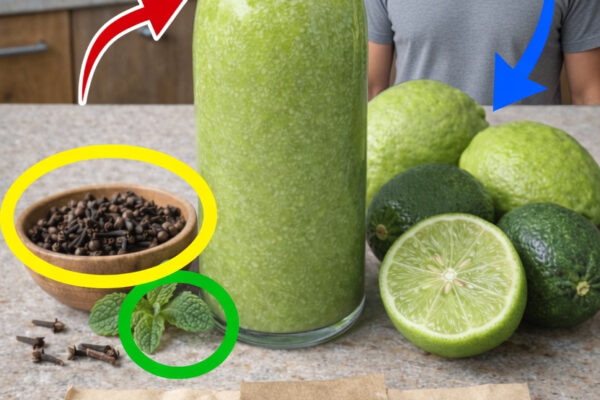
How to Make Lemon Water the Right Way for Maximum Health Benefits
Lemon water has become a wellness staple, praised for supporting digestion, boosting hydration, and promoting glowing skin. Yet many people miss out on its full potential simply because they prepare it incorrectly. This guide explains how to make lemon water properly so you can get the most nutrients and the best flavor from every glass.
Common Mistakes When Making Lemon Water
1. Pouring Boiling Water Over the Lemon
Using boiling water is one of the biggest mistakes. Extremely hot water can:
- Damage heat-sensitive vitamin C
- Reduce other beneficial antioxidants
- Draw out bitter compounds from the peel, making your drink unpleasantly sharp
For the best results, always use warm or room temperature water instead of water straight off the boil.
2. Skipping the Lemon Wash
Not washing the lemon thoroughly before use can introduce:
- Pesticide residues
- Dirt or dust
- Other surface contaminants
This is especially important if you use the peel or slices in your drink. Always rinse and gently scrub the lemon under running water before cutting it.
3. Using Only a Tiny Squeeze of Lemon
Adding just a quick squeeze of lemon and calling it done can leave you with:
- Weak flavor
- Fewer nutrients
- Minimal health benefits
To truly enjoy the advantages of lemon water, you need enough juice or slices and a good stir so the lemon is properly distributed throughout the glass.
The Correct Way to Make Lemon Water
Ingredients
- 1 fresh, ripe lemon
- 1–2 cups of warm or room temperature water (avoid boiling water)
Step-by-Step Instructions
1. Clean and Prep the Lemon
- Rinse the lemon under cool, running water.
- Gently scrub the surface to remove any dirt, wax, or pesticide residue.
- If you want a very mild flavor, you can peel the lemon first. Keep in mind, though, that much of the fiber and beneficial plant compounds (flavonoids) are found in the peel and white pith.
2. Choose the Right Water Temperature
- Heat water until it is warm but not boiling, or simply use room temperature water.
- Warm water helps release flavor and nutrients from the lemon without damaging heat-sensitive vitamins.
3. Slice or Squeeze the Lemon
You can prepare lemon water in two main ways:
-
Using slices for a gentle infusion
- Cut the lemon into thin rounds.
- Add a few slices to your cup or jug of water.
- This method offers a lighter taste and a slow infusion of flavor and nutrients.
-
Using juice for a stronger, quicker drink
- Cut the lemon in half.
- Squeeze about half a lemon into the water.
- Use a fork or a citrus reamer to press out as much juice as possible.
- Stir well so the juice mixes evenly.
4. Let It Infuse
- If you’re using lemon slices, allow the water to sit for several minutes to deepen the flavor.
- For an even stronger infusion, leave the lemon water in the refrigerator for a few hours or overnight.
5. Optional Add-Ins for Extra Benefits
Boost both flavor and health benefits by adding:
- Fresh mint leaves for a cooling, digestion-friendly twist
- A slice of fresh ginger to support digestion and warmth
- A pinch of turmeric for anti-inflammatory properties
- A dash of cinnamon to help balance flavor and add a hint of sweetness
Mix gently so the ingredients are evenly distributed.
6. When and How to Drink Lemon Water
- Enjoy a glass first thing in the morning to rehydrate after sleep and support digestion.
- Sip throughout the day as a refreshing, low-calorie beverage instead of sugary drinks.
Final Thoughts
By avoiding common mistakes—like using boiling water, neglecting to wash the lemon, or adding only a token squeeze—you can significantly improve both the taste and the nutritional value of your lemon water. Prepare it with care, drink it regularly, and you’ll be better positioned to enjoy its digestion, hydration, and skin-supporting benefits as part of your daily routine.