Dates and Bone Health: A Natural Way to Support Stronger Bones
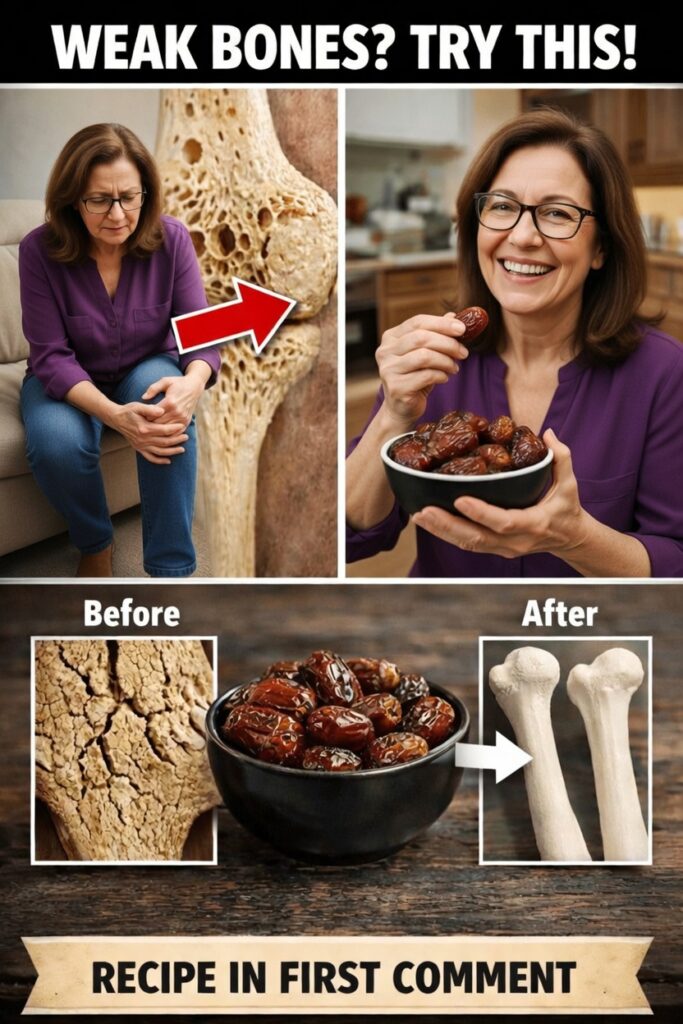
Dates are a naturally sweet, energy-dense dried fruit enjoyed worldwide as a snack and sugar alternative. As we grow older, keeping our bones strong becomes a major priority—especially for those concerned about thinning bones, osteoporosis, or reduced mobility.
Worries about fragile bones, increased risk of fractures, and difficulty performing everyday tasks tend to rise with age. As bone density gradually declines, many people experience discomfort, reduced independence, and lifestyle limitations. The encouraging news is that everyday food choices can contribute to better bone support when combined with an overall healthy lifestyle.
This guide explains how dates can fit into a bone-supportive diet, highlights their key nutrients, and offers simple ways to add them to your routine.
Why Bone Health Becomes More Important With Age
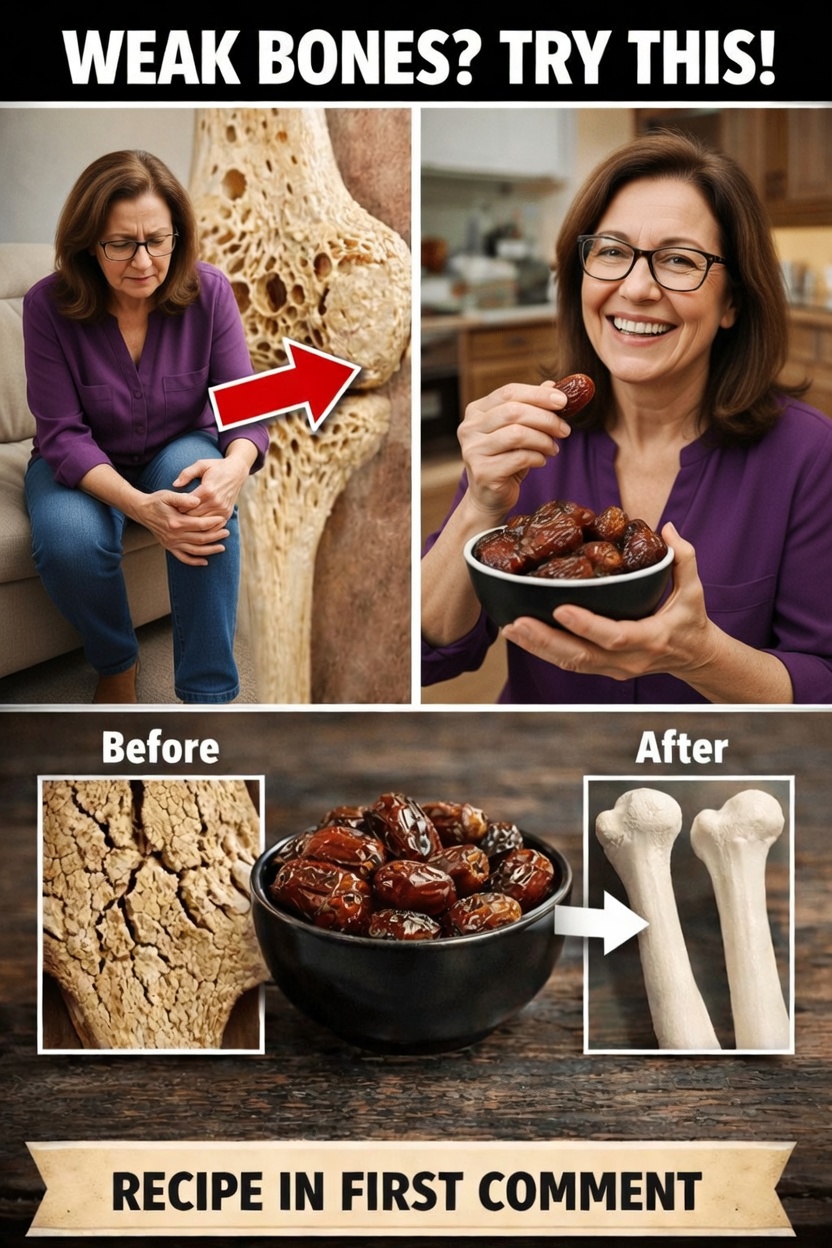
Bone is not a static structure—it is living tissue that continually breaks down and rebuilds. In youth and early adulthood, the body builds bone faster than it loses it. After reaching peak bone mass, the goal shifts to maintaining strength and preventing excessive loss.
Several factors influence how well you preserve bone over time, including:
- Nutrition and mineral intake
- Physical activity, especially weight-bearing exercise
- Overall lifestyle habits (such as smoking and alcohol use)
Adequate amounts of certain minerals and vitamins are essential for maintaining bone density and structure. Research consistently shows that diets rich in bone-supportive nutrients from whole foods are associated with better bone mineral density as we age.
The Nutritional Profile of Dates
Dried dates—such as Medjool and Deglet Noor—offer a compact source of energy and micronutrients. A typical 100 g serving (roughly 4–5 dates, depending on size) provides meaningful amounts of minerals that matter for bone health, including:
- Potassium – Helps regulate acid–base balance in the body and may support retaining calcium in bones.
- Magnesium – Involved in bone formation and helps regulate how calcium is used and stored.
- Phosphorus – Partners with calcium to form the mineral framework that gives bones their structure.
- Manganese, copper, and selenium – Trace minerals that contribute to bone tissue maintenance and antioxidant defenses.
- Smaller amounts of calcium – Along with dietary fiber, natural sugars for quick energy, and a range of antioxidants.
Studies emphasize that these minerals, when obtained regularly from whole foods, can contribute to overall skeletal support. Dates offer a convenient way to add several of these nutrients at once.
In addition, dates contain antioxidants such as flavonoids and phenolic compounds. These help counter oxidative stress—an imbalance of free radicals in the body—that can indirectly influence bone health over time.
How Dates May Contribute to Bone Wellness
Dates are not a miracle cure for bone conditions, but their nutrient content lines up well with what bones need for maintenance and resilience. Some key roles of date nutrients include:
-
Magnesium
- Helps activate vitamin D, which is essential for efficient calcium absorption.
- Supports the formation and mineralization of bone tissue.
-
Potassium
- May reduce the amount of calcium lost in urine, helping keep more minerals available for bone.
-
Phosphorus
- Combines with calcium to form hydroxyapatite—the mineral compound that gives bones hardness and strength.
-
Trace minerals (manganese, copper, selenium)
- Support enzymes involved in bone formation.
- Provide antioxidant protection, which may help protect bone cells from damage.
While individual foods cannot prevent or treat bone diseases on their own, observational data and nutrient analyses suggest that diets including mineral-rich foods like dates are often associated with more favorable bone health patterns.
Key Bone-Related Minerals in Dates (Approximate per 100 g)
Here is a general look at how dates contribute to daily mineral needs:
-
Magnesium: ~43 mg
- Roughly 10–15% of daily needs
- Supports bone-building and mineralization processes
-
Potassium: ~656 mg
- Around 14–20% of daily requirements
- Helps maintain mineral balance and may support bone preservation
-
Phosphorus: ~62 mg
- Contributes to the bone matrix and structural integrity
-
Manganese and copper (trace amounts)
- Aid antioxidant defenses and connective tissue health, both relevant to bone support
For best results, dates should be paired with other bone-supportive foods—especially calcium-rich choices such as dairy, fortified plant milks, tofu, sesame seeds, or leafy greens, along with vitamin D from sunlight, fatty fish, fortified foods, or supplements if recommended.
Simple Ways to Add Dates to Your Daily Routine
One of the biggest advantages of dates is how easy they are to incorporate into everyday meals and snacks. Here are practical ideas:
-
Snack on them plain
- Enjoy 2–4 dates on their own for a quick mid-morning or afternoon pick-me-up.
-
Enhance your breakfast
- Chop dates into oatmeal or porridge.
- Mix them into yogurt with nuts and seeds.
- Blend into smoothies as a natural sweetener.
-
Make energy bites or bars
- Process dates with nuts, seeds, oats, and a little cocoa or cinnamon.
- Roll into balls or press into bars for a no-bake, portable snack.
-
Use as a natural sweetener
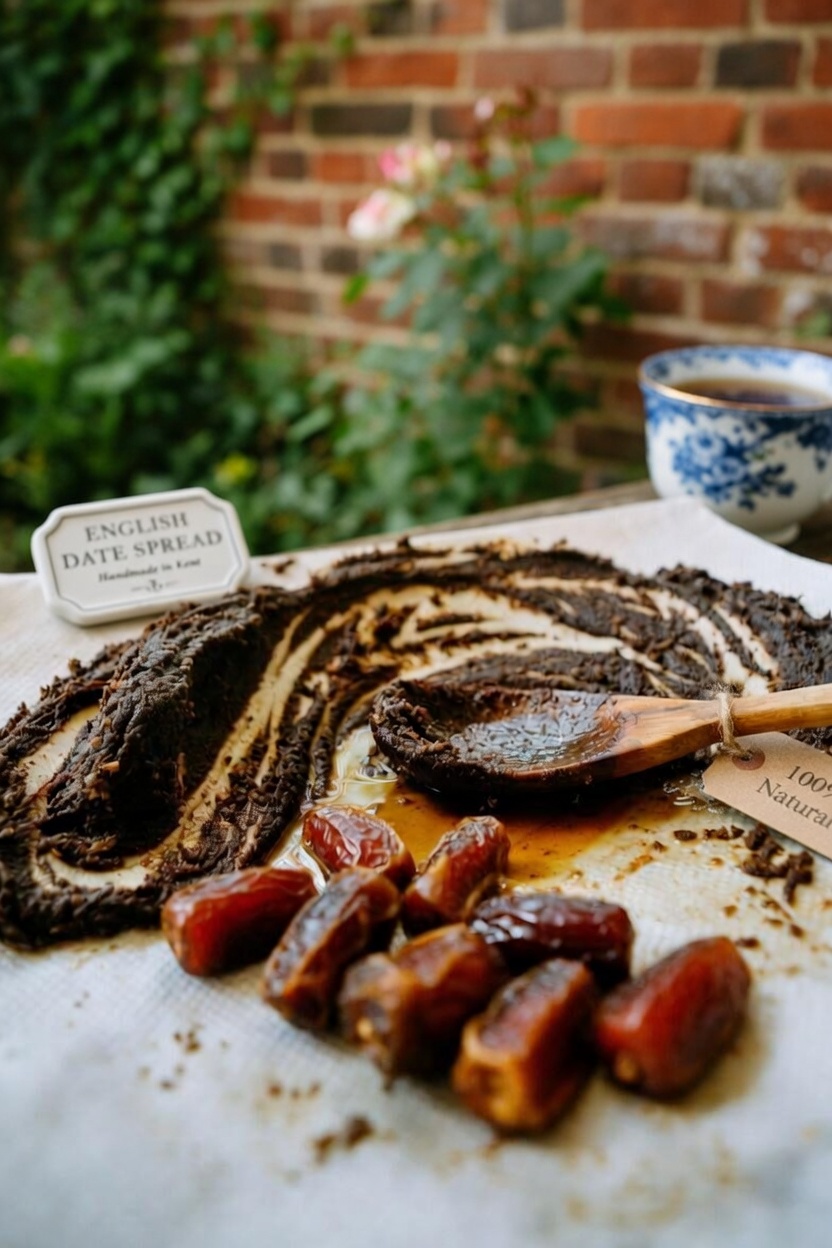
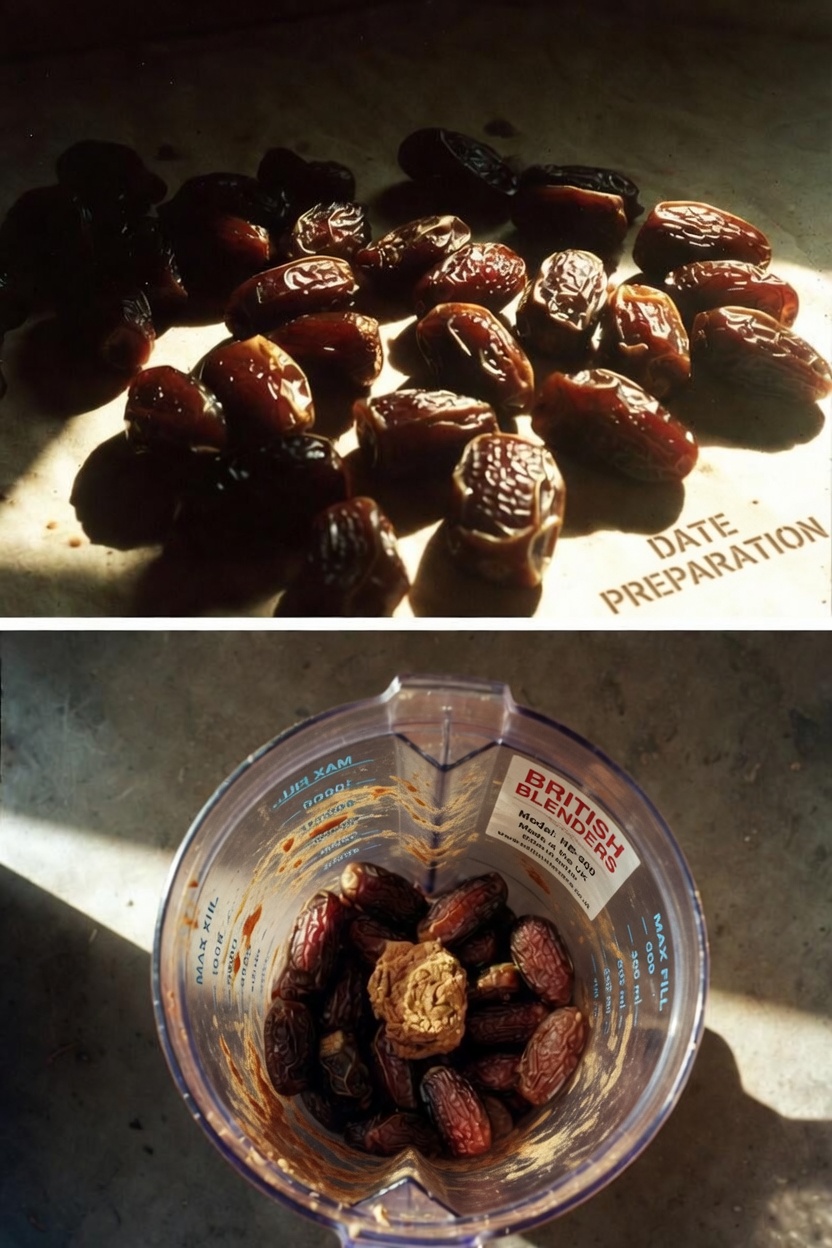
- Create date paste by blending dates with a bit of water.
- Use the paste in baking, sauces, or dressings to reduce refined sugar.
-
Pair with protein and healthy fats
- Stuff dates with nut butter or soft cheese.
- Enjoy them alongside a handful of nuts to help balance blood sugar and improve satiety.
Because dates are calorie-dense and naturally high in sugars, moderation matters. Starting with a small daily amount and adjusting based on your total calorie and carbohydrate needs is a sensible approach.
More Ways to Support Bone Health Beyond Dates
Dates can play a supportive role, but optimal bone health requires a broader lifestyle strategy. Consider these additional practices:
-
Do regular weight-bearing and resistance exercise
- Walking, stair climbing, light jogging, resistance training, or yoga can help maintain bone density.
-
Maintain adequate vitamin D levels
- Get responsible sun exposure where possible.
- Include vitamin D–fortified foods or take supplements if advised by your healthcare provider.
-
Include multiple sources of calcium and protein
- Eat a variety of calcium-rich foods: dairy or fortified non-dairy alternatives, leafy greens, sardines with bones, tofu set with calcium.
- Ensure sufficient protein intake to support bone and muscle maintenance.
-
Limit substances that may hinder bone health
- Avoid smoking.
- Moderate alcohol intake.
- Avoid excessive caffeine or frequent consumption of certain fizzy drinks that may affect mineral balance.
Combining these habits with a nutrient-dense diet creates a more solid foundation for long-term skeletal strength.
Conclusion
Dates are a flavorful, convenient way to boost your intake of several minerals and antioxidants associated with bone support. Their blend of potassium, magnesium, phosphorus, and protective plant compounds makes them a valuable addition to a balanced, bone-focused diet.
Used mindfully—alongside calcium and vitamin D sources, regular exercise, and other healthy habits—dates can be one of many small but meaningful steps toward maintaining stronger bones and greater confidence in your mobility as you age.
Frequently Asked Questions About Dates and Bone Health
How many dates per day are reasonable for potential bone benefits?
For most people, 2–4 dates per day is a practical range that offers nutritional benefits without adding excessive sugar or calories. Ideally, pair them with protein or healthy fats for better blood sugar balance.
Are fresh or dried dates better for bone health?
Both fresh and dried dates provide similar bone-related nutrients.
- Dried dates: More concentrated in calories and minerals per gram, widely available, and longer-lasting.
- Fresh dates: Higher water content and slightly less energy dense but still nutritious.
Your choice can depend on availability, preference, and overall calorie needs.
Can dates replace other bone-healthy foods?
No. Dates should complement, not replace, other bone-supportive foods.
They work best as part of a varied diet that includes:
- Calcium-rich foods (dairy or fortified alternatives, leafy greens, tofu, canned fish with bones)
- Vitamin D sources
- Adequate protein
A diverse, balanced diet remains essential for meeting all the nutrients your bones require.