Most People Ruin Egg Nutrients Without Noticing—Use This Chef Technique Instead
Have you ever peeled a “hard-boiled” egg and watched the shell rip away chunks of the white? Or sliced one open hoping for a creamy center, only to find a dry, chalky yolk with that unappetizing gray-green ring? If this happens often, the issue usually isn’t the eggs—it’s the cooking method.
Now picture eggs that turn out the same way every time: tender whites, rich golden yolks, and shells that slip off cleanly. That level of consistency isn’t reserved for restaurant kitchens. Many upscale hotels rely on a simple approach most home cooks skip—and it can change your egg routine for good.
Why “Boiled” Eggs So Often Disappoint
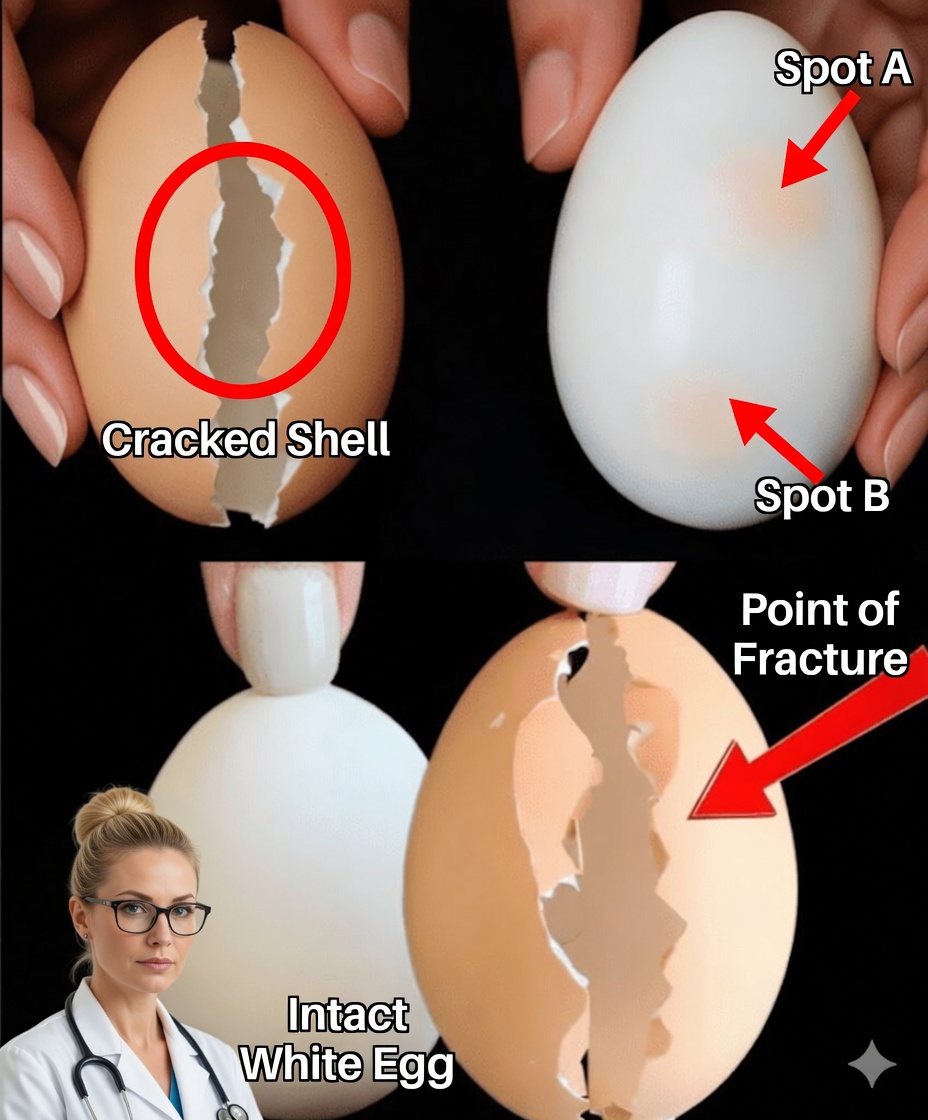
Even confident home cooks struggle with boiled eggs. Common problems include:
- Shells that cling stubbornly to the egg
- Cracked shells during cooking
- Overcooked yolks and rubbery whites
- Uneven doneness from one egg to the next
Traditional boiling can be harsh. Eggs sit in rapidly moving water where they bump around, while high heat can quickly tighten proteins and push yolks past the ideal point. The result is often a tough texture, dull flavor, and inconsistent outcomes. Timing matters, but gentle heat control is the real game-changer.
The 5-Star Kitchen Method: Steam, Don’t Boil
In many professional kitchens, chefs don’t boil eggs at all—they steam them.
Steaming surrounds eggs with steady, even heat. Instead of being battered in aggressively boiling water, the eggs cook in hot vapor that’s easier to control. This small change delivers several major benefits.
1. Easier Peeling
Steam helps create slight separation between the shell and the white, so the shell comes off with less tearing and fewer craters.
2. Quicker Cooking
Steamed eggs often finish in 6–8 minutes, compared with 10–12 minutes for typical boiling.
3. Creamy, Bright Yolks
Because the heat is gentler and more consistent, yolks stay vivid yellow and smooth rather than turning dry or gray.
4. More Consistent Results
Steam circulates evenly around the eggs, so they cook at nearly the same rate—especially helpful when making several at once.
5. Better Taste and Nutrient Preservation
Lower, steadier cooking conditions help protect the egg’s natural flavor and reduce the overcooking that can degrade texture and nutrients.
The Detail Most People Miss: Cold-Start Steaming
Here’s the “insider” move: many professional kitchens start eggs in a cold steamer, then let the temperature rise gradually.
This slower warm-up reduces temperature shock, which is one of the most common reasons eggs crack in the pot. It’s a simple habit that improves both appearance and consistency.
How to Steam Eggs Perfectly (Step by Step)
What You Need
- Eggs
- A pot with a steamer basket or rack
- About 1–2 cm of water (just a shallow layer)
Instructions
- Pour 1–2 cm of water into your pot.
- Set the steamer basket/rack in place and arrange the eggs in a single layer.
- Start with cold water, then heat until it reaches a gentle steam.
- Cover with a lid and steam based on your preferred texture:
- 6 minutes — soft center
- 7 minutes — jammy yolk
- 8 minutes — firm but still creamy
- Immediately move the eggs into cold water for a few minutes, then peel.
Pro Kitchen Bonus Tip: Add a Pinch of Baking Soda
For even smoother peeling, add a small pinch of baking soda to the steaming water. It slightly shifts the pH, helping loosen the membrane that can make shells cling to the white.
A Small Switch That Upgrades Your Whole Kitchen Routine
The biggest cooking improvements are often the simplest. By replacing boiling with steaming, you can cook eggs faster, peel them with less frustration, and get consistently beautiful results—tender whites and yolks that look and taste fresh.
Try steaming your next batch. One small change can make your breakfasts (and your salads, ramen bowls, and meal prep) feel effortlessly more professional.