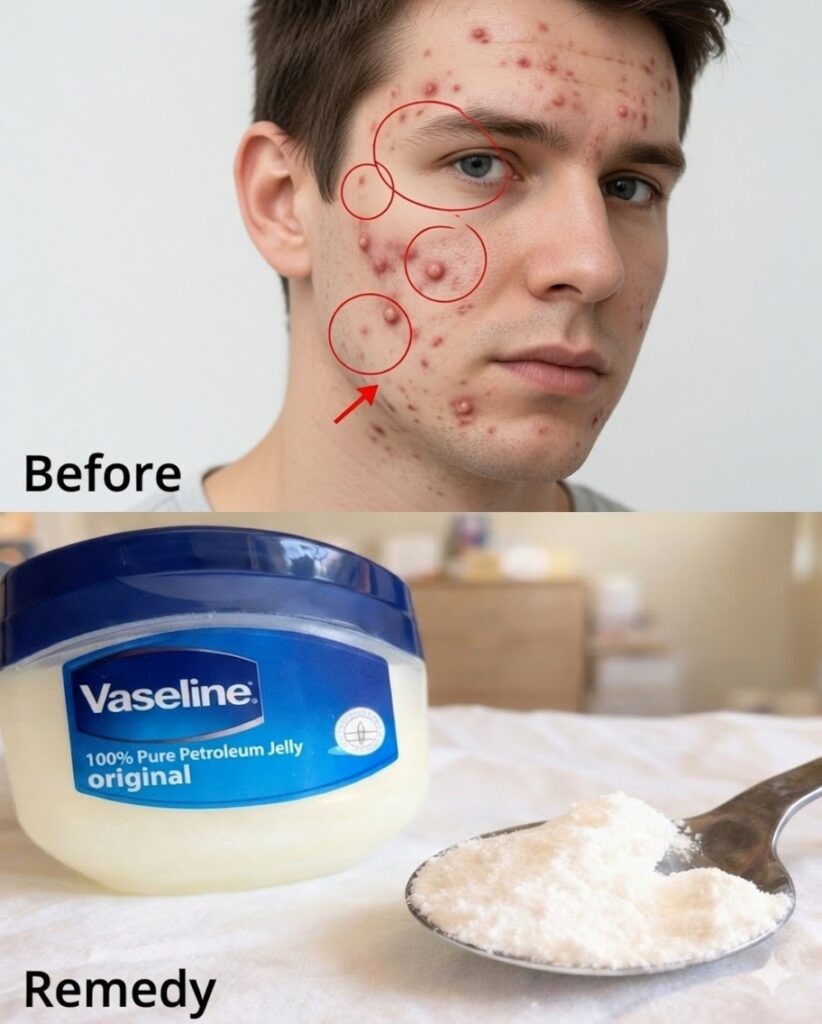
Those Tiny White Bumps on Your Face Aren’t Acne: A Gentle Way to Reduce Milia and Smooth Skin Naturally
Have you noticed small white bumps on your face—often around the eyes, on the cheeks, or across the forehead—that simply won’t go away? They can linger for months, resist daily cleansing, and even make makeup cling to texture and look more obvious. Because they resemble whiteheads, many people assume they’re dealing with acne and reach for harsh treatments. The result is often irritation, redness, or even lingering marks.
Here’s the key detail: these bumps are often milia—small, benign keratin-filled cysts under the skin. With the right gentle approach, you can gradually improve skin texture and reduce the chance of new bumps forming. Below, you’ll learn why common “quick fixes” can backfire and what skincare habits actually help.
Milia vs. Acne: Why the Difference Matters
Milia and acne can look similar at first glance because both may appear as tiny white spots. However, they develop for completely different reasons.
Milia form when keratin (a natural protein found in skin) becomes trapped beneath the skin’s surface. Unlike acne, milia are not driven by oil, bacteria, clogged pores, or inflammation. They typically don’t feel sore and usually aren’t red, swollen, or tender.
This distinction matters because acne-focused products—especially strong “pore-unclogging” treatments or aggressive exfoliants—can be too harsh for delicate areas like the eyelids and under-eyes, potentially making the skin more reactive and the bumps more noticeable.
How Milia Develop
Milia occur when dead skin cells don’t shed efficiently and become trapped under newer layers of skin, creating small, firm cysts.
There are two main categories:
-
Primary milia
- Appear without an obvious trigger
- Commonly show up on eyelids, cheeks, and around the eyes
- More likely in areas with thin, sensitive skin that can react to cosmetic products
-
Secondary milia
- Develop after the skin has been disrupted
- Can follow sunburn, irritation, rashes, or skin trauma
- Sometimes linked to long-term use of thick, heavy creams
Several factors can increase the likelihood of milia:
- Using very thick or occlusive creams
- Sun exposure without proper protection
- Cosmetics that don’t suit your skin type
- Slower natural cell turnover with age
While milia are common in babies, they also affect many adults—especially after age 30.
Why “Miracle Home Remedies” Often Make Milia Worse
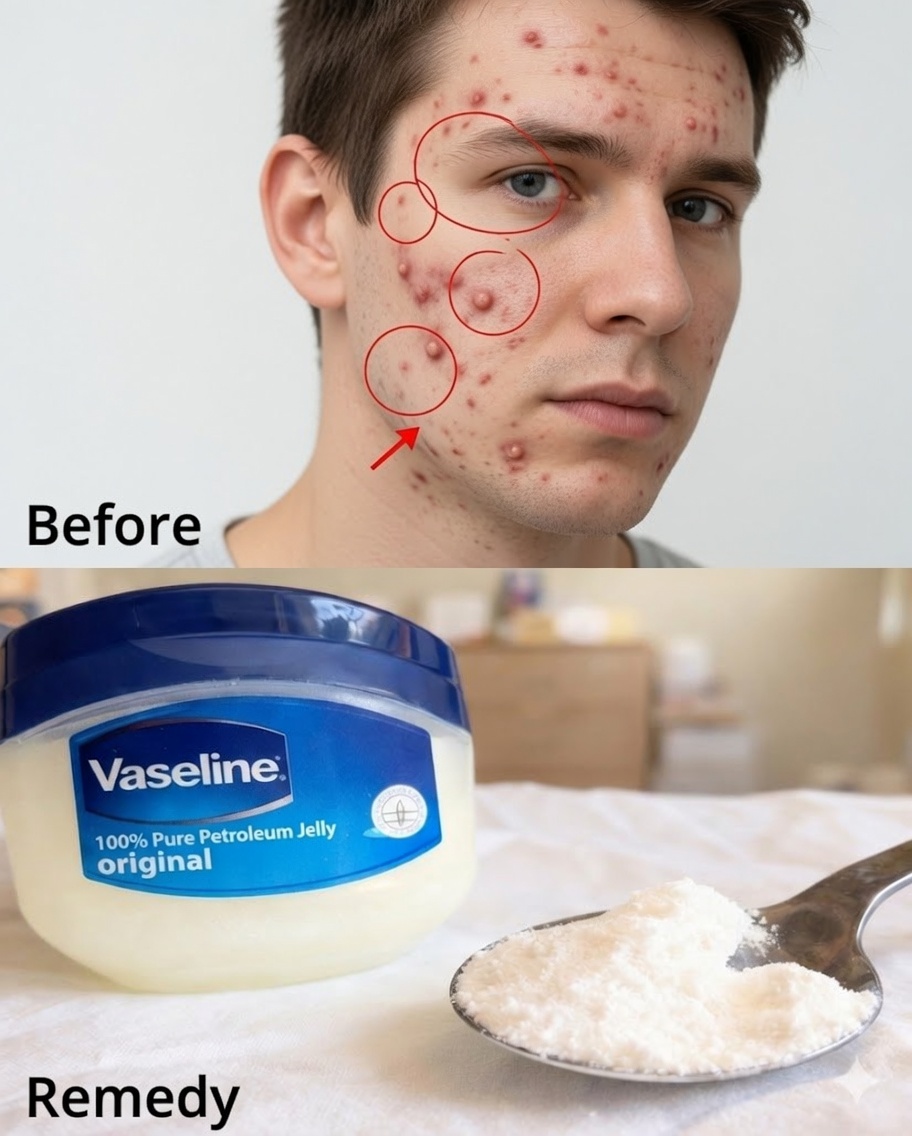
Online tips frequently promise fast milia removal using things like petroleum jelly, baking soda, or rough scrubs. Dermatology experts often caution against these approaches because they can do more harm than good.
- Petroleum jelly and highly occlusive products can form a barrier that traps keratin even more, potentially encouraging new milia.
- Abrasive scrubs and alkaline ingredients like baking soda can disrupt the skin barrier and pH balance, leading to irritation and sensitivity.
Just as important: never try to squeeze or pick milia at home. Because milia are not typical pimples, forcing them out can cause infection, scarring, or post-inflammatory dark spots.
Gentle Habits That Can Improve Skin Texture Over Time
Milia don’t always disappear overnight, but consistent, skin-friendly habits can help smooth the look of texture and reduce new bumps.
-
Mild chemical exfoliation (AHA/BHA)
- Ingredients like glycolic acid (AHA) or salicylic acid (BHA) help lift dead skin cells and support smoother turnover
- Use only a few times per week to avoid over-exfoliation
-
Introduce retinol slowly
- Retinol encourages cell renewal and can help gradually release trapped keratin
- Start low and slow, and wear sunscreen daily since retinoids can increase sun sensitivity
-
Choose lightweight moisturizers
- Look for non-comedogenic, lighter textures that hydrate without feeling heavy or overly sealing
-
Wear broad-spectrum sunscreen every day
- A broad-spectrum SPF 30+ helps prevent sun damage that can contribute to uneven shedding and texture issues
-
Use warm compresses
- A warm (not hot) compress for a few minutes can soften the skin and support gentler skincare application
Also avoid harsh rubbing, strong cleansing, or manual removal attempts—especially around the eyes.
When to See a Dermatologist
If milia persist for a long time, keep multiplying, or bother you cosmetically, a dermatologist can remove them safely. This is typically done by creating a tiny opening with a sterile needle or tool and extracting the contents in a controlled, hygienic way.
Depending on your skin, a dermatologist may also recommend:
- Gentle chemical peels
- Specific topical treatments designed to normalize cell turnover
Conclusion
Milia can be frustrating, but they’re common and usually harmless. Instead of harsh treatments or viral “instant fixes,” the most reliable strategy is gentle, consistent skincare that supports your skin’s natural renewal process.
With patience and a steady routine, many people notice a gradual improvement in skin smoothness and overall texture.
Note: This article is for informational purposes only and does not replace professional medical advice. For an accurate diagnosis and personalized treatment, consult a dermatologist.