High Blood Sugar Symptoms and Natural Remedies to Help Control It
Hyperglycemia, commonly known as high blood sugar, can develop silently and go unnoticed for a long time. When it is not managed properly, it may lead to serious complications such as kidney damage, vision problems, and cardiovascular disease. Recognizing early warning signs is essential so you can act before complications appear.
This guide explains 7 common high blood sugar symptoms and shares natural remedies that may support healthier blood glucose levels in a safe, holistic way.
7 Common Symptoms of High Blood Sugar
1. Excessive Thirst and Frequent Urination
One of the earliest signs that blood sugar levels may be too high is feeling unusually thirsty, often combined with needing to urinate more than usual. This happens because the body tries to get rid of excess glucose through urine, which pulls fluids from your tissues and can cause dehydration.
Tip:
Stay well hydrated throughout the day with plain water. Avoid sodas, sugary juices, and energy drinks. Unsweetened herbal teas or water infused with lemon slices are better options to support hydration and overall health.
2. Persistent Tiredness or Fatigue
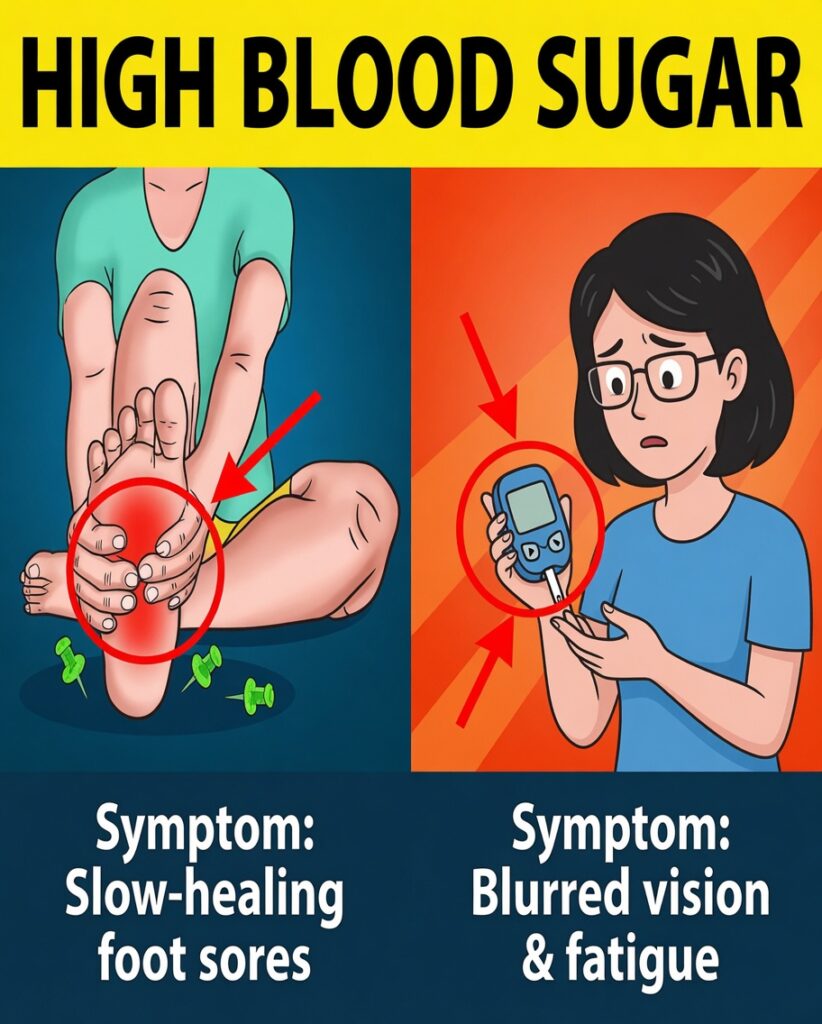
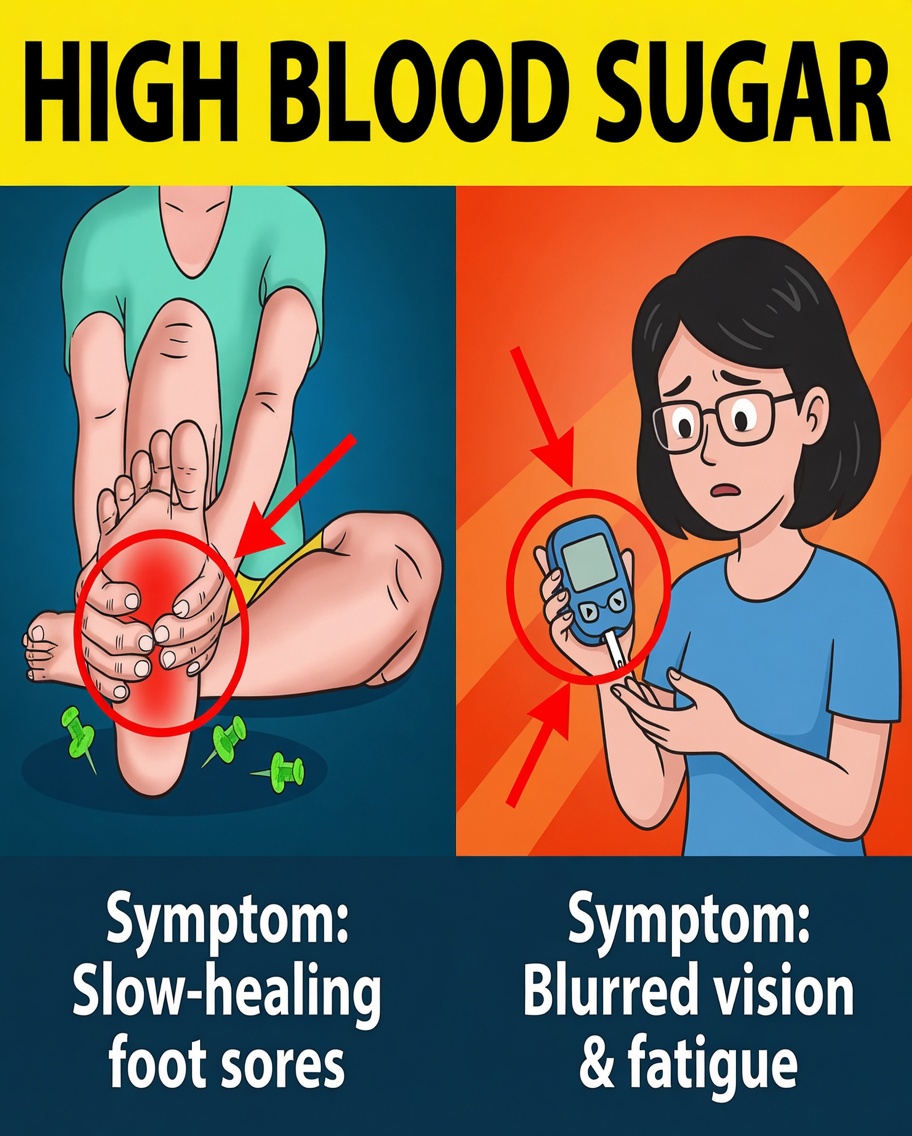
Feeling drained or lacking energy, even after a good night’s sleep, can also be a sign of high blood sugar. When your body cannot use glucose efficiently for fuel, your cells do not receive the energy they need, leaving you feeling fatigued.
Tip:
Focus on balanced meals that contain:
- High-quality proteins (fish, eggs, legumes, lean meats)
- Plenty of vegetables
- Healthy fats (olive oil, nuts, seeds, avocado)
- Slow-digesting carbohydrates such as oats, lentils, or quinoa
These foods can provide steady energy without sharp spikes and crashes in blood sugar.
3. Blurred Vision
A sudden change in your vision, such as blurriness, may indicate hyperglycemia. High glucose levels can alter the shape and function of the lens in your eye, leading to temporary visual disturbances.
Tip:
Check your blood sugar levels regularly if you are at risk. If blurry vision continues or worsens, see an eye specialist. Reducing your intake of refined sugars and ultra-processed foods can help stabilize blood sugar and may support more consistent vision.
4. Frequent Infections
People with high blood sugar tend to experience more infections, especially:
- Urinary tract infections
- Skin infections
- Fungal infections (for example, in skin folds or the genital area)
Excess glucose can weaken the immune system and create an environment where pathogens thrive.
Tip:
Support your immune defenses by including foods rich in:
- Vitamin C (citrus fruits, berries, bell peppers)
- Zinc (pumpkin seeds, beans, seafood)
- Probiotics (yogurt with live cultures, kefir, fermented foods)
Maintain good personal hygiene and wear breathable, loose-fitting clothing to reduce moisture buildup on the skin.
5. Slow-Healing Wounds
Cuts, scratches, or sores that take a long time to heal can be a sign of elevated blood sugar. High glucose levels can impair circulation and interfere with the body’s natural healing and cell regeneration processes.
Tip:
Carefully clean wounds, keep them covered with appropriate dressings, and avoid harsh or irritating products on the area. If a sore shows no sign of improvement within a few days, or if it worsens, contact your healthcare provider promptly.
6. Unexplained Weight Loss
When the body cannot properly use glucose for energy, it may begin breaking down fat and muscle tissue instead. This can lead to weight loss without changes in diet or physical activity.
Tip:
Adopt a nutrient-dense, balanced eating plan. If you are losing weight unintentionally, a registered dietitian or nutrition professional can help you create a plan to regain or maintain weight safely and support healthy blood sugar levels.
7. Constant Hunger
If you feel hungry all the time—even shortly after eating—it may mean your cells are not absorbing glucose efficiently. The body responds by signaling you to eat more, even though blood sugar is already high.
Tip:
Increase your intake of fiber-rich foods such as:
- Oats
- Leafy green vegetables
- Chia seeds, flaxseeds, and other seeds
- Legumes (beans, chickpeas, lentils)
Limit simple sugars and refined carbohydrates (white bread, pastries, sugary snacks), which can cause rapid spikes and drops in blood sugar and trigger more hunger soon after meals.
3 Natural Remedies to Help Manage High Blood Sugar
In addition to recognizing symptoms early, certain natural remedies may support blood sugar management when combined with a healthy lifestyle. These options should complement, not replace, medical treatment and regular monitoring.
1. Cinnamon
Cinnamon has been studied for its potential to improve insulin sensitivity and help reduce blood glucose levels in some people.
How to use it:
-
Cinnamon infusion:
Boil one cup of water with 1 teaspoon of ground cinnamon or a cinnamon stick. Let it steep for about 10 minutes, then drink. You may consume this tea once or twice a day unless your doctor advises otherwise. -
Cinnamon capsules:
If you prefer supplements, ask your healthcare provider about an appropriate dose and whether cinnamon is safe for you, especially if you are taking diabetes medications or blood thinners.
2. Aloe Vera
Aloe vera contains antioxidants and other compounds that may help reduce inflammation and support healthier blood sugar levels.
How to use it:
-
Fresh gel:
Extract the clear gel from an aloe vera leaf, blend a small amount with water, and drink a glass per day. Start with a low dose, as aloe can have a laxative effect. -
Commercial juice:
Choose a product labeled as 100% pure aloe vera juice, with no added sugars or artificial sweeteners. Follow the serving instructions on the label and consult your healthcare provider if you have any medical conditions.
3. Fenugreek
Fenugreek seeds are high in soluble fiber, which can slow the absorption of carbohydrates in the intestines and may help improve blood sugar control.
How to use it:
-
Soaked seeds:
Place 1 tablespoon of fenugreek seeds in a glass of water overnight. In the morning, drink the water and chew the soaked seeds. Begin with small amounts to see how your body responds. -
Fenugreek powder:
Ground fenugreek can be added to soups, smoothies, or water. Start with a small pinch and gradually increase the quantity, always paying attention to how you feel. If you are on diabetes medication, talk to your doctor before using larger amounts, as fenugreek can enhance the effect of these drugs.
Conclusion
Identifying high blood sugar symptoms early is key to preventing serious complications. A mindful diet, regular physical activity, weight management, good sleep, and stress control all play an important role in keeping blood glucose in a healthy range. Natural remedies such as cinnamon, aloe vera, and fenugreek can be useful additions to your routine when used carefully and under professional guidance.
Always speak with your healthcare provider before starting new remedies or supplements, particularly if you are already taking medications for blood sugar, blood pressure, or other chronic conditions.
Taking charge of your health is achievable through consistent, simple habits that support your body from the inside out.
Important Notice
This article is for informational and educational purposes only and is not a substitute for professional medical advice, diagnosis, or treatment. If you experience severe or persistent symptoms, or suspect you may have high blood sugar or diabetes, consult a qualified healthcare professional as soon as possible.
You May Also Like
- Turmeric Milk: Health and Wellness Benefits
- Guava, Cinnamon, and Lemon Tea: Benefits and How to Prepare It