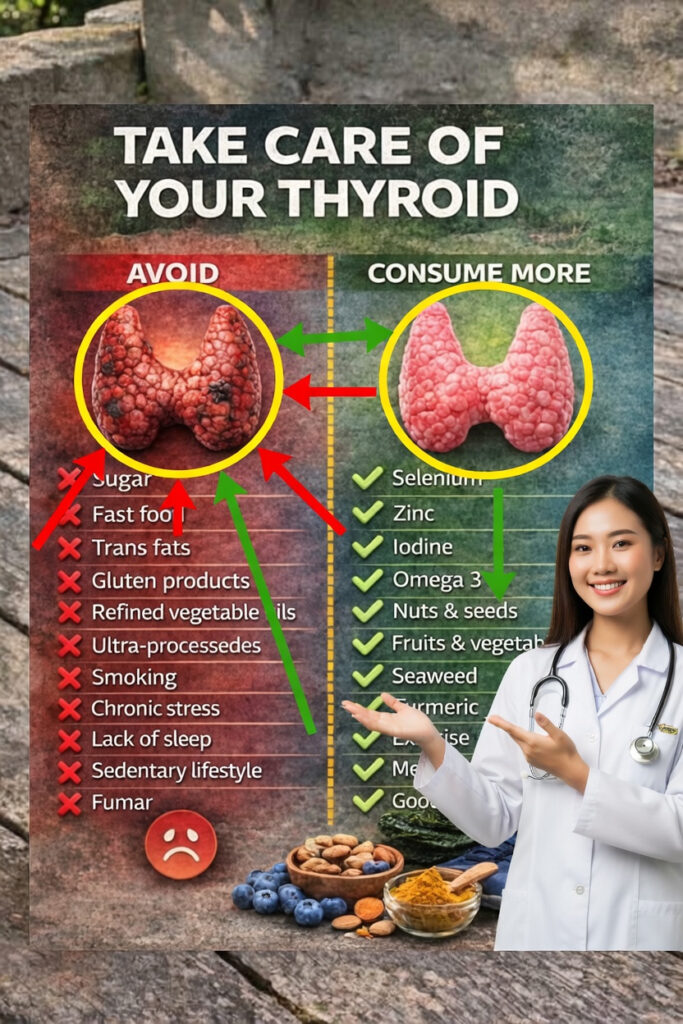
Natural Ways to Support Thyroid Health Through Diet and Lifestyle
Do you often feel unusually tired, notice unexplained weight fluctuations, or sense that your energy is lower than it used to be? These common symptoms can be easy to dismiss, yet they may be connected to your thyroid. This small, butterfly-shaped gland located in the neck has a major role in controlling metabolism, energy production, and hormonal balance.
When factors such as poor nutrition, ongoing stress, and inconsistent sleep begin to affect thyroid function, the body can start to feel out of sync. The encouraging part is that gentle, realistic changes in your daily routine can help support healthy thyroid function naturally.
Even more surprising, some foods and habits that seem harmless may actually make thyroid balance harder to maintain, while others can provide steady, meaningful support. One daily habit in particular is often underestimated, even though research suggests it can have a powerful impact on thyroid wellness.
Why Thyroid Health Deserves Attention
The thyroid produces hormones that affect almost every cell in the body. These hormones help regulate how your body turns food into energy, support a stable heart rate, influence mood, and help control body temperature. When thyroid function becomes less efficient—whether due to inflammation, nutrient deficiencies, or lifestyle strain—the effects can feel frustrating and hard to explain.
Studies show that several nutrients are especially important for thyroid hormone production and activation. Iodine, selenium, and zinc are involved in essential steps of this process. At the same time, chronic stress and poor sleep may place extra pressure on the thyroid and the hormonal system as a whole.
The aim is not to transform everything overnight. Lasting thyroid support usually comes from simple habits practiced consistently.
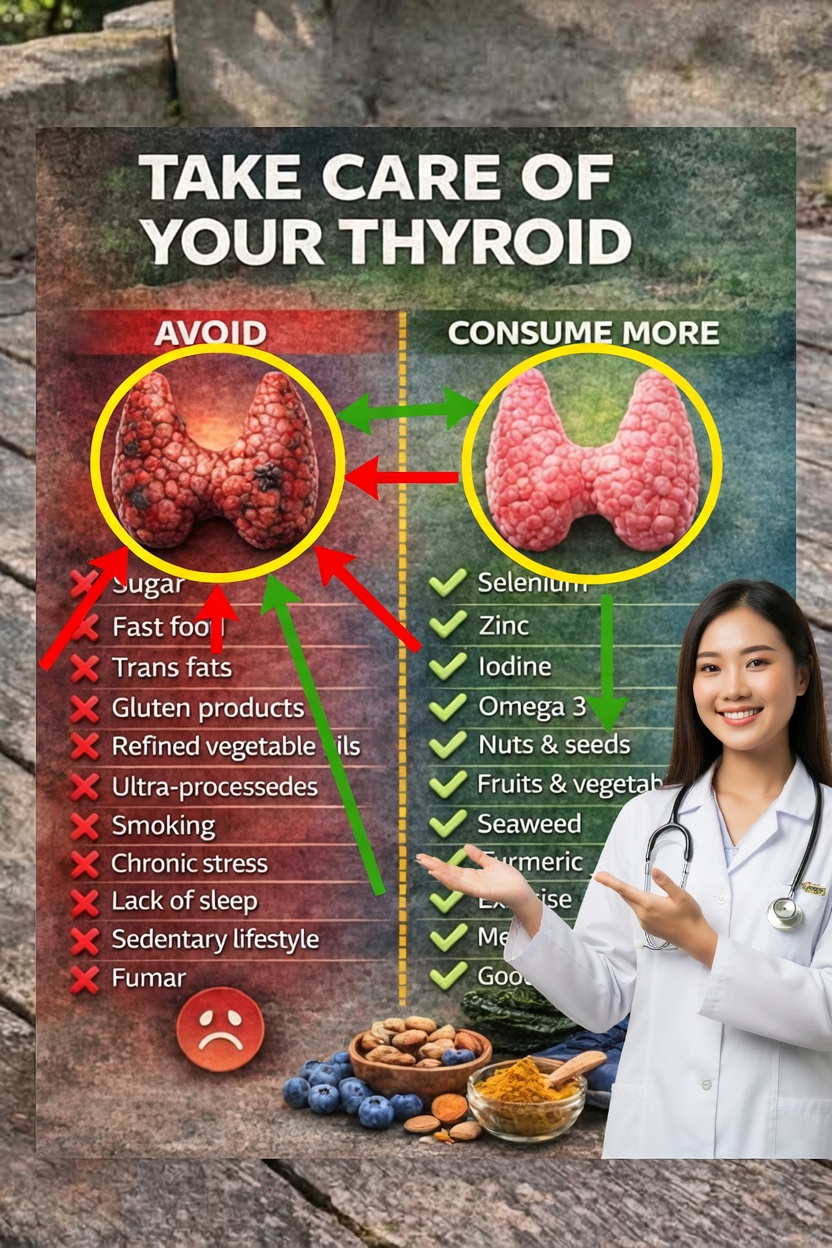
Essential Nutrients for Healthy Thyroid Function
Your thyroid depends on a few key micronutrients to perform well. Without them, hormone production and conversion may become less efficient.
Iodine
Iodine is a trace mineral the thyroid needs to produce its hormones. If intake is too low, the gland may struggle to make enough hormone for the body’s needs.
Selenium
Selenium helps convert thyroid hormone into its active form and also works as an antioxidant. Research suggests it plays a protective role for thyroid tissue.
Zinc
Zinc contributes to hormone synthesis and supports overall thyroid health. Adequate zinc levels have been associated with healthier thyroid hormone status.
Other Helpful Nutrients
A few additional nutrients can also support thyroid wellness:
- Omega-3 fatty acids may help reduce inflammation
- Antioxidants from fruits and vegetables help protect cells
- Healthy fats support hormone-related processes throughout the body
Best Foods to Eat for Thyroid Support
A practical way to care for your thyroid is to choose whole, nutrient-rich foods that naturally provide these important compounds.
Here are some of the best foods to include more often:
-
Seaweed such as nori or kelp in moderate amounts
A natural source of iodine that can be added to soups or sushi -
Brazil nuts
Just one or two per day can supply a strong selenium boost -
Fish and seafood like salmon, tuna, and sardines
These provide omega-3s, zinc, and in some cases iodine -
Nuts and seeds including pumpkin seeds and sunflower seeds
Good sources of zinc, healthy fats, and other supportive nutrients -
Fruits and vegetables
Berries, leafy greens, and brightly colored produce offer antioxidants and fiber -
Turmeric
Known for anti-inflammatory properties; pairing it with black pepper may improve absorption -
Eggs
A simple, versatile option that contains selenium, zinc, and additional beneficial nutrients
Adding these foods regularly may help close nutritional gaps through diet alone. If you are considering supplements, it is best to speak with a healthcare professional first.
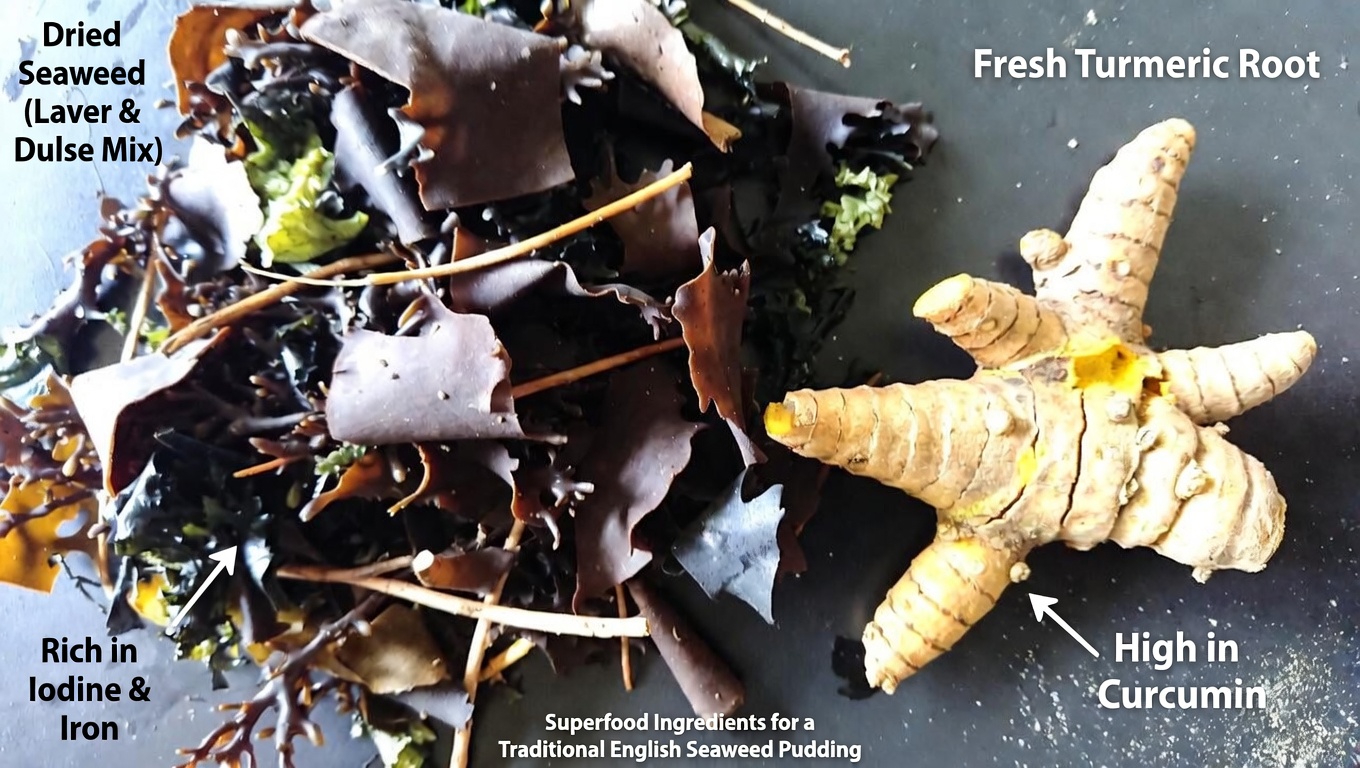
Foods and Habits to Be More Careful With
Some foods and lifestyle patterns can interfere with thyroid support, especially when they contribute to inflammation, poor nutrient use, or higher stress levels.
Limit or Reduce the Following
-
Added sugar and ultra-processed foods
These may increase inflammation and affect hormonal balance -
Refined vegetable oils and trans fats
Often found in fast food and packaged snacks; healthier choices include olive oil and avocado -
Large amounts of raw cruciferous vegetables
Foods like raw broccoli, kale, and cabbage may interfere with iodine use when eaten excessively. Cooking them lowers this effect considerably -
Smoking
Smoking has been linked to impaired thyroid function and higher oxidative stress -
Long-term stress and poor sleep
Both can raise cortisol levels, which may negatively affect thyroid signaling over time
A very inactive lifestyle can also work against you. Daily movement helps support metabolism, circulation, and energy levels.
Simple Daily Habits That Can Help Your Thyroid
Improving thyroid support does not require extreme dieting or strict routines. Small, manageable actions can make a real difference.
1. Build Balanced Meals
Try to include a source of protein, healthy fat, and vegetables in each meal. This can support more stable energy and blood sugar throughout the day.
2. Keep Sleep Consistent
Aim for 7 to 9 hours of sleep each night. A calming evening routine—such as dimming lights and avoiding screens before bed—can help improve sleep quality.
3. Move Every Day
Even light activity can be helpful. Walking, yoga, stretching, or gentle exercise for 20 to 30 minutes daily supports stress control and circulation.
4. Manage Stress Intentionally
Simple tools such as deep breathing, short mindfulness sessions, or meditation breaks can help lower the pressure that chronic stress places on the body.
5. Stay Hydrated
Adequate water intake supports nearly every system in the body, including hormone transport and overall metabolism.
Still, one habit stands out as especially important.
The Overlooked Habit That Matters Most: Quality Sleep
Sleep is often underestimated when people think about thyroid health, but research suggests it plays a direct role in hormone regulation. During deep, restorative sleep, the body is better able to repair tissues and maintain hormonal balance. In contrast, poor sleep may increase stress hormones that interfere with healthy thyroid signaling.
If you want to strengthen thyroid support naturally, improving sleep quality may be one of the most effective steps you can take.
Sleep Habits to Try
- Go to bed and wake up at the same time each day
- Keep your bedroom cool, quiet, and dark
- Avoid caffeine after midday
- Choose a relaxing evening activity such as reading or herbal tea
Many people begin to notice more stable energy and improved well-being within a few weeks of better sleep habits.
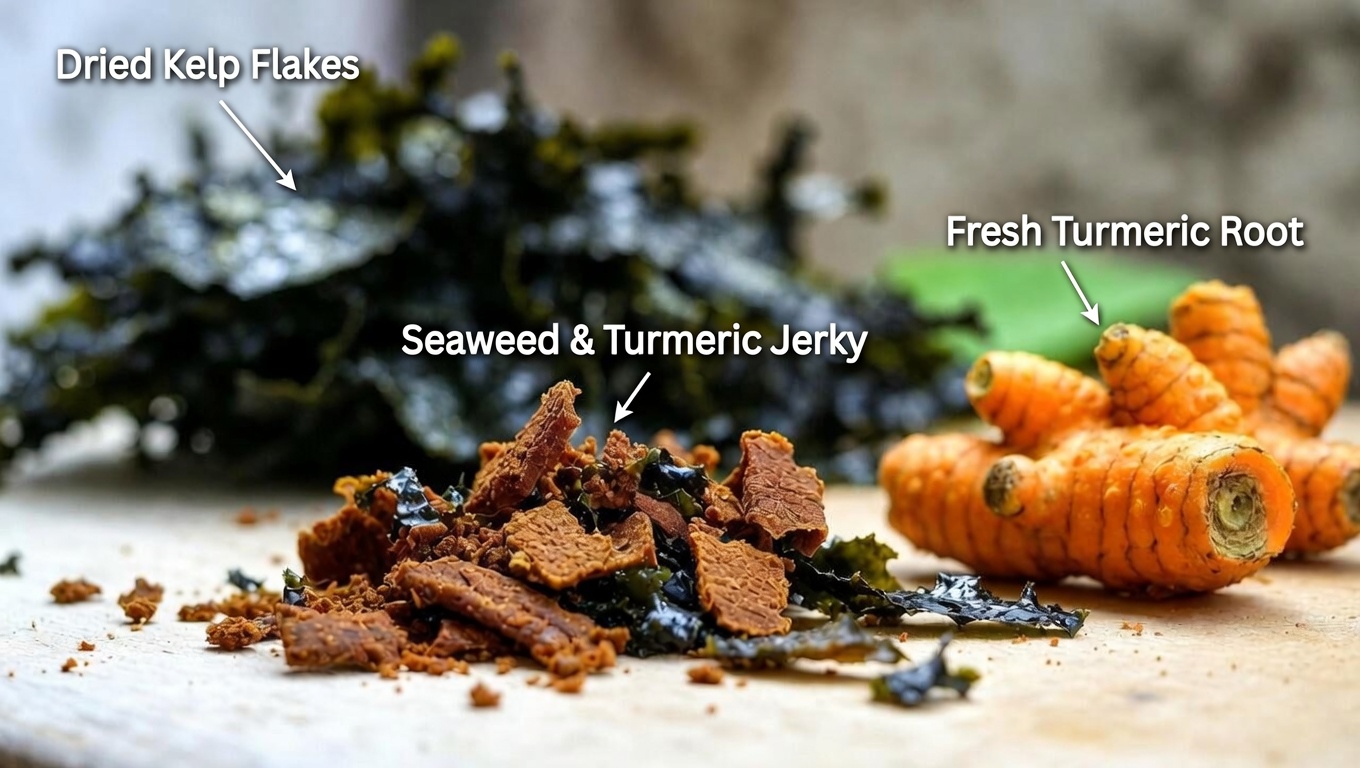
Foods to Favor vs. Foods to Limit
The table below makes it easier to compare thyroid-friendly choices with options that may be less supportive.
| Foods to Enjoy More | Why They Help | Foods to Limit or Moderate | Potential Concerns |
|---|---|---|---|
| Seaweed in small amounts, fish, eggs | Provide iodine, selenium, and zinc | Ultra-processed snacks, sugary foods | May increase inflammation |
| Brazil nuts, pumpkin seeds | Support selenium and zinc intake | Excessive raw cruciferous vegetables | May affect iodine use if overconsumed |
| Fruits, vegetables, turmeric | Rich in antioxidants and anti-inflammatory compounds | Fast food, trans fats | Can raise oxidative stress |
| Nuts, seeds, omega-3 rich foods | Offer healthy fats for hormone support | Smoking and chronic stress triggers | May disrupt thyroid function over time |
This kind of side-by-side comparison can make meal planning feel simpler and more supportive rather than restrictive.
Final Thoughts: Small Changes Can Support Long-Term Thyroid Wellness
Taking care of your thyroid does not require perfection. What matters most is making steady, thoughtful choices around nutrition, movement, stress management, and recovery. By eating more whole foods rich in key nutrients, reducing common inflammatory triggers, and giving sleep the attention it deserves, you can help your body maintain better balance over time.
Start with one or two changes this week. A few consistent improvements often do more than an unsustainable overhaul.
Frequently Asked Questions
Can diet alone correct thyroid problems?
No. A single food or eating plan cannot cure thyroid conditions. However, a balanced diet can support thyroid function and overall health.
Is seaweed a safe choice for everyone?
Usually yes, when eaten in moderation. However, too much iodine—especially from kelp—can sometimes create imbalance. Start with small amounts and consult a healthcare professional if needed.
How soon can lifestyle changes help?
Some people notice better energy and mood within a few weeks. Results vary from person to person, but consistency is the key factor.
Important Note
This article is intended for informational purposes only and should not replace professional medical advice. Always speak with your healthcare provider before making major dietary or lifestyle changes, especially if you have a diagnosed thyroid condition or take medication.