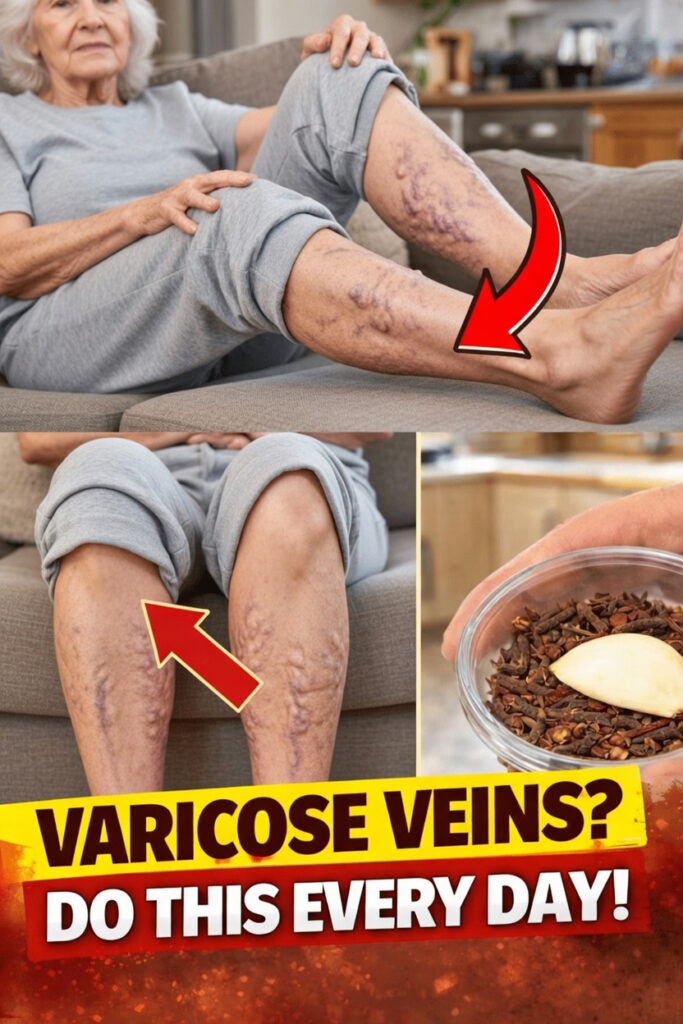
Simple Ways to Ease Varicose Vein Discomfort Naturally
Many people experience the dull, heavy ache that comes with varicose veins. These enlarged, twisted veins often show up on the calves or thighs as blue or purple lines beneath the skin. Along with their visible appearance, they can cause swelling, throbbing, and leg fatigue that makes long periods of standing unpleasant and sometimes affects self-confidence.
For many, symptoms become more noticeable with age, after pregnancy, or during routines that involve too much sitting or standing. By the end of the day, legs may feel tired, restless, and uncomfortable. Although any vein-related concern should be evaluated by a medical professional, certain daily habits and supportive foods may help reduce mild discomfort.
What if a few familiar ingredients from your kitchen could also support circulation in a small way? Below are practical strategies to try, along with one interesting combination that many people are curious about.
What Causes Varicose Veins?
Varicose veins form when the tiny valves inside the veins stop working efficiently. Instead of pushing blood smoothly back toward the heart, the veins allow blood to collect in one place. Over time, this increases pressure inside the vessel, stretches the vein walls, and creates the swollen, twisted look commonly associated with varicose veins.
A number of factors can raise the likelihood of developing them, including:
- Family history
- Excess body weight
- Hormonal fluctuations
- Pregnancy
- Jobs that require long hours of standing
Research suggests that improving circulation through regular movement and healthy routines may help reduce common symptoms such as heaviness, mild swelling, and leg tiredness.
The encouraging part is that relief often begins with small, sustainable changes rather than extreme measures.
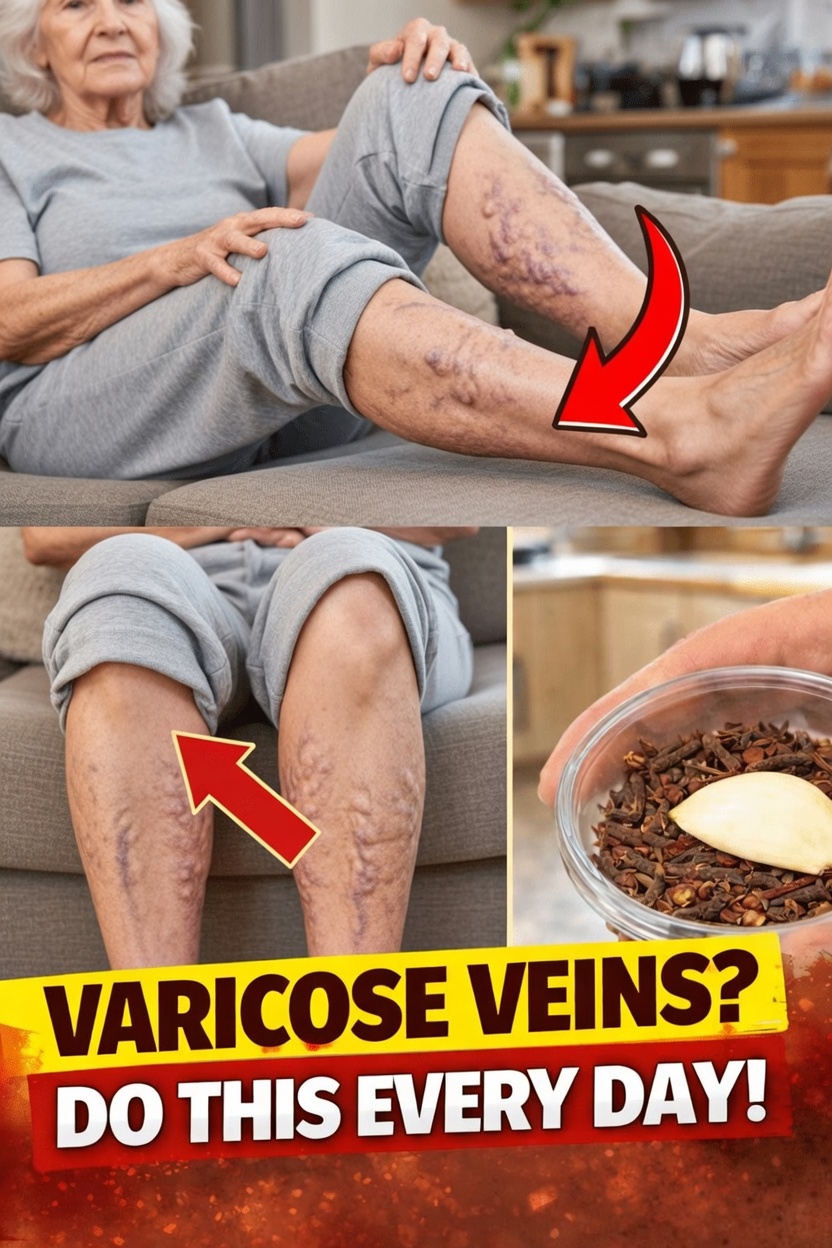
Daily Habits That Can Improve Leg Comfort
Health experts often recommend simple lifestyle adjustments to encourage better blood flow and reduce pressure in the veins.
1. Choose Gentle, Regular Exercise
Low-impact activities such as walking, swimming, and cycling can help move blood upward through the action of the calf muscles. Around 30 minutes on most days is a practical goal. Consistent activity may also strengthen the muscles that support vein function without putting too much strain on the joints.
2. Raise Your Legs During Rest
Lifting your legs above heart level for 15 to 20 minutes several times a day can encourage blood to return more easily. This position may also lessen swelling and reduce the feeling of pressure in the legs.
3. Use Compression Stockings
Compression stockings provide graduated pressure that supports blood flow in the lower limbs. Many people find them useful for improving comfort throughout the day, especially during travel, desk work, or shifts that involve standing.
4. Maintain a Healthy Body Weight
Carrying extra weight can put additional strain on the veins in the legs. Following a balanced eating plan that includes plenty of fiber may support both circulation and overall vascular health.
5. Avoid Staying in One Position Too Long
Sitting or standing for extended periods can encourage blood pooling. Try to change position every 30 minutes, rotate your ankles, stretch your calves, or take a short walk whenever possible.
These habits can make a meaningful difference, but nutrition matters too.
Foods and Nutrients That May Support Circulation
What you eat can complement your daily routine and help support healthy blood vessels. A circulation-friendly diet often includes nutrients that reduce inflammation and promote vascular wellness.
Focus on foods such as:
- Flavonoid-rich options like berries, citrus fruits, and cocoa, which may help support vein and vessel health
- High-fiber foods such as oats, beans, and vegetables, which may reduce constipation and limit extra abdominal pressure
- Plenty of water, which helps maintain healthy blood flow and hydration
Some common kitchen ingredients have drawn particular interest for their possible role in circulation support.
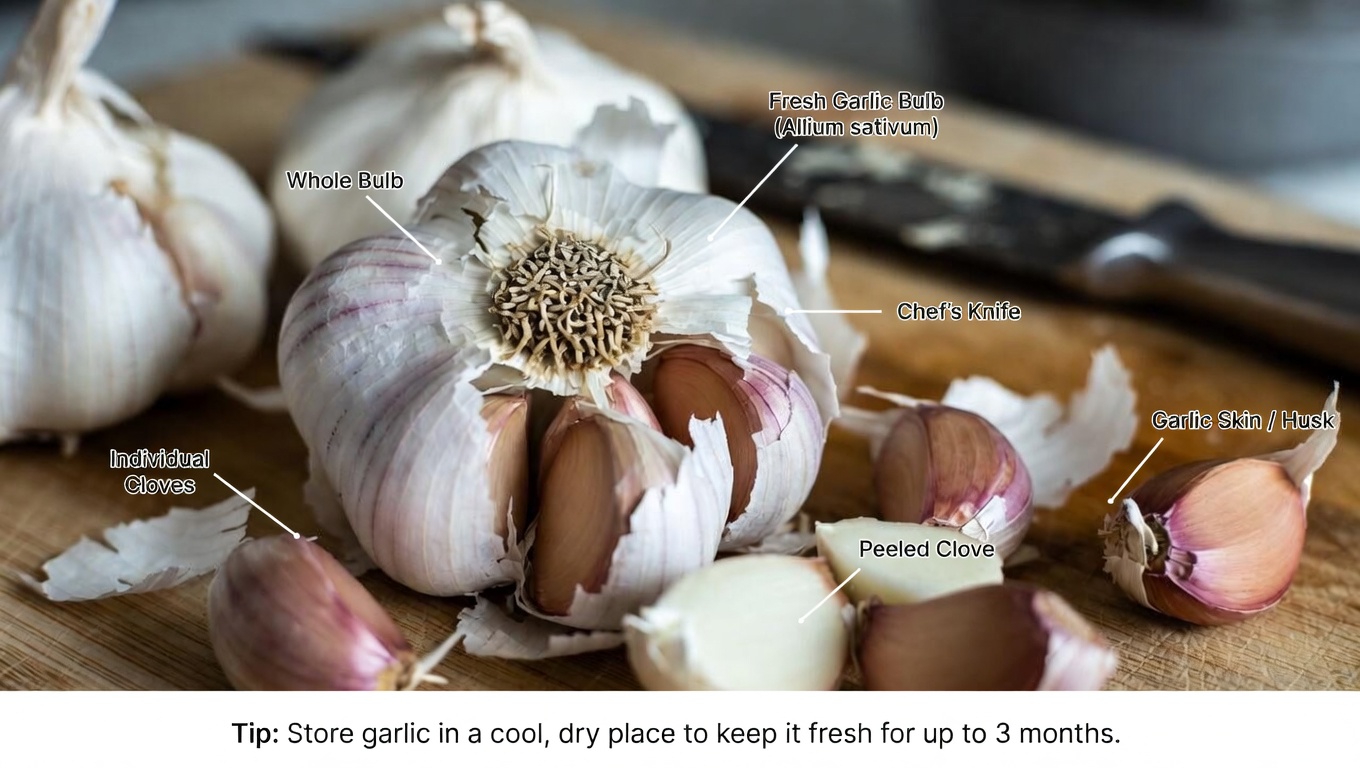
Garlic and Cloves: A Traditional Pair for Vein Support
Garlic and cloves are often mentioned in natural wellness discussions related to circulation. Garlic contains sulfur compounds such as allicin, which have been studied for their anti-inflammatory effects and their potential role in supporting relaxed blood vessels. Cloves contain eugenol, a compound associated with antioxidant and mild anti-inflammatory properties.
There is no strong clinical evidence showing that these ingredients can directly treat varicose veins. However, many people include them in their wellness routines as part of a broader effort to support circulation and reduce everyday inflammation.
A Simple Garlic-Clove Blend to Explore
Some people experiment with this traditional combination in a gentle way:
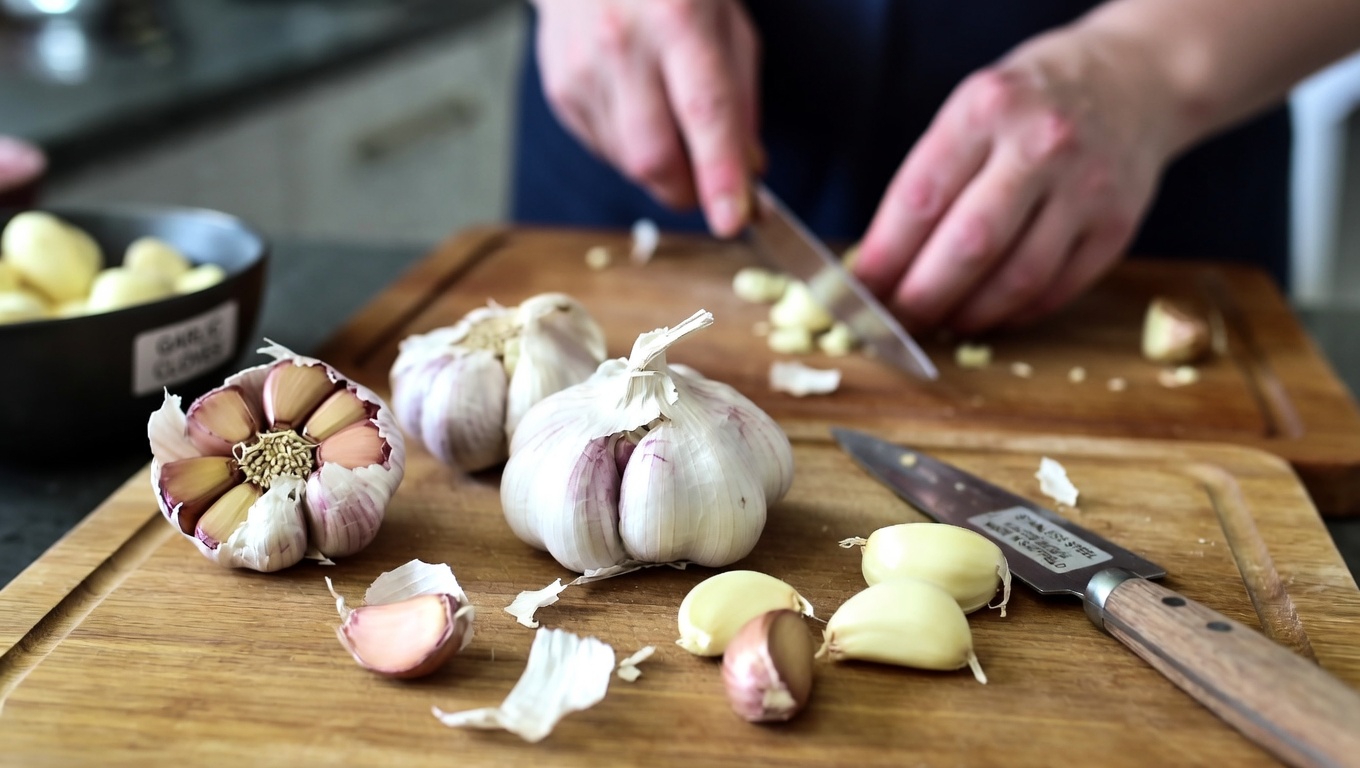
- Crush 4 to 6 fresh garlic cloves.
- Add a small handful of whole cloves.
- Mix them with a carrier such as olive oil to create a mild infusion.
- Let the mixture sit for a short time.
- Use sparingly if exploring topical use, and always patch test first.
Another easy option is to use both ingredients in food and drinks:
- Add garlic to stir-fries, soups, or sauces
- Use cloves in herbal tea or warm spiced drinks
This pairing is rooted in traditional practices where both ingredients are valued for supporting blood flow. Garlic provides sulfur-containing compounds, while cloves contribute antioxidants. Together, they may help support overall comfort when included in a balanced lifestyle.
Potential Benefits at a Glance
- Garlic: May help support relaxed blood vessels and healthy blood pressure
- Cloves: Provide antioxidants that help combat everyday oxidative stress
- Together: May offer complementary anti-inflammatory support
It is important to remember that these are supportive measures only, not medical treatments.
Easy Steps to Start Today
Building a helpful routine does not have to be complicated. You can begin with a few manageable actions:
- Take a 10-minute walk in the morning to stimulate circulation
- Include garlic in 2 to 3 meals per week, either roasted or freshly minced
- Drink clove-infused herbal tea in the evening
- Spend a few minutes elevating your legs at the end of the day
- Notice how your legs feel after a week of consistency
Many people report less heaviness when they stick with these habits regularly. Small daily actions often add up to noticeable relief over time.
Common Questions About Varicose Veins
How soon can lifestyle changes help?
Some people notice improvement in swelling or heaviness within a few weeks of regular movement, leg elevation, and other supportive habits. Results vary from person to person, but consistency is usually the biggest factor.
Are garlic and cloves safe to try?
When used in normal food amounts, garlic and cloves are generally considered safe for most people. Topical use may irritate sensitive skin, so dilution and patch testing are important. If you take medication or have an existing health condition, speak with a healthcare provider first.
When is medical advice necessary?
You should seek professional evaluation if:
- Pain becomes more intense
- Skin color or texture changes
- Sores or ulcers appear
- Swelling becomes severe or persistent
Lifestyle measures may improve comfort, but they do not replace professional diagnosis or treatment.
Final Thoughts
Managing varicose vein discomfort often begins with understanding why it happens and responding with steady, realistic changes. No single habit will eliminate the problem, but combining movement, leg elevation, compression, and thoughtful nutrition can often bring meaningful relief.
Pay attention to what your legs are telling you. With consistent care and the right support, they may feel lighter, calmer, and more comfortable day by day.