Natural Ways to Support Prostate Health After 40
Many men notice changes in their urinary patterns after age 40: more frequent bathroom visits (especially at night), a weaker stream, or a feeling of not fully emptying the bladder. These symptoms are often linked to an enlarged prostate, or benign prostatic hyperplasia (BPH), a common age-related condition that can gradually interfere with daily comfort and confidence.
The impact can be subtle at first—broken sleep, anxiety about finding restrooms when you’re out, or embarrassment in social situations. Over time, this quiet discomfort can significantly reduce quality of life. Growing evidence, however, suggests that everyday habits and nutrient-dense foods may help support healthier prostate function and more comfortable urinary flow.
The good news: you do not need dramatic changes to begin feeling a difference. Small, consistent improvements to what you eat and how you move can support long-term urinary comfort. This guide walks through research-backed lifestyle strategies and natural options—and ends with a simple daily routine that brings everything together.
Why Prostate Health Becomes More Important After 40
The prostate is a small gland located below the bladder, encircling the urethra (the tube that carries urine out of the body). As men age, the prostate often increases in size. When it enlarges, it can press against the urethra and bladder, contributing to lower urinary tract symptoms (LUTS), such as:
- Urgency and frequent urination
- Nocturia (waking at night to urinate)
- Weak or interrupted urine stream
- Difficulty starting or incomplete emptying
Research shows that lifestyle plays a meaningful role in how the prostate changes over time. A healthy body weight, balanced diet, and regular physical activity can help reduce systemic inflammation and support more stable hormone levels—both of which are linked to better urinary function.
Institutions like Johns Hopkins Medicine highlight that dietary patterns similar to the Mediterranean diet—rich in vegetables, fruits, whole grains, and healthy fats—may support prostate health and potentially reduce the risk of more severe symptoms, beyond what supplements alone can offer.
Prostate-Friendly Foods Worth Adding to Your Plate
Including specific nutrient-rich foods in your routine can provide antioxidants, healthy fats, and key minerals associated with prostate support. Studies have highlighted the following options:
-
Tomatoes and Other Lycopene Sources
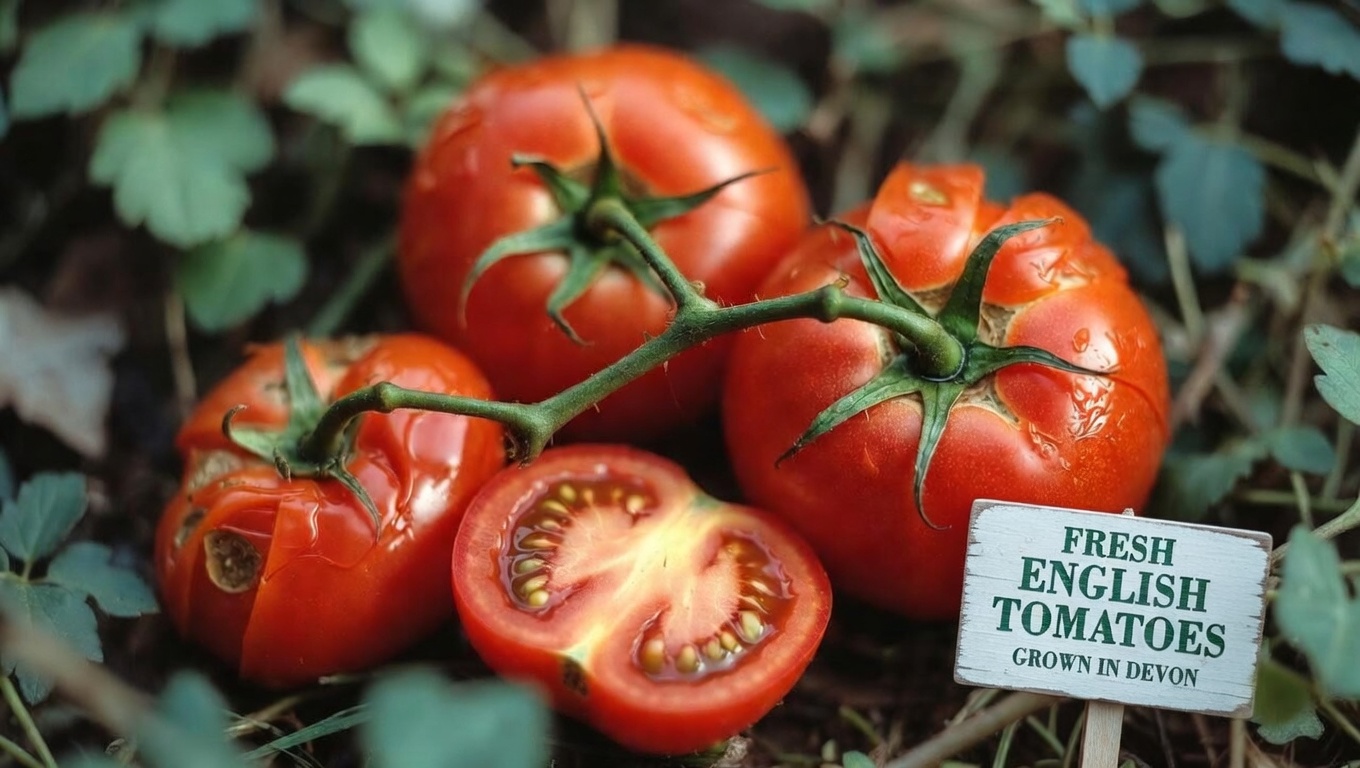
Cooked tomatoes are a rich source of lycopene, a powerful antioxidant that has been linked in observational studies to prostate cell protection. Lycopene is better absorbed when tomatoes are cooked in a bit of healthy fat. Think tomato-based sauces for whole-grain pasta, tomato soup, or grilled tomatoes as a side. -
Pumpkin Seeds
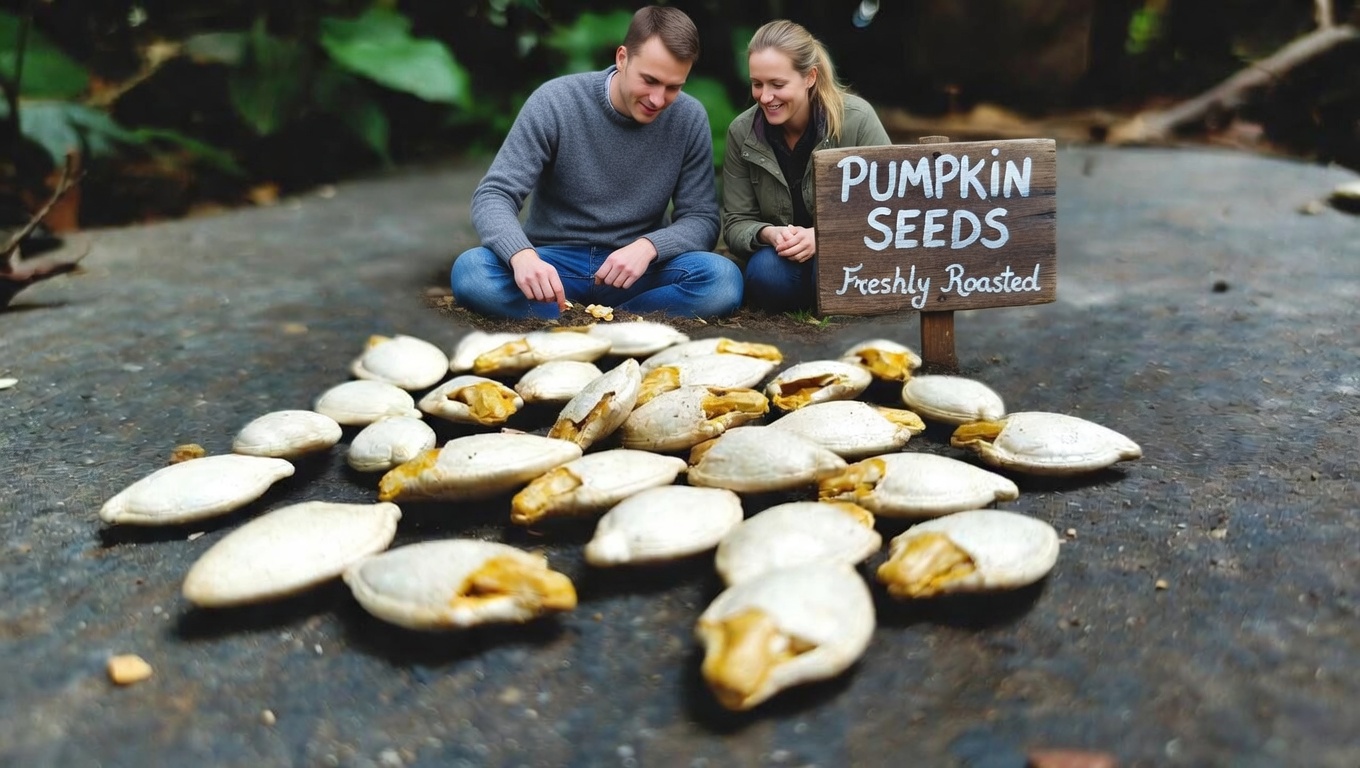
Pumpkin seeds contain zinc, an essential mineral concentrated in prostate tissue. Enjoy a small handful several times a week as a snack, or sprinkle them over oatmeal, salads, or stir-fries for a crunchy, mineral-rich boost. -
Green Tea
Green tea is loaded with catechins and polyphenols—compounds studied for their anti-inflammatory and antioxidant properties. Some research suggests green tea may support urinary comfort and general prostate wellness. Aiming for 2–3 cups per day is a practical target for many men. -
Fatty Fish (Such as Salmon, Mackerel, Sardines)
Fatty fish supply omega-3 fatty acids, which help regulate inflammation and benefit cardiovascular health. Since heart health and prostate health are closely intertwined, regularly including fatty fish in your diet can support overall well-being. -
Cruciferous Vegetables (Broccoli, Brussels Sprouts, Cabbage, Kale)
Cruciferous vegetables contain bioactive compounds like sulforaphane that may support healthy cell function and natural detoxification processes. Including them often is a simple way to support overall health, including the prostate.
Combining these foods with a varied, plant-forward eating pattern helps create a stronger, more sustainable foundation for long-term prostate and urinary health.

Lifestyle Habits That Support Easier Urination
Diet is only one piece of the puzzle. Daily behaviors can also influence BPH symptoms and urinary comfort. These habits are particularly important:
-
Move Your Body Consistently
Moderate exercise—such as brisk walking, cycling, or swimming for about 30 minutes on most days—supports weight management, enhances circulation, and can help reduce inflammation. Studies link regular physical activity with a lower incidence and severity of urinary symptoms over time. -
Be Strategic With Fluid Intake
What and when you drink makes a difference. Caffeine and alcohol can irritate the bladder and increase urine production, especially later in the day. Guidance from sources such as Harvard Health suggests limiting fluids 1–2 hours before bedtime to reduce nighttime bathroom trips. You don’t need to restrict water overall—just time it more thoughtfully. -
Practice Healthy Bathroom Habits
- Go to the bathroom when you first feel the urge; do not hold urine for long periods.
- Take your time and relax; rushing can prevent complete emptying.
- Consider “double voiding”: after you finish, wait a minute, then try to urinate again to help empty the bladder more fully.
-
Maintain a Healthy Weight
Excess abdominal fat can increase pressure on the bladder and worsen urinary discomfort. Gradual weight loss through a balanced diet and increased activity often leads to noticeable improvements in urinary frequency and urgency.
Together, these straightforward steps reinforce each other and can lead to better urinary flow and more comfortable days and nights.
Simple Ways to Put This Into Practice Every Day
Translating information into action is where real change happens. Here are practical, easy-to-implement ideas:
-
Morning Swap
Start your day with a cup of green tea instead of, or in addition to, coffee to boost your intake of protective polyphenols. -
Smart Snacking
Keep a small container of unsalted pumpkin seeds at your desk or in your bag and enjoy a handful in the afternoon rather than reaching for processed snacks. -
Tomato-Focused Meals
Plan for cooked tomato dishes at least twice a week:- Whole-grain pasta with olive oil and tomato sauce
- Baked fish with a tomato-based topping
- Roasted tomatoes with herbs as a side dish
-
Boost Cruciferous Veggies
Aim for 2–3 servings of cruciferous vegetables daily, such as:- Steamed broccoli or sautéed Brussels sprouts at dinner
- Shredded cabbage or kale in salads and soups
-
Post-Meal Walks
Walk briskly for 20–30 minutes after one or two meals a day. This supports digestion, blood flow, and weight control—all of which are beneficial for prostate health.
For an extra nutrient boost, you can blend a smoothie with berries (rich in antioxidants), a handful of spinach, and a spoonful of ground flaxseeds for fiber and healthy fats.
Everyday Choices and Their Potential Impact
Below is a quick snapshot of how simple habits can add up to meaningful support for prostate and urinary health:
| Habit / Food | Key Benefit for Prostate & Urinary Health | Easy Way to Include | Supporting Insight |
|---|---|---|---|
| Green Tea | Antioxidant and anti-inflammatory polyphenols | Drink 2–3 cups throughout the day | Linked with improved cellular protection |
| Pumpkin Seeds | Natural source of zinc for prostate tissue | Enjoy a small handful as a snack | Supports normal prostate structure and function |
| Cooked Tomatoes | High in lycopene, a protective antioxidant | Use in sauces, soups, or roasted side dishes | Lycopene is better absorbed when cooked |
| Regular Walking | Helps manage weight and improve circulation | Walk briskly ~30 minutes most days | Associated with fewer urinary symptoms |
| Limited Evening Fluids | May reduce nocturnal urination (nighttime trips) | Avoid most fluids 1–2 hours before bedtime | Simple bladder-friendly adjustment |
Putting It All Together: Small Changes, Lasting Support
Supporting prostate and urinary health after 40 does not require drastic diets or extreme routines. Instead, consistent, thoughtful choices around food, movement, and daily habits can gradually ease symptoms and promote long-term comfort.
By emphasizing foods like tomatoes, pumpkin seeds, green tea, fatty fish, and cruciferous vegetables, while staying active, managing weight, and timing fluids wisely, many men experience less urgency, fewer nighttime interruptions, and a greater sense of control.
The most important step is to begin. Choose one or two changes from this guide today, make them part of your routine, and build from there over time.
Frequently Asked Questions
How often should men over 40 check their prostate health?
Men over 40 should discuss prostate health regularly with their healthcare provider, especially if they notice new or changing urinary symptoms. Screening recommendations (such as PSA testing) vary by age, risk factors, and family history, so an open conversation with a doctor is essential to determine the right schedule.
Can these foods and habits replace medical treatment for urinary problems?
No. These strategies are meant to support overall prostate and urinary health but do not replace medical evaluation or treatment. If symptoms are bothersome, persistent, or worsening—such as difficulty urinating, blood in urine, or pain—seek professional medical advice promptly.
Is it safe to drink green tea every day?
For most healthy adults, drinking 2–3 cups of green tea per day is generally considered safe and can provide antioxidant benefits. However, people with certain medical conditions, sensitivities to caffeine, or those taking specific medications should consult their healthcare provider before significantly increasing green tea intake.