
A Simple Nutrition-Based Approach to Supporting Prostate Health After 50
Many men over age 50 begin to notice gradual shifts in urinary habits. It may start with more nighttime bathroom trips, a weaker urine flow, or a feeling that things just are not working quite the same as before. These small changes can become frustrating over time and often lead to concerns about prostate health.
The encouraging part is that daily food choices may play a helpful role. Adding nutrient-rich foods and drinks to a balanced lifestyle can support overall prostate wellness and help men stay proactive as they age.
Even more interesting, researchers have paid attention to one easy green juice made from common ingredients for its potential benefits in promoting prostate-friendly habits. Later in this article, you will find a simple recipe you can make at home.
Why Prostate Health Becomes More Important With Age
The prostate is a small gland that is essential to the male reproductive system. As men get older, the gland often goes through natural changes, including mild enlargement, which can affect comfort and urinary function.
Research from organizations such as the National Cancer Institute, along with findings from population-based studies, suggests that lifestyle choices, especially diet, may influence prostate health over time. Although no single food or drink can guarantee a specific result, choosing foods rich in protective nutrients is a practical and sensible strategy.
A diet centered on fruits, vegetables, and antioxidant-rich plant foods is often associated with better long-term health patterns in men.

Important Nutrients That May Help Support the Prostate
Several naturally occurring plant compounds have been studied for their possible role in maintaining healthy prostate function.
- Lycopene: This antioxidant is responsible for the red color in tomatoes. Some studies suggest that higher lycopene intake, especially from cooked tomatoes or tomato juice, may be linked to healthier prostate-related markers.
- Polyphenols and antioxidants: Found in foods such as pomegranate and leafy greens, these compounds help the body manage oxidative stress, which is closely tied to aging.
- Vitamin C and other phytonutrients: Common in citrus fruits, cruciferous vegetables, and greens, these nutrients support normal cellular function and overall wellness.
Foods commonly highlighted in evidence-based reviews include:
- Tomatoes, especially cooked tomatoes or tomato juice
- Pomegranate, either fresh or as pure juice
- Cruciferous vegetables such as broccoli and kale
- Green tea, which contains catechins
- Berries and citrus fruits for added vitamin and antioxidant support
Regularly eating these foods fits well with Mediterranean-style dietary patterns, which multiple studies have connected with positive health outcomes for men.
Why Fresh Juice Can Be a Convenient Daily Option
Fresh juice offers a simple way to concentrate nutrients from fruits and vegetables into a single glass. It also provides hydration while delivering beneficial plant compounds that support the body’s natural systems.
Observational research and smaller clinical studies suggest that certain juices, including tomato juice and pomegranate juice, may be associated with slower changes in prostate-related markers in some men. One study connected to UCLA, for example, observed longer PSA stability in a specific group consuming pomegranate juice, although findings remain mixed and more research is still needed.
Green juices are especially appealing because they combine vegetables and fruit in a refreshing format, often with less sugar than standard fruit juices. They can be an easy addition to a morning routine and a useful way to increase anti-inflammatory plant intake.
Easy Green Juice Recipe for Prostate-Friendly Nutrition
This homemade juice uses everyday produce known for its strong nutrient profile. It is not a cure, but it can be a flavorful addition to healthy living.
Ingredients for 1 to 2 Servings
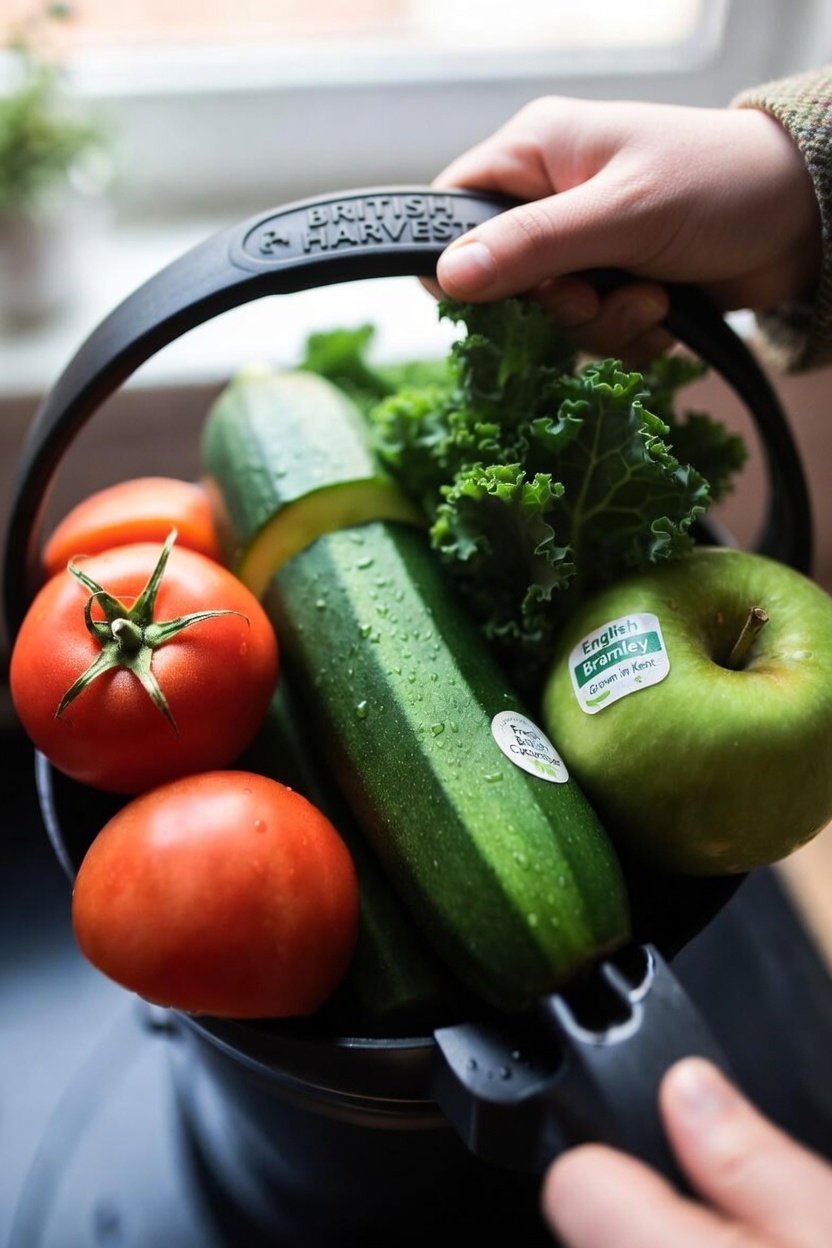
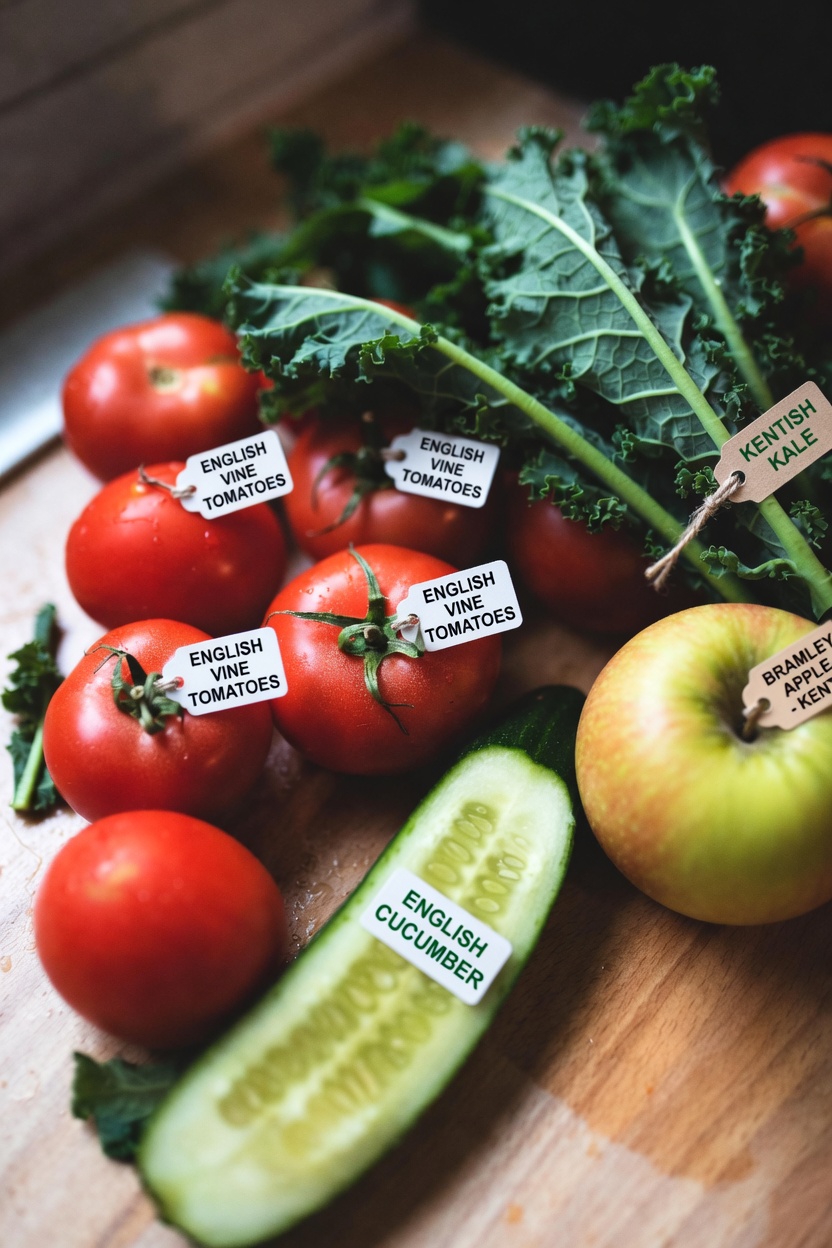
- 4 to 5 fresh tomatoes, or 2 cups cherry tomatoes for a slightly sweeter taste
- 1 medium cucumber
- 2 cups kale or spinach
- 1 small green apple
- 1/2 lemon, peeled
- Optional: a small piece of fresh ginger
How to Make It
- Wash all ingredients thoroughly.
- Cut the produce into smaller pieces so they fit easily into your juicer.
- Juice the ingredients, beginning with softer items like the cucumber and apple.
- Stir well and drink immediately, ideally within 30 minutes to preserve nutrients.
- If you do not have a juicer, blend everything together and strain using a fine mesh sieve or nut milk bag.
Try having one glass a few times each week as part of a varied, balanced diet. For better nutrition overall, pair it with whole foods rather than relying only on liquids.
Everyday Habits That Can Further Support Prostate Wellness
Juice can be useful, but long-term health usually depends on consistent daily habits. Small choices often make a real difference.
- Stay physically active with walking, stretching, or light exercise to help maintain a healthy body weight
- Drink enough water throughout the day
- Reduce processed foods and avoid too much caffeine or alcohol, especially in the evening
- Include omega-3-rich foods such as fatty fish a couple of times per week
If you follow these habits for a month, you may begin to notice gradual improvements in comfort, energy, or overall well-being.
Common Questions About Juices and Prostate Health
Is tomato juice good for prostate health?
Some research connects tomato-derived lycopene with supportive prostate effects, particularly when tomatoes are cooked or juiced, since lycopene may be easier for the body to absorb in those forms. Pure tomato juice is often mentioned in reviews as a simple dietary option.
Does pomegranate juice help?
Small studies have examined pomegranate juice because of its antioxidant content. Some have shown interesting patterns related to PSA trends, though the evidence is still developing. If you choose it, fresh or unsweetened versions are the better option.
Can I drink green juice every day?
Yes, but variety matters. Rotating ingredients helps provide a wider range of nutrients and prevents overdependence on one food source. Green juice works best when combined with solid, whole-food meals.
A Smart, Balanced Way to Think About Prostate Support
Supporting prostate health does not require extreme measures. A more realistic approach is to focus on evidence-informed habits, including regular exercise, good hydration, and a diet rich in vegetables, fruits, and beneficial plant compounds.
A simple homemade green juice featuring tomatoes, greens, cucumber, lemon, and apple can be an easy way to increase nutrient intake and support a prostate-friendly lifestyle. The goal is not dramatic promises, but consistent, practical choices that may help men feel better over time.