Everyday Nutrition Habits That Help Support Kidney Health
Your kidneys are constantly at work. Day after day, they remove waste, regulate fluid levels, and help maintain healthy blood pressure. However, many everyday eating and drinking habits can gradually place extra pressure on them. Over time, that added strain may contribute to issues like bloating, low energy, swelling, or a greater risk of long-term health problems.
The encouraging news is that you do not need a drastic overhaul to make a meaningful difference. Simple, steady improvements in your diet can help reduce kidney workload and support overall well-being. This guide covers practical, research-backed ways to choose foods that are gentler on the kidneys while cutting back on items that may make them work harder.
What many people miss is this: kidney-friendly eating is not about finding one magical superfood. The real impact comes from your daily routine and long-term habits. And near the end, you’ll find an easy morning ritual that brings these ideas together in a realistic, enjoyable way.
Why What You Eat Every Day Affects Kidney Function
According to research and guidance from organizations such as the National Institute of Diabetes and Digestive and Kidney Diseases (NIDDK), eating patterns lower in sodium and better balanced in minerals like potassium and phosphorus can help reduce stress on the kidneys. This becomes especially important for protecting kidney function over time.
When your diet is high in sodium, blood pressure can rise, making it harder for the kidneys to regulate fluids efficiently. Many packaged and highly processed foods contain large amounts of hidden sodium, along with preservatives and additives that may increase the burden further.
On the other hand, staying well hydrated and choosing whole, nutrient-rich foods can support the kidneys’ natural filtering process. Research also suggests that many fruits and vegetables provide antioxidants and fiber, helping overall health without overwhelming the system.
Foods That Fit a Kidney-Friendly Eating Pattern
A balanced eating plan should emphasize foods that are generally easier on the kidneys, especially when there is a need to be more mindful of mineral intake.
Helpful choices to include
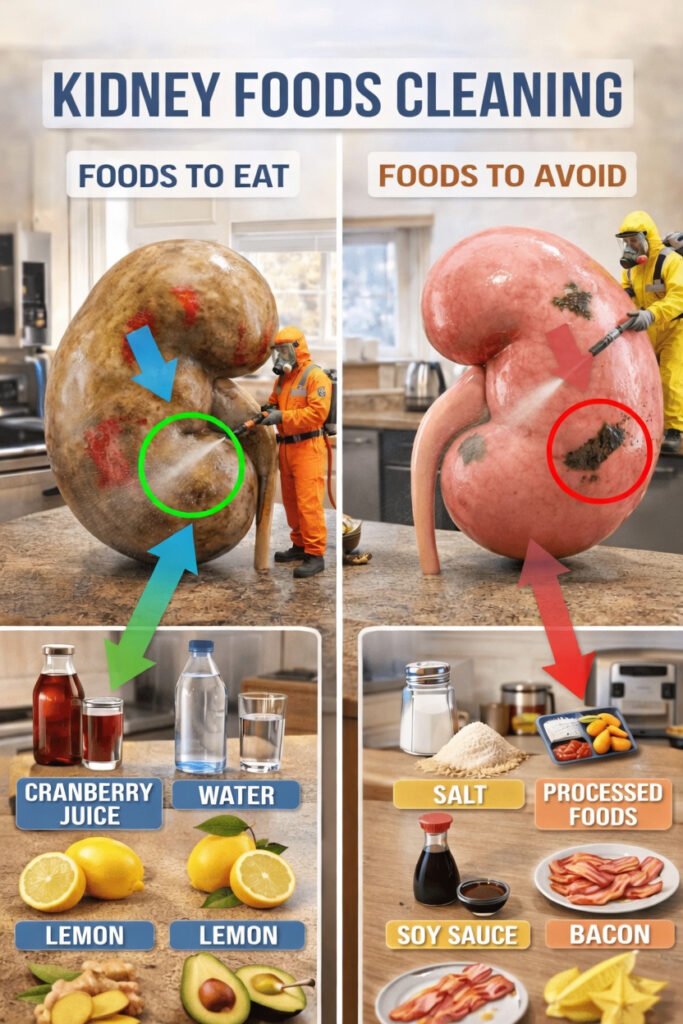
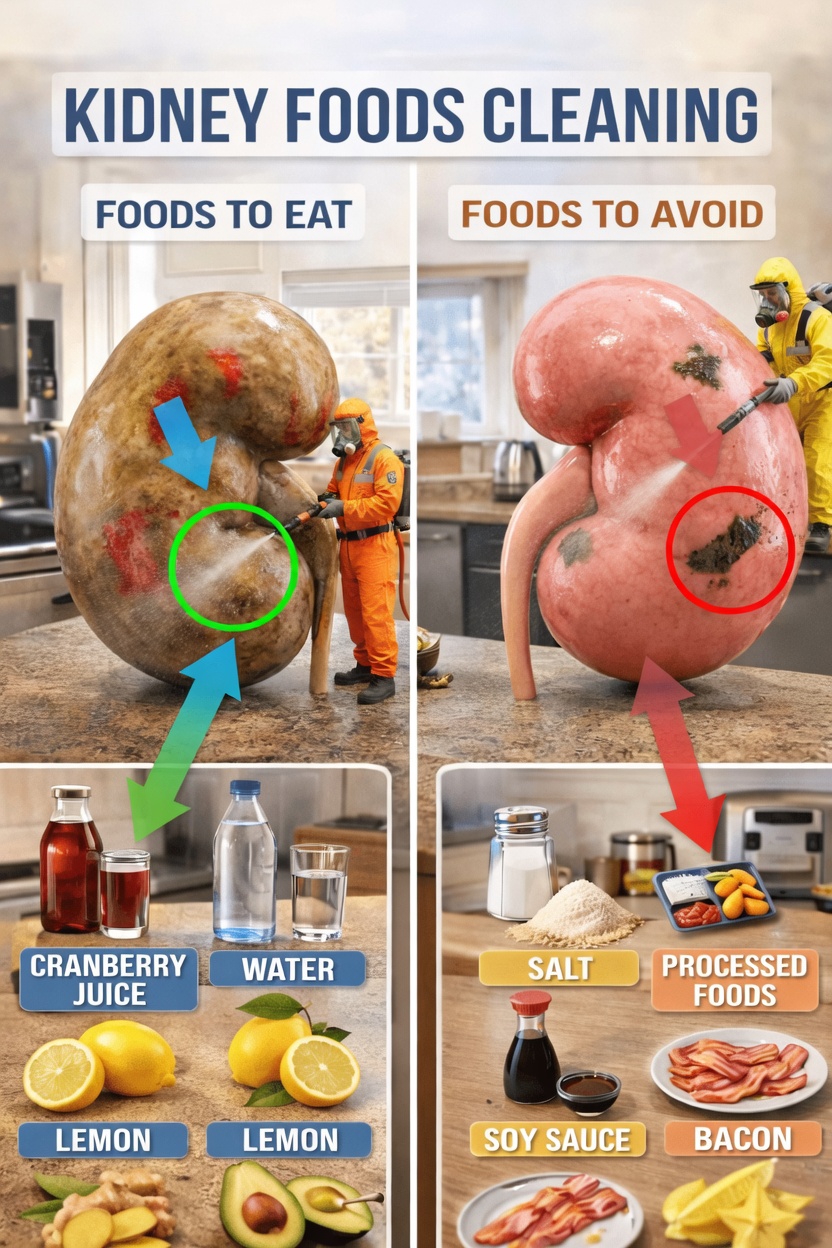
- Water: One of the most important basics. Good hydration helps urine move regularly and may prevent waste from becoming too concentrated. Try to drink water consistently throughout the day.
- Cranberries: Often consumed as unsweetened or diluted juice. Some evidence suggests they may support urinary tract health, which can indirectly benefit the kidneys.
- Lemons: Fresh lemon added to water can increase citrate intake, which urology experts associate with helping reduce the risk of certain kidney stones.
- Ginger: This versatile root may support digestion and can be part of an anti-inflammatory, whole-food eating pattern.
- Avocado: It contains healthy fats and fiber, though portion size matters for people who need to watch potassium intake.
Other kidney-supportive foods often recommended
- Red bell peppers: Rich in vitamins and typically lower in minerals that may need monitoring
- Cabbage and cauliflower: Nutritious cruciferous vegetables with a range of health benefits
- Apples and berries: High in antioxidants and often well suited to a kidney-conscious diet
- Garlic and onions: Excellent for adding flavor without relying on extra salt
The best approach is to introduce these foods gradually so the changes feel practical and sustainable.

Foods to Reduce if You Want to Ease Kidney Workload
Some foods commonly create extra strain because they are high in sodium, phosphorus additives, saturated fat, or other compounds that may be harder on the kidneys.
Items to limit
- Salt and salty seasonings: Table salt, soy sauce, and similar condiments can contribute to fluid retention and increased blood pressure.
- Processed foods: Packaged snacks, deli meats, and ready-made meals often contain large amounts of sodium and preservatives.
- Bacon and cured meats: These products typically combine excessive sodium with higher levels of saturated fat.
- Starfruit: This fruit can be especially risky for people with impaired kidney function because of naturally occurring compounds that may become harmful.
Many kidney health guidelines also suggest limiting:
- Dark sodas, which often contain phosphorus additives
- Large amounts of processed protein products, which may place added stress on the body
Quick Comparison: Better Choices vs. Foods to Limit
Better options
- Plain water throughout the day
- Fresh lemon slices in water
- Unsweetened cranberry juice in moderation
- Ginger tea or fresh ginger
- Small servings of avocado
Foods to cut back on
- Added table salt
- Soy sauce and similar high-sodium condiments
- Packaged snacks and convenience meals
- Bacon and cured meats
- Starfruit, especially for those with kidney concerns
Looking at these choices side by side can make shopping, meal planning, and everyday substitutions much easier.
Practical Ways to Build Kidney-Friendly Habits
Long-term success usually starts with small steps. Instead of trying to change everything at once, focus on a few realistic actions you can repeat daily.
1. Make hydration your first priority
Start the day with a glass of water. If you want more flavor, squeeze in a little fresh lemon. This can make drinking water more enjoyable while also adding citrate. Aim to spread your fluid intake across the day rather than drinking it all at once.
2. Watch out for hidden sodium
Read food labels carefully. A common goal is to stay under 2,300 mg of sodium per day, unless your healthcare provider recommends a lower amount. Season foods with herbs, garlic, lemon, or ginger instead of relying on salt.
3. Choose fresh foods more often
Try replacing processed meats with fresher protein sources such as fish or egg whites. When possible, choose fresh fruit instead of canned or heavily sweetened options.
4. Add one supportive food at a time
A simple strategy is to introduce one kidney-friendly food each week. For example:
- Add red bell peppers to salads
- Blend cranberries into a smoothie
- Use cauliflower in a stir-fry
- Snack on apples or berries
5. Be mindful of portions
Even healthy foods can become problematic when eaten in large amounts, especially for people who need to monitor minerals like potassium. Balance matters just as much as food quality.
The key is consistency. You do not need perfect eating habits to support your kidneys. Repeating small healthy choices over time is what matters most, and this aligns with guidance from the National Kidney Foundation and related health resources.

A Simple Morning Routine to Bring It All Together
Here is the easy habit that can help reinforce everything above: begin your morning with warm water, fresh lemon juice, and a thin slice of ginger. Drink it slowly while thinking about your meals for the day.
This simple routine can help you:
- Hydrate first thing in the morning
- Add flavor without sodium
- Encourage better water intake throughout the day
- Start the day with a more mindful approach to food
Many people find this combination refreshing, soothing, and energizing. Over time, pairing it with smarter food choices can support steadier energy and reduce unnecessary strain on the body.
Frequently Asked Questions
Does cranberry juice actually help urinary health?
Some research suggests cranberry products may help lower the risk of recurrent urinary issues in certain individuals, although the results are not the same for everyone. It can be a useful supportive habit, but it should not be viewed as a complete solution on its own.
Is lemon water beneficial for everyone?
Lemon water can support hydration and provide citric acid, which may help reduce the chance of certain stones forming. If you have a medical condition or dietary restriction, it is best to check with a healthcare professional first.
How much water should I drink each day?
Many general recommendations suggest enough fluids to keep urine a pale yellow color. For many adults, that may be around 8 to 10 cups daily, though needs vary based on climate, physical activity, and personal health conditions.
What if I already have kidney problems?
If you already have kidney-related concerns, personalized advice is important. A doctor or registered dietitian can help you choose foods and portion sizes that fit your specific needs safely.
Important Note
This article is intended for educational purposes only and should not replace professional medical advice. Always speak with your doctor or a registered dietitian before making major dietary changes, especially if you have an existing medical condition.