7 Quiet Signs of High Blood Sugar You May Be Overlooking—and Natural Ways to Protect Your Health Starting Today
Keeping your blood sugar within a healthy range is essential for overall well-being. Yet many people miss the warning signs their body sends when glucose levels begin to rise. Because these symptoms often develop slowly, they can be easy to dismiss until more serious problems appear.
Too much glucose in the bloodstream, known as hyperglycemia, can lead to a range of health issues and, over time, increase the risk of conditions such as diabetes. Recognizing the early signals can make a major difference in protecting your health.
What Is Hyperglycemia?
Hyperglycemia happens when blood glucose levels go above the normal range. This usually occurs when the body does not make enough insulin or cannot use it properly. Insulin is the hormone that helps glucose move from the blood into the cells, where it is used for energy. When that process is disrupted, sugar builds up in the bloodstream.
7 Signs to Watch For
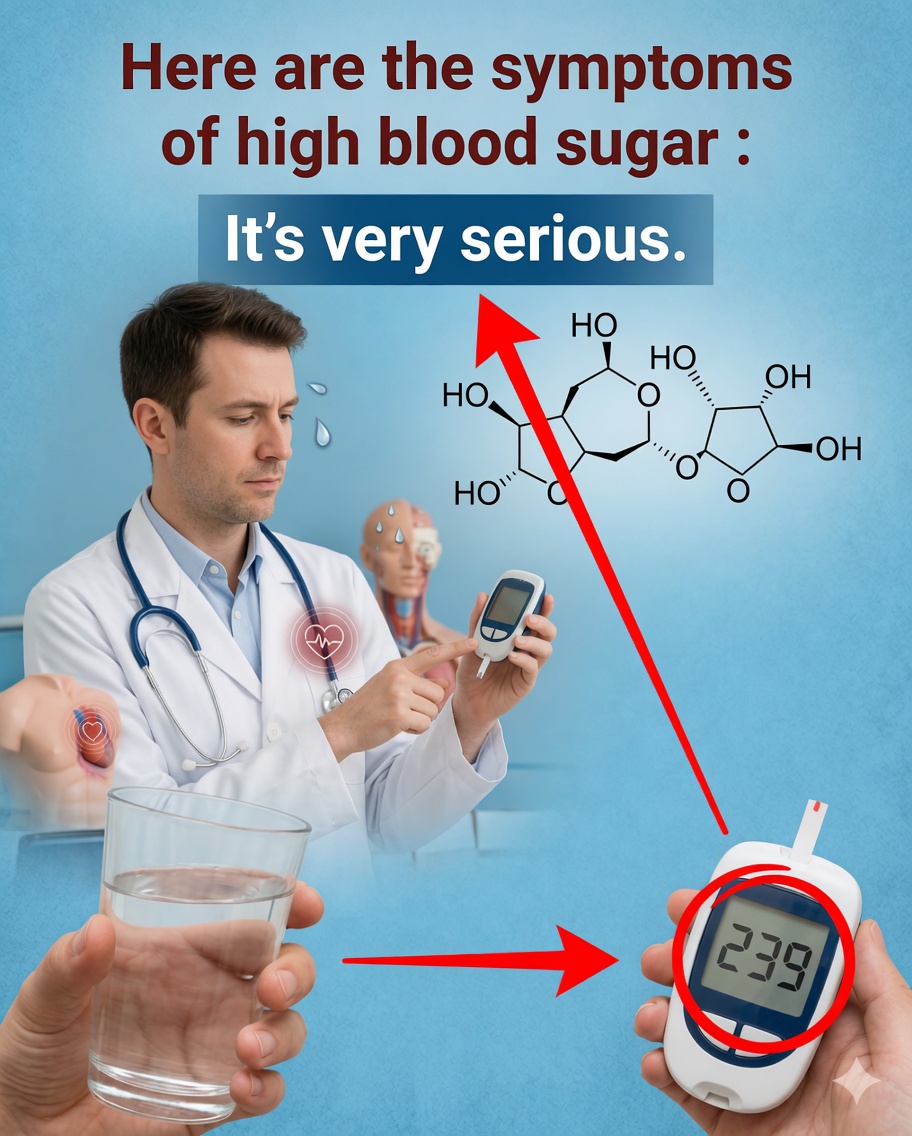
1. Constant Thirst
If you feel thirsty all the time, even after drinking enough water, high blood sugar may be a factor. The kidneys work harder to remove excess glucose through urine, which can leave the body dehydrated.
2. Frequent Urination
Needing to urinate often, especially during the night, is a common warning sign. This happens because the body is trying to flush out extra sugar.
3. Ongoing Fatigue
Do you still feel drained even after a full night’s sleep? When glucose is not being used efficiently, your cells do not get the energy they need, which can leave you feeling constantly tired.
4. Increased Hunger
It may seem surprising, but even with too much sugar in the blood, the body can still signal hunger. That is because the cells are not receiving enough usable energy.
5. Blurred Vision
Elevated blood sugar can affect the fluid balance in the eyes, which may temporarily interfere with clear vision.
6. Unexplained Weight Loss
When the body cannot properly use glucose for fuel, it may begin breaking down fat and muscle instead. This can lead to weight loss without any clear reason.
7. Frequent Infections and Slow Healing
High blood sugar can weaken the immune system, making the body more vulnerable to infections and slowing the healing process.
Why Is It Dangerous?
Ignoring these warning signs can cause long-term damage to important organs and systems, including the:
- Heart
- Kidneys
- Eyes
- Nervous system
Over time, untreated high blood sugar can contribute to serious chronic disease and major health complications.
Natural Ways to Support Healthy Blood Sugar
Eat a Balanced Diet
Choose foods that help stabilize blood sugar, such as:
- Vegetables
- Lean proteins
- Whole grains
Try to limit refined sugars and heavily processed foods.
Stay Physically Active
Regular movement helps the body use glucose more effectively. Even a simple daily walk can make a positive difference.
Lower Stress Levels
Chronic stress can affect blood sugar balance. Natural stress-management techniques may help, including:
- Meditation
- Deep breathing
- Yoga
Monitor Your Health
Routine checkups and regular monitoring can help detect imbalances early, giving you a better chance to take action before complications develop.
Conclusion
The signs of high blood sugar may appear mild at first, but they should never be ignored. Paying attention to your body, following a healthy lifestyle, and taking action early are key steps for protecting your long-term health.
Remember: listening to your body today may help you avoid serious health problems tomorrow.