
A Senior’s Guide to Kidney‑Friendly Protein Choices
Living with kidney issues can feel confusing and stressful—especially when once‑familiar foods suddenly seem off‑limits. Many older adults notice shifts in energy, swelling in the legs or hands, or increased tiredness as kidney function declines. On top of that, deciding what to eat can turn each meal into a worry instead of a pleasure, affecting family time and daily quality of life.
The encouraging news: you don’t have to give up protein completely. By choosing the right types and amounts of protein, you can support kidney health while still enjoying satisfying meals. This guide highlights proteins that are best kept in check, along with gentler options that fit better into a kidney‑friendly diet.
There is also one often‑overlooked habit that can make a meaningful difference in how your body handles protein day to day—stay with this guide to find it in the tips section.

Why Protein Matters for Kidney Health
Protein is vital for staying strong and independent as you age. It helps you:
- Maintain and build muscle
- Repair skin and other body tissues
- Support immune function and healing
However, when kidneys aren’t working at full strength—as in chronic kidney disease (CKD)—processing protein creates waste products that the kidneys must remove. If kidney function is reduced, these wastes can build up in the blood, leading to fatigue, poor appetite, or other symptoms.
Research from groups such as the National Kidney Foundation shows that balancing protein intake can:
- Help protect remaining kidney function
- Reduce symptoms tied to waste buildup
- Support overall well‑being
The “right” protein amount is not one‑size‑fits‑all. It depends on:
- Your stage of kidney disease
- Your body weight and muscle mass
- Whether you are on dialysis
- Your lab results and other health conditions
Because of this, it’s essential to work closely with your doctor or a renal dietitian to determine your personal protein target—often in the range of 0.6–0.8 g per kg body weight for many non‑dialysis patients, but this must be individualized.
6 Protein Foods Older Adults May Need to Limit
Some protein sources contain more phosphorus, potassium, sodium, or saturated fat—nutrients that can be harder for compromised kidneys to manage. Limiting does not mean you must cut these foods out entirely. Instead, aim for smaller portions and less frequent consumption.
1. Red Meats (Beef, Pork, Lamb)
Red meat is rich in protein and iron, but it often comes with:
- Higher phosphorus content
- Significant saturated fat
Regularly eating large amounts of red meat may place extra strain on kidneys, especially in later stages of CKD.
2. Processed Meats (Bacon, Sausages, Deli Meats)
Processed meats are among the most challenging choices for kidney health because they commonly include:
- Very high sodium levels
- Added phosphates (phosphate additives)
- Preservatives that can affect blood pressure and fluid balance
These additives are absorbed quickly and can be especially harmful for people managing kidney disease.
3. Dairy Products (Milk, Cheese, Yogurt)
Dairy foods offer calcium and protein, but they can also be:
- High in phosphorus
- High in saturated fat (especially full‑fat varieties)
For many seniors with kidney problems, limiting portions—rather than eliminating dairy—helps manage phosphorus while still enjoying small amounts.
4. Nuts and Seeds (When Eaten in Large Quantities)
Nuts and seeds are nutrient‑dense and heart‑healthy, yet they contain:
- Significant phosphorus
- Notable potassium
A small handful occasionally can fit into some kidney‑friendly meal plans, but it’s easy to overeat them, pushing phosphorus and potassium too high.
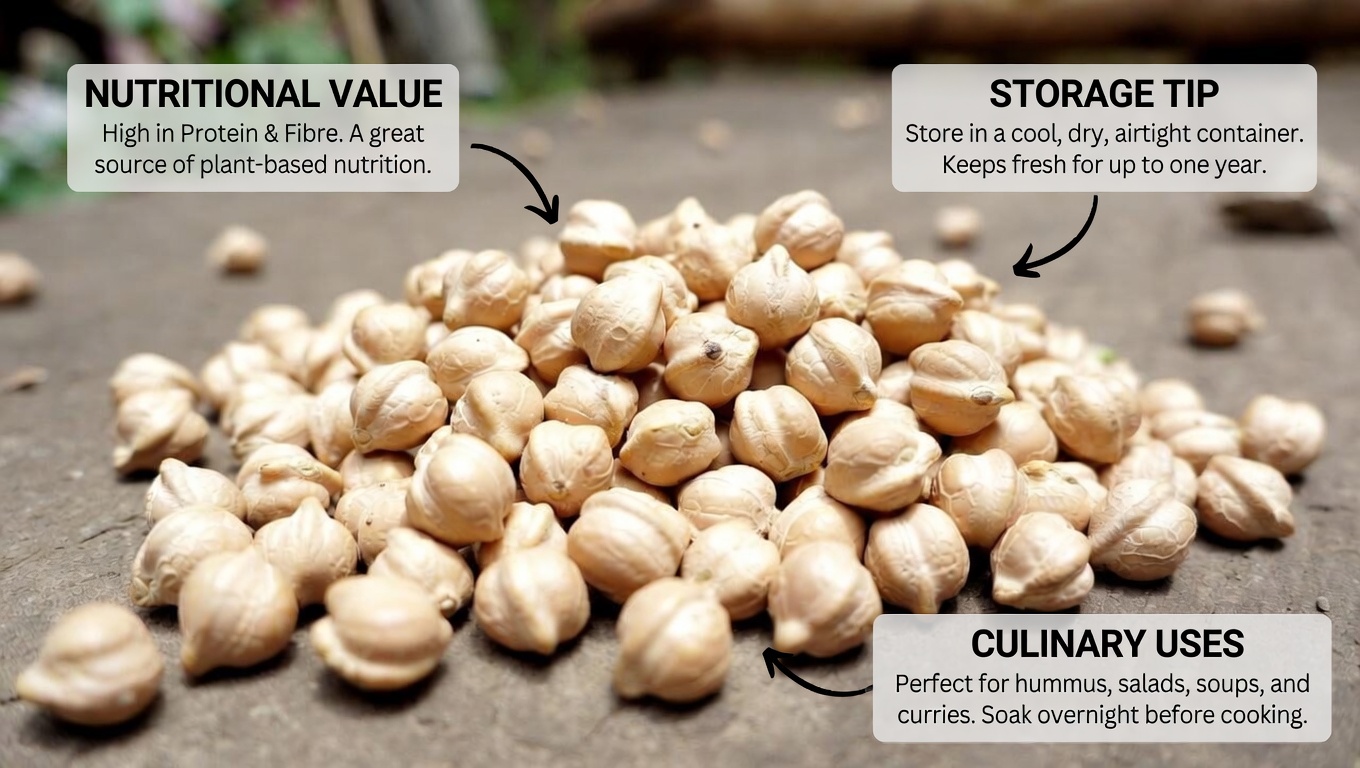
5. Dried Beans and Lentils (Beyond Moderate Portions)
Beans, lentils, and peas are excellent plant proteins and provide fiber. However, they also:
- Contain plant‑based phosphorus
- Often come with considerable potassium
These nutrients can build up when kidneys cannot filter efficiently, so portions should usually be modest and planned with a renal dietitian.
6. Organ Meats (Liver, Kidney, Heart)
Organ meats are extremely rich in vitamins and minerals but are also:
- Very high in phosphorus
- Often high in cholesterol
For those with kidney disease, these meats are best seen as rare or occasional foods—if included at all.
At‑a‑Glance: Why These Proteins Are Limited
| Protein Type | Main Concern for Kidneys | Typical Phosphorus (per ~3 oz / small serving)* |
|---|---|---|
| Red meat | Higher phosphorus, saturated fat | ~200–250 mg |
| Processed meats | Excess sodium, phosphate additives | Often high, varies by product |
| Cheese | Concentrated phosphorus, saturated fat | ~150–200 mg |
| Nuts (small handful) | Phosphorus and potassium combined | ~100–150 mg |
| Dried beans | Plant phosphorus, potassium | ~100–150 mg |
| Organ meats | Very high phosphorus | 300 mg or more |
*Values are approximate and can vary by brand and preparation.
By moderating these foods, you help reduce the workload on your kidneys while keeping your meals enjoyable and diverse.
4 Kidney‑Friendlier Protein Options to Choose More Often
A kidney‑friendly diet focuses on proteins that are easier on the kidneys because they are lower in problematic minerals, better balanced in fat, or more efficiently used by the body.
1. Egg Whites
Egg whites are considered a “gold standard” protein for many people with kidney disease because they provide:
- High‑quality protein
- Very little phosphorus
- No saturated fat
Two egg whites deliver roughly 7 grams of excellent protein without overloading the kidneys.
2. Skinless Poultry (Chicken or Turkey Breast)
Skinless chicken or turkey breast offers:
- Lean, complete protein
- Lower phosphorus than many red meats
- Versatile cooking options (grilled, baked, or roasted)
They are a strong everyday choice for many seniors managing their kidney health.
3. Fresh Fish (Such as Salmon, Tilapia, Cod)
Fish can be a smart swap for higher‑phosphorus meats, and many varieties supply:
- High‑quality protein
- Omega‑3 fatty acids that support heart and blood vessel health
Keeping portions moderate and choosing fresh or minimally processed fish helps align with kidney‑friendly guidelines.
4. Tofu and Some Soy Products
Tofu and certain soy‑based foods can fit well into a renal diet because they:
- Provide plant‑based protein
- Often have phosphorus that is less completely absorbed than that from animal sources
- Work in many dishes (stir‑fries, soups, scrambles)
Your dietitian can help you decide how much soy fits your individual needs.
Easy Protein Swaps for Kidney Health
Use these simple substitutions to gently shift toward kidney‑friendlier meals:
- Instead of cheese on your salad → Add sliced egg whites or a small portion of tofu.
- Instead of processed deli meats in sandwiches → Choose grilled or baked chicken breast.
- Instead of red meat in a stir‑fry → Use fresh fish pieces or tofu cubes.
- Instead of large handfuls of nuts as a snack → Try an egg‑white omelet with herbs or vegetables (as allowed).
Everyday Strategies for Smarter Protein Habits
Small, steady adjustments are more sustainable than dramatic changes. These practical steps can help you make protein work for your kidneys, not against them.
1. Start with Portion Control
Aim for:
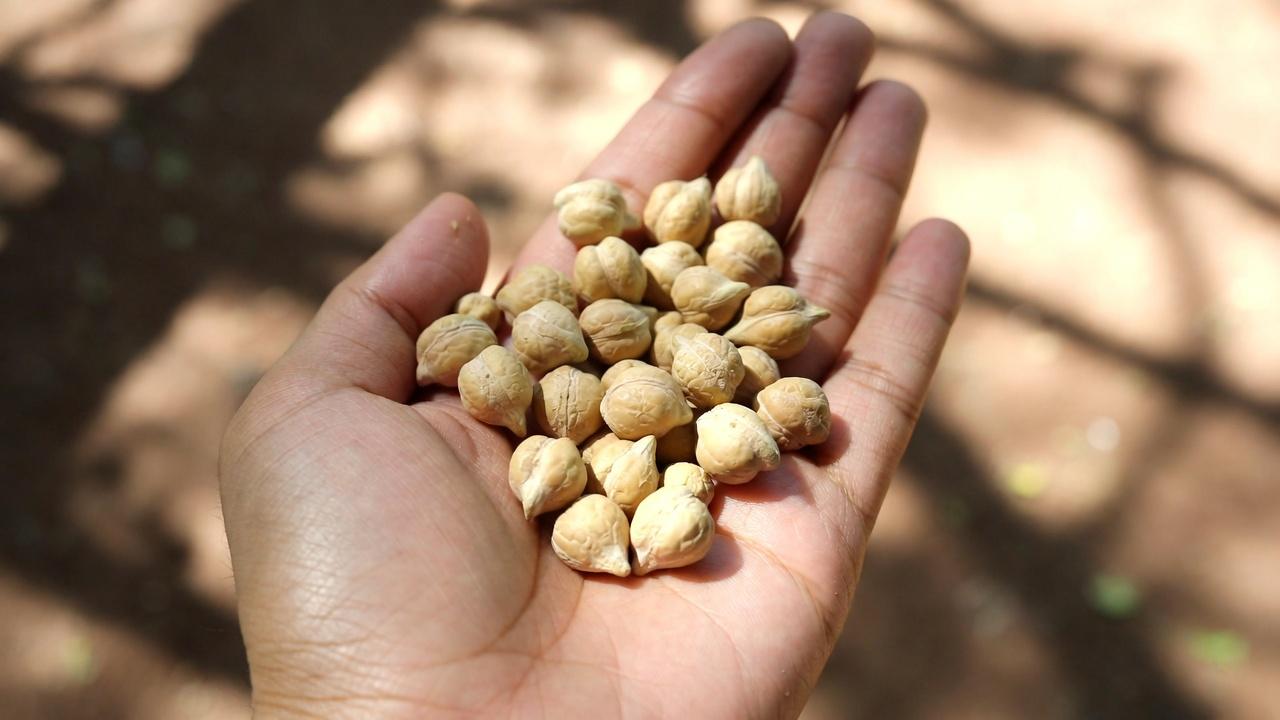
- About 3–4 ounces (roughly the size of your palm) of cooked protein per main meal, unless your care team advises otherwise.
This keeps total intake in a range that is easier for your kidneys to handle.
2. Combine Plant and Animal Proteins
When appropriate for your plan, mixing plant and animal sources can help:
- Reduce overall waste products
- Add fiber and other beneficial nutrients
Examples: small servings of beans paired with egg whites, or tofu used alongside a modest portion of fish.
3. Read Labels for “Hidden” Phosphates
In packaged foods, look for words like:
- “Phosphate”
- “Phosphoric acid”
- “Polyphosphate”
These added phosphates are absorbed more easily than natural phosphorus and can quickly raise blood levels, making them important to limit.
4. Choose Gentle Cooking Methods
How you cook protein matters. Prefer:
- Grilling
- Baking
- Steaming
- Poaching
These methods avoid excess added fat and salt. Try to limit heavy sauces, salty marinades, and deep‑frying.
5. Pay Attention to How You Feel After Meals
Notice:
- Energy levels
- Swelling in feet or hands
- Changes in sleep or comfort
Keeping a simple food and symptom diary can help you and your care team identify patterns and refine your meal plan.
6. Hydrate According to Your Plan
The right fluid intake supports kidney function and helps your body process waste. However:
- Some people with kidney disease need to limit fluids
- Others may be encouraged to drink more
Follow the specific fluid recommendations from your nephrologist or renal dietitian rather than general rules.
The Overlooked Habit: Spread Protein Evenly Through the Day
Many people eat very little protein at breakfast and lunch, then have one large protein‑heavy dinner. For sensitive kidneys, this pattern can:
- Create periods of higher waste buildup
- Leave energy uneven throughout the day
A helpful alternative is to distribute protein more evenly across meals and snacks. For example:
- Include a small portion of egg whites or tofu at breakfast
- Add a modest amount of chicken or fish at lunch
- Enjoy another moderate serving at dinner
This approach can support steadier energy while reducing the strain of processing a large protein load all at once.
Putting It All Together: Small Steps, Better Days
Thoughtful protein choices are a powerful tool for protecting kidney function and improving daily comfort. By:
- Limiting higher‑risk proteins such as red meat, processed meats, large portions of dairy, nuts, beans, and organ meats
- Choosing kidney‑friendlier options like egg whites, lean poultry, fresh fish, and tofu more often
- Practicing portion control and spreading protein intake through the day
you can feel more in control of your health and meals.
Partner regularly with your healthcare team. Lab results and medical follow‑ups will help tailor your protein needs over time so that your diet supports both your kidneys and your overall vitality.
Frequently Asked Questions
Does my protein intake change if I’m on dialysis?
Yes. Dialysis removes some protein from your body during treatment. As a result, many people on dialysis actually need more protein than before to prevent muscle loss and maintain strength. Your renal dietitian will calculate a specific target for you.
Are all plant proteins safe for kidney disease?
Plant proteins can be very helpful, particularly because some plant phosphorus is less fully absorbed. However, many plant foods (like beans, lentils, nuts, and seeds) still contain significant phosphorus and potassium. Most people with CKD need:
- Controlled portion sizes
- A variety of plant sources rather than large amounts of one food
Your personal diet plan should balance these factors.
How can I find my exact protein limit?
Your ideal protein intake depends on:
- Your stage of kidney disease
- Your body weight and age
- Whether you receive dialysis
- Your blood work and overall health
A renal dietitian or nephrologist can use this information to set a personalized protein range—often starting around 0.6–0.8 g per kg of body weight for non‑dialysis CKD, then adjusting as needed.