Natural Remedies for Cysts and Fibroids
Ovarian cysts, uterine fibromas, and fibroids are common gynecological conditions that affect millions of women worldwide. While medical diagnosis and treatment are essential, many people also look for natural remedies for cysts and fibroids to help ease discomfort such as pain, bloating, inflammation, or hormonal changes.
Below you will find three popular home remedies, how to prepare them, their potential benefits, and practical tips to enhance their effects. These remedies are meant as complementary support, not a replacement for professional care.
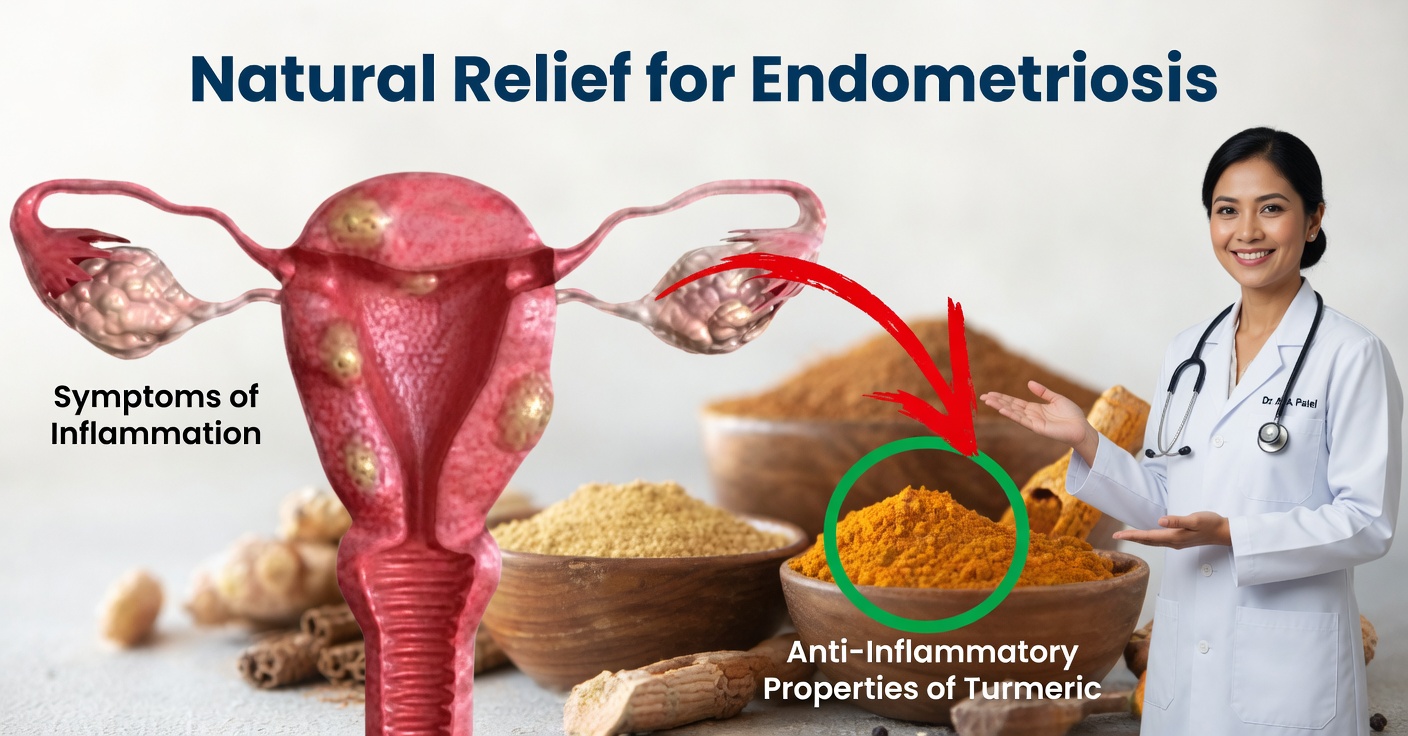
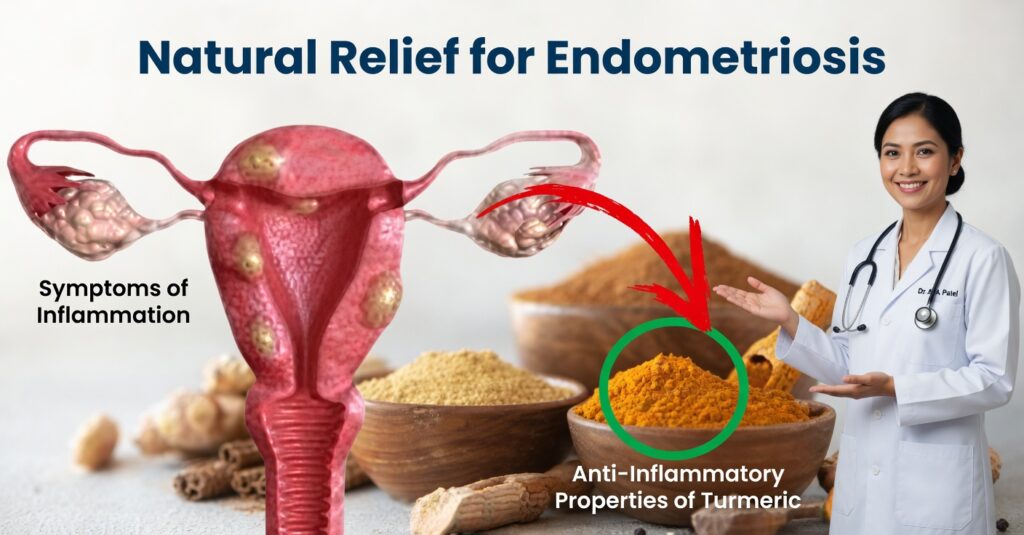
1. Ginger and Turmeric Tea
Ingredients
- 1 fresh ginger root (about 2 inches / 5 cm)
- 1 teaspoon ground turmeric
- 1 lemon
- 1 teaspoon honey (optional)
- 4 cups of water
Preparation
- Peel and grate the ginger root.
- Bring 4 cups of water to a boil.
- Add the grated ginger and turmeric to the boiling water.
- Reduce the heat and simmer for about 15 minutes.
- Remove from heat, strain the liquid, and add freshly squeezed lemon juice.
- Sweeten with honey if desired.
How to Drink It
- Drink 1 cup in the morning and 1 cup in the evening.
- Use consistently for at least 2 weeks to assess how your body responds.
Potential Benefits
- Natural anti-inflammatory support: Ginger and turmeric may help ease inflammation in the pelvic area, which some people find soothing when dealing with cysts and fibroids.
- Improved circulation: Warm herbal teas can support blood flow in the pelvic region.
- Immune system support: Both ginger and turmeric contain antioxidants that help protect cells and support overall immune function.
Tips and Precautions
- Avoid this tea if you are allergic or sensitive to ginger or turmeric.
- Talk to your healthcare provider before using regularly if you are pregnant, breastfeeding, or taking blood thinners or other medications.
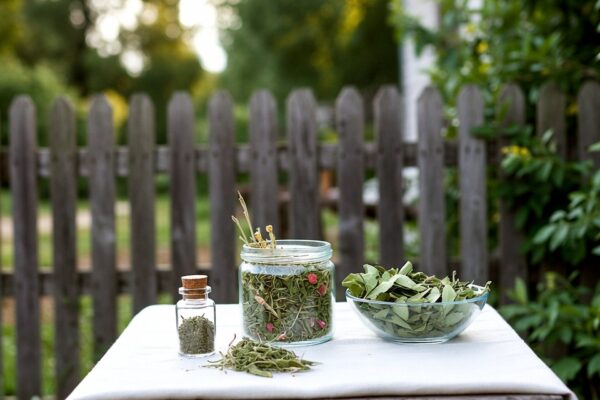
2. Raspberry Leaf Infusion
Ingredients
- 1 tablespoon dried raspberry leaves
- 1 cup hot water
- Honey or lemon to taste (optional)
Preparation
- Bring 1 cup of water to a boil.
- Pour the hot water over the raspberry leaves.
- Cover and let steep for 10–15 minutes.
- Strain and add honey or lemon if you like.
How to Drink It
- Drink 1 cup per day, preferably in the afternoon or evening.
Potential Benefits
- Uterine toning support: Raspberry leaf is traditionally used to help support and tone the uterine muscles and promote a more balanced menstrual cycle.
- Relief from cramps: Many women use raspberry leaf tea to help soothe menstrual cramps and pelvic discomfort.
- Nutrient-rich: Raspberry leaves contain minerals and vitamins such as iron, calcium, and vitamin C, which support overall reproductive health.
Tips and Precautions
- Do not use raspberry leaf tea during pregnancy without medical guidance, as it may affect uterine tone.
- Store dried raspberry leaves in a cool, dry, and dark place to preserve their properties.
3. Aloe Vera Juice
Ingredients
- 1 fresh aloe vera leaf
- 1 cup water
- 1 tablespoon honey (optional)
Preparation
- Cut the aloe vera leaf and carefully remove the clear inner gel.
- Rinse the gel to remove any traces of the yellow latex.
- Blend the gel with 1 cup of water until smooth.
- Add honey if you prefer a sweeter taste.
How to Drink It
- Drink 1 glass on an empty stomach once a day.
- Use for about 7–10 days and then take a break, unless your doctor advises otherwise.
Potential Benefits
- Anti-inflammatory and soothing: Aloe vera may help reduce inflammation and support natural tissue repair.
- Gentle detox support: It can support liver function and help the body eliminate toxins, which may indirectly benefit the reproductive system.
- Digestive and hormonal balance support: By improving digestion and gut health, aloe vera may contribute to more stable hormone metabolism.
Tips and Precautions
- Use only the clear inner gel; avoid the green peel and the yellow latex, which can be irritating and have strong laxative effects.
- Consult your doctor before using aloe vera regularly if you have digestive disorders, are pregnant, breastfeeding, or are taking any medications.
General Tips to Support Reproductive Health
1. Maintain a Nutritious Diet
- Prioritize:
- Fresh fruits
- Dark leafy greens
- Whole grains
- Healthy fats (such as avocado, olive oil, nuts, and seeds)
- Lean protein sources (fish, poultry, legumes)
- Limit:
- Ultra-processed foods
- Deep-fried foods
- Refined sugars and sugary drinks
A balanced diet can support hormonal balance, reduce inflammation, and promote healthy weight management, all of which are important for uterine and ovarian health.
2. Exercise Regularly
- Aim for regular activities such as:
- Walking
- Yoga
- Swimming
- Light strength training
Movement improves blood circulation, supports the lymphatic system, and helps regulate stress hormones, which can positively influence menstrual and reproductive health.
3. Manage Stress Levels
Chronic stress can disrupt hormonal balance and may worsen symptoms related to cysts and fibroids.
- Helpful practices include:
- Meditation or mindfulness
- Deep breathing exercises
- Gentle stretching or yoga
- Reducing screen time, especially social media, for at least an hour a day
- Journaling or spending time in nature
4. Schedule Regular Gynecological Checkups
- Visit your gynecologist at least once a year, even if you feel well.
- Regular pelvic exams and ultrasounds (when recommended) allow for early detection and better management of cysts, fibroids, or other gynecological issues.
Conclusion
Natural remedies for cysts and fibroids can be a helpful complement to medical care when used consistently and safely. Ginger and turmeric tea, raspberry leaf infusion, and aloe vera juice are traditional options that may support pain relief, inflammation reduction, and hormonal balance for some women.
When combined with a nutrient-rich diet, regular physical activity, and effective stress management, these natural approaches can contribute to overall uterine and reproductive well-being. Always work in partnership with a healthcare professional before starting any new remedy, especially if you have a diagnosis of fibroids or ovarian cysts, are on medication, or are pregnant or breastfeeding.
Important Notice
This article is for informational and educational purposes only and does not replace professional medical advice, diagnosis, or treatment. If you experience severe, persistent, or worsening symptoms—such as intense pelvic pain, heavy bleeding, or sudden changes in your cycle—consult a qualified healthcare provider as soon as possible.
Related Reading
- Mint, Ginger, and Lemon Tea: Natural Relief for the Body
- Health Benefits of Boiled Pomegranate Peel