Red Onions for Blood Sugar and Cholesterol Support: What the Research Says
Keeping blood sugar steady can be difficult for many people, especially as age, eating habits, and daily routines begin to shift. Even mild ups and downs may affect energy, mood, and general comfort, which is why so many people look for simple, natural ways to support metabolic wellness.
Among everyday foods, some vegetables have attracted attention for their possible role in helping maintain healthy blood sugar and lipid levels. One of the most interesting is the red onion. Thanks to its natural plant compounds, this common kitchen ingredient may offer supportive benefits when used regularly as part of a balanced lifestyle.
Could red onions be an easy addition to your routine? Below, you’ll find the science behind their nutritional value, what current studies suggest, and a couple of practical ways to enjoy them at home.
Why Red Onions Are Nutritionally Impressive
Red onions are part of the Allium family, which also includes garlic, leeks, and shallots. They are known for containing a range of beneficial compounds, especially flavonoids. Compared with some other onion types, red onions often provide higher amounts of quercetin, a powerful antioxidant that has been widely studied for its wellness-supporting properties.
They also contain sulfur-based compounds that may help support metabolic function. Researchers have explored how these substances could influence the way the body handles glucose and fats. While results are not identical for everyone, regular intake within a healthy diet appears to be the most meaningful approach.
In addition to these plant compounds, red onions are:
- Low in calories
- A source of fiber
- Rich in vitamin C
- A source of vitamin B6
- Supportive of mineral intake, including potassium
This combination makes red onions a smart food choice for people interested in supporting heart health and metabolic balance naturally.
What Research Suggests About Red Onions and Blood Sugar
A number of studies have investigated onions, especially red onions, for their potential effect on glucose control. Findings from animal research and some human studies have shown encouraging trends.
In certain early trials, eating raw red onion in amounts around 100 grams was associated with a noticeable drop in fasting blood glucose in participants with type 2 diabetes within a short period, such as four hours after consumption. These results are consistent with research suggesting that quercetin may help improve insulin sensitivity and support better glucose tolerance.
Animal-based meta-analyses examining quercetin have also reported dose-related reductions in serum glucose. This strengthens the idea that compounds naturally present in onions may contribute to healthier metabolic responses. That said, human evidence is still developing, and more robust studies are needed before drawing firm conclusions.
Another important point is that onions may affect enzymes involved in carbohydrate digestion. By slowing how quickly carbohydrates are broken down and absorbed, they may help promote steadier blood sugar levels throughout the day.

Potential Benefits for Cholesterol and Lipid Balance
Red onions may support more than blood sugar. Research has also looked at their possible effects on cholesterol and broader lipid health.
Reviews of randomized studies suggest that onion intake may help improve cholesterol markers by:
- Increasing HDL, often called "good" cholesterol
- Lowering LDL, or "bad" cholesterol
- Modestly reducing total cholesterol
Some reviews found these improvements occurred without major changes in triglyceride levels. Much of this effect may be linked to quercetin’s antioxidant action, which helps combat oxidative stress that can negatively influence lipid balance.
These benefits seem to be stronger when onions are eaten regularly as part of daily meals rather than relied on as a one-time supplement. Because red onions are particularly rich in quercetin, they may provide an advantage over milder onion varieties.
Other Wellness Benefits of Red Onions
Beyond metabolic health, red onions can contribute to overall well-being in several supportive ways. Their antioxidants help the body deal with everyday oxidative stress, while their fiber supports digestion and fullness. Some studies also connect onion compounds with anti-inflammatory effects, which may indirectly benefit heart and brain health over time.
Their prebiotic fibers may further support digestive wellness by feeding beneficial gut bacteria.
Important Compounds in Red Onions
Here are some of the main compounds found in red onions and what they have been associated with in research:
- Quercetin: An antioxidant flavonoid linked to better insulin sensitivity and improved cholesterol markers in various studies
- Sulfur compounds: Including allicin-related derivatives that may support glucose metabolism and help reduce inflammation
- Fiber and polyphenols: Helpful for digestion and sustained energy, while potentially reducing sharp spikes in blood sugar
Easy Red Onion Recipes to Try
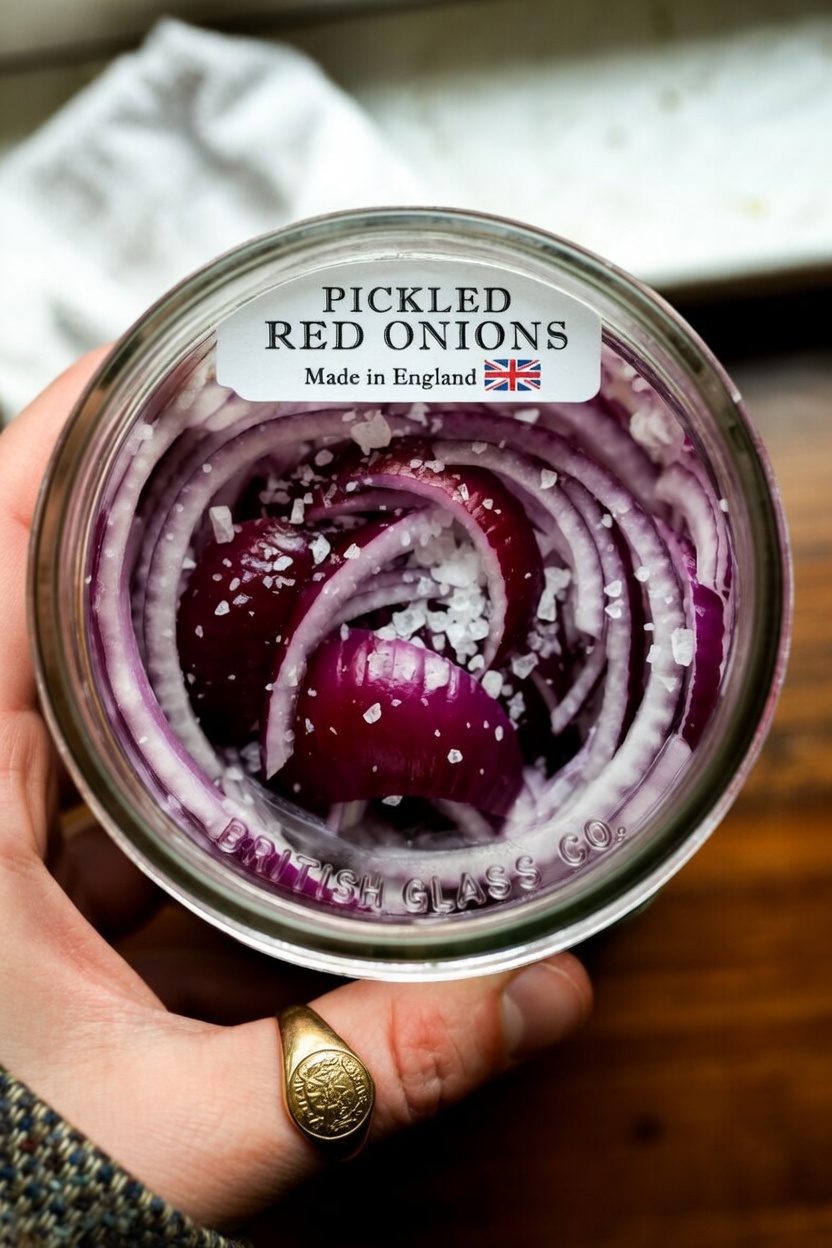
One simple and enjoyable way to use red onions is through fermentation. Fermented onions are often easier to digest and add beneficial probiotics while still preserving much of their nutritional value.
Simple Fermented Red Onions
Ingredients for a 1-quart jar
- 2 to 3 medium red onions, thinly sliced
- 1 to 1.5 teaspoons sea salt, non-iodized
- Filtered water, enough to cover
Steps
- Thinly slice the onions and place them in a clean glass jar.
- Rub the salt into the onion slices for a few minutes until they soften and begin releasing liquid.
- Press the onions firmly into the jar. Make sure the brine, created by their juices plus extra water if needed, fully covers the onions.
- Use a fermentation weight if needed to keep the onions submerged.
- Close the jar loosely or use an airlock lid.
- Let the jar ferment at room temperature, ideally around 68 to 75°F, for 7 to 14 days.
- If using a regular lid, open it briefly each day to release built-up gas.
- After about one week, taste the onions. Once they become tangy and flavorful, move them to the refrigerator to slow fermentation.
These fermented onions make a flavorful topping for:
- Salads
- Sandwiches
- Grain bowls
- Side dishes
If you are new to fermented foods, begin with a small portion.
Red Onion Infused Water
If you prefer something milder, red onion infused water may be an easier place to start.
Ingredients
- 1 medium red onion, sliced
- 1 liter filtered water
Steps
- Put the sliced onion into a pitcher or jar.
- Pour in the water.
- Refrigerate overnight, or for up to 24 hours.
- Strain before drinking.
- Sip small amounts during the day, optionally with a little lemon for flavor.
This method offers a gentler way to introduce onion compounds into your routine.
Practical Ways to Add Red Onions to Your Day
If you want to use red onions more consistently, these tips can help:
- Begin with a small amount to see how your body responds, especially if raw onions feel intense
- Add them to salads, wraps, and sandwiches
- Use them in stir-fries or other cooked dishes
- Try them as pickled or fermented toppings
- Pair them with balanced meals that include protein, healthy fats, and complex carbohydrates
- Focus on regular use over time rather than expecting immediate results
Final Thoughts
Red onions are a convenient, affordable, and nutrient-rich food that research has linked to supportive effects on blood sugar and cholesterol balance. Much of their potential comes from compounds like quercetin, along with fiber and sulfur-containing nutrients.
They are not a cure-all, but they can be a valuable part of a thoughtful eating pattern focused on long-term wellness. As with any food, consistency matters, and paying attention to your body’s response is always important.
FAQ
How much red onion is commonly used for potential benefits?
Some studies often mention around 60 to 100 grams per day, which is roughly half to one medium onion. It is usually best to start with less and increase gradually based on your comfort and taste.
Are red onions better than white or yellow onions for these benefits?
Red onions generally contain more quercetin than white or yellow varieties, which may give them stronger antioxidant and metabolic support potential.
What if I have a sensitive stomach?
If raw onions are too harsh, try cooked, fermented, or infused versions instead. These approaches are often gentler. If you have ongoing digestive concerns, it is wise to speak with a qualified health professional.