Red Onions and Blood Sugar Support: A Simple, Practical Look
For many people trying to manage blood sugar, daily life can feel exhausting. Constant checking, meal planning, and the effort to keep energy stable often become frustrating, especially when you want to enjoy familiar foods without completely changing your routine. In that search for simple, realistic nutrition choices, one everyday kitchen staple has gained quiet attention: the red onion.
Could this colorful vegetable offer modest support as part of a healthy wellness plan? In this article, we’ll look at the possible relationship between red onions and blood sugar balance, based on growing scientific interest. You’ll also find an easy at-home preparation guide and practical ways to include red onions in a balanced lifestyle.
Why Red Onions Are Getting Attention
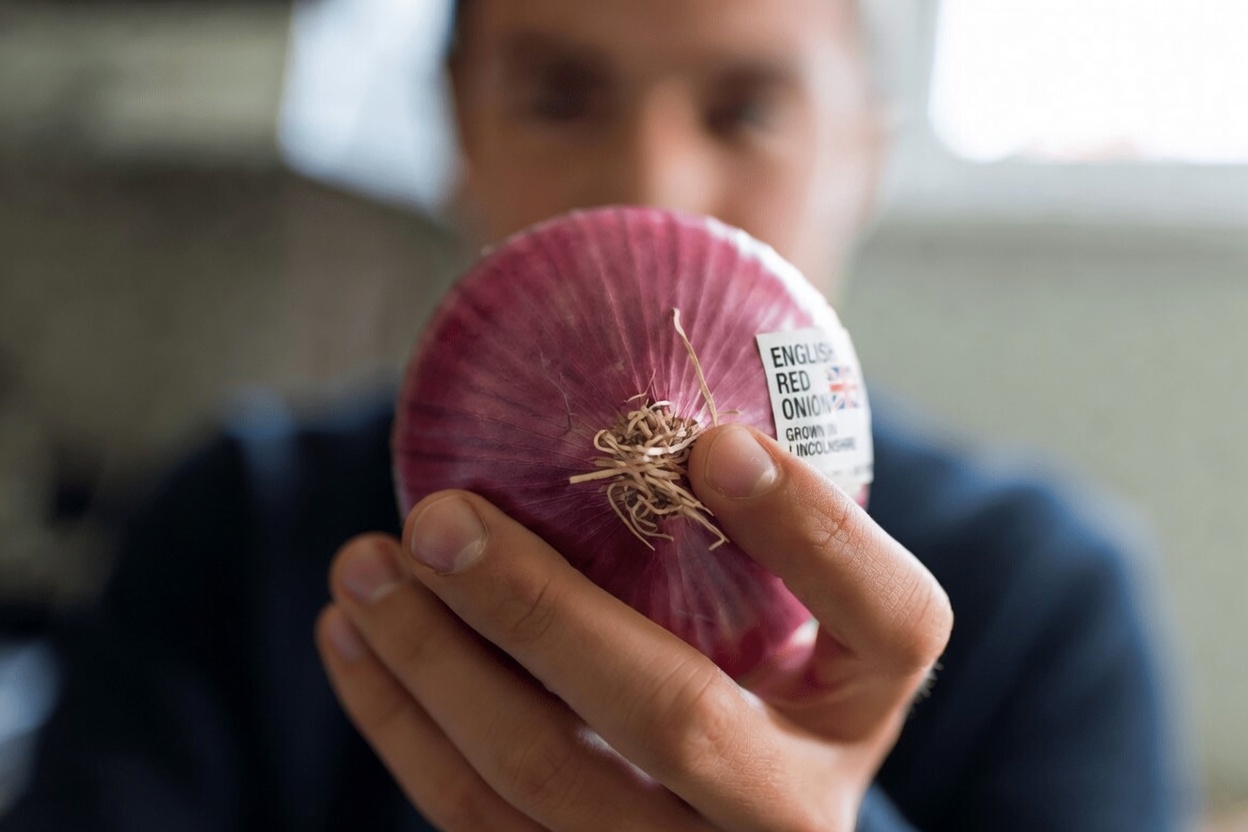
Red onions are more than a flavorful addition to meals. Their deep color and sharp taste reflect the presence of naturally occurring plant compounds, including quercetin, a well-known flavonoid, as well as sulfur-containing substances that researchers have been studying with interest.
In laboratory and animal research, these compounds have been explored for their possible effects on glucose metabolism. A few early human observations have also suggested small changes in fasting or post-meal blood sugar after onion consumption. Although findings are still limited and larger studies are needed, red onions remain appealing because they are affordable, easy to find, and already part of many traditional diets.
Here are a few reasons red onions stand out:
- They often contain more quercetin than many other onion varieties.
- Their antioxidant content may help support overall cellular health.
- They are widely available and simple to use in many dishes.
Because of this combination, red onions are often considered a practical food for people interested in supportive nutrition habits alongside standard wellness routines.

How Red Onions May Relate to Blood Sugar Balance
Blood sugar levels can rise and fall for many reasons, including food choices, physical activity, sleep quality, and stress. Researchers have looked at certain plant compounds to understand whether they may help the body process glucose more effectively.
Some studies suggest that onion compounds, especially quercetin, may help support insulin sensitivity and influence the way the body handles carbohydrates. In animal models, onion extracts have shown possible benefits related to fasting glucose and glucose tolerance. Smaller human studies have examined raw onion intake and reported reductions in certain blood sugar readings in specific cases.
What matters most is context. Red onions are not typically viewed as a standalone solution. Their potential value seems more relevant when they are eaten regularly within a varied, balanced diet. Scientific discussions have proposed several possible mechanisms, such as:
- Slowing the activity of certain enzymes that break down carbohydrates
- Supporting improved glucose uptake at the cellular level
- Contributing nutrients that may help maintain steadier energy
Red onions also provide fiber and other beneficial nutrients that can improve fullness and digestive comfort, which may indirectly support better day-to-day energy stability.
Important Compounds Found in Red Onions
To understand their appeal, it helps to look at the key components in red onions.
Quercetin
Quercetin is a flavonoid concentrated especially in the outer layers of red onions. It is widely studied for its antioxidant effects and its possible role in supporting metabolic health.
Sulfur Compounds
Compounds such as allyl propyl disulfide have been investigated for their possible effects on the body’s insulin and glucose processes in certain models.
Other Polyphenols and Flavonoids
Red onions also contain additional plant-based compounds that contribute to their antioxidant profile and overall nutritional value.
Preparation can influence how much of these compounds remain available. Fresh and lightly prepared onions often preserve more of these elements than heavily cooked versions.
Comparing Common Preparation Methods
Here is a simple overview of how different preparation styles may affect red onion compounds:
-
Raw or freshly sliced
- Potential retention: High
- Best uses: Salads, sandwiches, wraps, toppings
-
Juiced or blended
- Potential retention: Moderate to high
- Best uses: Mixed drinks, diluted onion beverages, blended vegetable combinations
-
Lightly sautéed
- Potential retention: Good
- Best uses: Omelets, stir-fries, warm grain bowls
-
Dried or powdered
- Potential retention: Variable
- Best uses: Seasoning blends, soups, smoothies
Trying red onions in several forms can help you find the option that best matches your taste, schedule, and digestion.
Easy Ways to Add Red Onions to Your Routine
Using more red onion in your meals does not need to be difficult. Most people do best by starting with small amounts and increasing gradually.
Here are some simple ideas:
- Add thin raw slices to salads, wraps, or sandwiches
- Mix chopped red onion into soups, stir-fries, or sautéed vegetables
- Blend a small amount into a green smoothie with lemon or other fresh ingredients
- Use it as a topping for grilled meats, fish, eggs, or roasted vegetables
Helpful beginner tips
- Start with 50 to 100 grams, or about half a medium onion, a few times each week
- Combine red onions with meals that include protein and healthy fats
- Choose fresh, high-quality onions, ideally local or organic when available
These small steps can make supportive eating habits feel easier and more sustainable over time.
Step-by-Step: How to Make a Red Onion Drink at Home
Some people prefer a homemade onion preparation for convenience. The following method is simple and quick. It is meant for informational purposes and should be used to complement, not replace, your usual health routine.
Ingredients for one serving
- 1 medium fresh red onion
- 1 to 2 cups clean water
- Optional: fresh lemon juice or a few mint leaves for flavor
Instructions
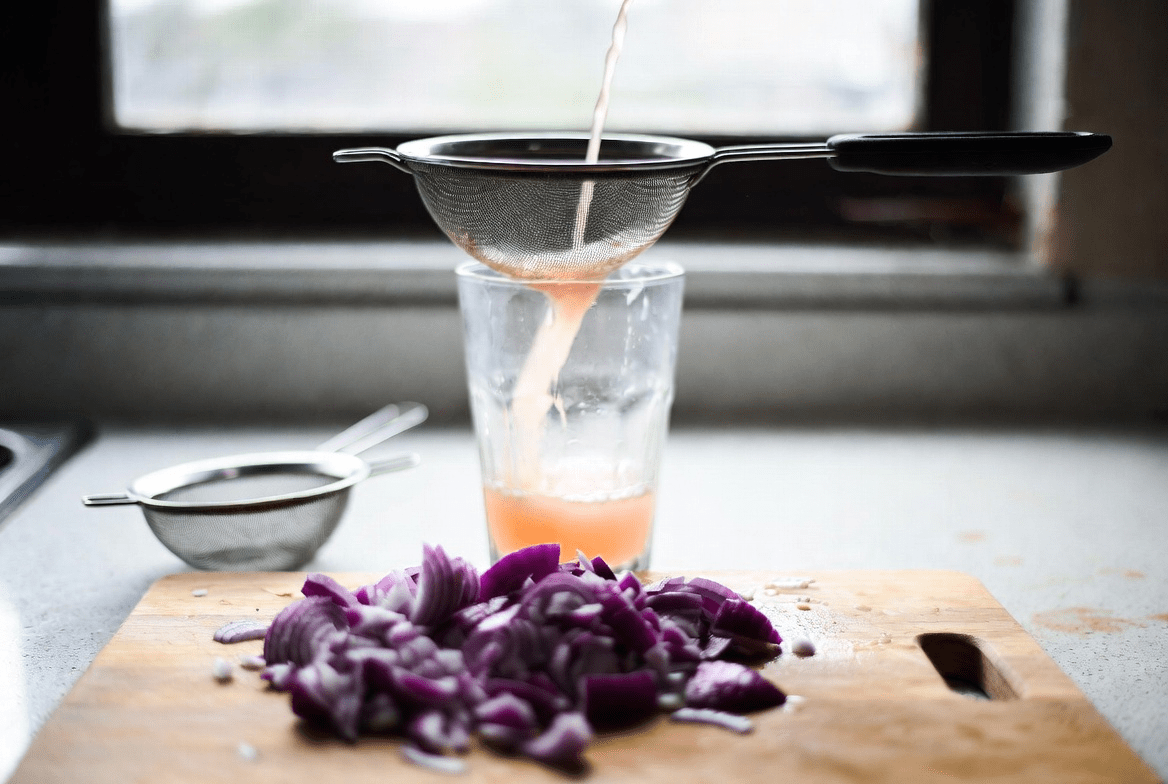
- Peel the red onion and cut it into rough chunks.
- Place the onion pieces into a blender, or use a juicer if you have one.
- Add the water and blend until the mixture becomes smooth.
- Pour the mixture through a fine sieve or cheesecloth into a glass.
- Press gently to extract as much liquid as possible.
- Add lemon juice or mint if desired, then stir well.
- Drink it at room temperature or lightly chilled, preferably in the morning or afternoon.
This drink only takes a few minutes to prepare and can be made fresh each day. If you are new to it, begin with a smaller serving and observe how your body responds.
Basic preparation safety
- Always use clean utensils
- Make sure the onion is fresh
- If you have a sensitive stomach, start with a more diluted version
Lifestyle Habits That Can Support the Bigger Picture
No single food can do everything on its own. Better blood sugar support usually comes from a combination of daily habits.
Red onions may fit well alongside:
- Regular movement, even short walks each day
- Consistent meal timing with a focus on whole foods
- Good hydration
- Quality sleep
- Stress management practices
When paired with these core habits, red onions may become one useful part of a more balanced approach to wellness.
Common Questions About Red Onions and Blood Sugar
How much red onion is commonly mentioned in research?
Some observations and small studies refer to amounts around 50 to 100 grams of fresh onion, but individual needs and tolerance vary. Moderation is always the safest approach.
Can everyone add more red onion to their diet?
Many healthy adults can enjoy red onions as part of regular meals. However, anyone with digestive sensitivity or a specific medical condition should speak with a healthcare professional first.
Does cooking change the benefits?
Yes. Raw or lightly prepared onions may preserve more of certain compounds, while cooked onions offer a milder taste and may be easier for some people to tolerate.
Final Thoughts
Red onions are a simple, flavorful food that may have a place in a supportive nutrition plan for blood sugar management. Their natural compounds have attracted scientific interest in relation to metabolic health, although responses can differ from person to person and more research is still needed.
The most practical approach is to use red onions thoughtfully, pay attention to how you feel, and focus on long-term consistency. In many cases, small changes that are easy to maintain are the ones that bring the most lasting value.