Wild Lettuce Root: The Natural Calming Ally for Pain Relief and Gentle Detox
Wild lettuce root (Lactuca virosa) is a little-known medicinal plant traditionally valued for its calming and cleansing properties. Many herbal traditions have used this plant to ease discomfort, support relaxation, and assist the body’s natural detox processes without relying on synthetic drugs.
This hardy plant thrives in dry, rocky soils. While its leaves are sometimes used as a mild relaxant and sedative, herbalists often consider the root the most concentrated and potent part. It is in the root where many of the active compounds associated with pain relief, nervous system support, and gentle detoxification are found.
Main Medicinal Properties of Wild Lettuce Root
The root of wild lettuce contains lactucin and lactupicrin, natural compounds that are believed to act on the nervous system and may help ease tension and discomfort. It also provides flavonoids, alkaloids, and tannins, which are associated with antioxidant, digestive, and cleansing effects.
Commonly described traditional actions include:
- Natural analgesic support: Traditionally used to ease muscle pain, menstrual cramps, joint discomfort, and bone-related aches.
- Mild sedative effect: May support relaxation, help you unwind in the evening, and assist with occasional sleeplessness.
- Anti-inflammatory support: Used to soothe swelling, stiffness, and chronic discomfort linked to inflammation.
- Detoxifying and cleansing: Believed to support the natural purification of the blood and liver, helping the body eliminate metabolic waste.
- Antispasmodic action: Traditionally used to relax muscles and reduce cramps and spasms.
- Diuretic properties: May help promote urine flow, support kidney function, and assist the body in flushing excess fluids.
- Antioxidant support: The plant’s compounds may help protect cells from oxidative stress and premature aging.
Important: Evidence for many of these effects comes from traditional use and limited studies. Wild lettuce should not replace medical treatment, and its use should be discussed with a qualified healthcare professional.
How to Prepare a Wild Lettuce Root Infusion
A simple herbal infusion (similar to a strong tea) is one of the most traditional ways to use wild lettuce root.
Ingredients
- 1 fresh or dried wild lettuce root (Lactuca virosa)
- 1 cup of water (about 250 ml)
- 1 tablespoon of raw honey (optional, for taste)
Preparation Steps
-
Clean and chop the root
Rinse the root thoroughly and cut it into small pieces to increase the surface area. -
Simmer the root
Place the chopped root in a small pot with 1 cup of water. Bring to a gentle boil and let it simmer for about 10 minutes. -
Steep off the heat
Turn off the heat, cover the pot, and allow the mixture to steep for another 15 minutes so the active compounds can infuse into the water. -
Strain and store
Strain the liquid and pour it into a clean glass jar or bottle with an airtight lid. -
Sweeten if desired
When the infusion is warm (not hot), you may add honey to soften the naturally bitter, earthy flavor.
Suggested Use
- Drink one warm cup on an empty stomach in the morning and one cup before bed.
- Do not exceed two cups per day.
- A common traditional pattern is 7–10 days of use, followed by a week-long break, then repeating if needed.
These guidelines are based on traditional herbal practice and are not a medical prescription. Always adjust dosage with professional advice, especially if you have underlying health conditions or take medications.
Storage and Longer-Lasting Preparations
Refrigeration
- Keep the prepared infusion in the refrigerator.
- Use within 3 days for best quality and safety.
Macerated Tonic (Vinegar or Alcohol Extract)
For a more stable preparation, some people make a tincture or tonic:
- Place chopped wild lettuce root in apple cider vinegar or 70% alcohol.
- Let it macerate for about 21 days in a dark, cool place, shaking occasionally.
- Strain and store the liquid in a dark glass bottle.
This extract is traditionally used:
- Internally: In small, diluted doses (drops in water or tea), under professional guidance.
- Externally: As a massage rub to support muscle relaxation and local comfort.
Potential Benefits of Wild Lettuce Root (According to Traditional Use)
Wild lettuce root has been used in folk medicine for a wide range of purposes. Traditionally, it is believed to:
- Support relief from muscle, joint, and tension headaches
- Soothe the nervous system and ease feelings of anxiety or agitation
- Promote deeper, more restorative sleep
- Assist the body in clearing metabolic waste from the blood
- Support liver and kidney function
- Calm muscle spasms and abdominal cramps
- Improve digestion and help reduce gas and bloating
- Encourage natural sweating and help reduce fever
- Support immune function
- Enhance blood circulation
- Provide some protection against common infections
- Reduce feelings of physical and mental fatigue
- Support healthy cellular regeneration
- Help balance blood pressure within a normal range
- Calm dry coughs and support clearer lungs
- Aid the healing of minor skin irritations and wounds
- Offer gentle liver protection
- Help reduce systemic inflammation in the body
- Ease menstrual cramps and monthly discomfort
- Relax the body without strong sedation or risk of dependence (when used responsibly)
Many of these benefits come from anecdotal reports and traditional herbal practices. Human clinical data are limited, so use wild lettuce as a supportive herb, not as a cure or sole treatment.
Precautions, Side Effects, and Contraindications
Even natural herbs can have strong effects and are not safe for everyone. Use wild lettuce root cautiously:
- Pregnancy and breastfeeding: Not recommended for pregnant or breastfeeding individuals due to insufficient safety data.
- Children: Avoid use in children under 12 years of age.
- Avoid risky combinations: Do not combine with alcohol, sleeping pills, sedatives, or other substances that depress the central nervous system unless supervised by a doctor.
- Dosage limits: Do not exceed two cups of infusion per day, or higher doses of extracts, without professional guidance.
- Liver or kidney disease: If you have serious liver or kidney conditions, consult a healthcare provider before using wild lettuce.
- Duration of use: Avoid continuous use for more than three weeks without taking a break and reassessing with a professional.
If you notice dizziness, nausea, excessive drowsiness, or any unusual symptoms, discontinue use and seek medical advice.
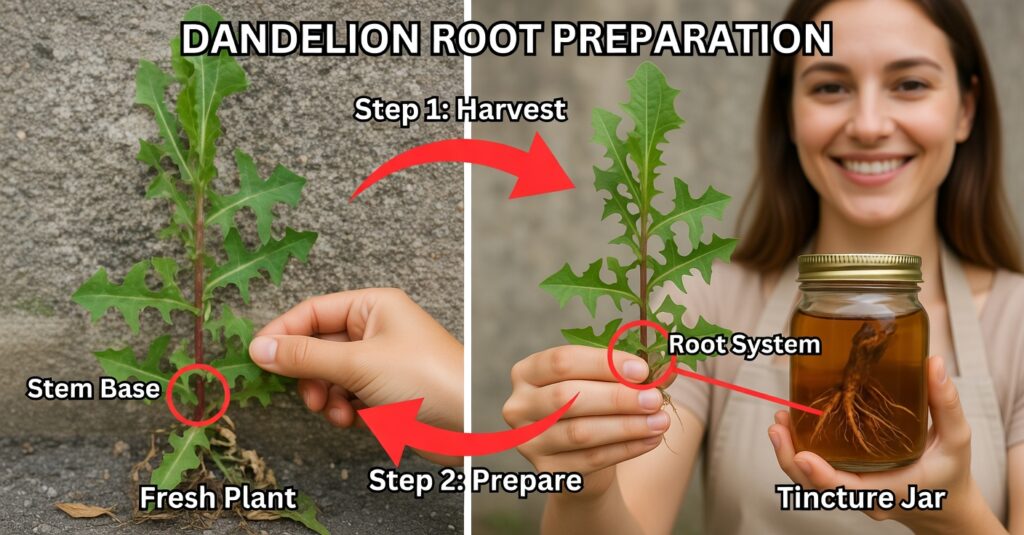
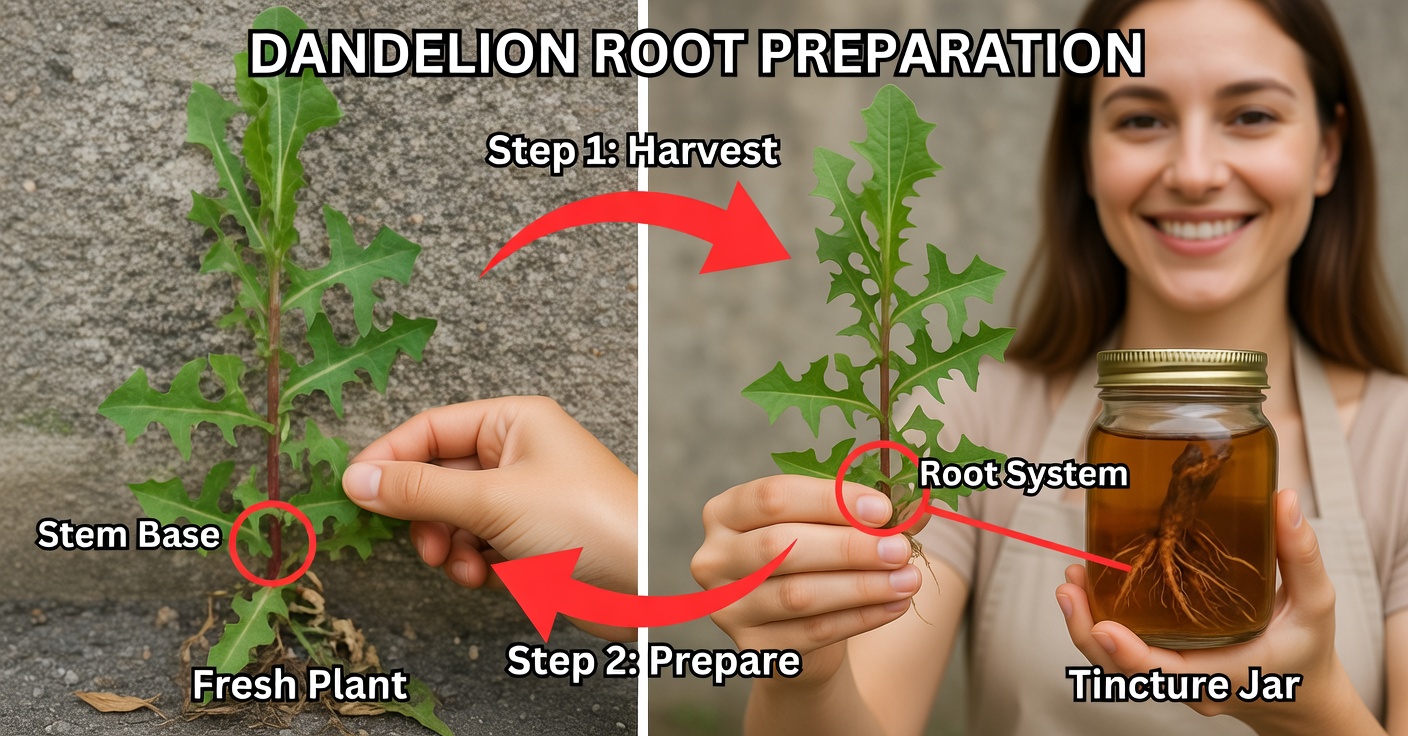
How to Identify Wild Lettuce (Lactuca virosa)
Correct identification is critical, especially if you forage in the wild.
Typical characteristics of Lactuca virosa include:
- Stems: Tall, upright, often with a purplish or violet tint.
- Leaves: Green leaves with toothed or serrated edges, sometimes slightly prickly along the midrib.
- Sap: When cut, the plant exudes a white, milky latex.
- Root: Thick, fibrous, and slightly woody, with a bitter, earthy aroma.
- Habitat: Common in dry, stony areas, roadsides, and near walls or abandoned fields.
Wild lettuce can be confused with common lettuce or dandelion. If you are not experienced in plant identification, always consult a local botanist, herbalist, or field guide to avoid misidentification.
Other Traditional Ways to Use Wild Lettuce Root
Beyond infusions and tinctures, wild lettuce root has been traditionally used in several forms:
-
Poultice (cataplasm)
Cook and mash the root, then apply the warm paste to swollen or painful areas to support local relief. -
Tincture
Macerate the root in alcohol for about 21 days, then strain. Use a few drops (diluted in water or tea) to help calm the nerves and support relaxation, under professional guidance. -
Relaxing baths
Add a strong decoction of the root to bathwater to help relax muscles and ease tension after a long day. -
Natural syrup for dry cough
Combine an infusion of wild lettuce root with honey and lemon to prepare a soothing syrup traditionally used for dry, irritating coughs.
Herbs That May Complement Wild Lettuce Root
Wild lettuce root is often combined with other roots to create more complete herbal formulas for balance and wellbeing:
- Dandelion root: Traditionally used to support liver cleansing and bile flow.
- Burdock root: Known for its blood-cleansing reputation and skin-supportive properties.
- Valerian root: A classic herb for nervous system relaxation and sleep support.
- Ginseng root: Used to promote energy, vitality, and resilience to stress.
- Ginger root: Popular for its anti-inflammatory properties and immune-supporting effects.
Together, these plants can form a broader herbal routine aimed at calming the mind, supporting detoxification, and promoting overall vitality—when used responsibly and with appropriate guidance.
Conclusion
Wild lettuce root (Lactuca virosa) is a powerful yet often overlooked herb in traditional medicine. Its long-standing use for easing discomfort, calming the nervous system, supporting detoxification, and improving sleep quality has earned it a place among nature’s gentler remedies.
Used with care, moderation, and proper guidance, wild lettuce root may help you restore physical and emotional balance without relying solely on aggressive pharmaceuticals. Nature offers a wide range of calming, cleansing plants—our task is to learn how to use them wisely, safely, and respectfully alongside modern medical care.