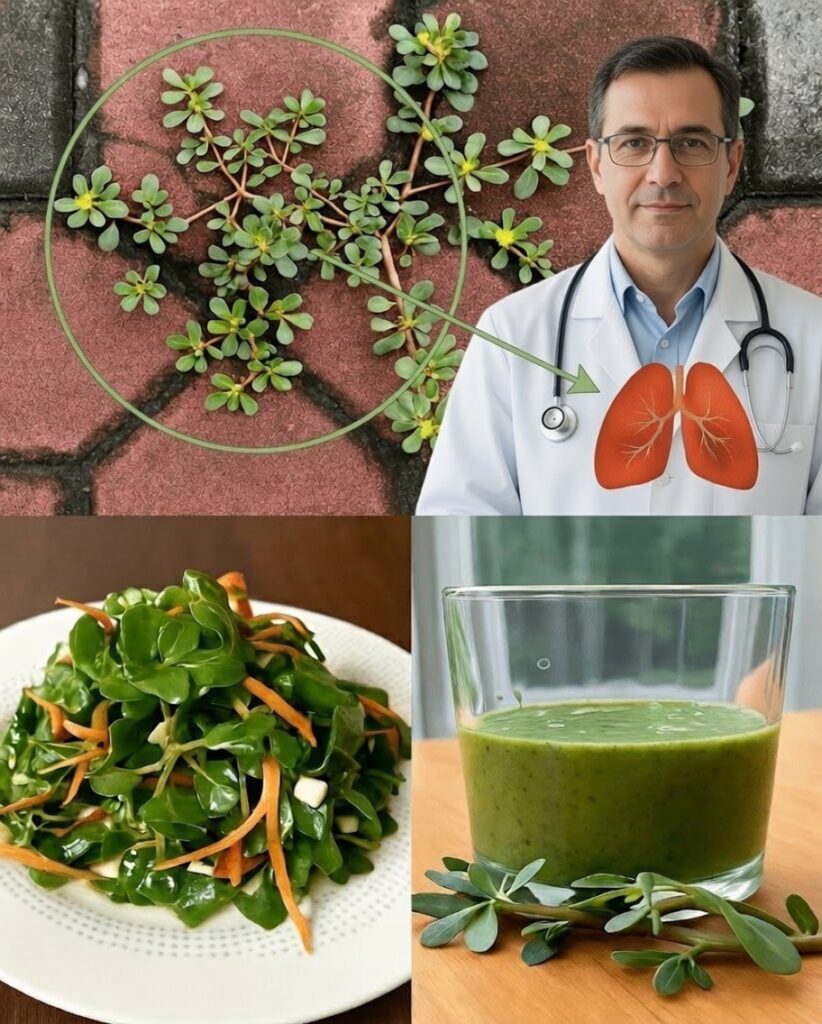
Purslane: The “Weed” Packed With Omega-3s, Antioxidants, and Everyday Wellness Benefits
Rich in antioxidants and omega-3 fatty acids, purslane can support skin comfort, heart health, and daily energy—and it may be growing right in your backyard.
What if the plant you routinely pull out of the garden isn’t a nuisance at all, but a nutrient-dense supergreen? Purslane—a low-growing plant with thick, succulent leaves—is often overlooked, yet it has a long history in traditional practices. Known scientifically as Portulaca oleracea, purslane has been used for generations to soothe the skin, promote vitality, and support overall well-being.
As the years go by, many people notice new challenges: occasional skin irritation, low energy, concerns about heart health, or keeping blood sugar steady. It’s no surprise that natural, affordable options—simple habits rather than complicated routines—have become more appealing.
Could purslane, possibly growing just steps from your door, be the practical plant ally you’ve been looking for? Below are four compelling reasons to pay closer attention to this humble green—and the safest ways to use it.
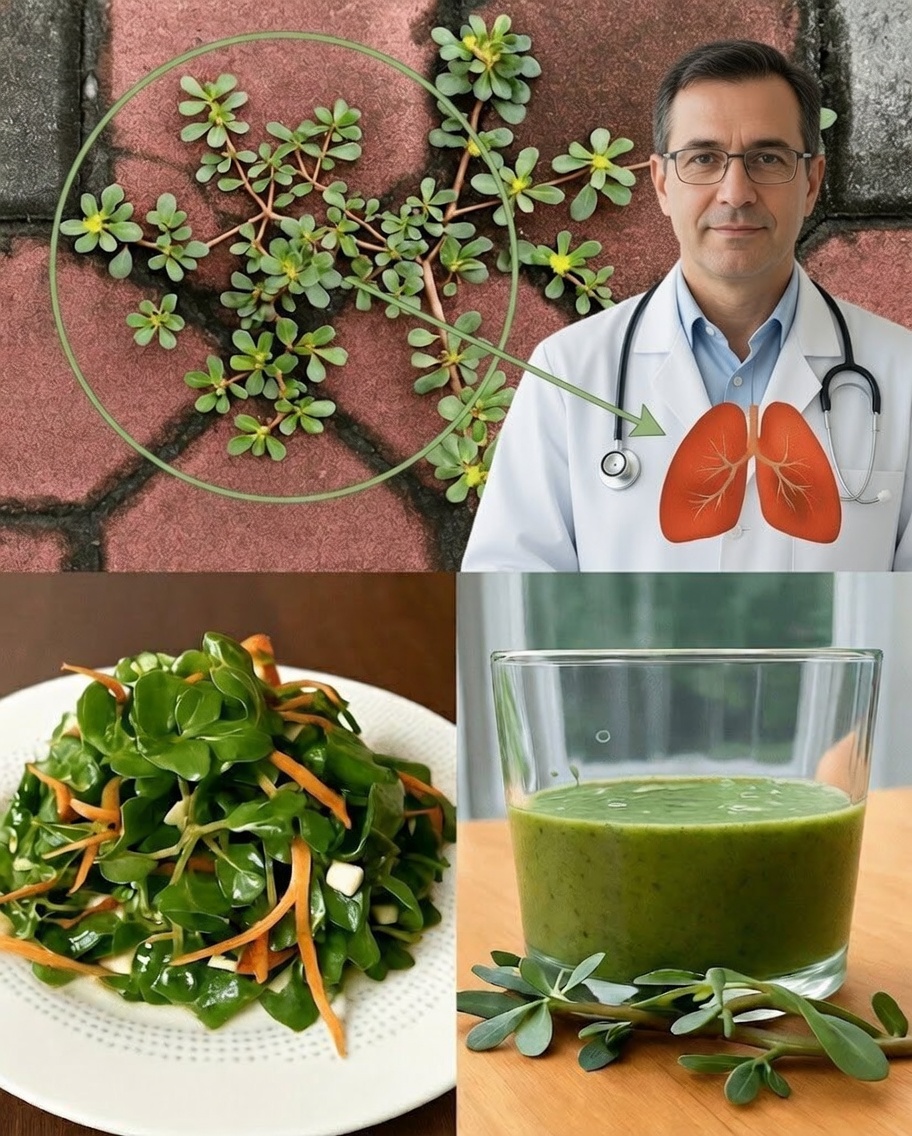
What Makes Purslane So Nutritionally Unique?
Purslane stands out for its impressive nutrient profile. It naturally contains:
- Omega-3 fatty acids
- Antioxidants
- Vitamins A, C, and E
Together, these compounds help defend cells against oxidative stress and may contribute to a healthier inflammatory balance in the body.
One especially notable detail: purslane is among the few plants that provide meaningful omega-3s, nutrients more commonly associated with fish. That makes it a valuable option for people who prefer a plant-forward or plant-based diet.
4 Reasons to Give Purslane a Second Look
4. Easy to Find—and Often Free
Purslane commonly appears during warmer months in gardens, sidewalk cracks, and vacant lots. In many cases, you don’t need to buy it at all—just be sure you identify it correctly and harvest only from clean areas away from pesticides, traffic pollution, and chemical treatments.
3. May Calm Mild Skin Irritation
Because it contains soothing, moisture-friendly compounds, purslane may help reduce the look and feel of minor redness, itchiness, or irritation when used on the skin. Its juicy leaves are naturally hydrating and are often described as gentle for sensitive skin types.
2. Potential Support for Heart Health
The omega-3s in purslane, along with its potassium, may support healthy blood pressure and cholesterol as part of a balanced eating pattern. Potassium also plays an important role in muscle function and maintaining a steady heart rhythm.
In several Mediterranean regions, purslane has long been enjoyed in salads and fresh dishes, valued for its lightly tangy flavor and nutritional benefits.
1. Surprisingly Versatile in the Kitchen
One of purslane’s biggest advantages is how easy it is to use. It works well:
- Raw in salads
- Cooked in soups or warm dishes
- Brewed as an herbal tea
- Blended into smoothies
Its mild taste makes it an easy addition to everyday meals without overpowering other ingredients.
How to Use Purslane Safely: Simple At-Home Methods
For Skin (Topical Use)
- Harvest a handful of fresh leaves and stems from a safe, clean location.
- Wash thoroughly to remove dirt and debris.
- Chop finely and crush until it forms a paste.
- Apply a thin layer to a small patch of clean skin to help ease mild irritation.
- Leave on for 10–15 minutes, then rinse with lukewarm water.
Avoid using this on broken skin or open wounds.
For Eating (Dietary Use)
- Add a small handful of washed purslane to a salad.
- Blend a quick smoothie: mix purslane + one banana + a glass of water for a simple nutrient-rich drink.
The plant’s antioxidants and fatty acids may support energy levels, skin health, and metabolic balance, though results can differ from person to person.
Important Precautions to Know
Purslane contains oxalates, which in high amounts may contribute to kidney stone formation in susceptible individuals. For that reason, moderation matters.
Keep these safety tips in mind:
- Do not apply purslane paste to injured or broken skin.
- Always wash thoroughly before use.
- Harvest only from safe, chemical-free areas.
- If you have kidney issues, diabetes, or take blood-thinning (anticoagulant) medication, consult a healthcare professional before using purslane regularly.
A Small, Natural Step Toward Better Well-Being
Getting older doesn’t mean you must rely only on complex or expensive approaches to feel your best. Small, consistent habits—like adding nutrient-rich plants to your routine—can support a more balanced lifestyle.
Purslane isn’t a miracle cure, but it can be a simple, affordable addition to your wellness toolkit. Look for it in your garden or at a local market and try adding it to a light meal. Sometimes, the most valuable benefits from nature show up in the most unexpected places.