This Overlooked Nighttime Sign Could Reveal an Imbalance — Here’s How to Fix It Naturally
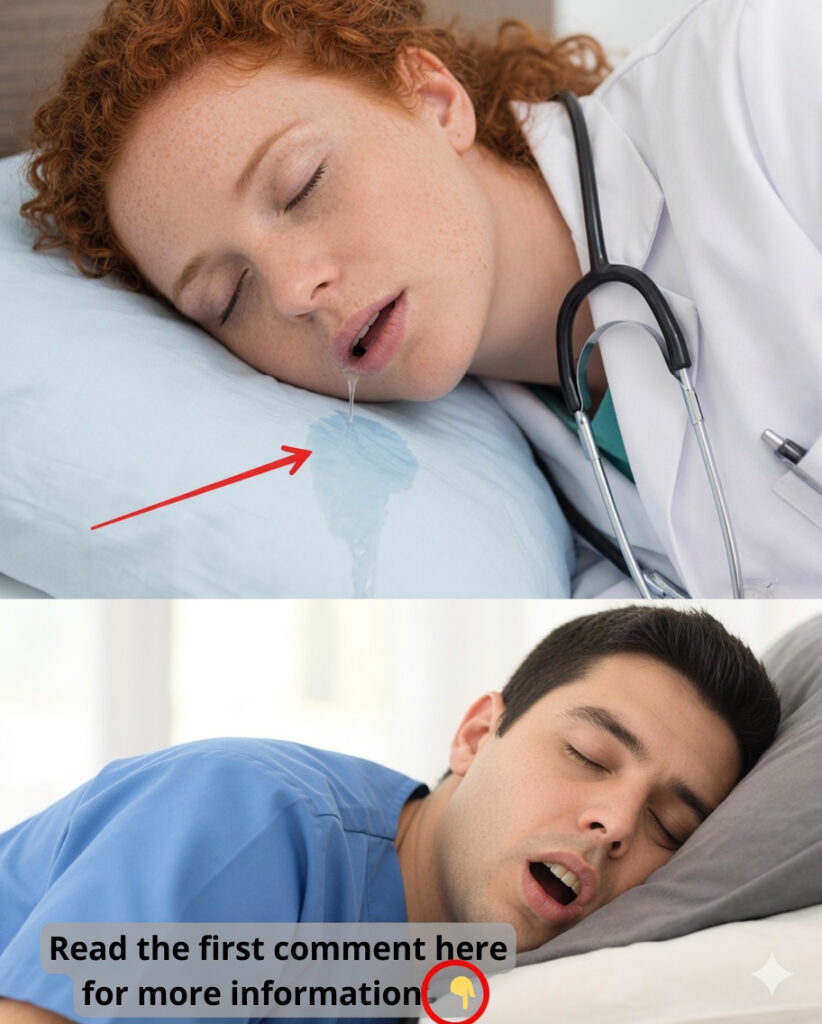
Have you ever woken up to a damp pillow and wondered what caused it? While it may feel awkward or uncomfortable, drooling during sleep is actually far more common than many people realize. Nighttime saliva flow is not always a warning sign. In some situations, it can even suggest that your body is reaching deep sleep stages that are vital for recovery and restoration.
That said, excessive drooling at night can sometimes be connected to specific habits or underlying conditions worth understanding. Knowing the possible causes can help you feel reassured and take simple steps to improve your sleep comfort.
Why You Drool in Your Sleep: The Main Causes
1. Your Sleeping Position
The way you sleep plays a major role. Lying on your side or stomach makes it easier for your mouth to open during the night. When that happens, saliva can collect and naturally escape, unlike when you sleep on your back.
2. Nasal Congestion
A blocked nose caused by a cold, allergies, or sinus issues often forces you to breathe through your mouth. Mouth breathing can increase nighttime drooling because saliva is more likely to build up and leak out while you sleep.
3. Increased Saliva Production
Some people naturally produce more saliva than others. This may be influenced by diet, hydration levels, or hormonal changes. During sleep, that extra saliva can become more noticeable and lead to drooling.
4. Sleep Disorders
In certain cases, heavy drooling during sleep may be linked to conditions such as sleep apnea. Because these disorders affect breathing patterns, they can sometimes contribute to saliva escaping during the night and may require medical attention.
5. Medications or Neurological Conditions
Some medications can affect how much saliva your body produces or make swallowing less efficient. Certain neurological disorders may also interfere with the body’s normal swallowing reflex, which can increase drooling during sleep.
Natural Ways to Reduce Nighttime Drooling
Improve Your Sleep Position
Sleeping on your back is one of the simplest ways to prevent saliva from running out of your mouth during the night.
Ease Nasal Blockage
Using saline spray, inhaling steam, or running a humidifier may help open your airways and reduce mouth breathing. If congestion continues, speaking with a healthcare professional is a smart next step.
Watch What You Eat in the Evening
Try to avoid heavy, spicy, or overly rich meals before bed. Lighter evening meals can support smoother digestion and more restful sleep.
Stay Properly Hydrated
Drinking enough water throughout the day is important, but it is best to avoid overdoing fluids right before bedtime.
Pay Attention to Changes in Your Body
If drooling becomes excessive, appears suddenly, or feels unusual for you, it is best to consult a specialist. This can help rule out any hidden health issue.
Final Thoughts
Drooling in your sleep is usually harmless. In many cases, it is simply a natural result of your sleeping position or sleep quality. Still, by identifying the cause and making a few easy lifestyle adjustments, you can often reduce the problem and sleep more comfortably. A better night’s rest may be closer than you think — along with waking up to a completely dry pillow.