
Pomegranate and Vascular Health: A Natural Way to Support Circulation
As people get older, concerns about heart and blood vessel health often become more common. Routine checkups may reveal elevated blood pressure, and conversations about arterial plaque can add to that worry. Modern habits do not help much either—busy schedules, heavily processed foods, and limited time for nutritious meals can place extra strain on the cardiovascular system. Day after day, blood vessels are exposed to challenges such as oxidative stress and low-grade inflammation.
Fortunately, research suggests that some nutrient-dense foods may help support healthy circulation and maintain blood vessel flexibility. Among them, one fruit continues to attract attention for its impressive nutritional profile: pomegranate.

Why Pomegranate Matters for Heart and Blood Vessel Support
Pomegranate, scientifically known as Punica granatum, has a long history of traditional use. Today, scientific interest in this fruit is growing because of its high concentration of beneficial plant compounds. The fruit—especially its juice and concentrated extracts—is rich in polyphenols, including punicalagins, ellagic acid, and anthocyanins.
These natural substances are known for their strong antioxidant activity. Antioxidants help protect the body from oxidative stress, which is one of the factors linked to gradual damage in blood vessels over time.
Studies suggest that pomegranate may support cardiovascular wellness in several ways. It appears to help protect fats in the body from oxidation and may also promote healthier endothelial function. The endothelium is the thin inner lining of blood vessels, and its health is important for proper circulation. Some findings indicate that pomegranate may help improve nitric oxide availability, which supports the ability of blood vessels to relax and maintain smooth blood flow.
Rather than acting as a cure for medical conditions, pomegranate may serve as a practical dietary tool that supports overall vascular function.
The Main Antioxidants in Pomegranate
Pomegranate contains several standout compounds that contribute to its reputation as a heart-friendly fruit:
- Punicalagins: These are powerful ellagitannins found in especially high amounts in pomegranate and are known for strong antioxidant effects.
- Ellagic acid: Produced when ellagitannins break down, this compound helps defend tissues against oxidative damage.
- Anthocyanins: These pigments give pomegranate its deep red color and also help neutralize unstable molecules known as free radicals.
Together, these polyphenols help protect blood vessel walls from everyday wear caused by oxidative stress. Some studies have even found that pomegranate may be particularly effective at protecting LDL cholesterol from oxidation. This matters because oxidized LDL is associated with processes involved in plaque development.
How Pomegranate Compares to Other Antioxidant Sources
General research on polyphenol content shows that pomegranate stands out among commonly consumed antioxidant-rich beverages and fruits.
- Pomegranate juice: Frequently ranks among the top fruit juices for total polyphenol concentration.
- Green tea and red wine: Both are recognized antioxidant sources, yet pomegranate often shows stronger protection against lipid oxidation in laboratory settings.
- Apple and orange juice: These provide beneficial nutrients, but they contain lower levels of certain ellagitannins that are characteristic of pomegranate.
Including pomegranate in your diet can be a simple way to increase antioxidant intake naturally.
How Pomegranate May Help Keep Blood Vessels Healthy
Blood vessels can gradually lose flexibility when exposed to oxidative stress and ongoing mild inflammation. The compounds in pomegranate may help counter these effects through several pathways:
- Supporting endothelial cells in producing more nitric oxide, which helps blood vessels widen properly
- Reducing oxidative injury to fats and proteins found in vessel walls
- Potentially lowering certain inflammation-related markers, such as IL-6, in some studies
Clinical findings have also reported improvements in measures such as blood pressure and arterial stiffness with regular pomegranate intake. Reviews of available studies suggest a pattern of better vessel elasticity when pomegranate is consumed consistently over time.
For that reason, pomegranate can be a smart addition to a heart-conscious lifestyle, especially when combined with physical activity and balanced nutrition.
What Research Says About Pomegranate and Cardiovascular Wellness
A growing number of studies have looked at how pomegranate may affect heart and blood vessel health. Although results vary depending on dose, duration, and individual health status, the overall evidence is encouraging.
Key observations from research include:
- Daily pomegranate juice has been associated with modest reductions in both systolic and diastolic blood pressure in some people with cardiovascular risk factors.
- Studies on carotid artery health have reported favorable changes in intima-media thickness over time with consistent use.
- Laboratory and animal studies suggest that pomegranate may help slow plaque-related changes through antioxidant mechanisms.
- Human trials have shown improved blood flow and better vessel responsiveness after consumption, possibly due to nitric oxide-related effects.
Taken together, these findings support pomegranate as part of a long-term strategy for vascular wellness. It should be viewed as a supportive habit, not a replacement for medical care or other healthy lifestyle choices.
Easy Ways to Add Pomegranate to Your Diet
Adding pomegranate to your routine does not have to be complicated. There are several simple ways to enjoy it every day:
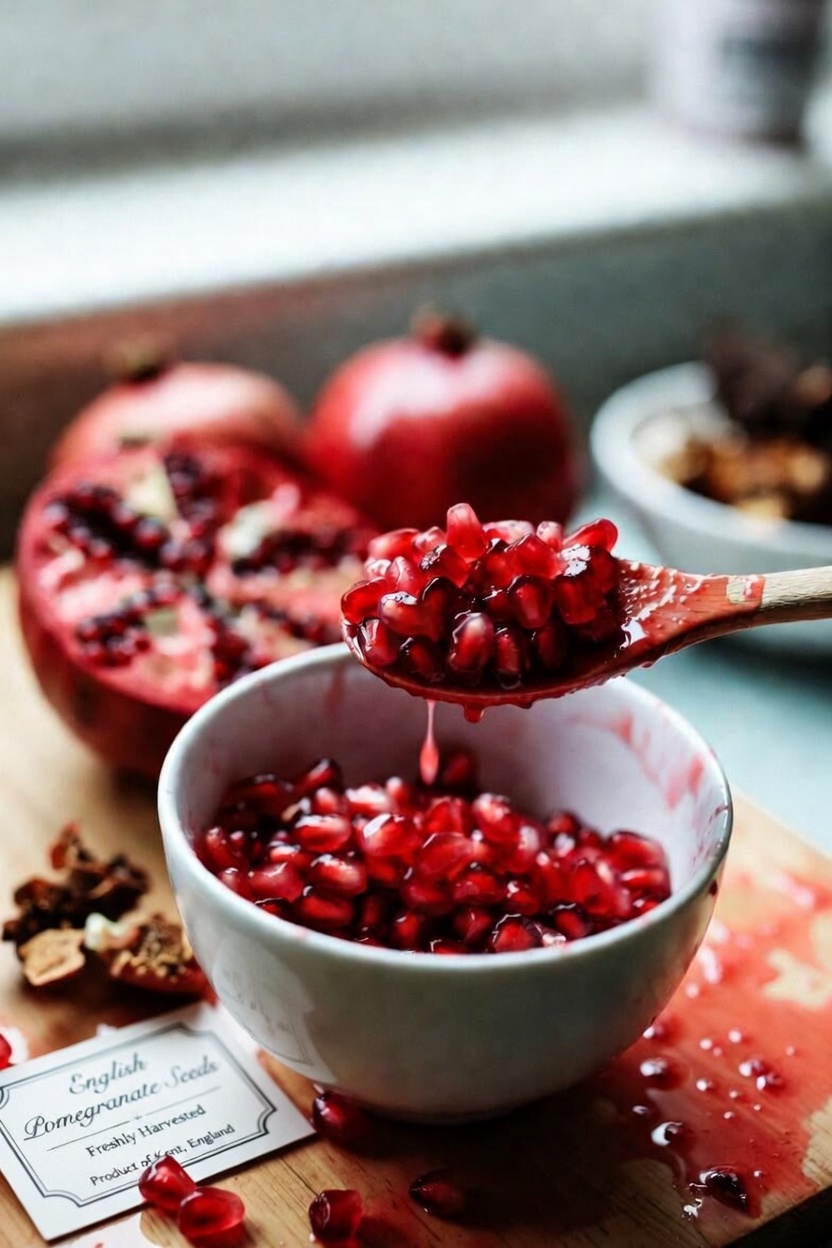
- Fresh arils: Eat the seeds on their own or add them to yogurt, salads, or oatmeal for sweetness and texture.
- Pure juice: Choose 100% pomegranate juice with no added sugar. A common starting amount is 4 to 8 ounces per day.
- Supplements or extracts: If fresh fruit is not available, standardized extracts containing punicalagins may be an option. It is best to consult a qualified professional first.
- Smoothies: Blend pomegranate arils with spinach, banana, and almond milk for a nutrient-rich drink.
- Convenient snacks: Dried pomegranate products can be useful for busy schedules, depending on availability.
Consistency is important. Many studies showing benefits used daily intake over several weeks or months rather than occasional use.
Tips to Get the Most from Pomegranate
To make pomegranate a more effective part of your routine, keep these practical tips in mind:
- Eat or drink it regularly rather than in large amounts once in a while
- Pair it with meals if that works better for your digestion and routine
- Store fresh pomegranates in the refrigerator to help them stay fresh longer
- If making juice at home, some peel extract may increase polyphenol content, though it can create a bitter taste
These small adjustments can make it easier to build lasting habits, even during busy weeks.

Possible Long-Term Benefits of Regular Pomegranate Intake
Over time, making pomegranate a regular part of your diet may help support:
- A healthier lipid environment by reducing oxidation
- Improved circulation through better endothelial function
- Less day-to-day stress on the cardiovascular system
For broader benefits, it is best to combine pomegranate with other healthy practices such as walking, managing stress, and eating more vegetables and whole foods.
Conclusion: A Simple Fruit with Meaningful Cardiovascular Potential
Pomegranate is an easy and flavorful way to support vascular health naturally. Thanks to its rich antioxidant content, it may help encourage healthier blood flow, protect blood vessels from oxidative stress, and support overall vessel flexibility. Whether you start with a handful of fresh arils or a small glass of pure juice, this vibrant fruit can fit smoothly into heart-healthy daily habits.
Frequently Asked Questions
How much pomegranate should I consume each day?
Many studies use about 4 to 8 ounces of pomegranate juice per day or a similar amount from fresh fruit or extract. Starting with a smaller amount and staying consistent is usually more practical than taking large amounts at once.
Is pomegranate juice better than eating the whole fruit?
Both forms can be beneficial. Whole pomegranate provides fiber along with its polyphenols, while juice offers a more concentrated source of certain compounds but usually contains less or no fiber. If choosing juice, unsweetened options are best.
Can everyone include pomegranate in their diet?
Most people can enjoy pomegranate without problems. However, anyone taking blood pressure medication or those with known allergies should speak with a healthcare provider first, since interactions or sensitivities, while uncommon, are possible.