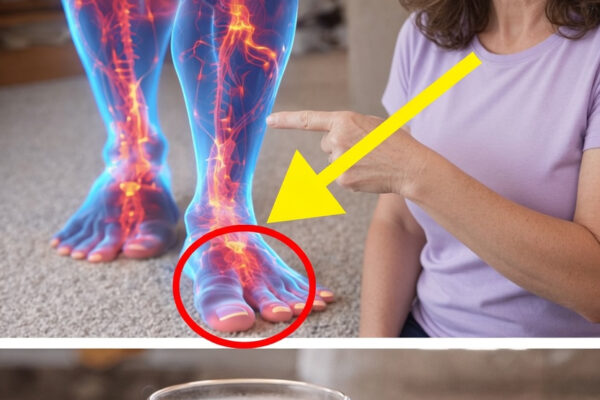
Muscle Loss After 60: How Your Nighttime Meal Can Help Slow Sarcopenia
After age 60, it’s common for the body to gradually lose muscle mass. This age-related process—known as sarcopenia—can reduce strength, impair balance, and threaten independence if it isn’t addressed early.
The good news: what you eat at night can make a real difference. A smart evening snack or dinner can support muscle maintenance and help keep muscles nourished while you sleep.
Why Nighttime Matters for Muscle Health
Sleep is more than rest—it’s a key window for muscle repair and regeneration. During the night, your body works to recover tissues and rebuild.

If you go to bed without enough of the right nutrients—especially protein and essential minerals—muscle breakdown may accelerate over the years.
In older adults, a low-protein, low-mineral dinner is often linked to:
- Gradual weakness over time
- Increased loss of muscle mass
- Higher risk of slips and falls
- Slower recovery after physical activity
The Best Nighttime Nutrient: Easy-to-Digest Protein
Nutrition specialists often recommend a light, high-quality protein in the evening. The goal is to feed muscles overnight without disturbing sleep or digestion.
Here are some of the best protein choices before bed:
-
Plain yogurt or Greek yogurt
- Provides slow-digesting protein
- Offers calcium plus beneficial probiotics
- Supports overnight muscle recovery
-
Boiled egg or lightly scrambled egg
- A complete source of essential amino acids
- Typically easy to digest when eaten in moderate portions
-
Cottage cheese or fresh cheese
- Rich in casein, an ideal protein for nighttime
- Helps reduce muscle breakdown while you sleep
Add-Ons That Boost the Benefits
Pairing protein with certain nutrients can enhance muscle support even more:
- Cooked oats: steady energy plus magnesium
- Ripe banana: high in potassium, supports muscle function
- A small handful of walnuts or almonds: healthy fats and key minerals
- A calming herbal tea (chamomile or valerian): may promote deeper sleep
What to Avoid Before Bed
To protect both muscle mass and sleep quality, try to limit:
- Very heavy meals or high-fat dinners
- Refined sugars
- Alcohol
- Lying down immediately after eating
Other Habits That Help Preserve Strength After 60
Nutrition works best when combined with supportive daily routines:
- Do gentle strength exercises 2–3 times per week
- Walk daily
- Aim for 7–8 hours of sleep
- Maintain good hydration throughout the day
Conclusion
After 60, your evening eating habits can influence whether you lose strength or maintain it. A light dinner or bedtime snack with the right protein helps nourish muscles during sleep—supporting a more active, independent life as you age.
Important Notice
This content is for informational purposes only and does not replace medical advice. Before making major changes to your diet, speak with your doctor or a qualified nutrition professional—especially if you have chronic conditions or take medications.