
5 Everyday Spices That May Support Joint Comfort After 60
If you are over 60, you may have noticed that ordinary activities can feel less effortless than they once did. Climbing stairs, getting out of bed, bending down, or twisting open a jar may bring more stiffness and mild discomfort than before. As the years pass, joints can become less flexible, and daily movement may feel harder by evening.
The encouraging news is that support may begin in a very familiar place: your kitchen. Many older adults look for gentle, natural ways to promote everyday comfort through food, and research suggests that several common spices may help support joint wellness as part of a healthy routine.
In this article, we’ll look at five kitchen staples that studies have linked to joint comfort and healthy inflammatory balance—beginning with one you likely already use often.
Why Joint Comfort Becomes More Important After 60
With age, the body changes in ways that can affect how joints feel and function. Cartilage naturally wears down over time, and the body’s inflammatory responses may also shift. As a result, occasional stiffness and mild aches can become more noticeable during normal daily activities.
No spice or food can replace professional medical care, and these ingredients should not be viewed as treatment. Still, adding anti-inflammatory foods to your meals is a practical habit many people find worthwhile. Health organizations, including the Arthritis Foundation, point out that certain spices contain natural compounds that may help influence inflammation-related pathways in the body.
Another advantage is how accessible these ingredients are. They are inexpensive, widely available, and easy to use in many recipes. Here are five standout spices worth knowing about.

1. Garlic: A Daily Staple With Anti-Inflammatory Potential
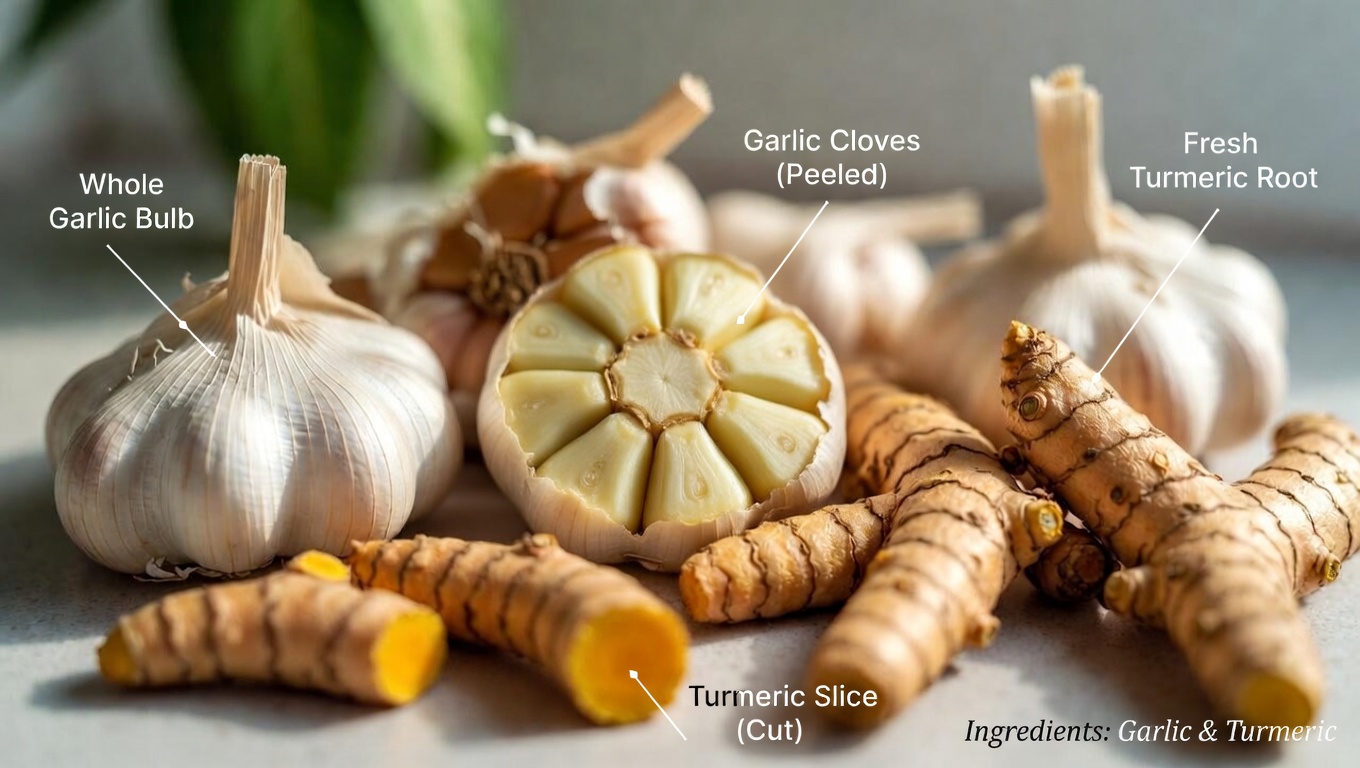
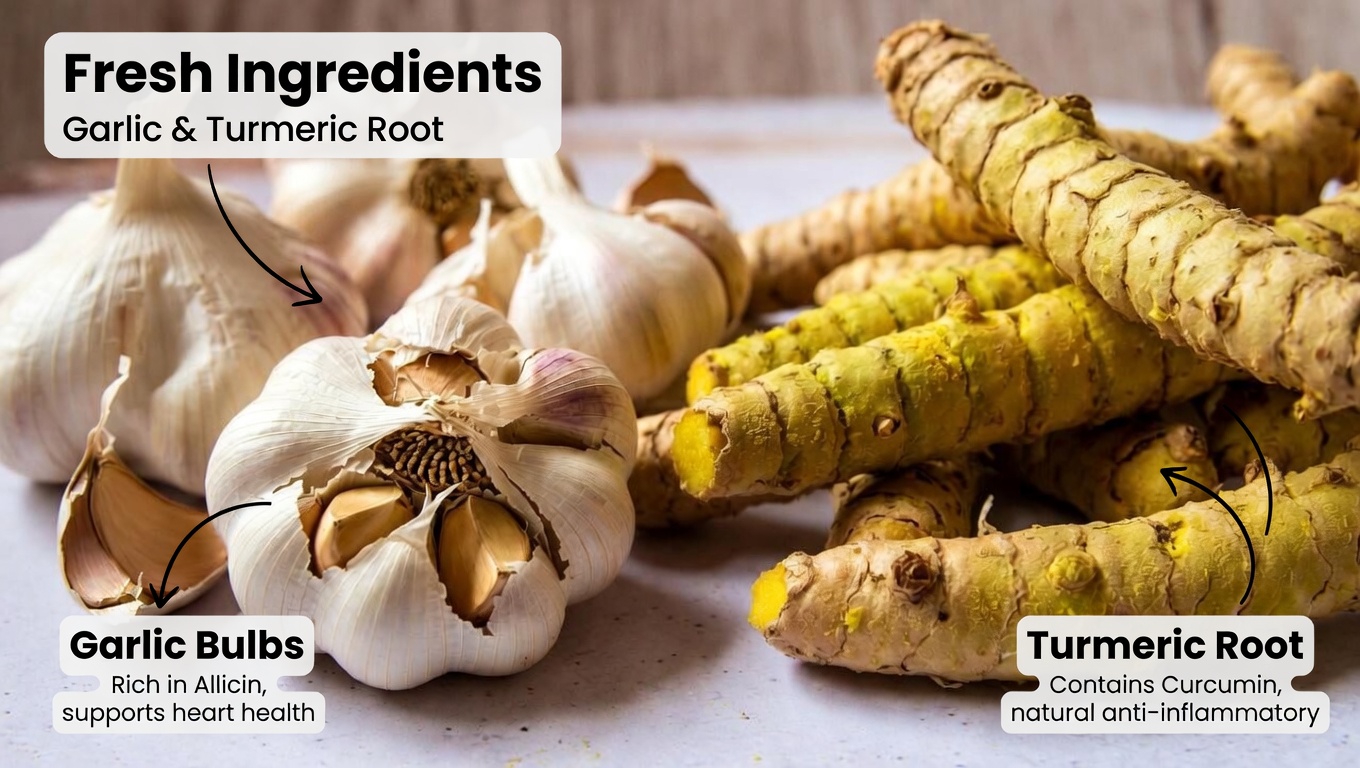
Garlic is much more than a flavor booster for sauces and savory dishes. It contains sulfur-based compounds, including diallyl disulfide, that have been studied for their role in supporting the body’s normal inflammatory response. Research, including randomized trials involving people with rheumatoid arthritis and knee osteoarthritis, suggests that garlic supplementation may help lower markers such as CRP and TNF-alpha while also supporting comfort and day-to-day function.
One study involving overweight women with knee-related concerns reported meaningful improvements in pain scores after regular use over several weeks. Fresh garlic is often considered especially beneficial because chopping or crushing it helps activate its key compounds. Letting it rest for a few minutes before cooking may enhance those effects.
Easy Ways to Use More Garlic
- Add chopped fresh garlic to soups, roasted vegetables, stir-fries, and sauces.
- Roast whole garlic bulbs for a sweeter, softer flavor.
- Drizzle garlic-infused olive oil over salads or cooked dishes.
Garlic works well on its own, but combining it with other spices may offer even more support.
2. Turmeric: The Golden Spice for Joint Support
Turmeric is known for its deep yellow color, which comes from curcumin, its best-studied active compound. Curcumin has received significant attention for its ability to affect inflammatory pathways, and several human studies suggest it may help reduce occasional joint stiffness and support easier movement when used regularly.
According to the Arthritis Foundation, curcumin may help block certain enzymes and cytokines tied to inflammation. One important detail is absorption: turmeric works best when paired with black pepper. Piperine, the active compound in black pepper, can increase curcumin absorption dramatically—by as much as 2000%.
Simple Ways to Enjoy Turmeric
- Stir it into warm milk or a plant-based drink for a golden beverage.
- Add it to rice, eggs, soups, or curries.
- Blend it into smoothies with a pinch of black pepper.
Turmeric tends to be most useful when it becomes part of your routine, and it pairs especially well with the next spice.
3. Ginger: Warming Relief for Everyday Movement
Ginger has a long history of traditional use, and modern studies support its role in promoting everyday joint comfort. Its natural compounds, especially gingerol, may help reduce inflammatory signaling in the body. Research has also linked ginger to lower muscle soreness and less joint stiffness.
In people living with osteoarthritis, ginger supplementation has been associated with improvements in comfort and physical function scores. Both fresh and dried ginger can be helpful. Fresh ginger gives meals and drinks a bright, sharp flavor, while powdered ginger offers convenience for cooking and baking.
Easy Ways to Add Ginger to Your Diet
- Steep fresh ginger slices in hot water with lemon and honey for tea.
- Grate it into soups, stir-fries, or even oatmeal.
- Add a small amount to smoothies for extra warmth and spice.
Ginger is versatile, soothing, and easy to enjoy regularly.
4. Cinnamon: Sweet Flavor With Wider Wellness Benefits
Cinnamon does more than make drinks and breakfast foods taste better. Its active compound, cinnamaldehyde, may help interrupt some inflammation-related processes in the body. Research also suggests cinnamon may support healthy inflammatory markers and help with blood sugar balance, which can indirectly benefit joint health by supporting steady energy and regular movement.
Some studies show that cinnamon may also help reduce oxidative stress, especially when used alongside other beneficial spices. For frequent use, many people prefer Ceylon cinnamon because it contains less coumarin than Cassia cinnamon.
Practical Cinnamon Uses
- Sprinkle it over oatmeal, yogurt, fruit, or nuts.
- Mix it into coffee or tea.
- Use it in baked dishes for natural sweetness without adding as much sugar.
Cinnamon brings both flavor and functional value to a joint-friendly eating pattern.
5. Black Pepper: The Small Spice That Makes Others Work Better
Black pepper may seem ordinary, but it plays an important role. Its active compound, piperine, can improve the absorption of certain nutrients and plant compounds—especially curcumin from turmeric. Studies on spice combinations that include turmeric, ginger, and black pepper have shown promising effects on markers tied to joint comfort.
Even a small amount can make a meaningful difference, particularly when you use turmeric often.
Quick Ways to Use More Black Pepper
- Add it to every turmeric-based meal or drink.
- Grind it fresh over eggs, salads, vegetables, fish, or meat.
- Include it in homemade spice blends for everyday cooking.
It may be one of the easiest upgrades you can make in your kitchen.
How to Start Using These Spices Today
You do not need to completely change your diet to benefit from these ingredients. Small, consistent steps can make them part of your daily routine.
Simple Daily Ideas
- Morning: Start the day with ginger tea or cinnamon tea.
- Lunch or dinner: Add garlic and turmeric to vegetables, beans, chicken, or fish, then finish with black pepper.
- Snacks: Sprinkle cinnamon on fruit, yogurt, or nuts.
- Daily target: Try to include at least two or three of these spices across your meals.
- Stay consistent: Many studies report benefits after 8 to 12 weeks of regular use.
Over time, these small habits may help support how your joints feel during ordinary movement and activity.
Conclusion: Small Kitchen Changes Can Support Everyday Comfort
Your pantry may already contain simple, flavorful tools to help support joint comfort after 60. Garlic, turmeric, ginger, cinnamon, and black pepper each offer unique compounds that may encourage healthy inflammatory balance and make anti-inflammatory eating easier.
These spices are not a replacement for medical treatment, but they fit naturally into a healthy lifestyle and align well with dietary patterns often recommended by health professionals. Try using them more often, pay attention to how your body responds, and enjoy experimenting with new flavors. Sometimes the first step toward feeling better starts with what is already on your shelf.
FAQ
Can these spices replace medication for joint problems?
No. These spices should be seen as supportive additions to a healthy diet and lifestyle, not substitutes for prescribed medication or medical care. If you have a health condition or take medication, speak with your doctor before making major changes.
How much of each spice should I use each day?
A good place to begin is with food-level amounts, such as:
- 1 to 2 cloves of garlic
- 1/2 to 1 teaspoon of turmeric with black pepper
- Similar small amounts of ginger and cinnamon
Supplement studies often use larger doses, but regular use in meals may still be helpful over time.
Are there side effects to consider?
Most people tolerate these spices well in normal cooking amounts. However, high doses—especially from supplements—may cause stomach upset or interact with medications such as blood thinners. If you are unsure, ask a healthcare professional before increasing your intake.