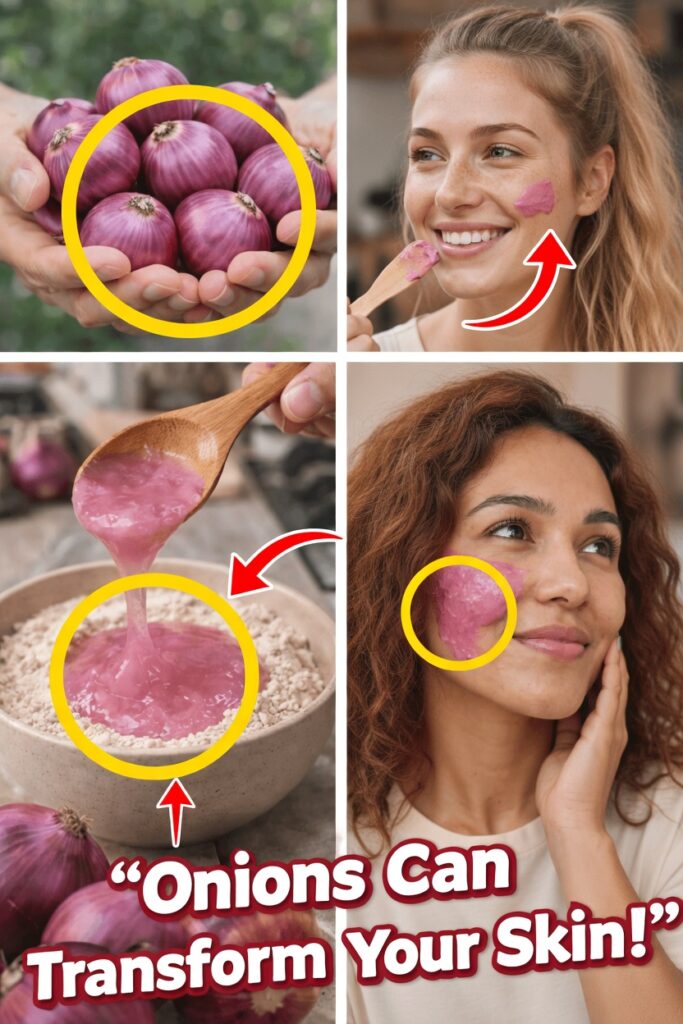
Onion Juice for Skin in 2025: A Natural DIY Face Mask for Brighter, Smoother-Looking Skin
Over time, many people begin to see fine lines, uneven skin tone, and dark patches stand out more clearly. These shifts often happen little by little, yet they can still affect how we feel about our appearance day after day. While store-bought creams and serums often claim dramatic benefits, they may contain harsh ingredients that irritate delicate skin or fail to produce the expected results even after regular use.
That is why more people are turning to simple, affordable skincare ideas made at home. One ingredient drawing renewed attention is onion juice. Found in most kitchens, it is now being used in homemade face masks by those who prefer a gentler, more natural beauty routine. This article explains how people are making and using onion juice masks — and why this traditional remedy is gaining interest again in 2025.
Why Onion Is Getting Attention in Skincare
Onions, especially red and purple types, contain natural plant compounds that have sparked interest among skincare fans and researchers.
One of the best-known compounds is quercetin, a flavonoid found in high amounts in red onions. Quercetin is valued for its antioxidant activity, which may help defend skin from everyday environmental stressors such as sunlight exposure and pollution. Onions also contain sulfur compounds, the same substances responsible for their strong smell, and these have been studied for their possible role in supporting skin renewal.
What surprises many people is that onion extract is not a new idea in skincare. For many years, it has been used in different parts of the world in products intended for wound care and scar appearance. A number of studies have also examined its potential effects on skin tone and texture.
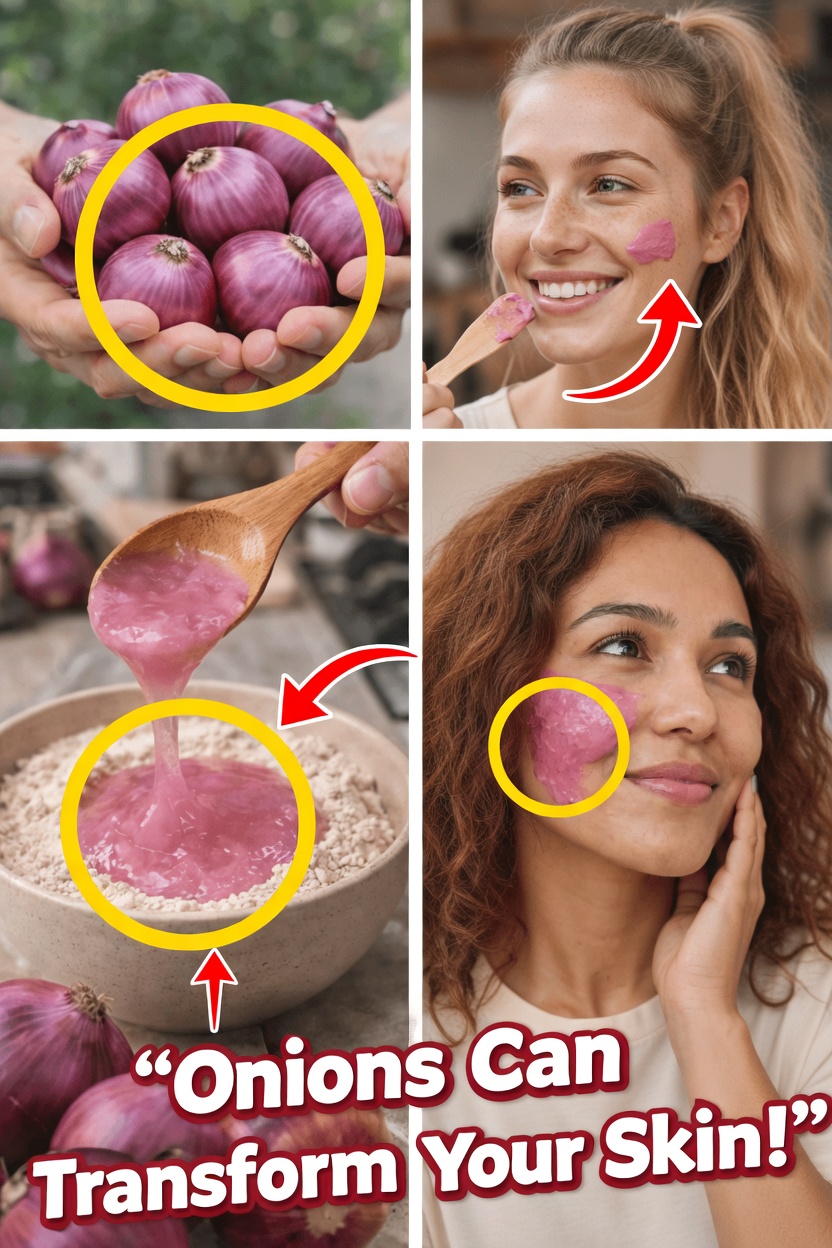
Why People Apply Onion Juice to the Face
Those who use onion-based masks regularly are usually hoping to improve the overall look of their skin. Common goals include:
- A brighter, fresher-looking complexion
- Less visible dark spots and uneven pigmentation
- Softer, smoother skin with reduced appearance of fine lines
- A clearer, healthy glow often described as “glass skin”
The growing popularity of onion juice face masks comes from a few simple reasons: they are inexpensive, easy to make, and free from many synthetic additives found in commercial skincare products.
What Research Really Says About Onion and Skin
It is important to separate traditional use from scientific evidence. Research on onion extract — which is not always identical to fresh homemade onion juice — has mostly focused on areas such as:
- Supporting the organization of collagen in the skin
- Helping reduce the appearance of scars and post-inflammatory marks
- Offering antioxidant defense against free radical damage
Most formal studies have used standardized extracts rather than fresh onion juice prepared at home. Even so, the key compounds people care about, including quercetin and organosulfur compounds, are naturally present in fresh onion juice. This is one reason many people still choose the homemade version.
How to Make Fresh Onion Juice for a DIY Face Mask
Preparing onion juice at home is simple and does not require special equipment beyond basic kitchen tools.
What You Need
- 1 to 2 medium red or purple onions
- A blender, juicer, grater, or food processor
- A fine strainer or clean cheesecloth
- A small glass bowl or container
Step-by-Step Instructions
- Peel the onions and rinse them well under clean running water.
- Chop them into small pieces for easier blending or juicing.
- Blend or process until the mixture becomes liquid. If needed, add 1 to 2 teaspoons of water to help it blend smoothly.
- Pour the mixture through a fine strainer or layered cheesecloth to remove the pulp.
- Collect the strained juice in a clean glass container.
- Use it right away for maximum freshness, or refrigerate it for up to 48 hours.
A useful tip: freshly prepared onion juice usually contains the most active compounds, although it will also have the strongest smell.
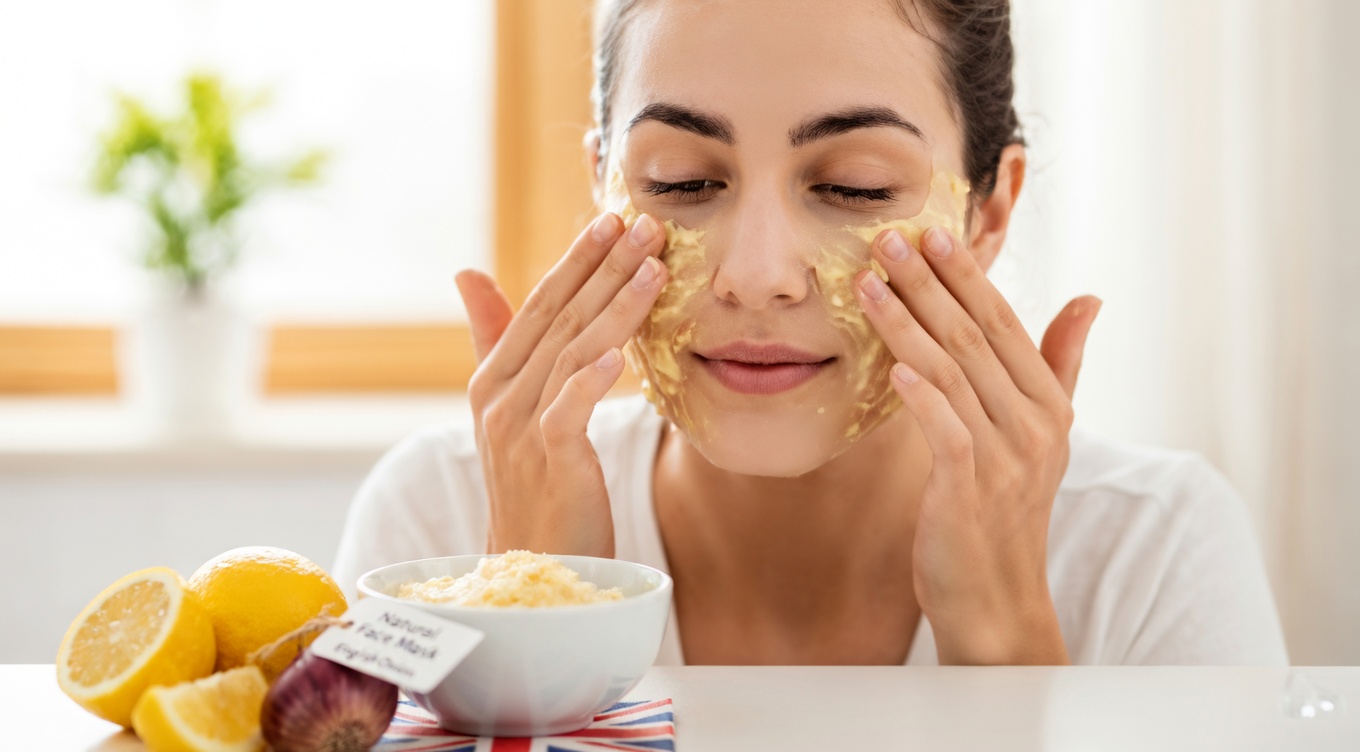
Easy Onion Juice Face Mask Recipes
There are two popular DIY versions people often choose, depending on skin type and comfort level.
Recipe 1: Onion and Flour Mask
This version is often preferred by people with normal to oily skin.
Ingredients
- 1 tablespoon fresh onion juice
- 1 to 2 tablespoons chickpea flour or rice flour
- Optional: 1/2 teaspoon honey or rose water for a smoother texture
How to Apply
- Mix the onion juice with the flour until it forms a smooth paste.
- Spread a thin layer over clean, dry skin.
- Pay extra attention to areas with dark spots, uneven tone, or visible fine lines.
- Leave it on for 12 to 20 minutes. If this is your first time, start with a shorter application.
- Rinse gently with lukewarm water.
- Apply moisturizer immediately afterward.
Recipe 2: Onion and Yogurt Mask
This is a milder option often chosen by people with dry or more sensitive skin.
Ingredients
- 1 tablespoon fresh onion juice
- 1 tablespoon plain unsweetened yogurt
- Optional: 3 to 4 drops of pure aloe vera gel
How to Apply
- Combine all ingredients until smooth.
- Spread the mixture evenly over the face, keeping it away from the eyes.
- Leave it on for 10 to 15 minutes.
- Rinse off with cool water.
- Finish with your usual moisturizer.
How Often Should You Use an Onion Face Mask?
People who include onion juice in their skincare routine usually follow a moderate schedule rather than using it daily.
A common routine is:
- 2 to 3 times a week at most
- Continued use for 4 to 8 weeks to notice gradual visible changes
- A patch test on the inner forearm 24 hours before applying it to the whole face
When to Stop Using It
Discontinue use immediately if you notice any of the following:
- Strong redness
- Burning or stinging that lasts longer than a few minutes
- Breakouts or worsening irritation
How to Make the Onion Smell Less Noticeable
The scent is the main reason some people give up on onion masks. Fortunately, there are a few ways to reduce it:
- Choose very fresh red onions, which many people find milder in odor
- Add a few drops of lavender, rose, or tea tree essential oil only if your skin tolerates them well
- Rinse afterward with rose water mixed with a small drop of lemon juice
- Apply your regular moisturizer or a facial oil right after washing off the mask
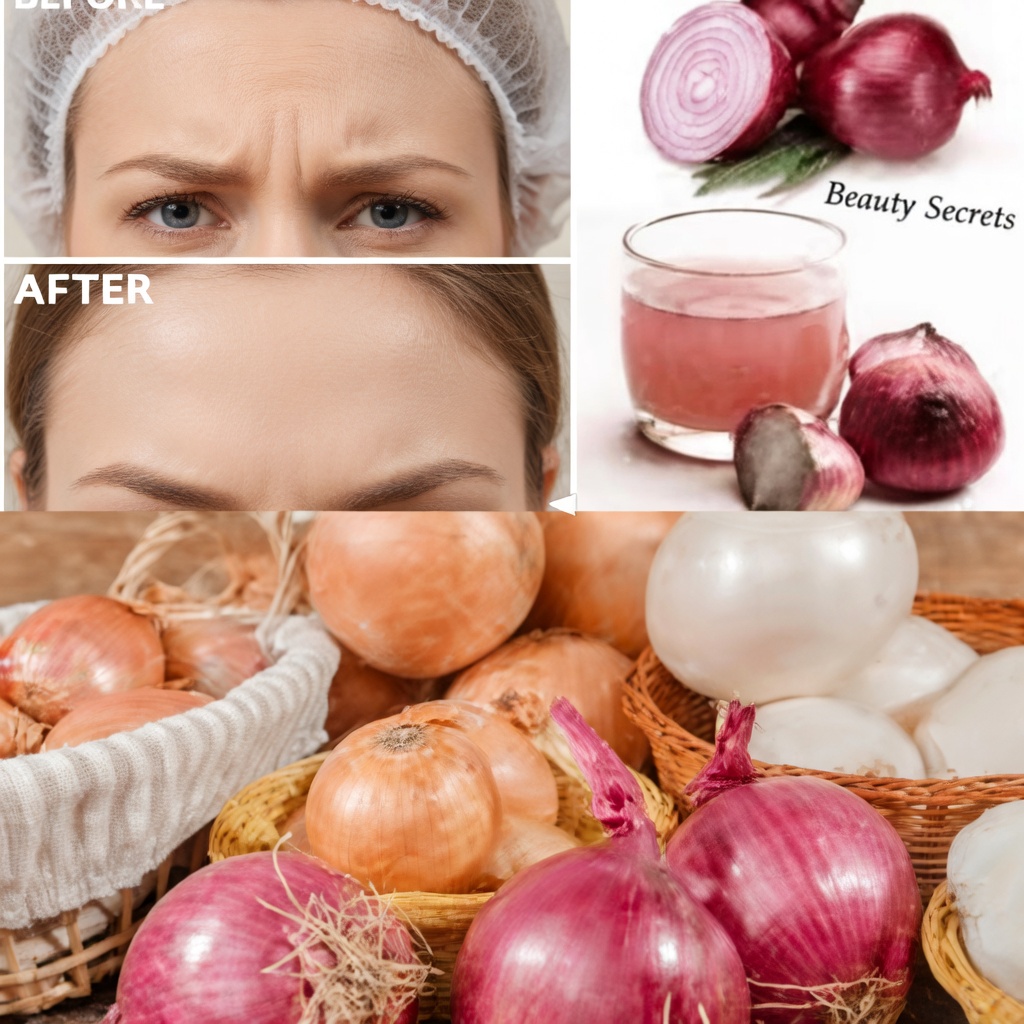
What Kind of Results Are Realistic?
The outcome will depend on several factors, including age, skin type, how consistently you use the mask, your overall skincare routine, sun protection habits, hydration, and diet.
Many users say they notice:
- Softer-feeling skin after about 2 to 3 weeks
- A brighter, more even-looking complexion after 4 to 6 weeks
- Gradual fading of newer dark marks after 6 to 10 weeks
However, deeper wrinkles, older pigmentation, and major texture concerns usually do not improve dramatically with home remedies alone. In those cases, professional skincare treatments are often needed for more noticeable results.
Frequently Asked Questions
Can onion juice stay on the face overnight?
No. Most people find it too strong for prolonged contact. It is safer to keep application time within 10 to 20 minutes.
Can onion juice reduce acne scars?
Some users report improvement in post-inflammatory marks over time, especially when they also use sunscreen consistently. Results are not the same for everyone.
Is onion juice suitable for every skin type?
Not always. Very sensitive, extremely dry, or eczema-prone skin may react poorly. A patch test is essential before full use.
Does onion juice increase sun sensitivity?
Fresh onion juice is not considered strongly photosensitizing in the way lemon juice can be. Even so, daily broad-spectrum sunscreen is still important.
How long does homemade onion juice last?
If stored in the refrigerator, it is best used within 24 to 48 hours. After that, the active compounds begin to break down quickly.
Final Thoughts
Using onion juice in a weekly face mask is a low-cost, natural skincare experiment that many people are quietly trying in 2025. It is not a substitute for dermatologist-approved treatments or medical advice, but it may be worth exploring for those who prefer simple, plant-based ingredients in their routine.
In the end, the foundations of good skincare remain the same: be consistent, protect your skin from the sun, and pay close attention to how your skin responds every day.