
Can Adding Magnesium to Water Help Support Circulation as You Get Older?
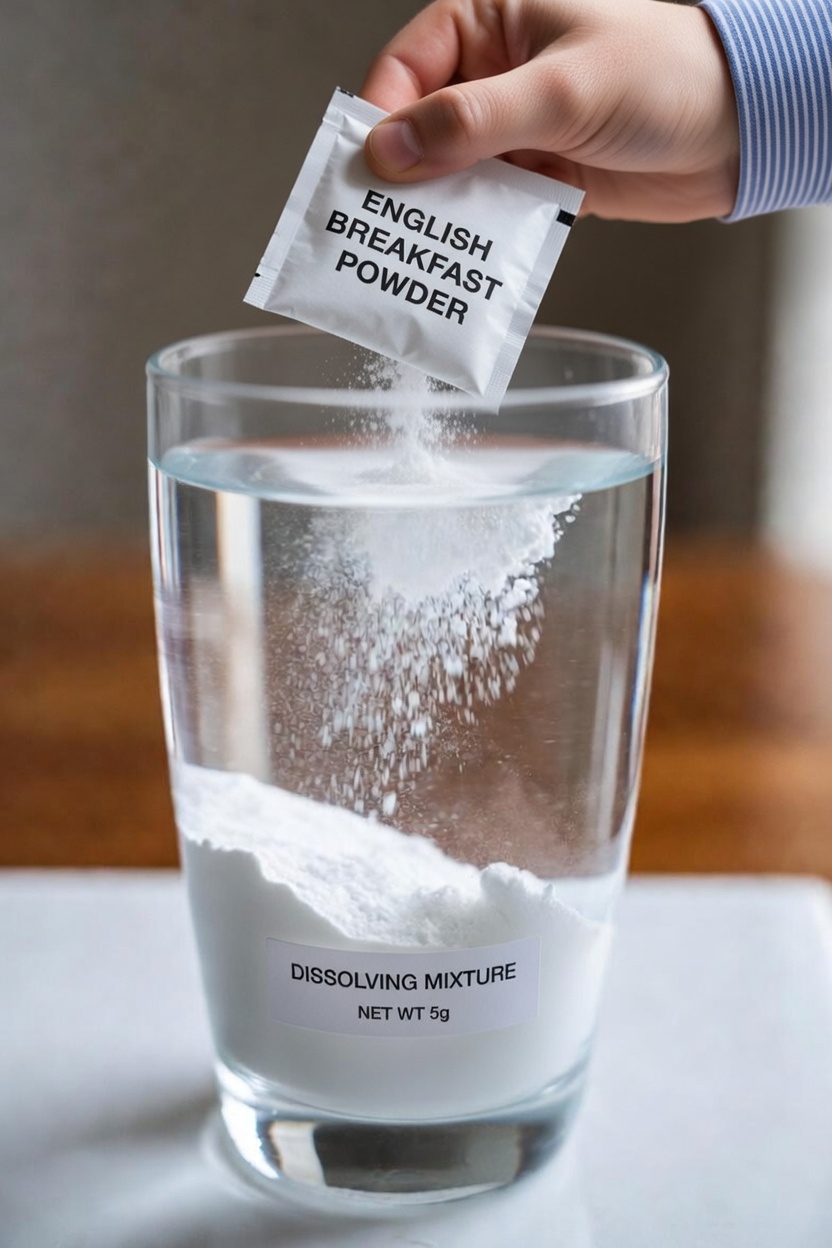
Viral health posts often feature a doctor-like presenter dropping a white powder into a glass of water and claiming it can improve circulation and help older adults feel young again. While those videos can be exaggerated, one mineral does stand out in trustworthy health research: magnesium.
Magnesium is widely recognized for its role in supporting healthy blood flow, helping blood vessels relax, and contributing to overall cardiovascular function. Research also shows that it plays a part in blood pressure regulation, as well as normal muscle and nerve activity. These benefits may indirectly support circulation, which becomes more important with age as magnesium deficiency is more common in older adults.
This article looks at how getting more magnesium through simple daily habits, including magnesium-enhanced water, may help support hydration and circulation as part of a healthy lifestyle.
Why Circulation Often Feels Different With Age
As people grow older, they may begin to notice changes such as:
- Tired or heavy legs
- Hands and feet that feel cold more often
- A sluggish feeling later in the day
- Less comfort during routine daily activities
These changes can happen for several reasons, including:
- Lower physical activity
- Natural reductions in blood vessel flexibility
- Mild dehydration
- Reduced nutrient delivery to tissues
It can be discouraging when normal tasks seem more demanding, especially for anyone who wants to stay active, mobile, and independent.
The good news is that small, consistent habits may help. Paying attention to key minerals in your hydration routine is one practical step. Evidence suggests that proper magnesium intake helps support healthy blood vessel function and general wellness. For many people, this can translate into feeling more comfortable and energized throughout the day.

Why Magnesium Is Important for Hydration and Blood Flow
Magnesium is one of the body’s essential minerals and is involved in hundreds of biological functions. It helps with:
- Muscle relaxation
- Nerve signaling
- Healthy heart rhythm
- Blood pressure balance
- Transport of minerals such as calcium and potassium across cell membranes
When it comes to circulation, magnesium helps blood vessels stay relaxed and flexible. That makes it easier for blood to move efficiently, delivering oxygen and nutrients to muscles and organs.
As we age, magnesium levels may decline due to:
- Diet changes
- Certain medications
- Differences in absorption
- Chronic health conditions
When magnesium intake is too low, some people may experience symptoms such as stiffness, fatigue, or reduced physical comfort.
The Connection Between Electrolytes, Hydration, and Feeling Better
Drinking enough water is essential, but water works best when the body also has the right balance of electrolytes, including magnesium. Without enough electrolytes, hydration may not be used as effectively at the cellular level.
Poor hydration or mineral imbalance may contribute to:
- Thicker blood flow
- Reduced circulation efficiency
- Heaviness in the legs
- Increased fatigue
Research suggests that supporting magnesium intake through food, mineral water, or magnesium added to water may help improve hydration status. Combined with regular movement, this can support healthier circulation without requiring major lifestyle changes.
Signs You May Need to Pay More Attention to Magnesium
Some common signs that may suggest it is worth reviewing your magnesium habits include:
- Occasional leg cramps
- Restlessness at night
- Feeling unusually tired even after resting
- Cold hands or feet on normal days
- Mild stiffness after sitting for a while
These symptoms can have many causes, but for some people, improving magnesium intake may be a helpful part of the solution.

Natural Ways to Increase Magnesium Intake
If you want to support magnesium levels without relying only on supplements, here are several practical options:
1. Eat More Magnesium-Rich Foods
Magnesium is naturally found in many healthy foods, such as:
- Leafy greens like spinach
- Almonds and other nuts
- Pumpkin seeds
- Whole grains
- Bananas
Including these foods regularly is one of the best long-term strategies.
2. Choose Mineral Water That Contains Magnesium
Some bottled mineral waters naturally provide magnesium. This can be a convenient option, although the amount varies by brand.
3. Add a Safe, Food-Grade Magnesium Powder to Water
Many people use magnesium citrate or magnesium glycinate in small amounts mixed into water. This can be an easy way to support daily intake, especially if dietary magnesium is low.
Always use a reputable product and speak with a healthcare professional first, especially if you have a medical condition or take prescription medications.
How to Make Magnesium Water at Home
A simple magnesium water routine can fit easily into your morning or daytime habits. If you decide to try it, use only food-grade magnesium powder and begin with a small amount.
Basic steps
- Start with 8 to 12 ounces of filtered, room-temperature water.
- Add 100 to 200 mg of magnesium powder.
- This is often about 1/4 to 1/2 teaspoon, but always check the product label for exact dosing.
- Stir until fully dissolved. Some forms may fizz slightly.
- Sip it slowly during the morning or across the day.
- Take it along with a balanced meal when possible to support absorption.
Starting low is important so you can see how your body responds.
Comparing Common Magnesium Sources
Here is a simple breakdown of the most common options:
- Food sources: Natural and gradual; ideal for daily, long-term support
- Mineral water: Convenient, but magnesium content can vary a lot
- Powder mixed into water: Easy to measure and often absorbed well
According to NIH guidance, many adults need roughly 300 to 420 mg of magnesium per day from all sources combined, though age, sex, and health status can affect individual needs.
Other Daily Habits That Support Better Circulation
Magnesium works best as part of a broader healthy routine. Helpful circulation-friendly habits include:
- Taking gentle walks regularly
- Elevating the legs when needed
- Eating a balanced diet with fewer processed foods
- Drinking enough fluids throughout the day
- Aiming for about 6 to 8 glasses of water daily
- Managing stress, which can affect blood vessel health
When these habits are combined, they help support the body’s natural circulation processes more effectively.
What Research Actually Says About Magnesium
Scientific studies consistently associate adequate magnesium intake with cardiovascular support. One important reason is that magnesium helps relax the smooth muscles found in artery walls, which supports normal blood vessel function.
That said, magnesium is not a cure-all. It should be viewed as a supportive tool, not a replacement for medical care or healthy habits. Still, regular magnesium intake through food and hydration can be a simple, realistic strategy for promoting wellness with age.
Final Thoughts: A Simple Way to Support Energy and Comfort
Paying more attention to magnesium, whether through food choices or magnesium-enhanced water, may be a practical way to support hydration, circulation, and daily comfort. Many older adults find that small lifestyle changes like these help them feel more steady, energized, and comfortable over time.
If you want to begin, start with one easy step today—such as adding more magnesium-rich foods to your meals or choosing a magnesium-containing mineral water—and notice how your body feels over time.
FAQ
1. How much magnesium do older adults usually need each day?
Many adults over 50 need about 320 to 420 mg daily from food, beverages, and other sources combined. However, personal needs can differ, so it is best to ask a healthcare provider for individualized guidance.
2. Is it safe to add magnesium powder to water every day?
For many healthy adults, moderate daily use may be safe. It is best to start with a small amount and watch for digestive effects. People with kidney disease or kidney-related concerns should not use magnesium supplements without medical approval.
3. Can magnesium replace exercise for circulation?
No. Magnesium can support the body, but it does not replace movement. Gentle activity such as walking remains one of the most important habits for maintaining healthy circulation.