Why Vision Often Changes After 60—and How Nutrition Can Help
As we age, it’s common for eyesight to become less sharp and for conditions such as age-related macular degeneration or cataracts to appear. What many people don’t realize is that the retina is one of the body’s most metabolically active tissues, meaning it can respond remarkably well to the right nutritional support.
If you’re over 60, these three seeds can work like a natural “biological shield,” helping protect your eyes from the inside out.
1. Pumpkin Seeds: A Zinc Reserve for Retinal Support
The retina holds one of the highest concentrations of zinc in the human body. Zinc plays a key role in moving vitamin A from the liver to the retina, helping produce melanin, a protective pigment that supports eye defense mechanisms.
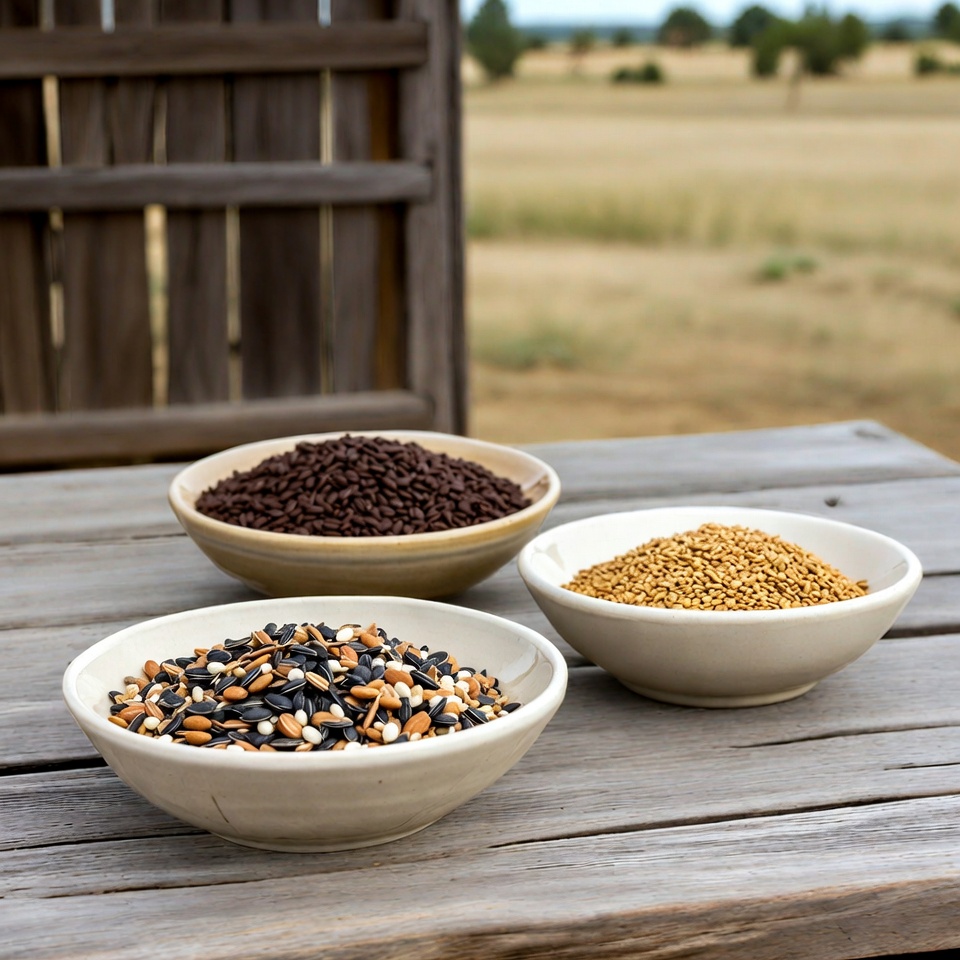
- Key benefit: The zinc in pumpkin seeds may help reduce night blindness risk and slow the progression of age-related macular degeneration.
- How to eat them: A small handful daily is enough. Choose raw or lightly toasted, unsalted pumpkin seeds, since too much sodium may contribute to increased eye pressure.
2. Chia Seeds: Omega-3 Support for Dry Eye Relief
Dry eye syndrome is one of the most common complaints among older adults, often linked to reduced function of the glands responsible for producing tears.
- Key benefit: Chia seeds are one of the richest plant sources of alpha-linolenic acid (ALA), an omega-3 fatty acid. Omega-3s can help support tear film stability, improve lubrication, and protect retinal photoreceptors from chronic inflammation.
- Best practice: Soak or grind chia seeds before eating them. Once hydrated, they release a gel-like mucilage that can support digestive health—often associated with lower systemic and ocular inflammation.
3. Sunflower Seeds: Vitamin E Antioxidant Protection
Vitamin E is a powerful antioxidant that helps neutralize free radicals, which can damage healthy cells in the eye over time.
- Key benefit: Research suggests that consistent vitamin E intake may help lower the risk of developing early cataracts. Sunflower seeds are a naturally concentrated source of this nutrient.
- How to eat them: Sprinkle 1 tablespoon onto salads or yogurt. Opt for seeds without added vegetable oils or added sugars.
Senior Vision Nutrition Table (Quick Guide)
- Pumpkin seeds
- Key nutrient: Zinc
- Main eye function: Supports retinal pigment protection
- Chia seeds
- Key nutrient: Omega-3 (ALA)
- Main eye function: Helps reduce dryness and inflammation
- Sunflower seeds
- Key nutrient: Vitamin E
- Main eye function: Supports lens clarity and cataract prevention
The “Golden Habit” to Protect Your Eyes: The 20-20-20 Rule
In addition to adding these eye-healthy seeds to your diet, eye doctors commonly recommend a simple daily routine known as the 20-20-20 rule:
If you’re reading or using screens (TV, phone, or computer), every 20 minutes, look at something about 20 feet (6 meters) away for 20 seconds. This helps relax the eye’s focusing muscle (the ciliary muscle) and—combined with supportive nutrients—can significantly reduce eye strain and visual fatigue.
Conclusion: Your Eye Health Is Strongly Linked to What You Eat
Clear vision isn’t only about glasses or procedures—it’s also about daily nutrition. By incorporating pumpkin seeds, chia seeds, and sunflower seeds into your routine, you provide the retina and lens with key minerals and antioxidants that help filter damaging stressors and support sharper vision for longer.