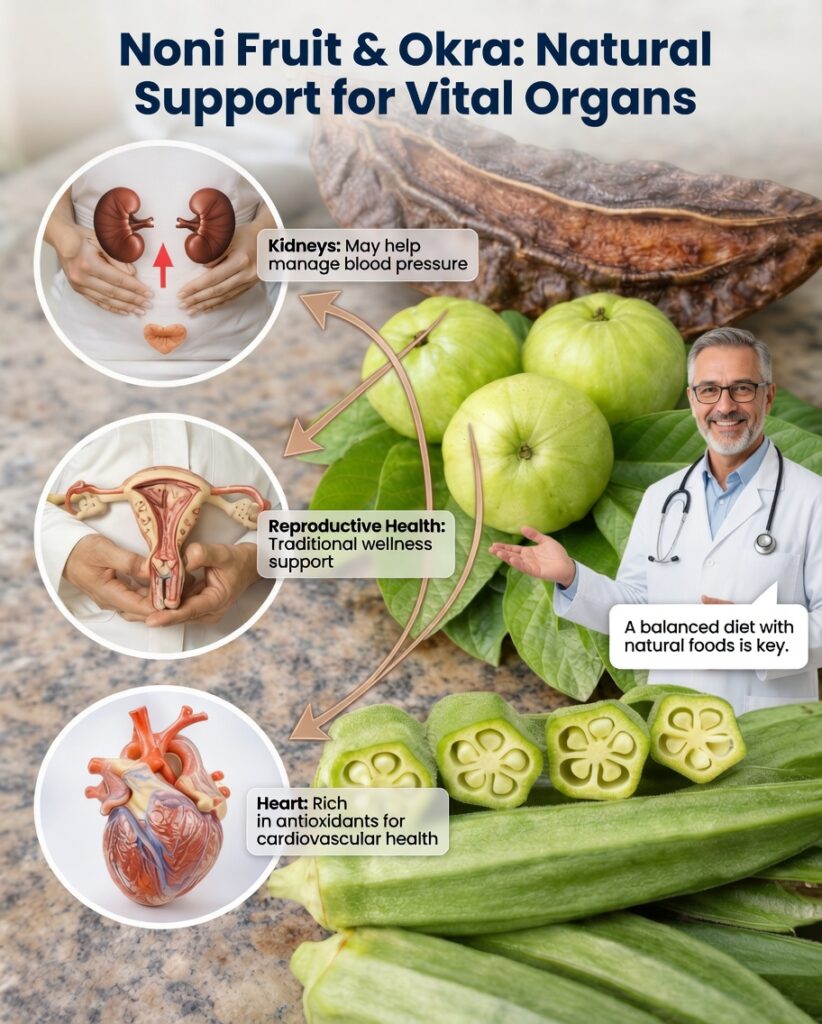
Okra and Guava Leaf Tea: A Simple Traditional Drink for Bloating, Fluid Retention, and Urinary Discomfort
Do you often deal with bloating, water retention, or that uncomfortable sensation around the urinary area? A straightforward okra and guava leaf tea has been gaining attention among women for its gentle, natural approach to everyday wellness. Here’s what it is, why people value it, and how to make it at home.
Many women experience monthly periods of mild discomfort—slight swelling, fluid buildup, or urinary unease that can affect energy and daily routine. In those moments, it’s common to look for simple, mild, natural options to help the body feel balanced again.
In several tropical regions, a traditional infusion made with fresh okra and guava leaves has been used for generations. It’s not a medical treatment, but rather a customary drink that may offer subtle support when used responsibly and in moderation.
Keep reading to understand why this blend is so popular, what benefits it may provide, and the correct way to prepare it.
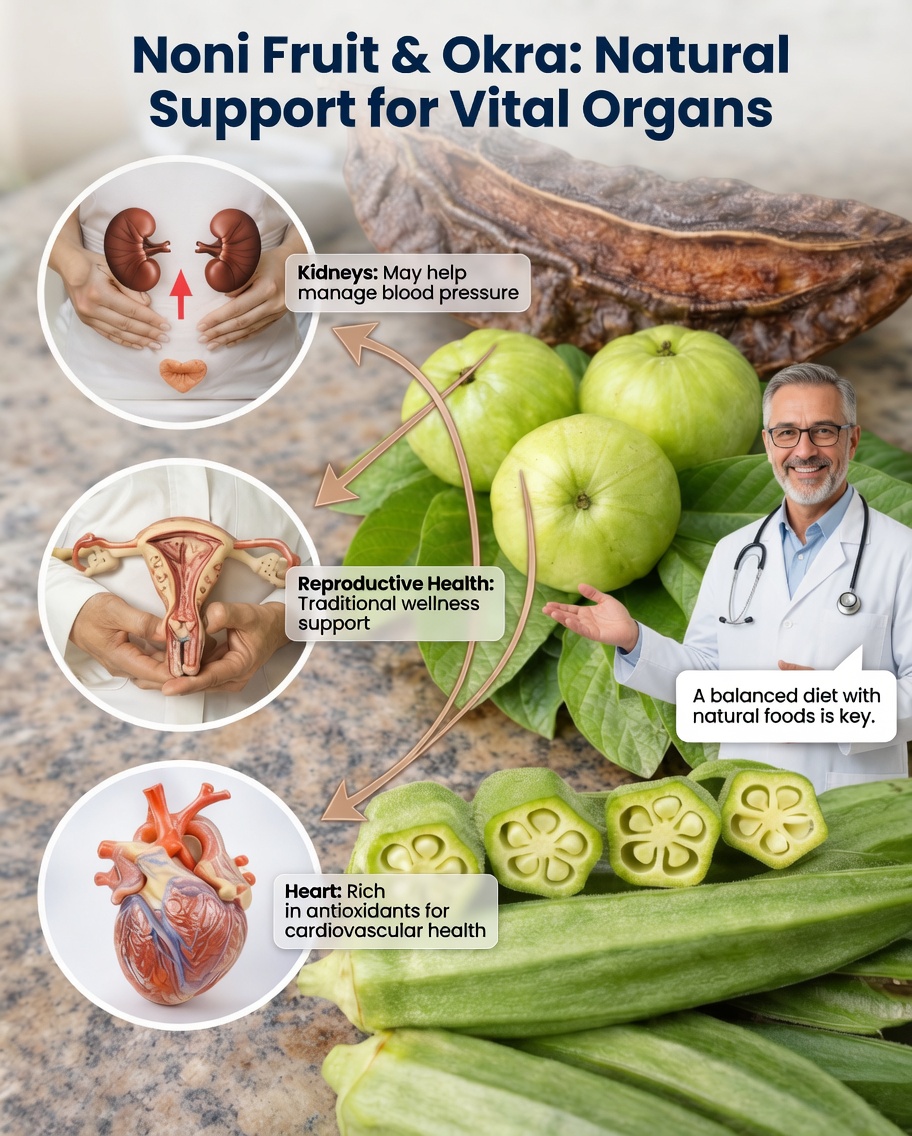
Why This Traditional Combination Stands Out
Across different cultures, okra (sometimes called “lady’s finger”) and guava leaves are often paired in homemade infusions.
- Okra releases a naturally gelatinous substance known as mucilage.
- Guava leaves are known for astringent qualities and antioxidant compounds.
When brewed together, they create a balanced drink that many people use to support digestive comfort, fluid balance, and overall well-being. Another advantage is practicality: both ingredients are widely available in markets and are often grown in home gardens, making this recipe accessible and low-cost.
How Okra May Support the Body Naturally
Okra is a nutrient-rich food that provides:
- Soluble fiber
- Vitamin C
- Naturally occurring antioxidants
One of its most notable features is mucilage, the gel-like substance that forms when okra is simmered. Early research suggests this mucilage may help:
- Promote digestive comfort
- Support the body’s natural elimination processes
- Contribute to a more balanced internal environment
Some preliminary studies also indicate that okra compounds may help protect kidney tissues from oxidative stress in experimental settings.
Okra may also have a mild diuretic effect, which can be useful for occasional fluid retention. However, okra contains oxalates, so people prone to kidney stones should be cautious and consume it in moderation.
Guava Leaves: A Longstanding Staple in Traditional Wellness
Guava leaves have a strong history in traditional practices and are valued for being rich in:
- Flavonoids (including quercetin)
- Tannins
- Natural antioxidants
Traditionally, guava leaves have been used to support:
- Digestion
- Hormonal balance
- Relief from mild inflammation
Some early studies suggest guava leaf extracts may reduce menstrual discomfort in certain cases. Experimental research also points to possible support for the kidneys by helping reduce inflammation and oxidative stress.
Why Combine Okra and Guava Leaves?
The appeal of this tea lies in how the ingredients may complement each other:
- Okra contributes a soothing, internally hydrating feel due to its mucilage.
- Guava leaves add antioxidant compounds and mild astringent properties.
Together, they may provide gentle support—especially during periods of occasional bloating or digestive discomfort.
6 Potential Benefits of Okra and Guava Leaf Tea
Based on the known properties of both ingredients, this traditional tea may contribute to:
- Fluid balance – a mild, natural diuretic effect for some people
- Antioxidant support – helps the body handle oxidative stress
- Digestive comfort – fiber and tannins may support bowel regularity
- Mild inflammation support – naturally occurring anti-inflammatory compounds
- Glucose metabolism support – fiber and flavonoids may help maintain healthy blood sugar balance
- Everyday vitality – nutrients that may support general well-being
These effects are typically subtle and gradual, and more likely to be noticed with consistent, moderate use.
How to Make Okra and Guava Leaf Tea at Home
Ingredients
- 4–5 fresh okra pods
- 10–15 guava leaves (fresh or dried)
- 1 liter of water
Instructions
- Wash the okra thoroughly and slice into rounds.
- Bring the water to a boil in a pot.
- Add the okra and guava leaves.
- Reduce heat and simmer for 10–15 minutes.
- Strain the liquid.
- Drink warm or chilled.
Optional: add a little lemon or honey to improve the flavor.
Suggested amount
Start with 1 cup per day, and pay attention to how your body responds.
Important Safety Notes
Even natural teas should be used thoughtfully.
- Limit intake to 1–2 cups daily.
- Prefer drinking it in the morning or afternoon.
- If you have kidney conditions, are pregnant, or take medications, consult a healthcare professional first.
- If you notice digestive discomfort or any adverse reaction, stop using it.
Conclusion
Okra and guava leaf tea is a simple example of how traditional knowledge can inspire gentle, natural self-care habits. While it does not replace medical guidance, it may serve as a mild, supportive addition for those looking to promote fluid balance, digestive comfort, and overall well-being.
Small daily rituals—like preparing a nourishing tea—can offer not only physical support but also a meaningful moment of self-care.
Disclaimer: This content is for informational purposes only and does not replace professional medical advice. Always consult a qualified healthcare professional before trying any natural remedy, especially if you have health conditions or use medications.